
As skin’s elasticity fibers gradually decrease with age and its ability to retain moisture declines, various types of wrinkles can appear across the face. In particular, areas that move frequently with facial expressions or are often exposed to ultraviolet light may be more likely to show wrinkles more prominently. These changes can affect not only appearance but also the overall impression of the face, so some people visit a Gangnam-gu Dermatology Clinic for consultation to learn about wrinkle care methods.
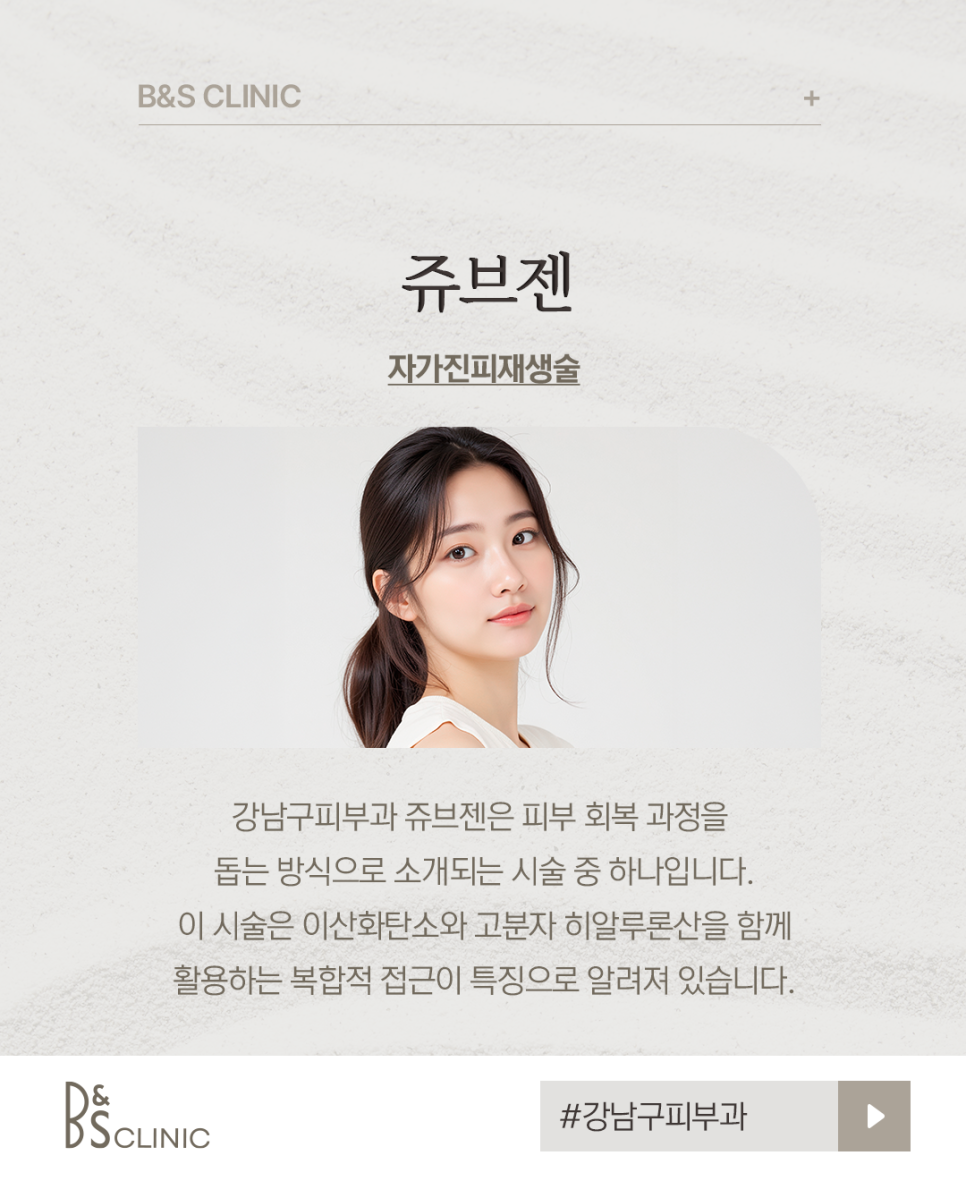
Juvgen at a Gangnam-gu Dermatology Clinic is introduced as one of the procedures that helps support the skin’s recovery process. This procedure is known for its combined approach, using carbon dioxide and high-molecular-weight hyaluronic acid together.
During the procedure, a dual chamber syringe is used to inject carbon dioxide and hyaluronic acid in 0.001 cc units while also providing fine mechanical stimulation to the dermis. This stimulation may affect the skin’s internal environment, and various responses have been observed according to research reports. However, results and the degree of response can vary depending on each person’s skin condition and characteristics, so sufficient consultation before the procedure is necessary.
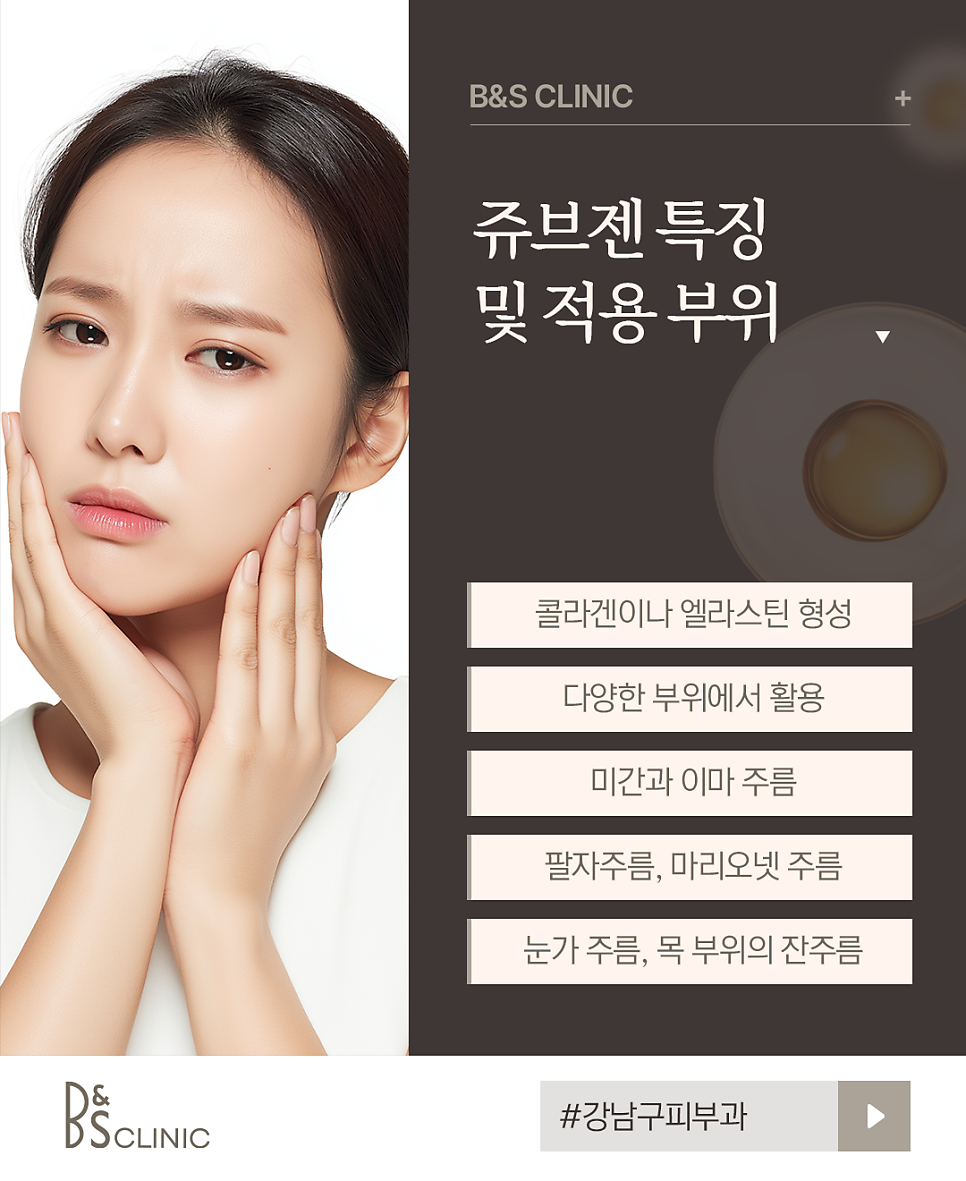
Juvgen is introduced as a method that gives the skin a combined form of stimulation by using carbon dioxide and hyaluronic acid together. In this process, changes occur in the skin’s internal environment, and some studies have reported responses related to collagen or elastin formation. However, results and responses may differ depending on each individual’s skin characteristics and condition.
Juvgen is discussed as being potentially usable in various areas. For example, it is brought up during consultations for areas that move repeatedly with facial expressions, such as between the eyebrows and the forehead, the nasolabial fold area, around the mouth, and beneath the lower cheeks. It is also sometimes considered for thin-skin areas such as around the eyes or the neck. Whether and how the procedure is actually performed may vary depending on the individual’s skin condition, so it is necessary to make the decision after consulting with a medical professional.
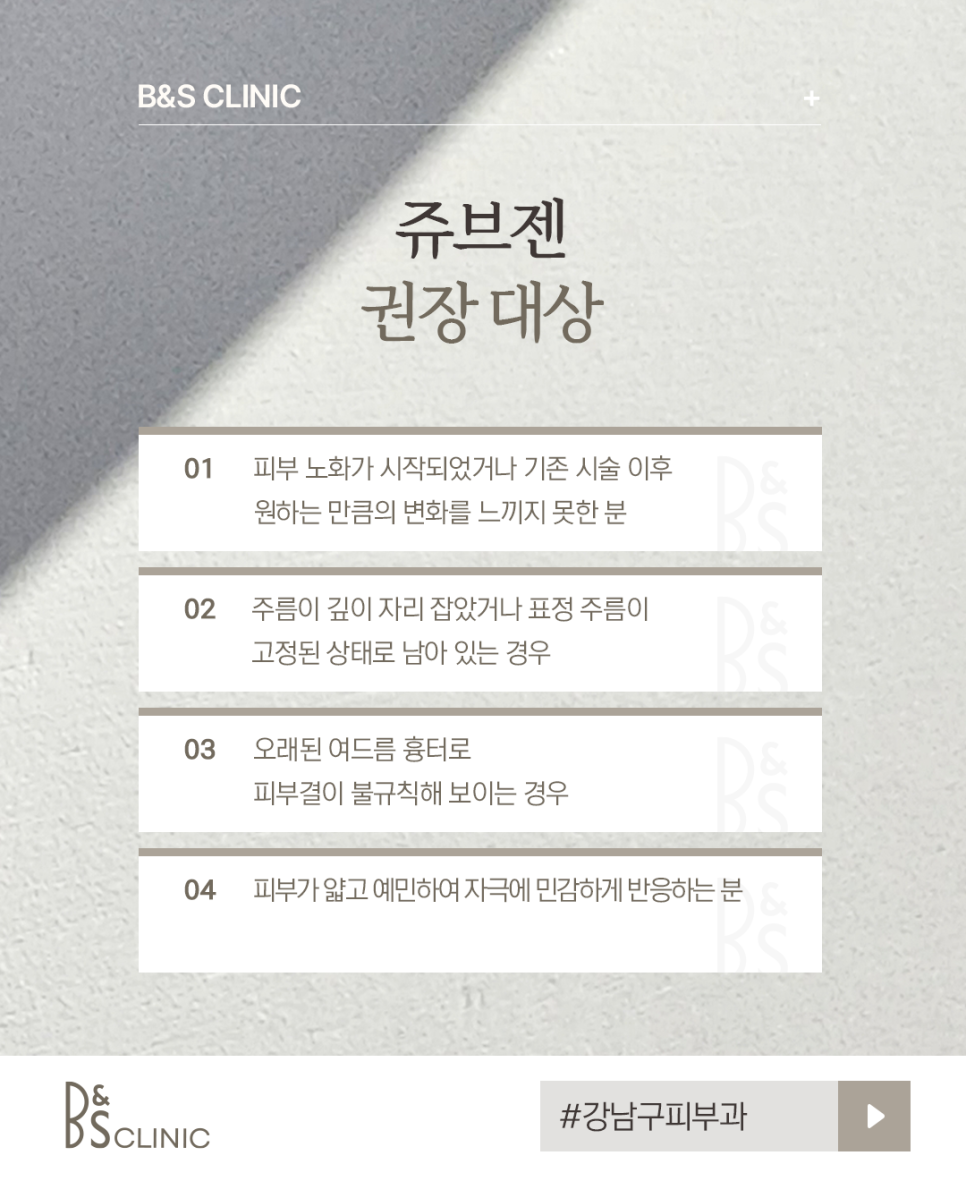
People whose skin aging has begun, or who did not feel the desired change after previous procedures, sometimes request consultations about Juvgen. There are also cases where people inquire about this method when wrinkles have become deeply set or expression lines remain fixed.
In addition, when old acne scars make the skin texture appear uneven, some people consider Juvgen along with procedures related to tissue recovery. Those who feel that their skin elasticity has not improved enough even after other procedures such as lifting or fillers, or those with thin, sensitive skin that reacts strongly to irritation, also sometimes check whether Juvgen is appropriate during the consultation process.
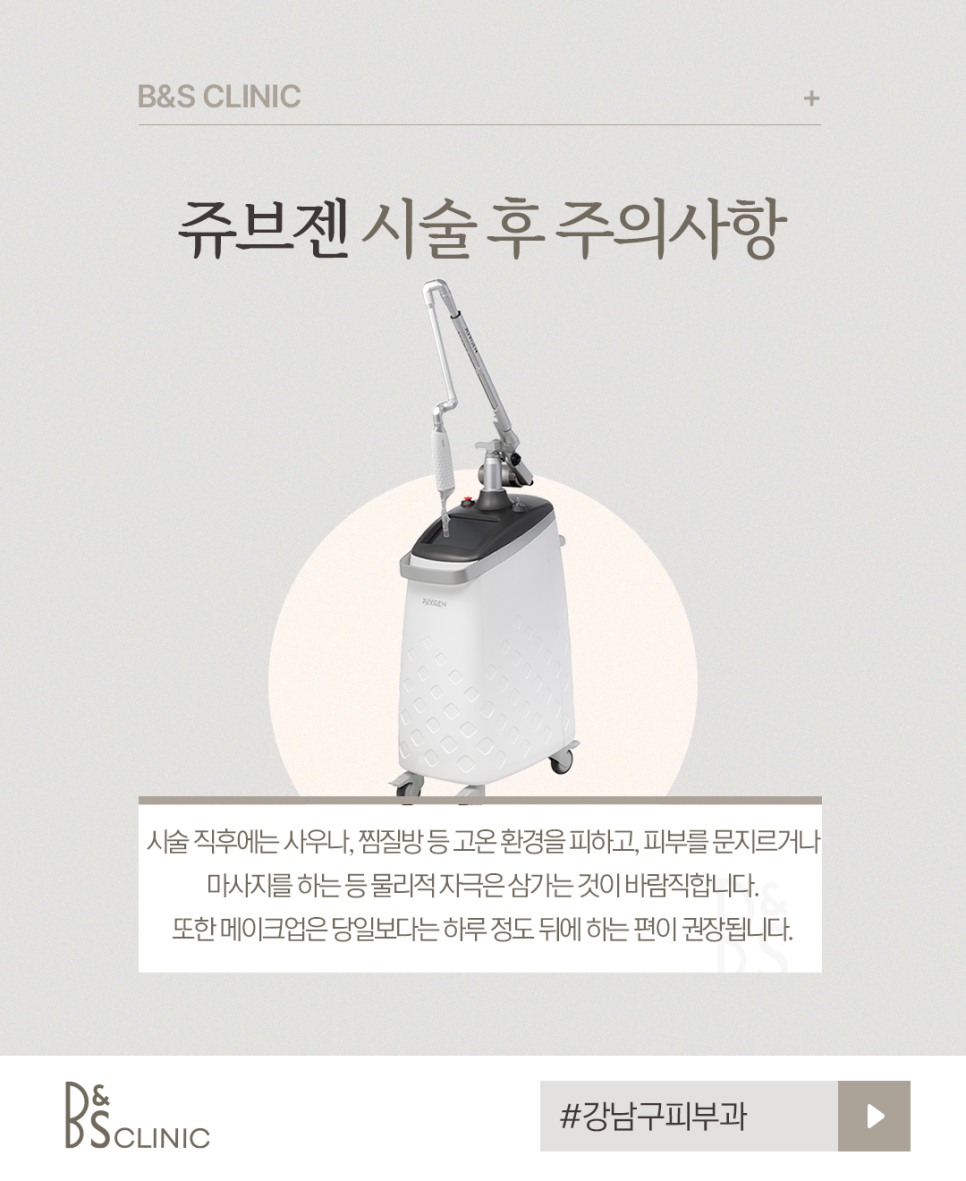
After the Juvgen procedure, the skin may temporarily become red or feel a stinging sensation, and these are reported as reactions that can occur after the stimulation applied during the procedure. In general, there are cases in which this eases within a few days, but the course may differ depending on each person’s skin condition.
Immediately after the procedure, it is advisable to avoid high-temperature environments such as saunas and jjimjilbangs, and to refrain from physical stimulation such as rubbing or massaging the skin. It is also recommended to wait about a day rather than applying makeup on the same day. Because the skin may become more sensitive after the procedure, using sunscreen when going outside may be helpful, and wearing a hat or using a parasol may also be an option.
Juvgen is one of the procedures discussed in consultations related to wrinkle care and skin recovery. However, whether it is suitable and the changes that can be expected will vary depending on each person’s skin condition and goals, so it is necessary to determine whether it is an appropriate method for you through 충분한 consultation with the Gangnam-gu Dermatology Clinic medical staff.