Depressed marks left behind by past acne or wounds do not easily fade even as time passes, and they can make skin texture look uneven, affecting the impression it gives. Many people worry because these marks are not easy to improve with ordinary skin care alone, and they can also be difficult to cover with makeup.
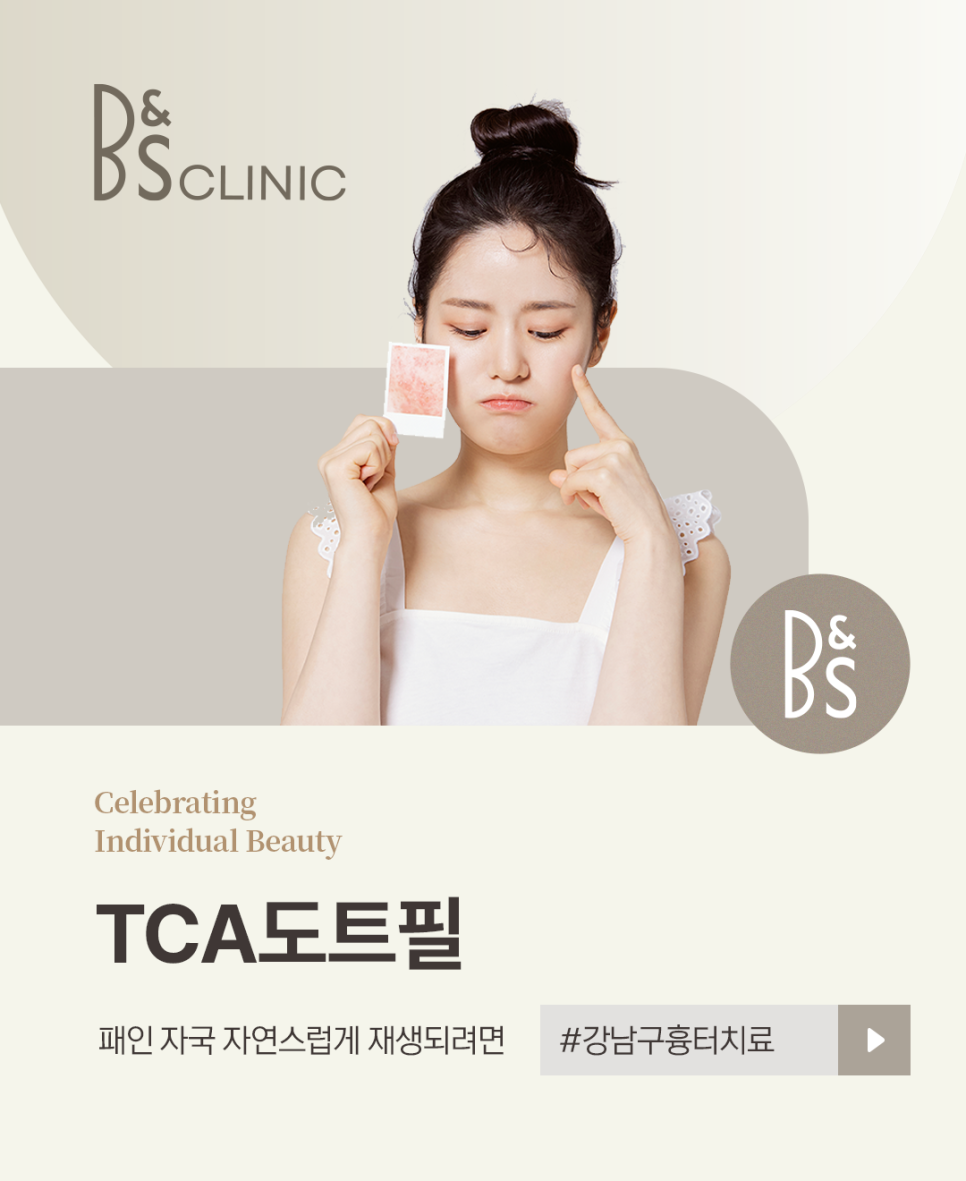
If you are concerned about noticeable depressed scars, you may want to consider various care methods depending on your skin condition. Today, let’s look at Gangnam-gu scar treatment with the TCA dot peel procedure.
The TCA dot peel is also called the “CROSS procedure,” and it is one type of chemical peeling method applied in a localized way to depressed scars or sunken areas of the skin. It is carried out by applying a small amount of high-concentration TCA, a chemical ingredient, in dot form to the depressed area. By applying it locally to specific areas rather than the entire skin, it may help reduce the burden on the surrounding skin.
When TCA is applied, it can stimulate fibroblasts in the skin and bring about changes, and collagen production may occur in this process. Through this process, changes in the skin condition can be expected over time, and it may help manage depressed scar areas.
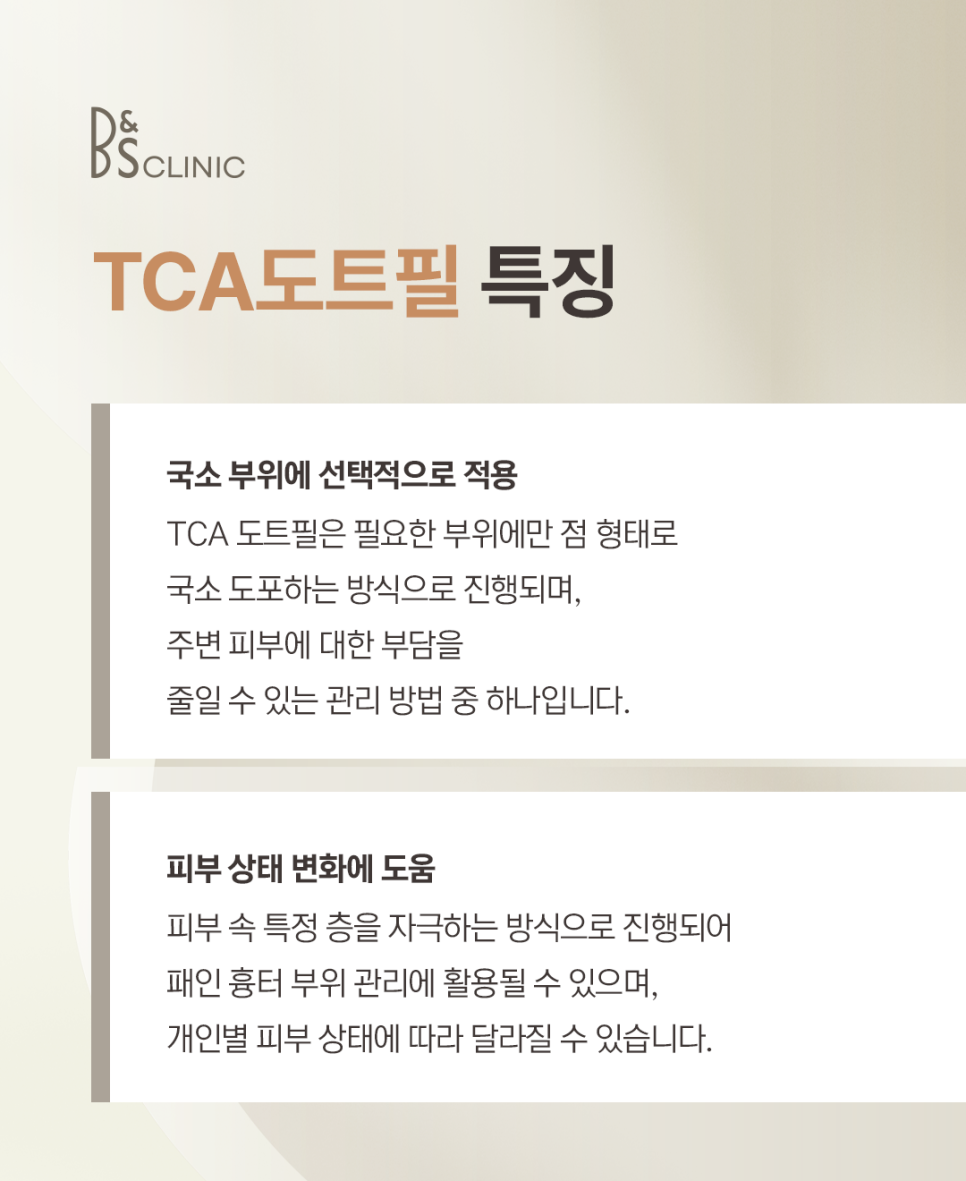
The TCA dot peel is not simply a method for managing the skin surface; it is carried out in a way that induces changes by locally stimulating specific areas inside the skin. Because it uses a strong chemical ingredient, a careful approach is necessary during the procedure, and it is important to apply it only in dot form to the needed areas. If the treatment range is not appropriate or the method is unsuitable, skin irritation or pigment changes may occur, so it is best to determine the right method after sufficient consultation and diagnosis.
Unlike general peeling methods that only care for the epidermis, Gangnam-gu scar treatment is sometimes performed in a way that stimulates the deeper layers of the skin. Through this process, the skin condition may gradually change, which can help manage depressed areas. When various methods are combined for skin texture care, positive changes may also be expected in makeup adherence and skin tone improvement.
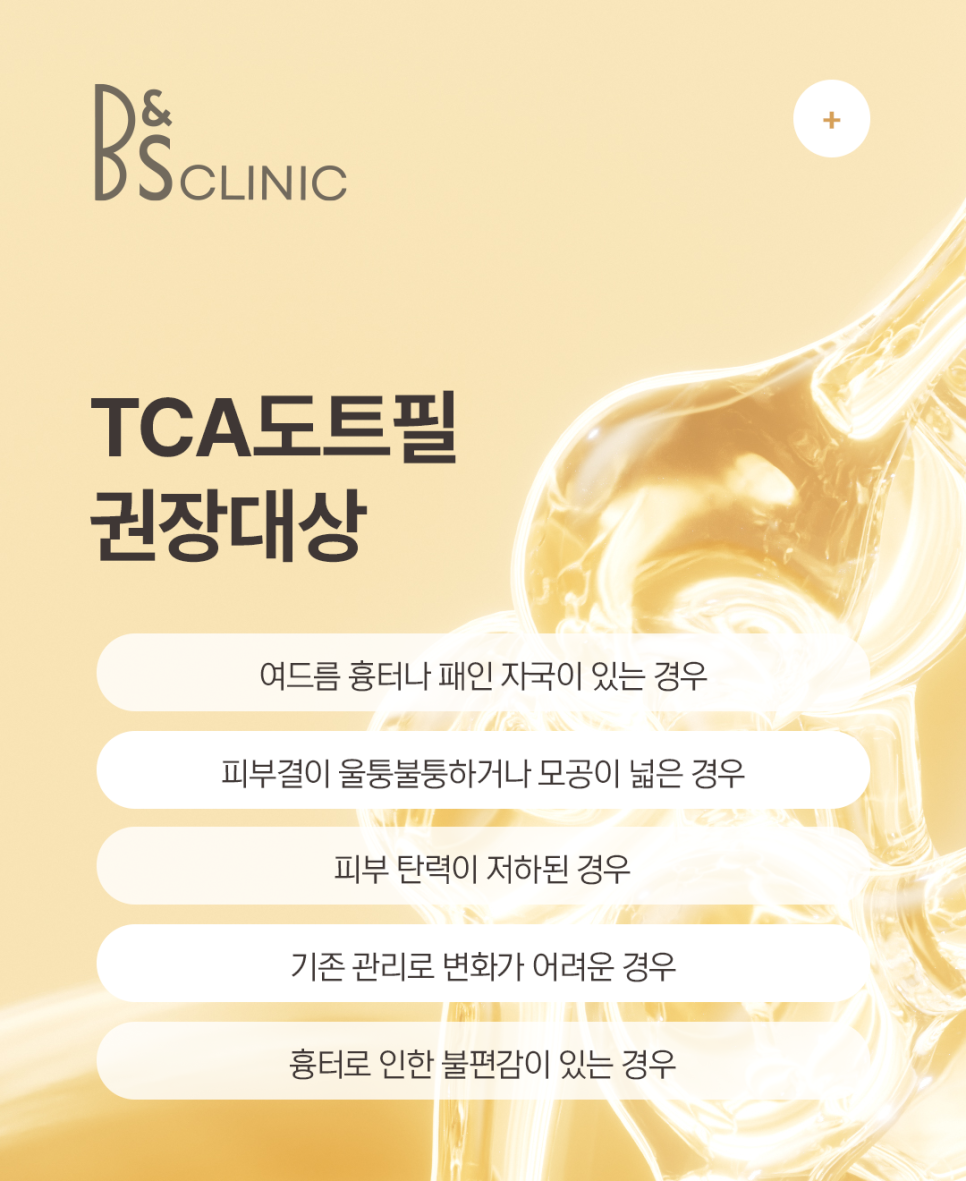
Gangnam-gu scar treatment with the TCA dot peel is known as one method for managing marks that appear in the deeper layers of the skin, such as atrophic scars. If small, deep scars remain due to acne, surface-level care alone has limitations, so it may be helpful to consider a variety of methods together.
It may also be applied to areas where pores appear enlarged or the skin has lost firmness. Reactions after the procedure may vary depending on an individual’s skin condition and age, and changes related to stimulation of cells within the skin may occur. In addition, if you have had difficulty noticing major changes with other care methods or if discomfort caused by scars continues, you can discuss your options with the medical staff.
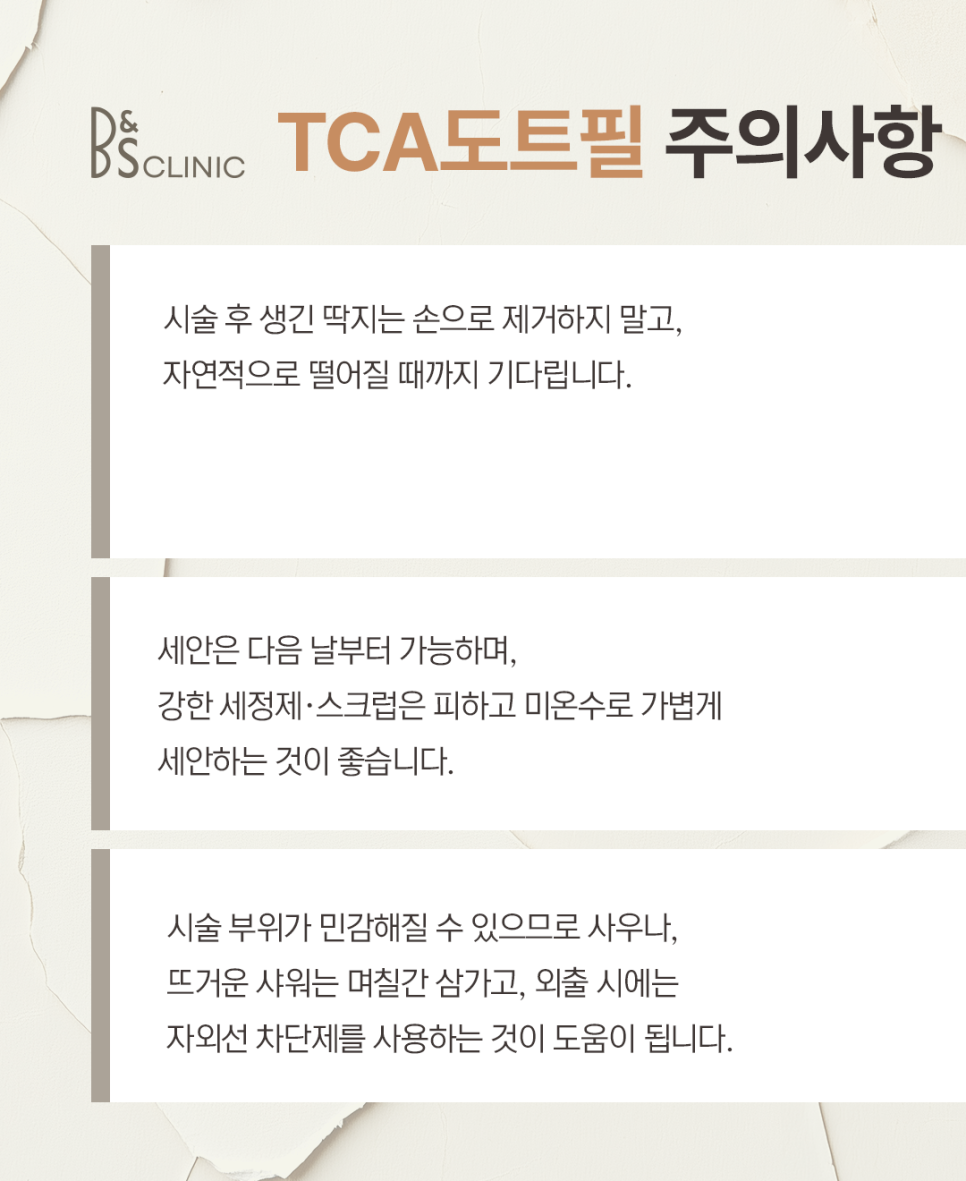
After Gangnam-gu scar treatment, a temporary white crust may form on the skin surface, or a red reaction may appear. In such cases, it is best not to forcibly remove the crust or touch it with your hands, and to wait until it falls off naturally.
You may wash your face starting the next day, but it is recommended to avoid strong cleansers or scrub products and gently cleanse with lukewarm water. Be careful not to let the treated area receive excessive irritation, and it is advisable to avoid overly hot showers or saunas for a few days. Also, because the treated area may become temporarily sensitive, sun exposure may increase the possibility of pigment changes, so using sunscreen when going বাইরে is helpful.
Since the skin condition and recovery speed after the procedure can vary from person to person, it is important to avoid excessive irritation and continue managing the area according to the medical staff’s guidance. When choosing a scar management method, it is advisable to make the decision by considering not only the visible skin condition but also each person’s skin characteristics and the consultation results.