In summer, many people complain of skin problems. Among them, hives and heat rash may look similar at first glance, but their causes and management methods are very different. In particular, in hot and humid environments, the skin can react sensitively, so an appropriate response from the beginning is necessary. In this post, we will look at the differences between hives and heat rash and how to manage them.
Causes of hives and heat rash
Hives are a skin reaction in which sudden red patches appear on the skin along with swelling. Symptoms can occur as histamine is released in the skin due to various causes such as food, medication, pollen, stress, temperature changes, and sweat.
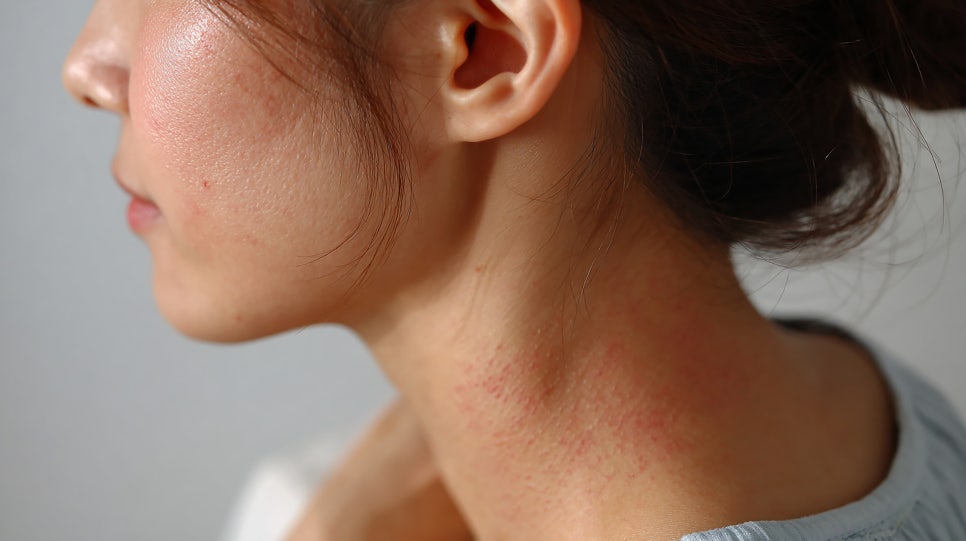
Heat rash, on the other hand, occurs when sweat cannot be smoothly released to the outside of the skin when it is produced in excess and remains trapped inside the skin. When the channels around sweat glands are blocked, sweat becomes trapped in the skin and causes small rashes and inflammatory reactions. Hot and humid weather, tight clothing, and repeated friction on the skin are typical factors that trigger heat rash.
How do the symptoms differ?
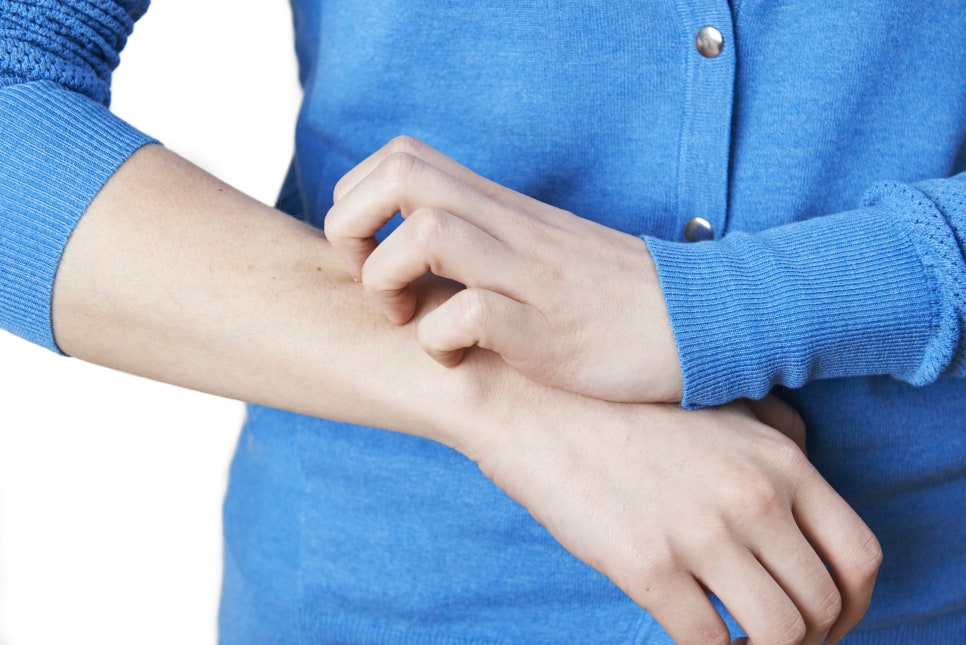
Hives are characterized by welts that rise up in irregular shapes, and red patches with unclear borders may spread widely. They are often accompanied by itching, and the symptoms may appear and disappear suddenly.
Heat rash, on the other hand, appears as clusters of small, pinhead-like red rashes on the skin surface, and is commonly seen in areas where sweating is heavy, such as the neck, armpits, inner elbows, and chest. Rather than itching, it is often accompanied by stinging or a burning sensation, and the symptoms tend to improve when moving to a cooler environment.
How to manage hives and heat rash
Because both hives and heat rash are closely related to environmental factors, lifestyle management is important.
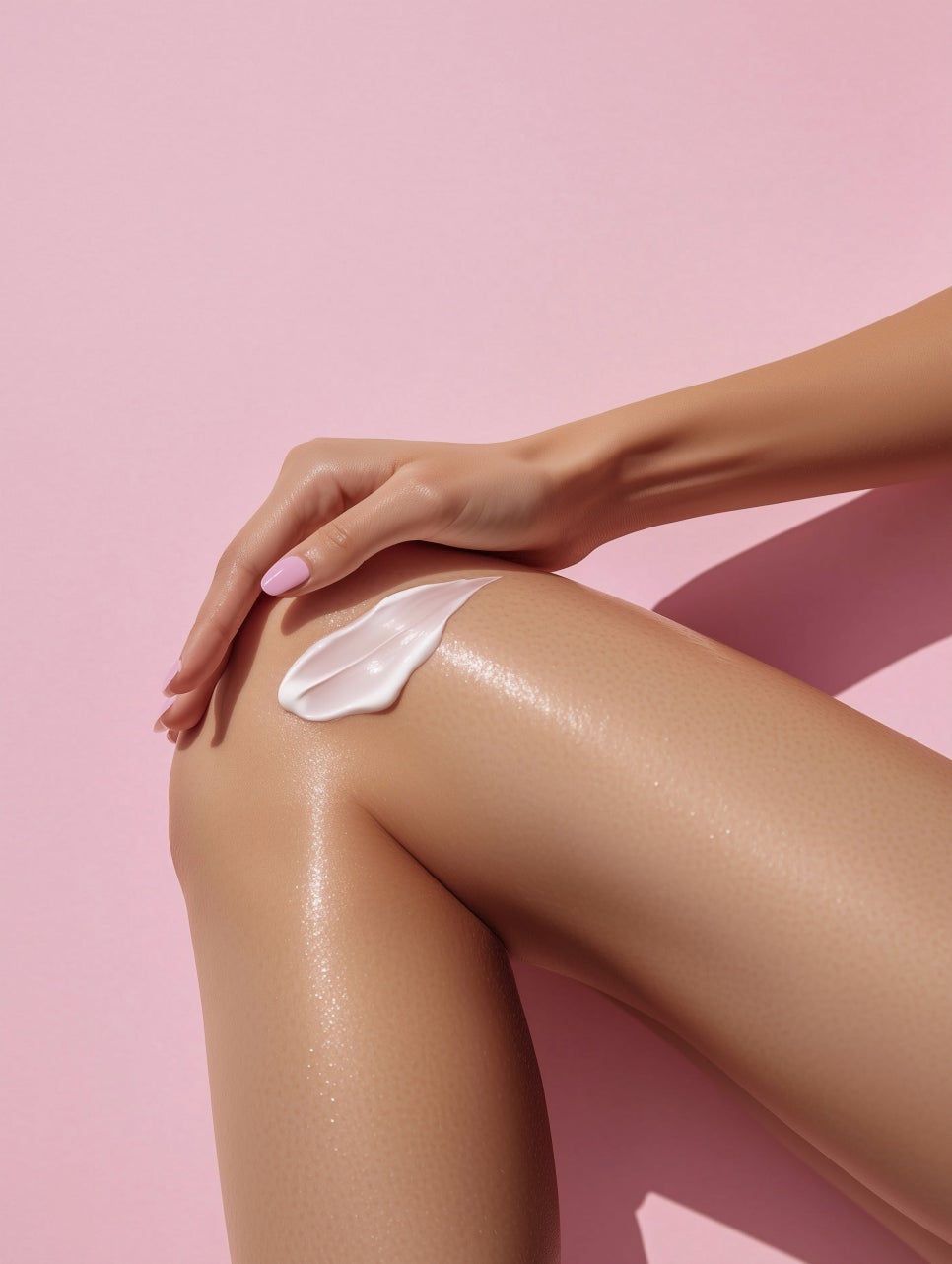
Heat rash management: Wearing breathable clothing, reducing excessive sweating, and keeping the skin clean after showering can help. If necessary, using a moisturizer appropriately can also be helpful.
Hives management: Since the cause is often unknown, the first priority is to reduce environmental factors. If symptoms are severe or recurrent, it is best to visit a medical institution for examination. In particular, whether to use medication may vary depending on each person's cause and condition, so it is safest to decide after consulting a medical professional.

Hives and heat rash that occur in summer are easy to confuse based on appearance alone, so it is important to know the characteristics of the symptoms and respond according to the cause. If it is difficult to tell for yourself whether it is simply skin irritation or a condition accompanied by an immune reaction, it is advisable to seek medical care. Carefully observing your skin condition and practicing proper care methods can help you have a healthy summer.