Understanding the Principles of Juvelook Treatment and Skin Tissue Regeneration Response
Recently, among various skin regeneration treatments, methods that induce structural restoration of tissue have been gaining attention.
At the center of this is the concept of “autologous dermal regeneration,”
which is an approach that draws on the body’s own recovery ability rather than artificially introducing external substances.
In particular, methods that induce collagen production in the skin to restore the volume of depressed tissue are
attracting a great deal of interest in improving scars and wrinkles.
One representative treatment that applies this principle is Juvelook.
This treatment is based on a process that applies a certain degree of stimulation to the skin using an injection device,
and induces a skin response through the injection of specific substances.
Below, we will take a closer look at Juvelook’s structural principles and application methods,
as well as the skin’s response after the procedure.
- Basic Concept and Approach of the Juvelook Procedure
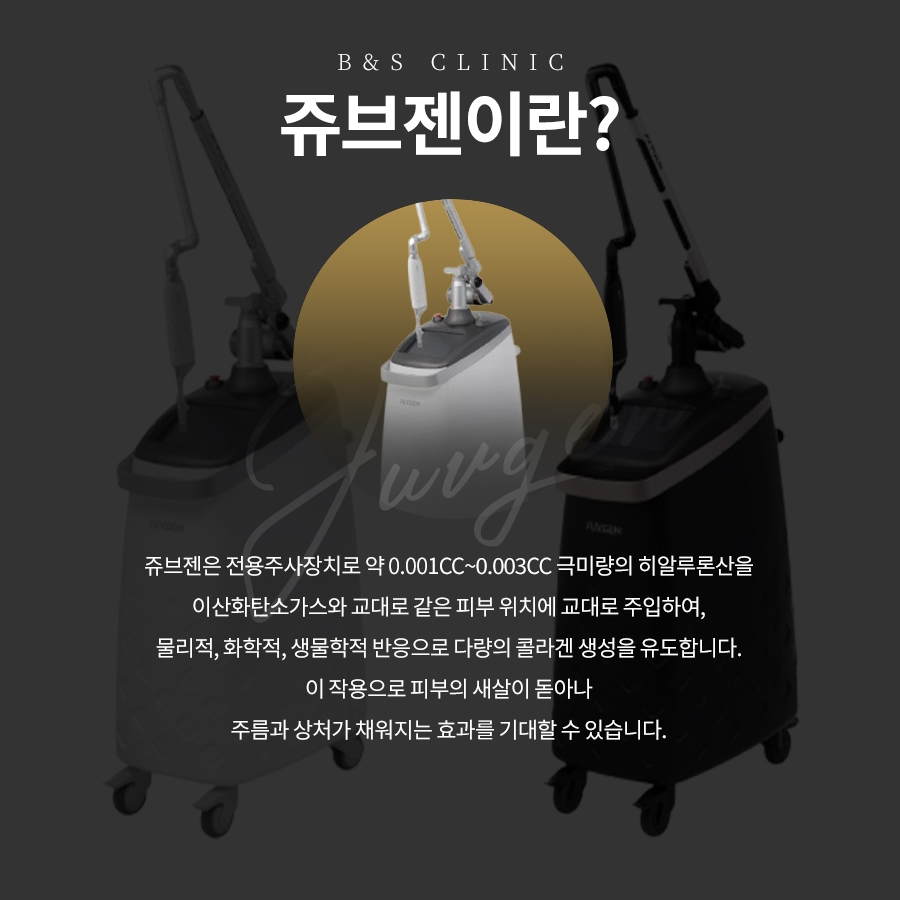
Juvelook is one of the treatment methods used to induce skin regeneration,
and it works by injecting a very small amount of hyaluronic acid into the skin layer using an injection device.
In particular, this process is characterized by the cross-injection of carbon dioxide gas into the same area.
These dual actions induce various physiological responses within the skin.
For example, the injected carbon dioxide causes a temporary state of hypoxia,
which promotes a response aimed at increasing oxygen supply within the tissue.
As a result, blood flow increases, and this in turn raises the metabolic rate of skin cells.
At the same time, hyaluronic acid attracts moisture, creating temporary volume expansion and providing additional physical stimulation.
This combined stimulation increases fibroblast activity and activates collagen production.
Juvelook is not simply about injecting a substance,
but focuses on inducing the body’s physiological response to encourage the recovery of its own tissue.
- The Combined Action of Hyaluronic Acid and Carbon Dioxide Gas
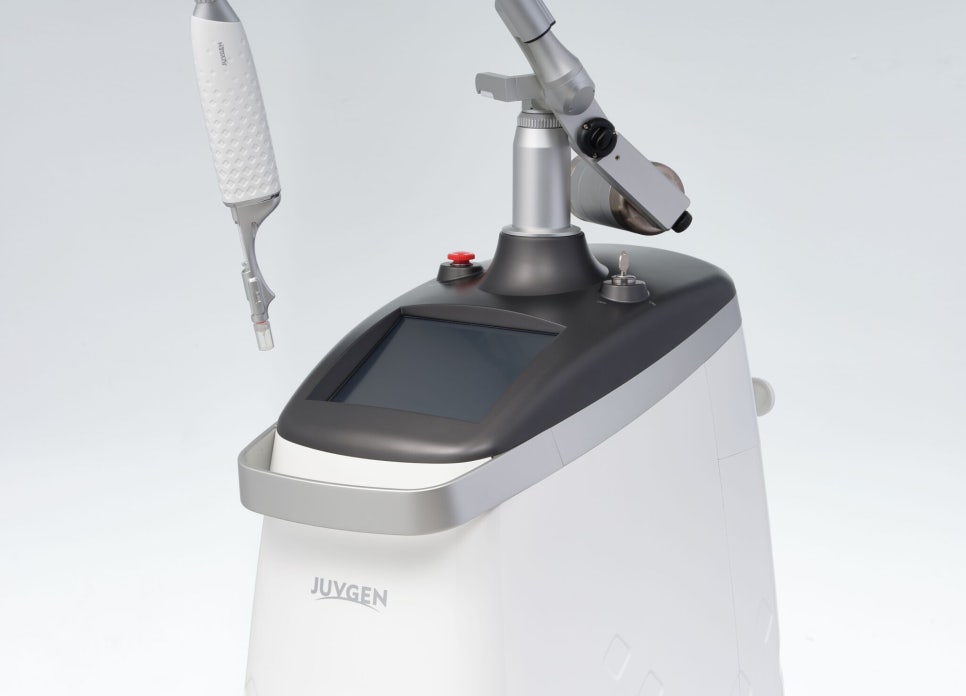
The two key elements used in the Juvelook procedure are hyaluronic acid and carbon dioxide.
Hyaluronic acid is a polysaccharide naturally present in the body and is involved in skin hydration and elasticity maintenance.
When this substance is injected into the skin, it attracts surrounding moisture,
inducing swelling at the injection site and causing a temporary increase in volume.
This creates fine mechanical stimulation inside the skin,
which in turn stimulates fibroblasts and starts collagen formation.
At the same time, carbon dioxide gas temporarily dilates blood vessels and has the effect of increasing oxygen supply.
This helps raise tissue metabolism and promote the speed of cell regeneration.
Juvelook is designed to maximize the skin regeneration response by cross-injecting these two substances at appropriate intervals.
The injection amount and depth are adjusted according to the condition of the skin and the target area, and these are determined based on the pre-procedure diagnosis.
- Changes in Skin Tissue Induced by Juvelook

After a Juvelook procedure, the skin tissue undergoes gradual changes.
Immediately after the procedure, mild swelling or redness at the injection site may appear temporarily,
which is a natural response to stimulation within the tissue.
Over the following 1 to 2 weeks, fibroblast activity in the skin becomes more active and collagen fiber production begins in earnest.
During this process, the density of existing scar tissue or sunken areas gradually increases,
and as volume is restored, the balance of the skin surface becomes more even.
In addition, some improvement in surrounding skin tone may be expected due to the increased blood flow caused by carbon dioxide.
The important point is that these responses occur naturally over time.
Because Juvelook aims to induce internal regeneration rather than rely on external stimulation,
the time at which effects appear can vary from person to person.
- Types of Skin Concerns That Can Be Treated

Juvelook is designed as a method that can be applied to a variety of skin concerns.
It is often used especially for depressed scars, acne scars, and indentations caused by trauma.
In addition, it may also be expected to help areas where skin elasticity has decreased and overall volume has diminished,
as well as areas with wrinkles due to aging.
Unlike mechanical fillers, Juvelook aims for autologous tissue recovery,
so it approaches the problem not by simply filling volume, but by helping the skin recover on its own.
In particular, when the treatment is performed repeatedly on areas with chronically low skin density,
structural improvement may occur gradually.
However, since suitability for treatment can vary depending on factors such as the skin condition of the target area, past medical history, and skin thickness,
sufficient consultation and skin diagnosis before the procedure are essential.
- Procedure Process and Precautions
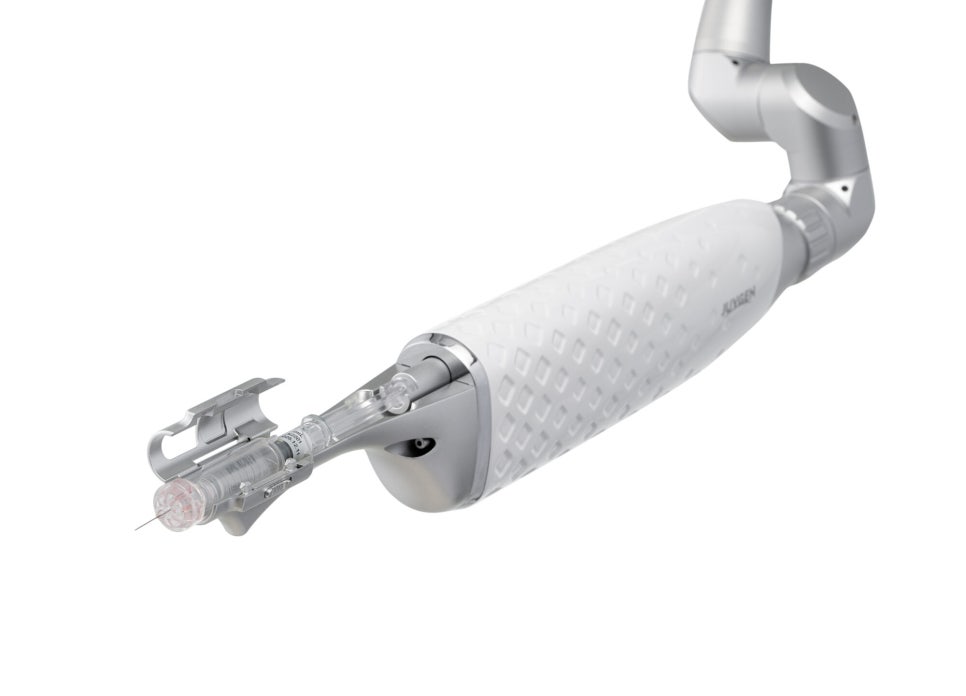
Juvelook usually takes about 15 to 30 minutes,
and the preparation before the procedure includes skin cleansing and the application of anesthetic cream.
The syringe used during the procedure is equipment designed to inject medication
at a consistent depth and pressure,
and the outcome may be influenced by the practitioner’s level of skill.
After the procedure, washing the face, exposure to ultraviolet rays, and activities that cause heavy sweating should be avoided for a certain period,
and redness or mild bruising at the treatment area will usually subside naturally within a few days.
Post-procedure care is especially important to reduce the risk of external infection or skin damage.
Although a response is often observed after just one treatment, additional sessions may be considered depending on the skin condition or the extent of improvement needed.
In some cases, if a sensitive reaction occurs, the procedure may be stopped or adjusted to another approach based on the expert’s judgment,
and it is necessary to recognize that individual differences do exist.
Juvelook is a stimulation-based method that induces structural recovery of the skin,
with its focus placed on using internal responses rather than external filling.
Understanding the principles of the procedure and the mechanism of skin tissue response accurately
helps foster a realistic view of the expected effects,
and also has a positive impact on post-procedure care.
Only under certain conditions can repeated stimulation contribute to improvements in tissue density and volume,
and its applicability to various types of skin concerns is being considered.