Juvelook autologous dermal regeneration is one of the skin procedures that many people have recently become interested in for improving wrinkles, scars, and similar concerns.
The reason this procedure is attracting attention is that it does not simply change what is visible on the surface, but induces fundamental changes in the skin.
This makes it unique in that, rather than looking only at temporary results, it helps the skin bring about changes on its own so that it can become healthier and more elastic over the long term.
Of course, to achieve such appealing effects, it is necessary to carefully consider the stimulation the skin may receive during the procedure and the reactions that may follow.
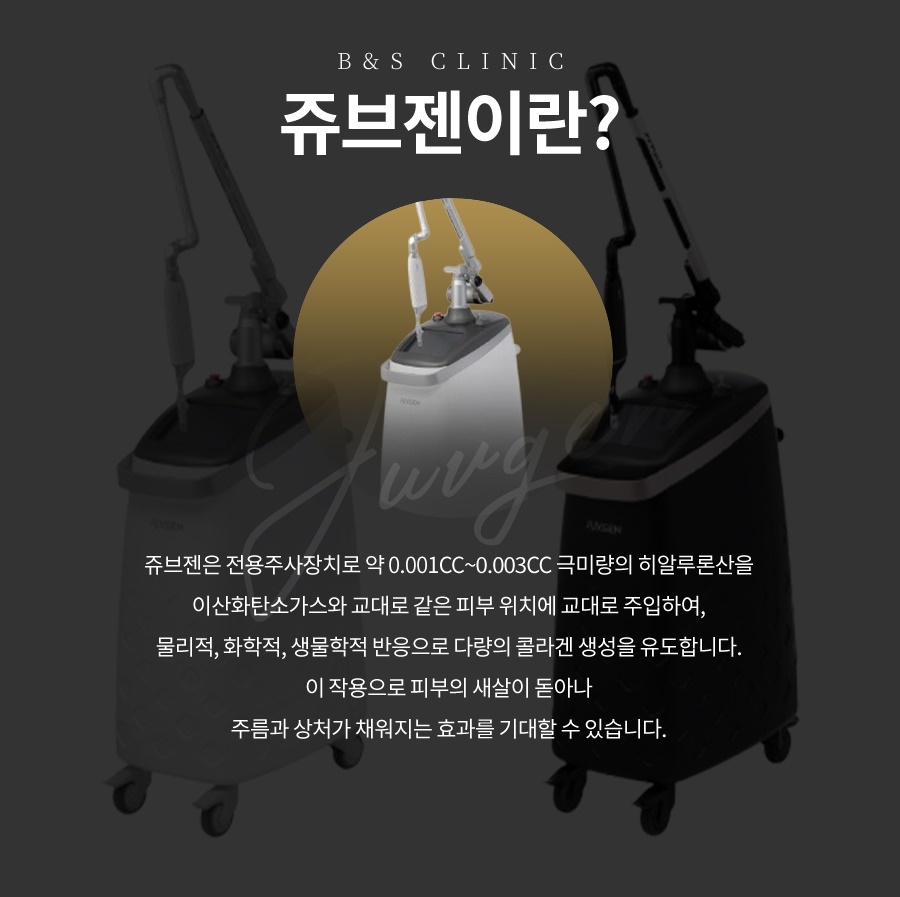
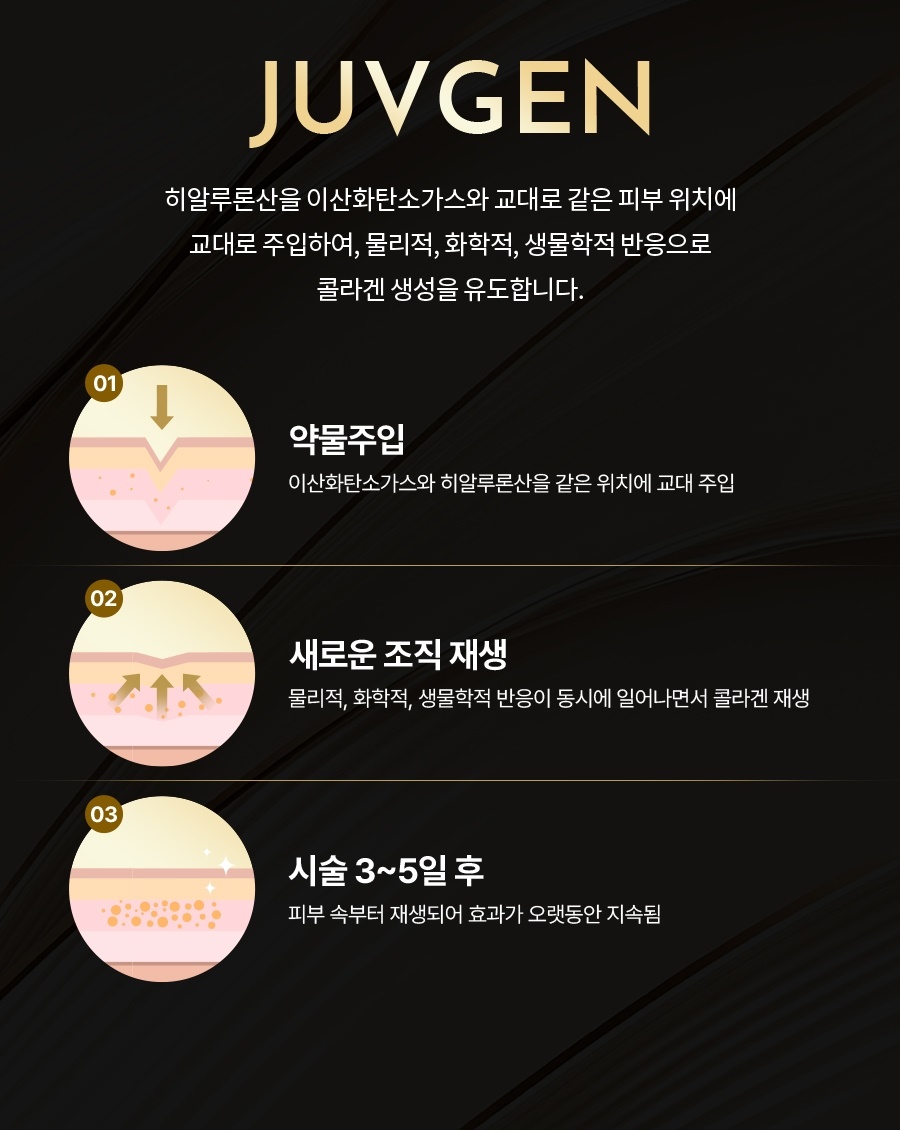
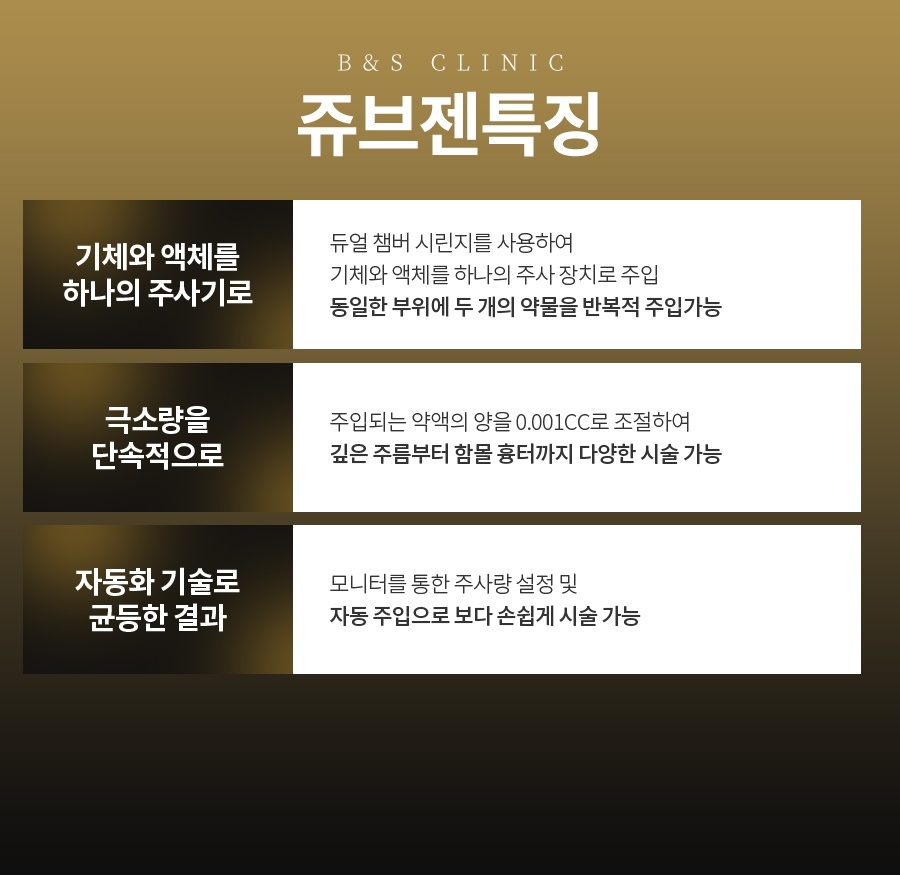
In particular, the procedure is performed by injecting carbon dioxide and hyaluronic acid into the dermal layer at the same time, creating a combined stimulus.
Because this process induces various physiological changes in the skin, it is important to understand and accept these changes accurately.

After receiving Juvelook autologous dermal regeneration, possible side effects may include localized swelling or redness, which can be seen as a natural response to the procedure.
Sometimes the skin may also feel firm, and while these reactions are generally part of the natural recovery process, appropriate measures may be needed if symptoms persist for a long time or worsen.
Therefore, it is important to thoroughly check the skin condition before the procedure, and care during the early recovery period is especially important.
Strong UV exposure and high-temperature environments can irritate the skin, so it is best to avoid them after the procedure, especially.
This is because when the skin is in a sensitive state, exposure to such external factors can increase the reaction.
To maximize the reviews and effects of Juvelook autologous dermal regeneration and minimize side effects, post-procedure lifestyle management is extremely important, and daily activities should be adjusted carefully.
For example, avoiding strong stimulation immediately after the procedure and maintaining healthy habits such as adequate hydration can positively affect skin recovery.
The effects of the procedure usually appear gradually over time rather than immediately after treatment, so it is better to expect steady, ongoing change rather than instant results.
Also, attempting repeated procedures in rapid succession can place a burden on the skin, so this should be kept in mind.
During the skin recovery process after the procedure, lifestyle habits such as avoiding strong irritation and drinking enough water can greatly help skin recovery.
The effects of Juvelook tend to appear gradually over time rather than immediately after the procedure, so it is advisable to expect slow and steady change.
This helps make use of the skin’s natural recovery ability.
In addition, since this is a procedure with significant individual variation, each person’s skin condition and response can differ, so recovery time and the pattern of change may also vary.
Therefore, it is most important to listen to the medical staff’s advice, regularly check the skin condition, and thoroughly manage and prevent side effects.
Rather than expecting skin improvement from the procedure alone, it is necessary to focus on systematic and careful management and prevention.
In particular, those with sensitive skin need to approach it even more cautiously.
Before the procedure, it is advisable to share your skin characteristics and lifestyle habits with the medical staff during consultation and to receive the procedure with a customized plan suited to them.
This suggests that because each person’s skin condition and response can differ, a customized plan may be even more effective.
When approached in this way, more satisfying results can be achieved not simply through the procedure itself, but when management is combined with lifestyle improvements, and not only the Juvelook procedure but also overall lifestyle care helps promote skin health.
In particular, lack of sleep, stress, and irregular eating habits can reduce the skin’s recovery ability, so caution is needed.

To understand how skin stimulated by hyaluronic acid and carbon dioxide changes over the long term, continuous observation and management are needed.
Because the Juvelook procedure itself is intended to bring about long-term skin changes, it is necessary to manage it continuously with patience rather than expecting major changes overnight.
The interval between procedures is also an important factor.
When considering repeat treatment, sufficient recovery time should be allowed so the skin is not burdened.
This is because carefully observing the body’s response and taking appropriate measures accordingly helps maintain long-term skin health.
In particular, when repeated procedures are necessary, the key is to respect the time and process of natural healing.

In the end, Juvelook autologous dermal regeneration is not simply a skin procedure; only when overall health and change are pursued in everyday life can satisfying, lasting changes be expected.
Skin reactions can vary depending on time and situation, and it is important to respond actively and flexibly to these changes.
Satisfying results can be achieved through the harmony of consistent lifestyle care and the procedure, so it is a good idea to thoroughly prepare lifestyle changes and management plans before and after treatment.
Such preparation and practice can play an important role in improving the outcome of the procedure.
This suggests that readiness and follow-through can influence the effectiveness of the treatment, and it is also an opportunity to reaffirm that continuous care and observation are essential for long-term results.
I hope for positive changes after your procedure! Thank you for reading this long post today!