Nasolabial Folds: Why Improvement Is Needed
Hello. For those interested in skin health and image management, today I’d like to talk a little more deeply about “nasolabial folds.” Nasolabial folds are not simply an issue of a single wrinkle line; they are a factor that shapes the overall impression of the face. Because they become more pronounced when smiling or speaking, they affect first impressions and can also make someone look older than they actually are. As a result, there are quite a few people who grow more concerned every time they look in the mirror.
Especially during periods when skin elasticity decreases, nasolabial folds can gradually become more fixed and make facial expressions look stiff. They form through a combination of reduced collagen and elastin in the skin, repeated facial expressions, and exposure to ultraviolet rays. Therefore, an approach that considers the skin’s structure itself, rather than simply filling the surface, is important. The JUVGEN approach to improving nasolabial folds has recently drawn attention in this context and is being mentioned as one option for those hoping for a more natural-looking change.
In addition, lack of sleep and rapid weight changes can also worsen nasolabial folds. This is because facial fat redistributes and the skin’s supporting ligaments weaken at the same time, making the folds more noticeable. Therefore, it is necessary to approach this not only from a cosmetic perspective but also as part of overall skin condition management. The JUVGEN method places meaning on improving the skin environment itself by considering these complex causes.

JUVGEN: The Science of Natural Skin Recovery
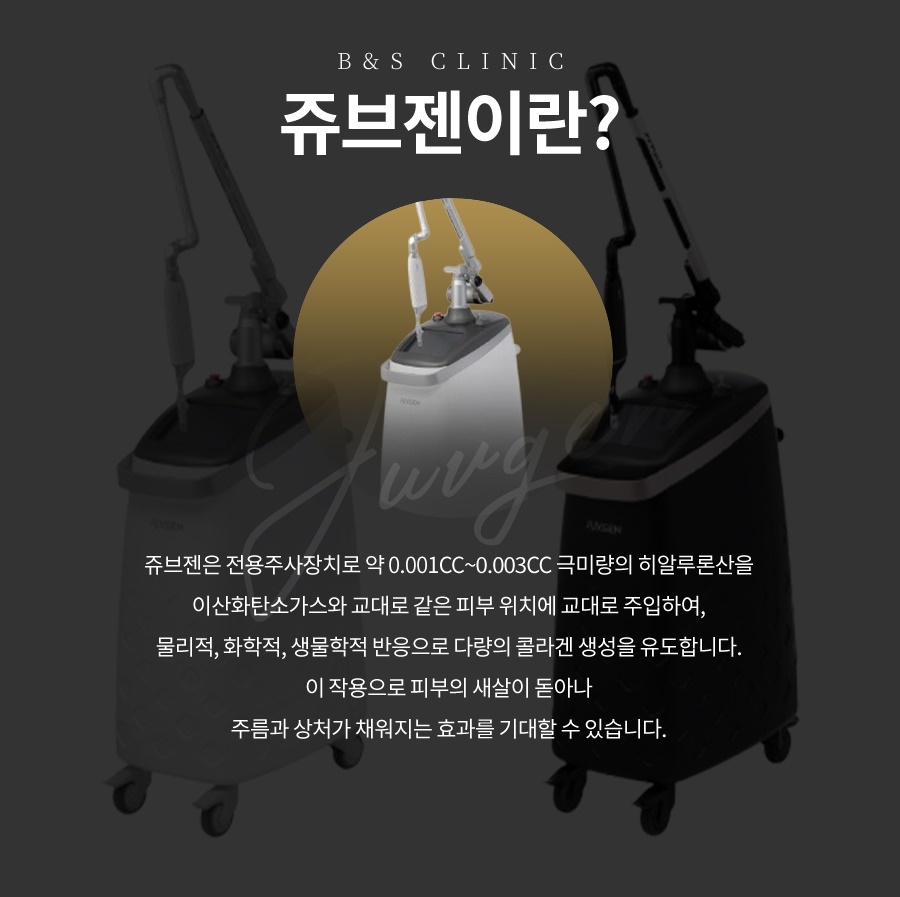
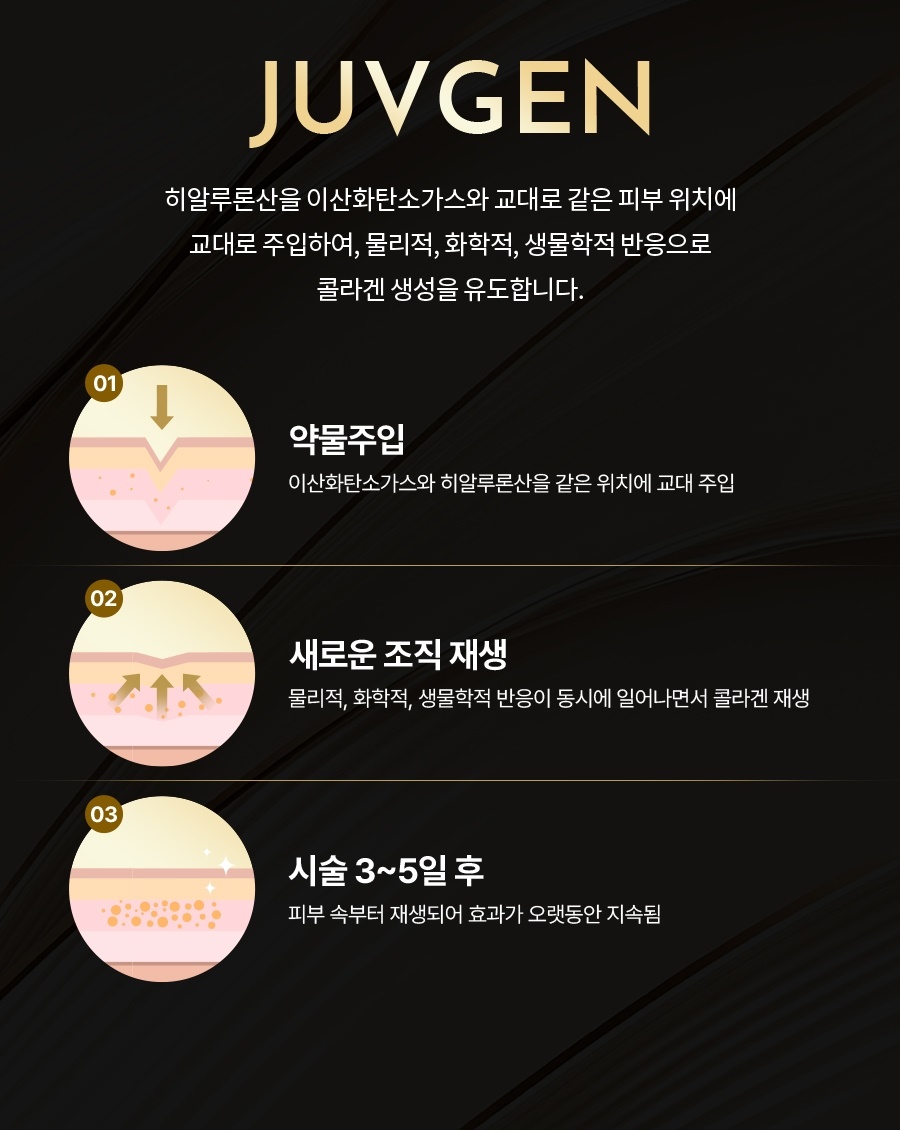
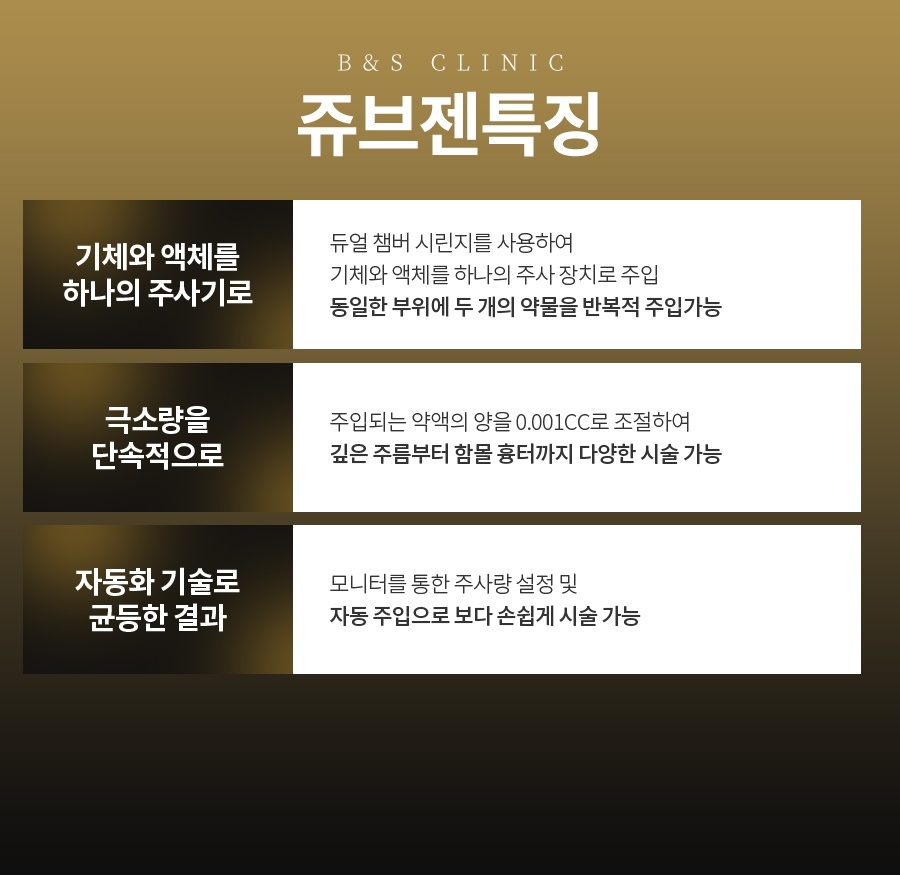
JUVGEN is a method corresponding to autologous dermal regeneration, and its characteristic is that it induces the skin to form tissue on its own. While conventional injection-based methods focus on creating immediate volume, JUVGEN aims to stimulate the skin environment and promote collagen production. This can be described as an approach that expects gradual changes over time.
During the procedure, hyaluronic acid and fine CO2 gas are used to stimulate the dermis. This stimulation helps fibroblast activity and induces collagen reformation. The reason nasolabial folds become deeper is that the skin’s supporting structure weakens, and the JUVGEN nasolabial fold method is designed to compensate for this structural decline. Rather than short-term change, it aims for gradually increasing volume and improved skin texture, focusing on maintaining a natural appearance.
In addition, because the depth and interval of the procedure are adjusted according to skin thickness and condition, an individualized plan is important. If it is performed at regular intervals while considering the skin’s regeneration cycle, better changes can be expected. When a person’s age, lifestyle habits, and prior procedure history are comprehensively reflected, the direction of the JUVGEN procedure becomes even clearer. It is important to proceed after analyzing the skin condition through sufficient consultation.
Recently, as the preference for natural-looking changes has spread, more people are seeking gradual improvement rather than sudden volume changes. In this trend, the JUVGEN procedure is attracting attention as a regeneration-focused approach.
 JUVGEN vs. Filler: Differences and Features
Fillers are widely known as a method that immediately creates volume and softens wrinkles. In contrast, the JUVGEN approach to nasolabial folds focuses on improving the skin’s internal environment. The biggest difference is that it does not fill with external substances, but instead seeks gradual change by inducing tissue reformation.
● Natural change process
The JUVGEN procedure shows a pattern in which volume gradually increases over time. It is characterized by reducing an overly noticeable appearance and causing less awkwardness with facial expressions.
● Difference in duration
Fillers are absorbed by the body after a certain period of time, but a regeneration-inducing method supports elasticity while the produced collagen remains. Of course, there are differences depending on individual lifestyle habits and the speed of aging.
● Expected improvement in skin texture
More people are considering the JUVGEN nasolabial fold procedure because it is not limited to simply filling in sunken areas, but can also be expected to improve skin texture and elasticity.
As such, the two methods have different approaches, so it is advisable to decide after consultation based on the current skin condition and the direction of change you want. In addition, since each procedure has clear advantages and disadvantages, rather than simply comparing them, one should comprehensively consider personal goals, schedule, and maintenance plan. The JUVGEN method is mentioned as a suitable option when natural-looking change is preferred.
JUVGEN Procedure Process and Recovery Time
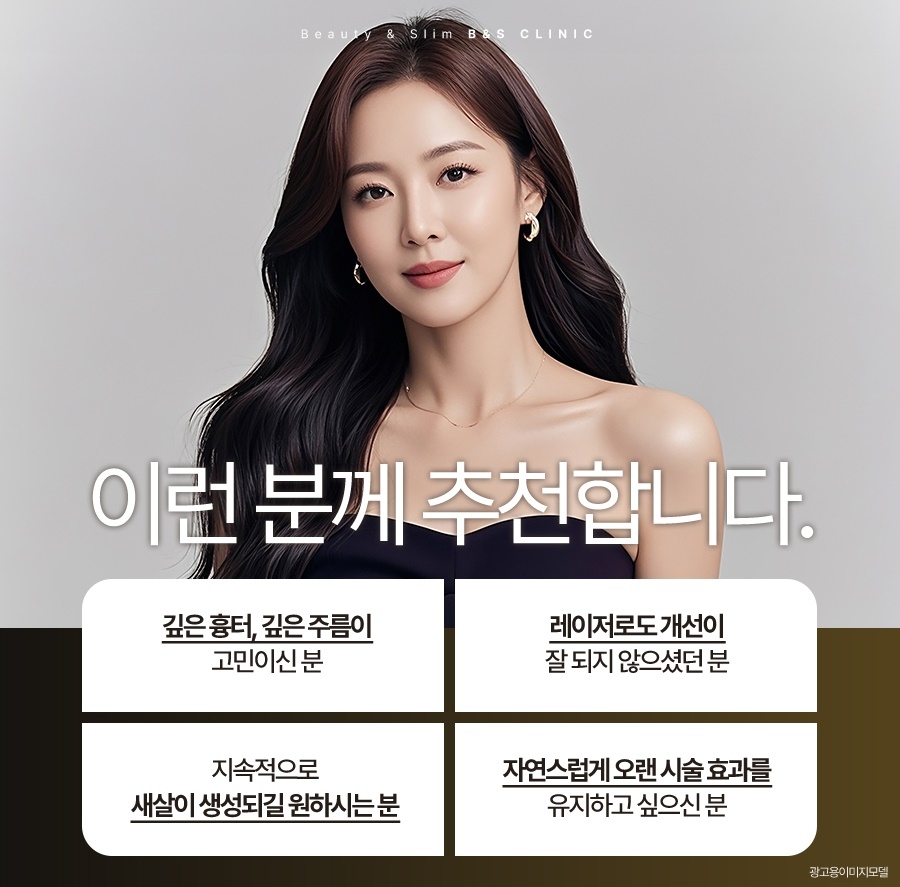
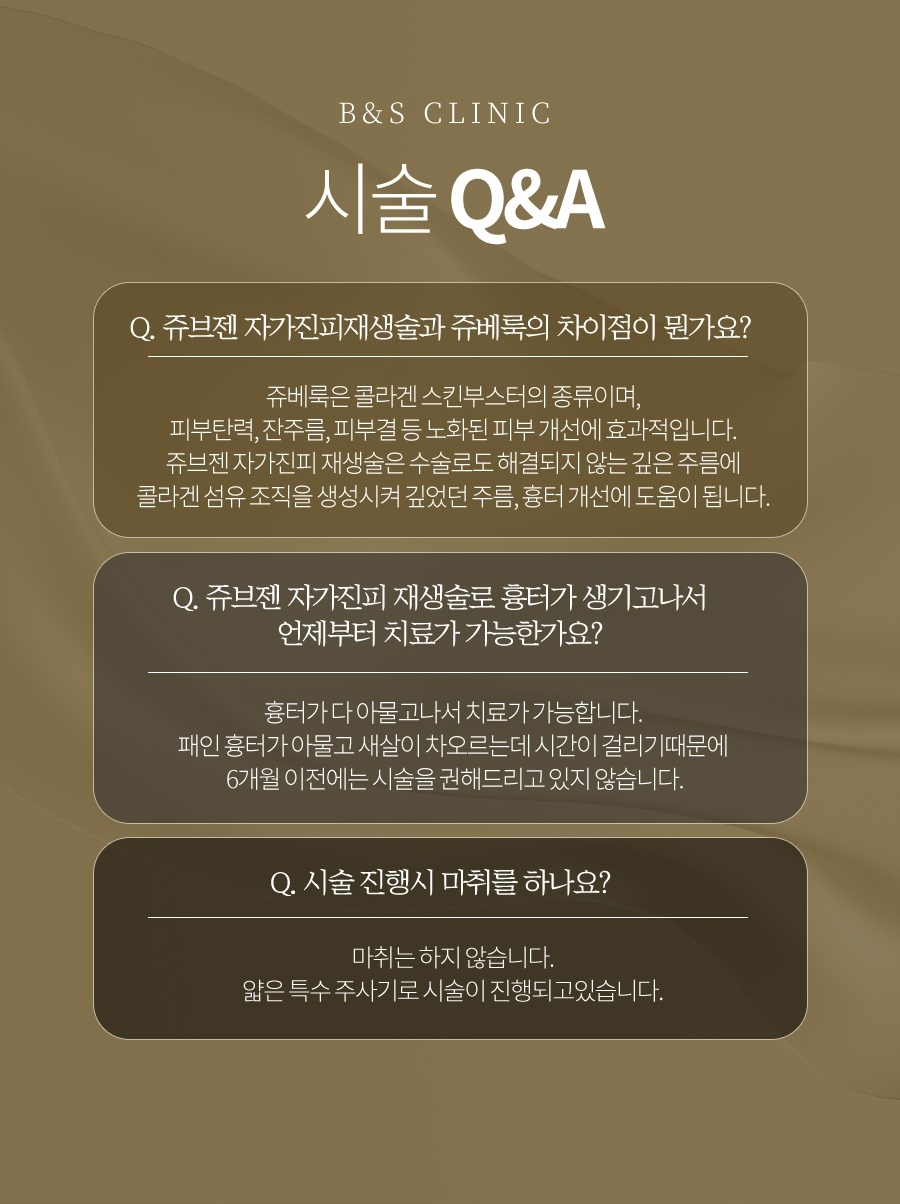
The JUVGEN nasolabial fold procedure takes roughly 20 to 30 minutes. Before the procedure, a numbing cream is applied to reduce discomfort, and depending on the individual, slight stinging may be felt. Immediately after the procedure, redness or minor swelling may appear at the injection site, but this usually subsides within a few days.
For deep wrinkles, one session may not be enough, so it may be performed about 3 to 5 times at regular intervals. This is a plan that takes the skin’s regeneration cycle into account, aiming to induce gradual change while avoiding excessive stimulation.
Returning to daily life is relatively quick, but there are individual differences. If you have an important event coming up, it is better to allow at least about one week. It is also recommended to avoid rubbing or pressing the treated area excessively. In addition, it is advisable to refrain from saunas, intense exercise, alcohol, and similar activities for a certain period after the procedure. When such care is followed, the progress after the JUVGEN procedure can be observed more stably.
 Aftercare and Returning to Daily Life
After a JUVGEN nasolabial fold procedure, lifestyle habits that help recovery are important. Adequate water intake helps maintain skin condition, and a balanced diet also has a positive effect on collagen synthesis. In particular, foods rich in vitamin C may contribute to maintaining skin elasticity.
Using sunscreen is essential. This is because ultraviolet rays promote photoaging and can interfere with the regeneration process. In addition, alcohol and smoking can affect skin recovery speed, so it is better to refrain from them for a certain period.
Moisturizing care is also important. Dry environments can weaken the skin barrier, so it is advisable to use enough moisturizer to keep the skin condition stable. In addition, regular sleep and stress management also affect the skin regeneration process. Small changes in everyday habits can play a positive role in maintaining skin condition after the JUVGEN procedure.
Additionally, it is better to avoid skin-irritating peels or strong massage for a certain period. Until the regeneration process stabilizes, it is helpful to focus on gentle care.
 Expected Changes After the Procedure and Considerations
People who have experienced the JUVGEN nasolabial fold procedure sometimes describe their skin as feeling softer, and they also say that the lines that used to deepen when smiling have become gentler. This can be interpreted as a structural change resulting from collagen reformation. However, there are differences in how strongly this is felt depending on the individual’s skin condition and degree of aging.
The important thing is to understand it as one step in skin improvement rather than having excessive expectations. Since wrinkles do not arise from a single factor, it is good to manage lifestyle habits in parallel. For those who want gradual change, the JUVGEN method can be one option.
Also, before deciding whether to undergo the procedure, it is necessary to have sufficient consultation to comprehensively check one’s skin thickness, elasticity, and prior procedure experience. Since the results of the JUVGEN approach can vary depending on the individual plan, it is advisable to establish a long-term management plan.
Above all, it is important to objectively understand your own skin condition and set realistic expectations. When consistent care and lifestyle improvements are carried out together, more satisfying changes can be expected.