
Scars left on the skin are a continuing concern for many people.
While they tend to fade naturally over time,
especially scars caused by acne or torn wounds,
deeply depressed scars do not disappear easily
and often leave their traces on the skin for a long time.
These scars create an uneven skin surface
that is not smooth in appearance, making people feel self-conscious in social interactions and everyday activities,
and at times they can also affect self-esteem.
They can be especially troublesome when applying makeup.
This is because makeup products do not apply evenly over uneven skin,
and the scars can stand out even more depending on how light is reflected.
Efforts to improve these kinds of scars
have developed in various ways over a long period of time.
Representative examples include treatments that刺激 the skin surface
and induce the formation of new tissue.
For example, laser procedures and chemical peels
help damaged skin recover by using the body's self-healing mechanisms.
However, such methods
generally involve direct stimulation of the skin,
and often cause redness during recovery
or lead to discomfort.
In particular, people with sensitive skin or thin skin
need to consider these treatment processes more carefully.

Current Gangnam scar treatment
is moving away from methods that only address the surface
and is developing in a direction that also considers the skin's internal structure.
Recently, treatment methods that take into account
the deeper layers where scars have formed
have been drawing attention.
The skin is supported by the dermal layer, in which structural proteins called collagen and elastin are intertwined,
and areas with severe scars show weakened or broken connections,
leading to reduced tissue density.
For this reason, there have been arguments that treatment methods
which help regenerate the inner tissue of scarred areas are needed.
As an example of an approach that makes use of the skin's regenerative ability,
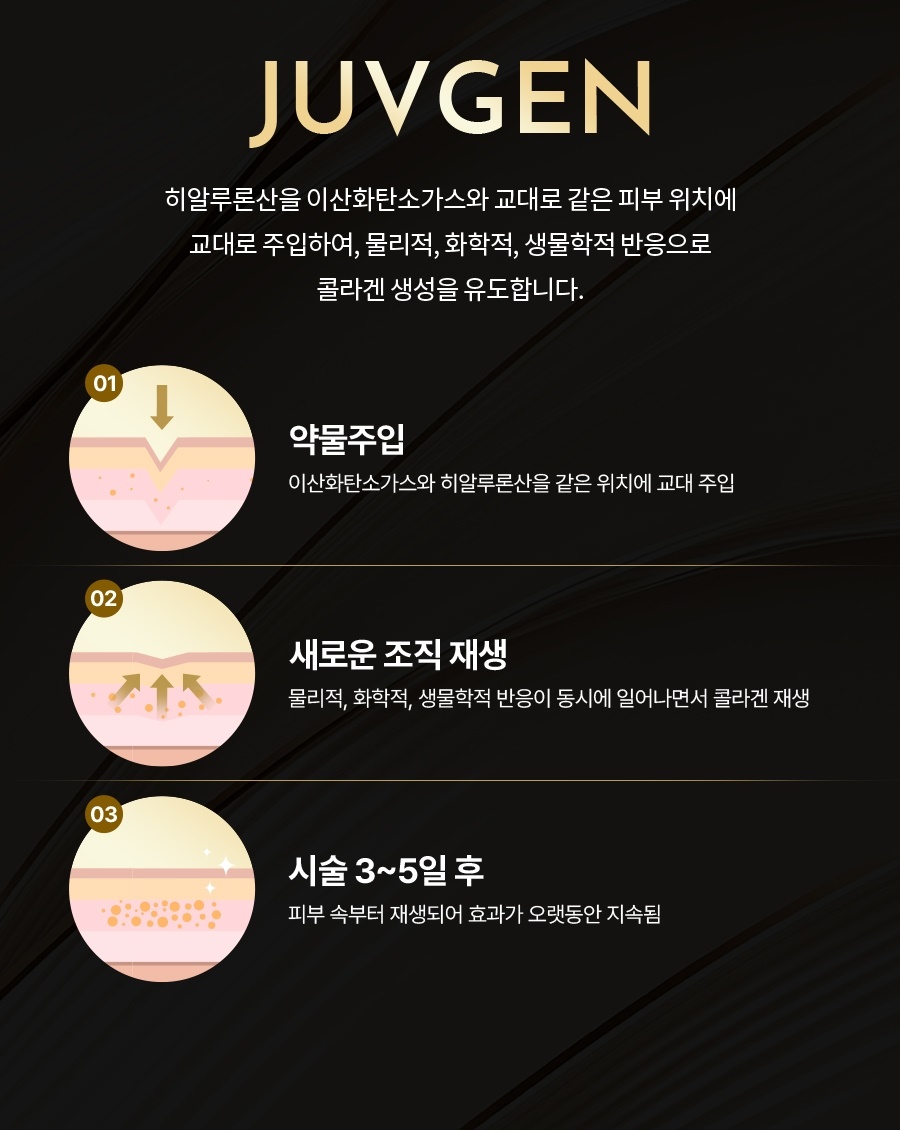
one can point to the microinjection of certain substances deep into the skin.
This can subtly stimulate cellular activity
and, over time, induce collagen production,
with the potential to restore skin volume.
With this approach, changes in the skin
do not appear all at once in an extreme way,
but rather act gradually toward restoring tissue density.
In the case of depressed marks caused by acne,
this treatment principle is especially important.
In these cases, not only surface-level issues
but also defects in the deeper layers of the skin are likely,
so dense tissue restoration through microinjection is needed.
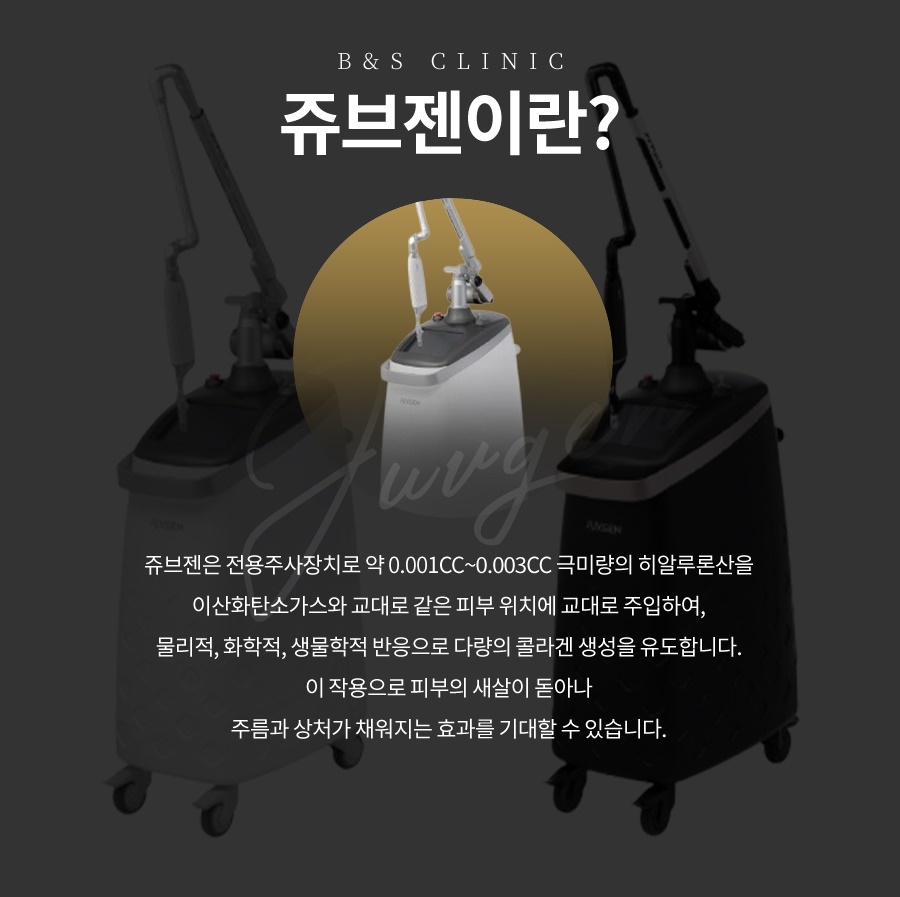
In practice, this kind of treatment
appears to restore the skin's density and elasticity over time
by enabling active cell activity through the skin's natural regenerative power.
However, because this recovery process
does not show short-term changes,
consistent care and patience are essential.
Since the stimulated skin needs considerable time
to form new tissue and stabilize,
an understanding attitude and calm management are required.
As time passes,
if the depressed areas of the skin are gradually filled in
and the height difference from the surrounding skin is reduced,
the unevenness of the skin surface may also improve.
Gangnam scar treatment values these natural changes.
Because skin is not independent
but instead an integrated structure, if changes in a specific area occur too abruptly,
there is a risk of problems arising in the overall balance.
Therefore, the deep layers of the skin should be gradually reconstructed
to produce natural and harmonious results in the long term.
One of the advantages of Gangnam scar treatment
is that it can be managed without placing a major burden on daily life.
This makes it possible to maintain everyday activities
while also providing an opportunity to monitor the skin condition carefully.
Because skin has the characteristic of reacting sensitively to the external environment,
adequate rest, hydration,
and proper sun protection are essential basic lifestyle habits.
If these factors are managed in balance,
it will help maintain healthy skin.
Ultimately, the key point that must be addressed in Gangnam scar treatment
is that it should not stop at simply removing visible scars.
What is more important is creating a healthy environment
that allows the skin to recover on its own.
The goal should be to gradually fill in the deeper layers of the scar
so that they harmonize with the surrounding natural elements.
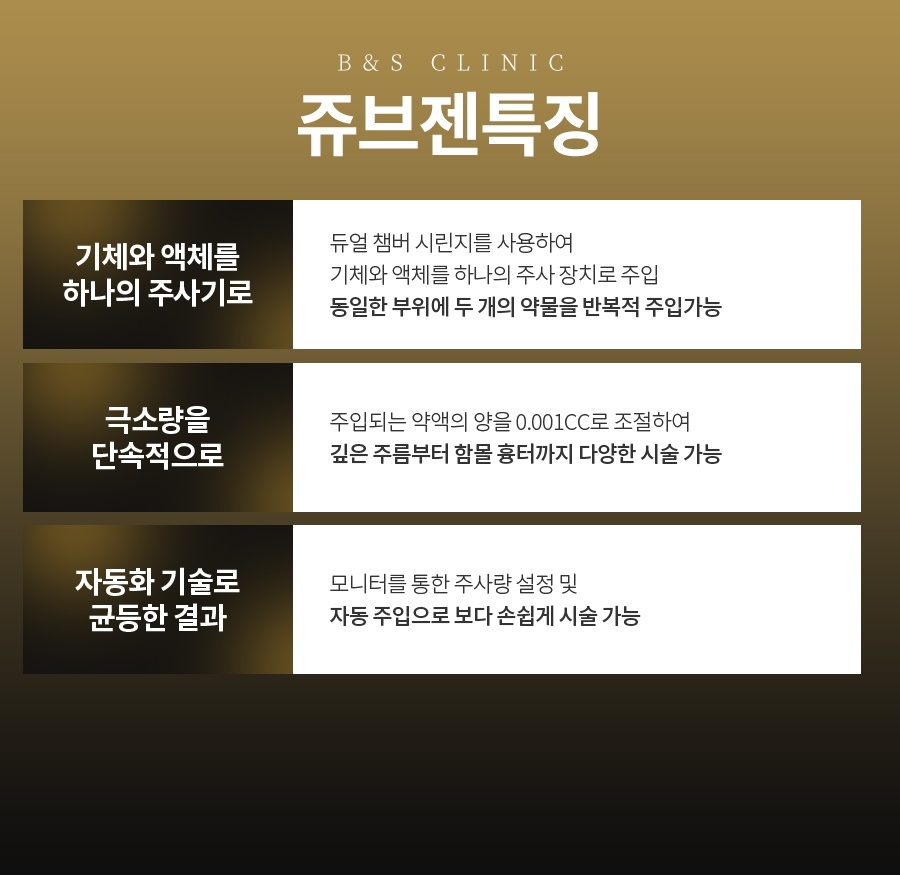
An important point in scar treatment is that
changes appear over time,
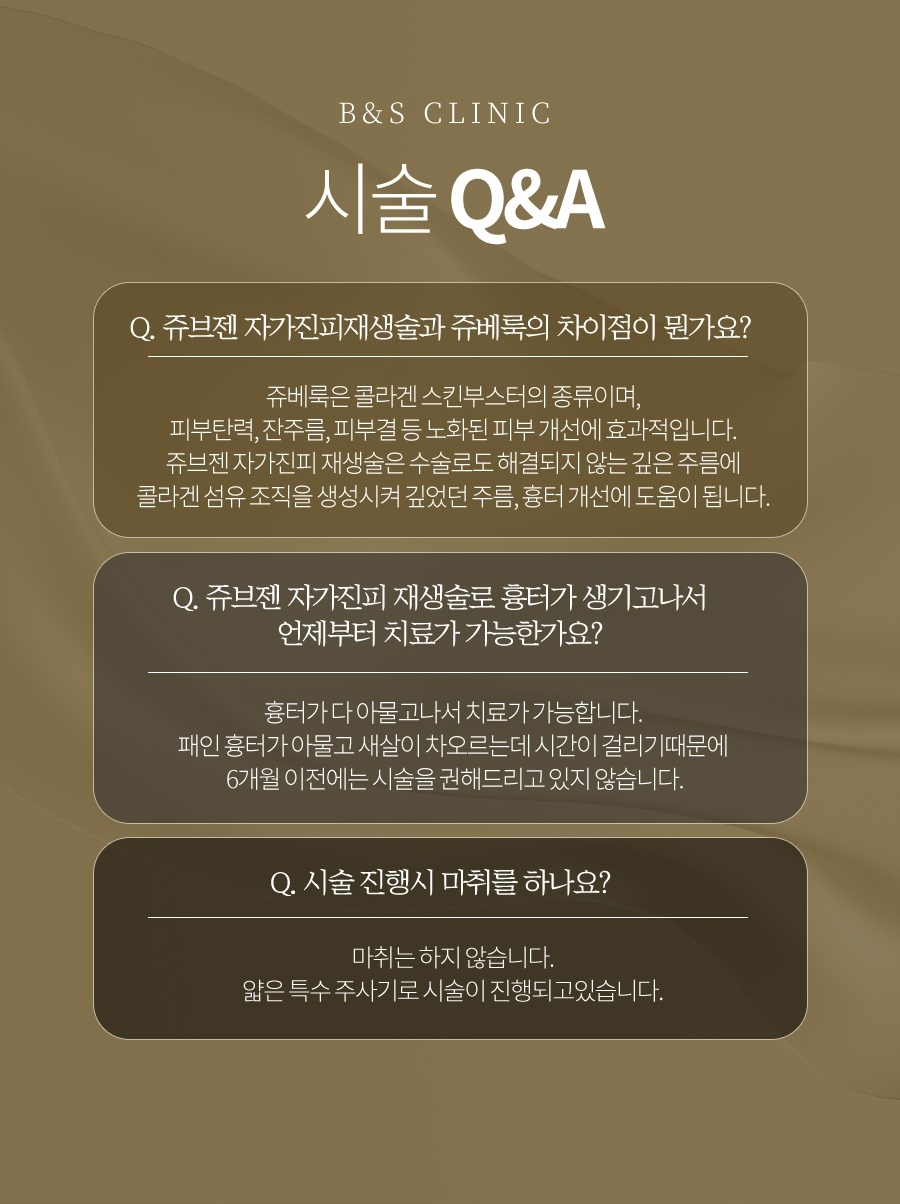
so the skin condition should be checked periodically
and appropriate treatment continued.
This approach does not simply pursue short-term changes in appearance,
but aims to maintain skin stability
and preserve healthier, more balanced skin
over the long term.
To support this, making positive changes to overall lifestyle habits
— including personalized meal plans,
stress management, and regular exercise —
can also make a big difference.
Certain foods or nutrients may help skin regeneration,
and lifestyle patterns that reduce stress
may have a positive effect on skin recovery.
Based on this, it is important to minimize the psychological
and physical effects that scars can cause.
By combining step-by-step planning with timely treatment,
modern Gangnam scar treatment can become an important management method
not only for changes in the skin,
but also for improving overall quality of life.










Previous image
Next image