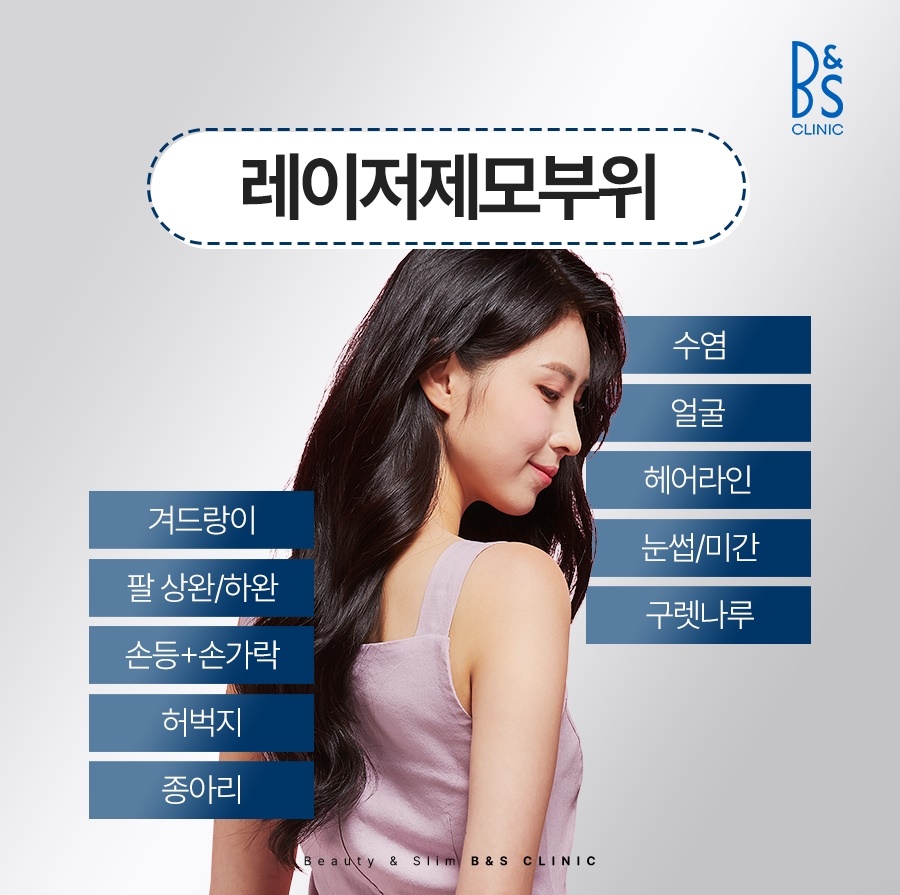
In modern society, many people considering hair removal at a Samseong-dong dermatology clinic are concerned not only about the amount of hair but also about the shadow visible on the skin’s surface. In particular, fine hairs growing along the jawline, philtrum, or cheeks can make the face look dull regardless of skin tone.
For these reasons, many people consider hair removal in hopes of achieving smoother, more even-looking skin, an effect that can be especially noticeable when applying makeup. Fine hairs can cause makeup products such as foundation or cushion makeup to clump along the direction of hair growth. Under bright lighting, these fine hairs may also stand out, leaving the overall makeup look less than satisfactory.

The purpose of hair removal is not limited to cosmetic reasons. In various areas of the body, particularly the armpits, neck, and area beneath the chin where clothing collars or skin frequently come into contact, growing hair can lead to a buildup of minor irritation.
The rough sensation after shaving can cause repeated friction, and hair that grows inward into the skin may also trigger irritation. Because of this irritation, more people have recently been considering hair removal not only for cosmetic purposes but also as a way to reduce discomfort in daily life. This is also frequently discussed in relation to men’s beard care.
Many people shave in the morning to maintain a neat appearance, but as the day goes on, their beard may grow quickly, leaving a bluish shadow on the face and creating the inconvenience of having to shave again in the afternoon. During this process, skin irritation and the inconvenience of ongoing care continue to increase interest in hair removal at a Samseong-dong dermatology clinic.

Shaving is certainly a convenient way to manage hair, but it also carries a high possibility of causing irritation to accumulate on the skin’s surface. Repeated contact between a razor and the skin may cause redness or stinging, while regrowing hair may feel coarse and add to the discomfort. Particularly in areas with thick, dense hair such as the beard, hair can curl inward as it grows and may lead to symptoms of folliculitis. For this reason, laser hair removal has attracted attention as a possible solution to these issues.
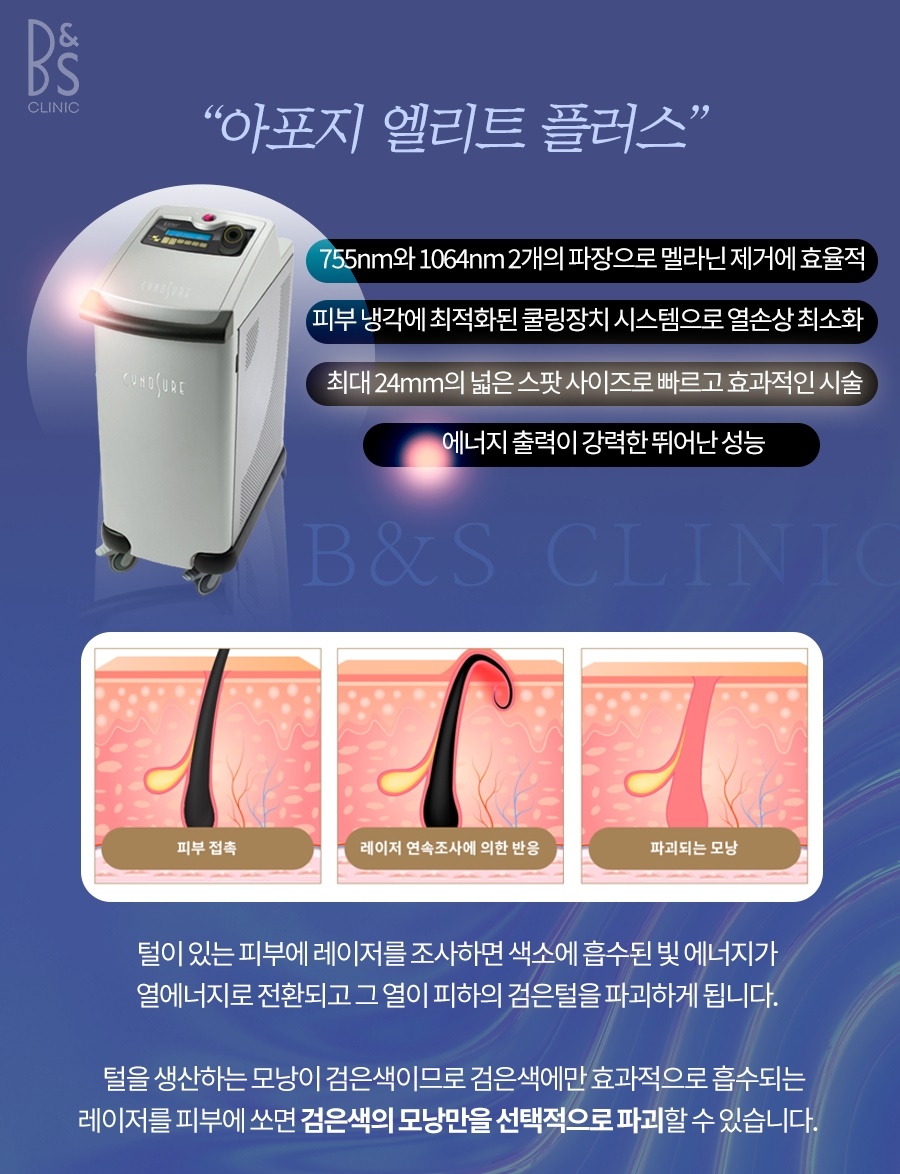
Laser hair removal at a Samseong-dong dermatology clinic works by using laser energy that is selectively absorbed by melanin, the dark pigment in hair. When the laser is applied, the energy is delivered toward the hair follicles deep beneath the hair, potentially directly affecting the environment in which the hair grows.
Rather than strongly stimulating the entire skin surface, this approach creates a heat response primarily around the areas where hair grows, thereby reducing the burden on the skin. Accordingly, laser hair removal requires an approach that carefully takes skin type and hair characteristics into account.
Recently, laser hair removal devices used at Samseong-dong dermatology clinics have been designed to use two different wavelengths, each of which affects different skin and hair characteristics. The 755 nm wavelength is suitable for thin hair or light skin, while the 1064 nm wavelength is appropriate for thick, deeply rooted hair located deeper in the skin.
By selecting a wavelength suited to localized conditions, it is possible to establish a different approach for each individual and provide more effective hair removal. This emphasizes that laser hair removal requires a detailed approach that takes into account differences in skin thickness and hair distribution by treatment area.
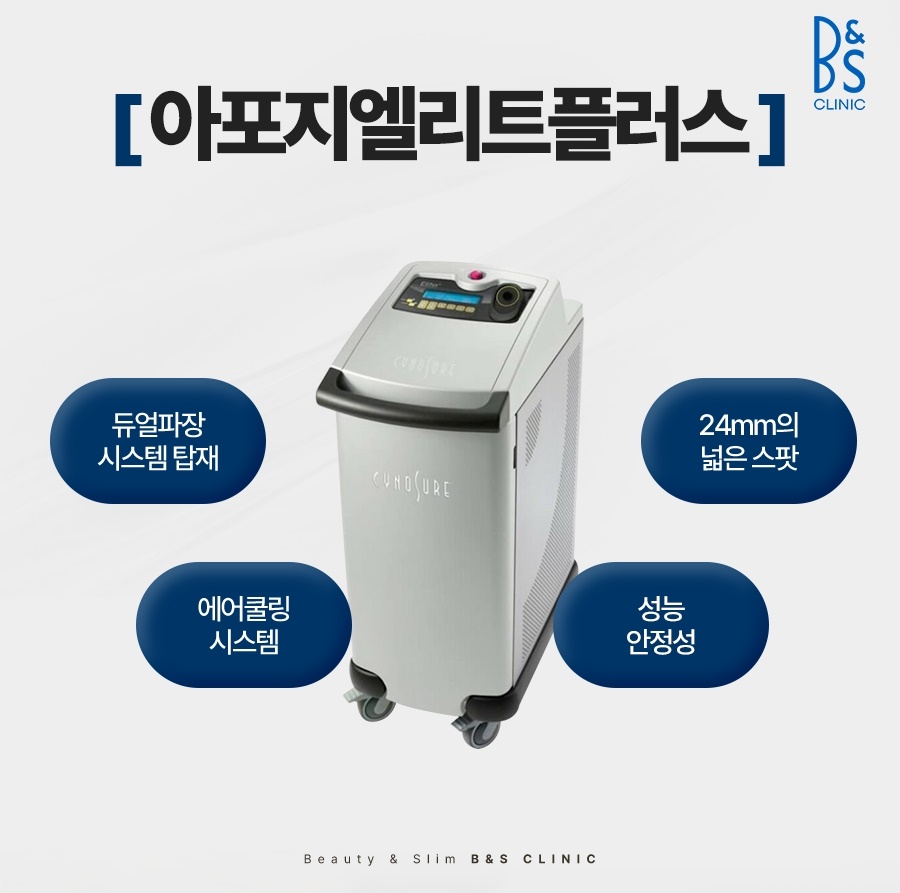
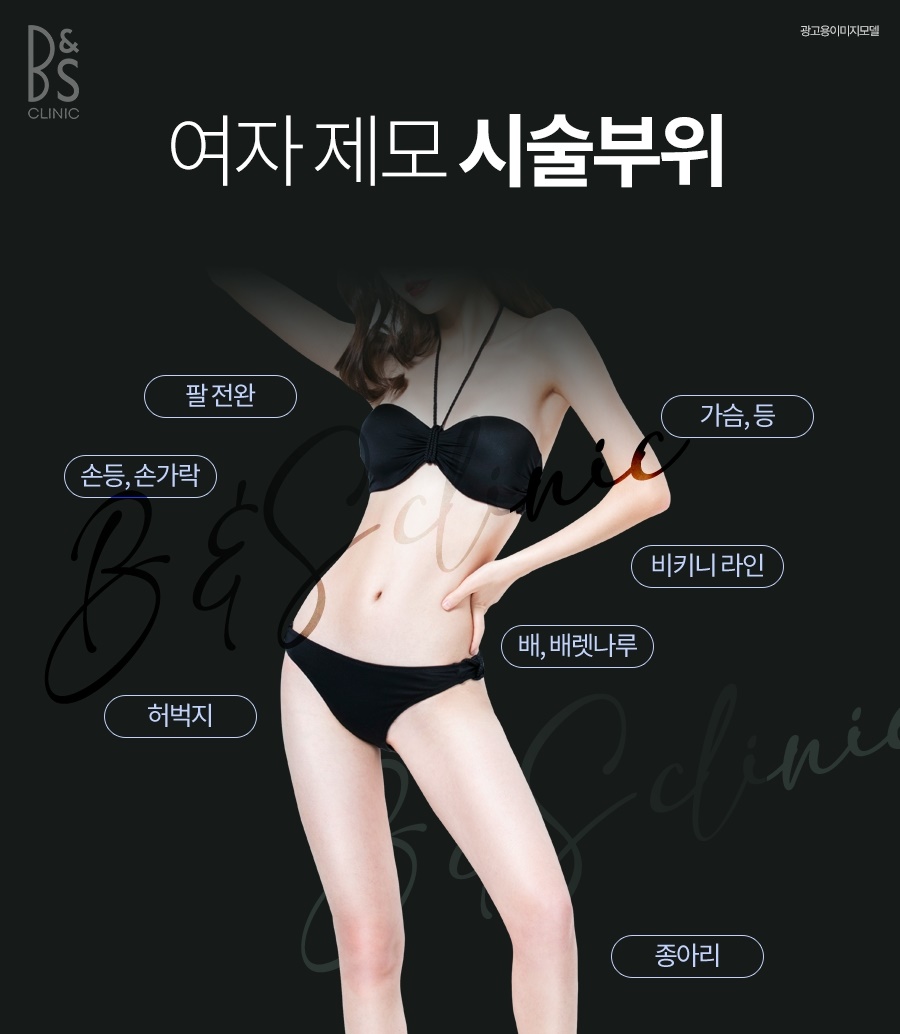
Another major advantage of laser hair removal at a Samseong-dong dermatology clinic is that the treatment range can be adjusted precisely. For example, large areas such as the calves or arms can be treated using a wider setting, whereas narrow areas such as the philtrum or fingers require a more precise approach. This suggests the importance of focused care tailored to each area.
In addition, a cooling system can be used during laser hair removal to lower the temperature of the skin’s surface. Cooling gas is sprayed immediately before the laser is applied to reduce the burden caused by heat stimulation, which is particularly important when the skin is sensitive. When treating delicate areas, it is important to carefully monitor the skin’s response throughout the process.
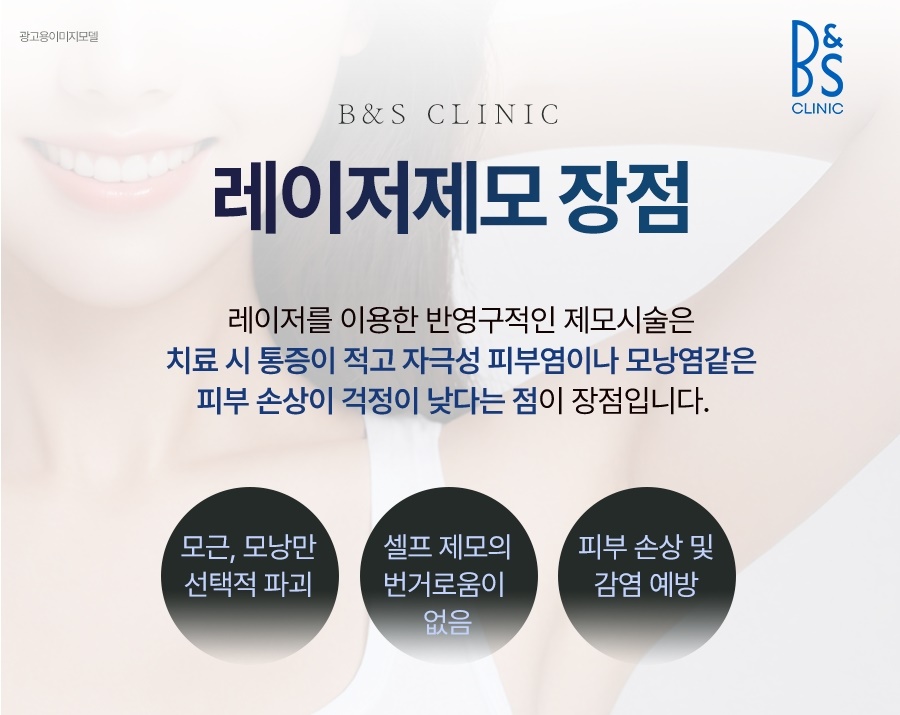
In addition to allowing large areas to be treated in a short time, laser hair removal at a Samseong-dong dermatology clinic is also characterized by easy handling. However, rather than judging the outcome of hair removal solely by treatment speed, it is necessary to carefully consider the skin’s condition, the hair growth cycle, and any existing irritation. This requires guidance from medical professionals.
Because not all hair grows at the same time, it is often difficult to expect immediate changes in all hair after a single treatment. For this reason, it is necessary to set appropriate timing and coordinate treatment intervals while taking the hair growth cycle into account.
Additionally, if the skin has been heavily exposed to ultraviolet rays in daily life or has recently been tanned, it may be sensitive to irritation. A plan therefore needs to be established with these conditions fully considered. If hair has recently been managed by plucking, the treatment schedule may also need to be adjusted. If the skin is red or folliculitis is present, the skin’s sensitivity and response should be checked beforehand.
After a procedure at a Samseong-dong dermatology clinic, the skin may temporarily become sensitive, and slight redness or a tight sensation may appear depending on the treatment area. The area around the follicles may feel rough as the hair sheds, but it gradually calms over time.
At this time, avoiding friction and following thorough aftercare are recommended. At Samseong-dong dermatology clinics, the sensitive condition of the skin after treatment and the patient’s daily lifestyle habits are carefully checked to manage the recovery process.

Plucking hair during the course of treatment may affect the treatment principle of targeting the hair follicles, so shaving-based management is preferable. If the skin feels dry, it is best to avoid harsh scrubs and choose care that minimizes irritation. Laser hair removal at a Samseong-dong dermatology clinic is not simply a process of removing hair; it is closer to a comprehensive management approach that considers the condition of the skin, the characteristics of the hair, the living environment, and the recovery process after treatment.
Because individual differences in hair removal can be significant, it is important to carefully assess the current condition of the skin and coordinate an individualized plan. Consultation with a medical professional is emphasized to develop an approach that considers overall skin care and lifestyle habits, and this comprehensive management is presented as a way to support effective results.








Previous image
Next image





Previous image
Next image







Previous image
Next image