Implants? Think Seokplant!
This is Seokplant Dental Hospital.
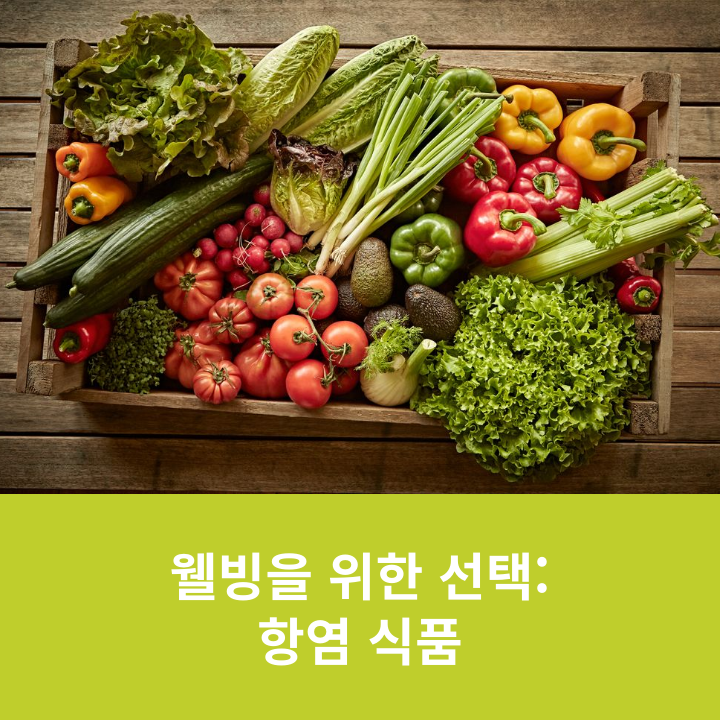
Hello! Today, let’s look at how anti-inflammatory foods can have a positive impact on our health. Let’s find out just how powerful anti-inflammatory foods can be in reducing inflammation and promoting overall well-being. Then, let’s get started~
Why should we manage inflammation?
Inflammation is the body’s natural response to injury, infection, or stress. However, chronic inflammation can lead to various health problems over time. Fortunately, certain foods have properties that can help relieve inflammation. That is why we should make a point of eating these anti-inflammatory foods.

Top anti-inflammatory foods to include in your diet:
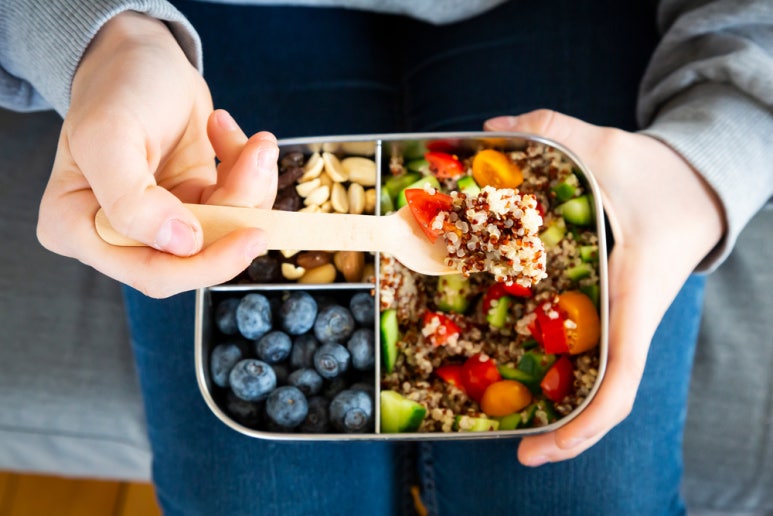
Berries: A variety of berries, such as blueberries and strawberries, are rich in antioxidants called flavonoids, which help reduce inflammation.
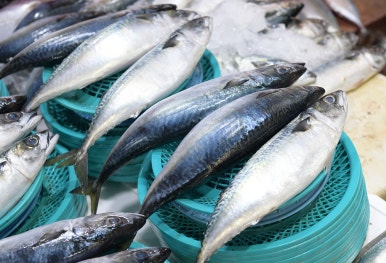
Fatty fish: Salmon, mackerel, and sardines are useful because they are rich in omega-3 fatty acids, a powerful anti-inflammatory component.
Leafy greens: Spinach, kale, and Swiss chard are packed with vitamins, minerals, and antioxidants that help fight inflammation.
Turmeric: The active compound in turmeric, curcumin, has strong anti-inflammatory and antioxidant effects.
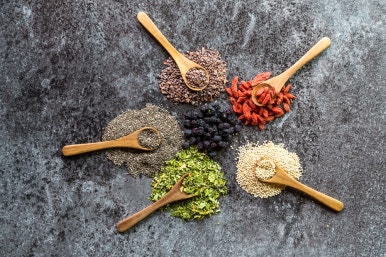
Nuts and seeds: Almonds, walnuts, chia seeds, and flaxseeds contain healthy fats and antioxidants that help reduce inflammation.
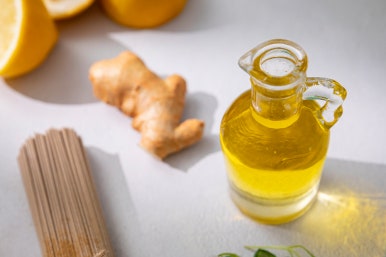
Olive oil: Extra virgin olive oil is rich in monounsaturated fats and may lower the risk of chronic diseases related to inflammation.
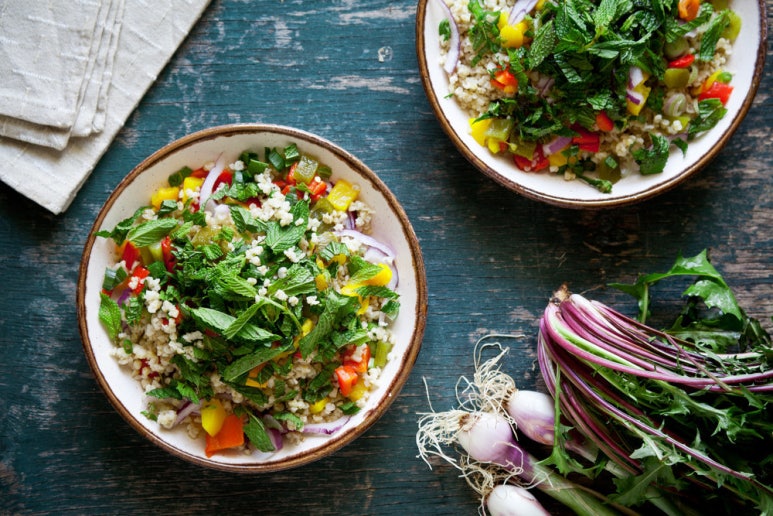
Whole grains: Brown rice, quinoa, and whole wheat are rich in fiber and nutrients, helping keep the gut healthy and reduce inflammation.
Green tea: Green tea contains antioxidant catechins and is known to help reduce inflammation.
Spices: Garlic, ginger, and cinnamon are well known for their anti-inflammatory and immune-boosting effects.
Dark chocolate: Dark chocolate with a high cocoa content contains flavonoids that may help reduce inflammation.

Add anti-inflammatory foods to your daily life:
Balanced meal planning: Include a variety of anti-inflammatory foods in your meals to get a proper range of nutrients.
Smart snack choices: When late-night cravings suddenly hit! Rather than foods that may trigger inflammation, choose nuts or fresh fruit as a snack.
Use herbs and spices: Add turmeric, ginger, and other spices to your recipes to enjoy both flavor and health at the same time.
Switch your cooking oil: Replace the cooking oil you use with olive oil or coconut oil.
Stay hydrated: Keep up your efforts toward reducing inflammation by hydrating with water, herbal tea, and green tea.
By adding these anti-inflammatory foods to your diet, you can improve your overall well-being and reduce the risk of chronic diseases related to inflammation. Even small changes in eating habits can make a big difference to your health. Let’s take one step at a time toward a healthy and energetic life!