Implants? Seokplant!
This is Seokplant Dental Hospital.
Hello, today we’d like to tell you how to choose and care for the toothbrush we all use.

To protect your dental health, proper brushing is necessary, but choosing and caring for a toothbrush that suits you is just as important as brushing itself. If you use a poorly maintained toothbrush, it can cause gum disease.
So, shall we take a look at how to choose and care for a toothbrush?
Let’s get started~
- What kind of toothbrush is right for me?
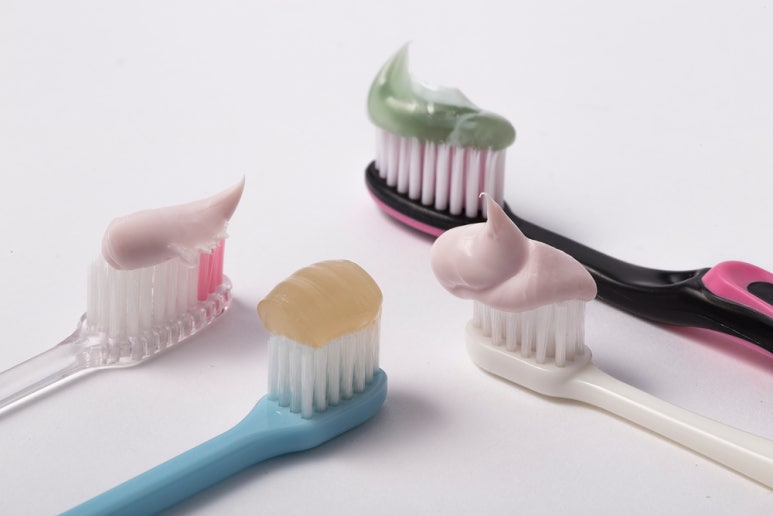
When choosing a toothbrush, the most important thing is to carefully consider your own dental characteristics and the dental concerns you prioritize. Different factors such as tooth sensitivity, bad breath, and periodontal health affect the shape and material of the toothbrush.
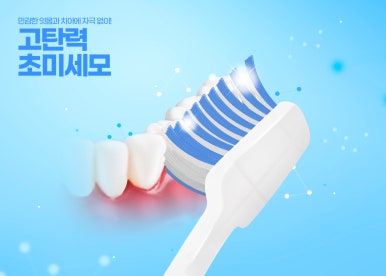
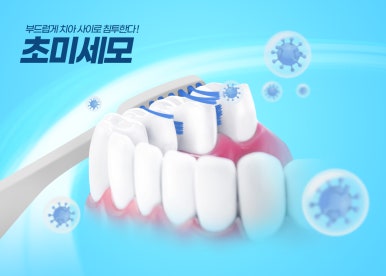
- Choosing a toothbrush based on tooth sensitivity: If you have sensitive teeth, choose a toothbrush with soft bristles. Its gentle texture helps you care for your teeth carefully.
-
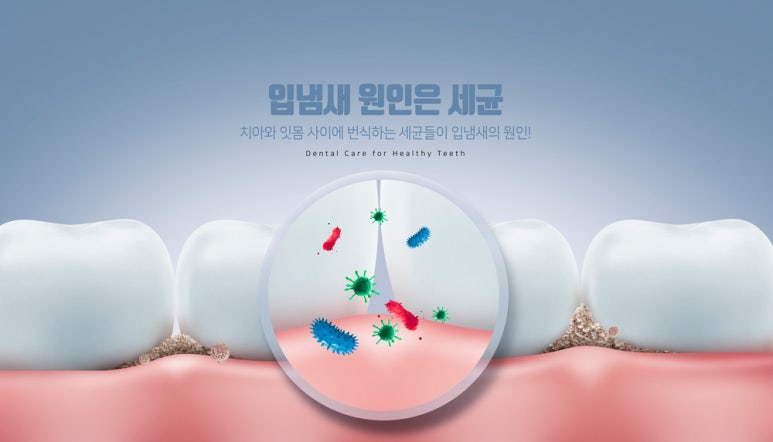
Preventing bad breath: A toothbrush with long, dense bristles helps remove food particles from the mouth. This is especially important for preventing bad breath.
-
Managing periodontal health: The shape and size of the toothbrush head affect how well you can keep your gums clean. If you are concerned about periodontal health, it is best to follow a professional’s advice.
- How to use a toothbrush: gently, consistently, and cleanly
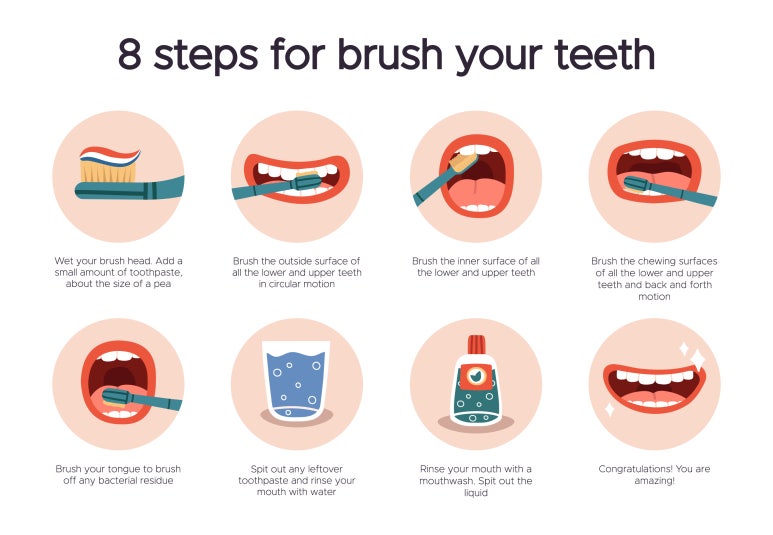
Let’s learn the proper way to use a toothbrush and keep our teeth cleaner more effectively.
-
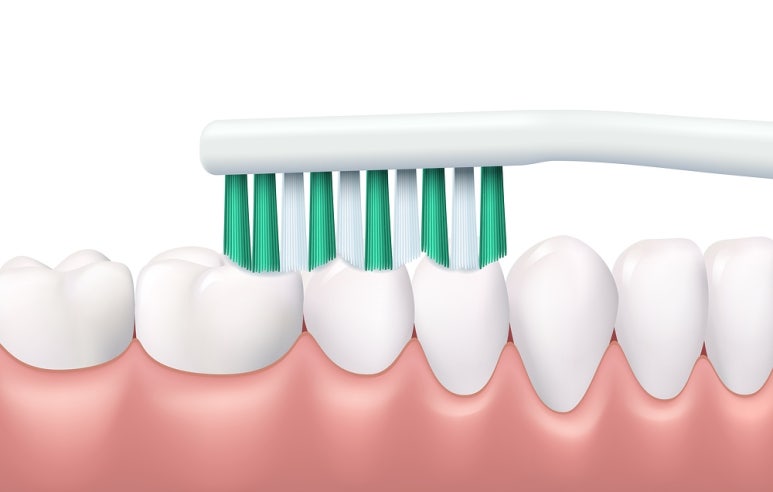
Gently: Brush softly without applying excessive pressure. Be careful not to let the toothbrush get caught or bent during brushing.
-
Consistently: The frequency of use is also important. Brush at least twice a day, making sure to brush after breakfast and dinner.
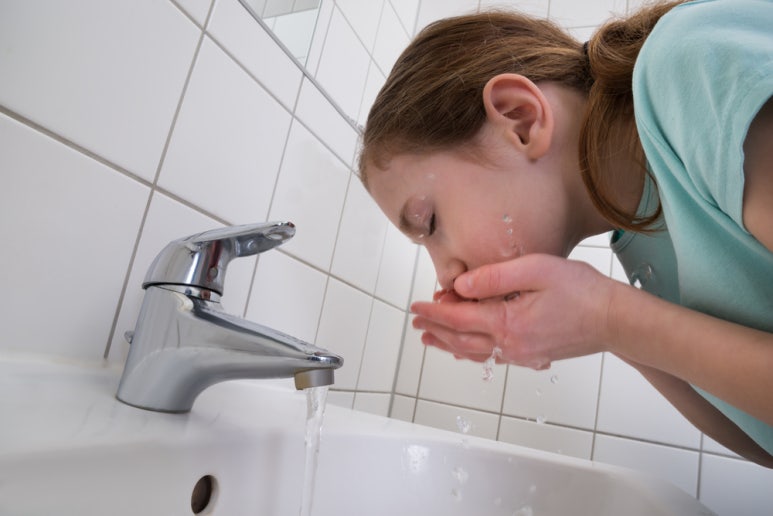
- Cleanly: After brushing, rinse and clean the bristles thoroughly. Then, store the toothbrush in a well-ventilated place to prevent bacteria from growing on it.
- Toothbrush replacement cycle
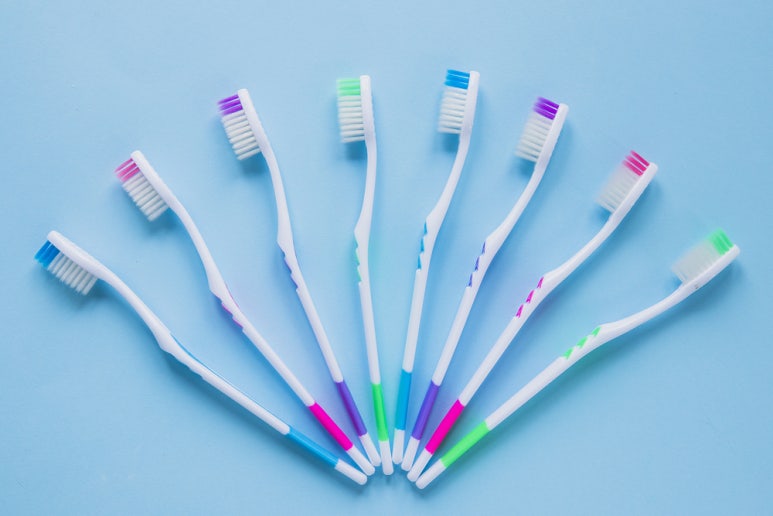
There is no set time for replacing a toothbrush. The reason is that everyone brushes differently, so the bristles wear out at different times. If the bristles spread out or the tips become bent, the toothbrush becomes less effective at removing plaque, so it is a good idea to replace it at that point.
- Toothbrush care: a clean toothbrush, a healthy mouth
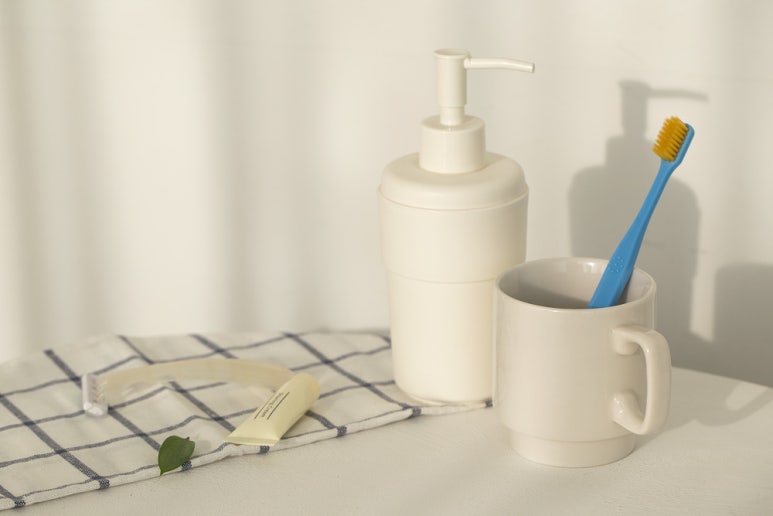
Caring for a toothbrush is just as important as knowing how to use one. Follow these few tips to keep your toothbrush clean.
- Drying: After use, dry the toothbrush in a well-ventilated place. In a closed environment, bacteria can grow on the toothbrush.
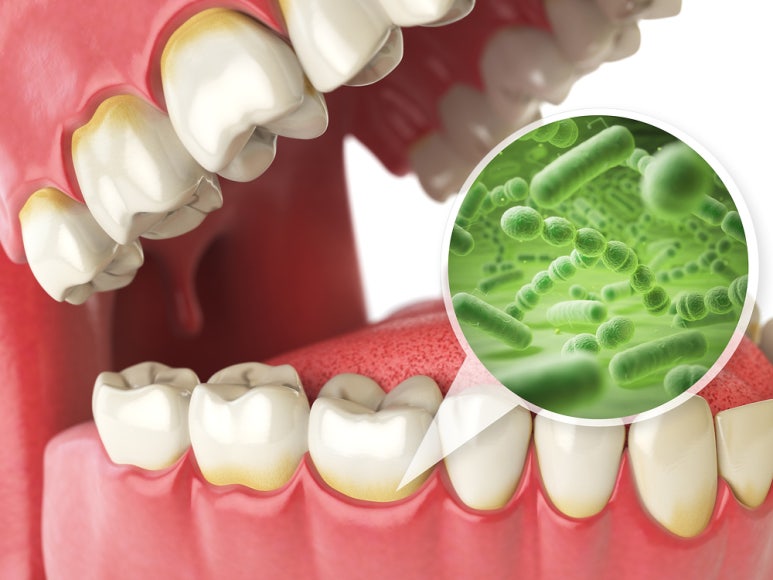
- Do not share: Do not share a toothbrush with other people. Bacteria from another person’s mouth can enter yours! Use your own toothbrush.
Tooth brushing and care are small habits that are easy to overlook, but if you keep them up over a long period of time, they will make a big difference.
Please treat your toothbrush with care, your small companion that helps protect your dental health!