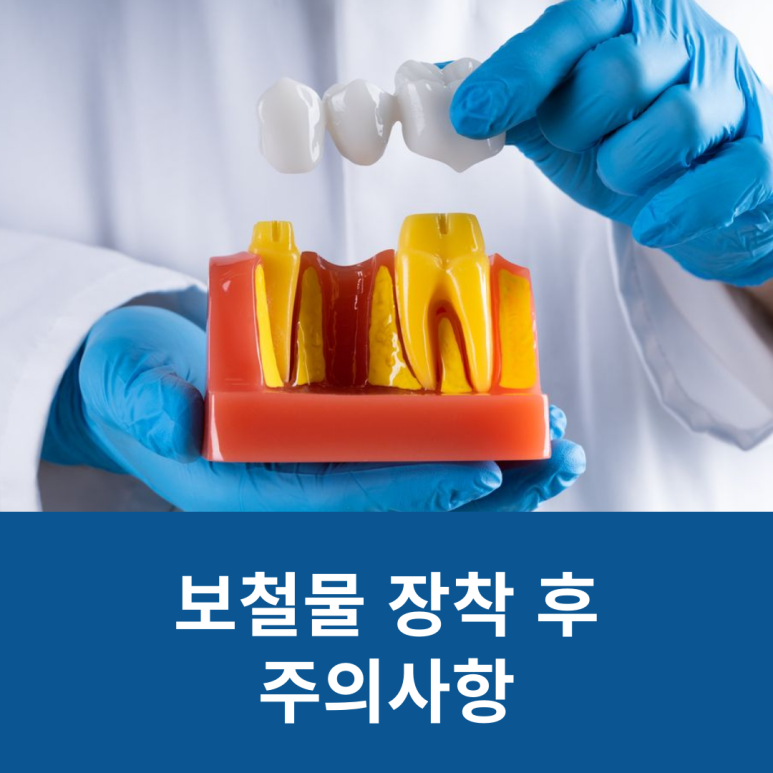
If you have gone through the effort of getting a prosthesis fitted, you’ll want to use it well and keep it strong for a long time, right? ^^
There are a few things you should know to do that. Today, I’ll tell you the precautions to take after prosthesis placement, so be sure to read through them!

- Please keep this in mind when chewing food!
-
Do not chew hard foods for 24 hours after the prosthesis is bonded. It takes 24 hours for the adhesive to fully harden.
-
Remember that a prosthesis is not as strong as a natural tooth. You should absolutely avoid chewing hard objects, such as bones or using your teeth to open bottle caps.
-
Very sticky, chewy foods (such as the trendy tanghulu these days) can dislodge the prosthesis, so it is best to avoid them.
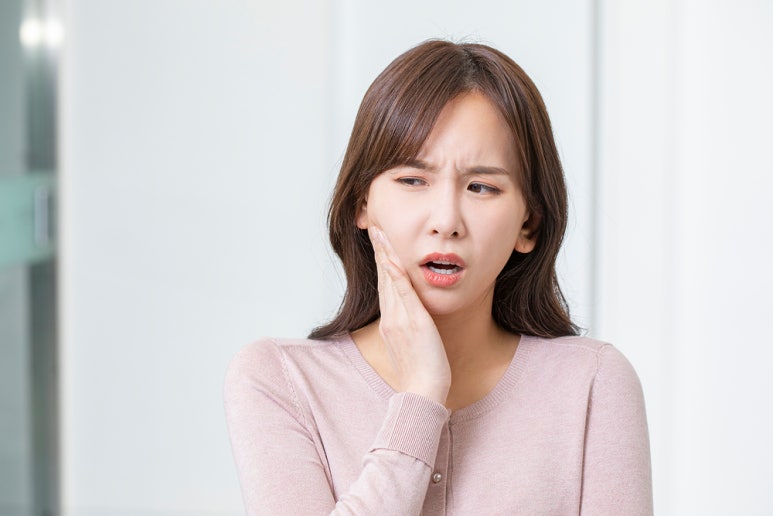
- After prosthesis placement, hypersensitivity may occur. A mild sensitivity to hot or cold foods is nothing to worry too much about. This is because the prosthesis transfers temperature quickly, causing the tooth nerve to be briefly startled, and it gradually goes away over time. Usually, the first 3–4 weeks after wearing the prosthesis are considered an observation period, and if it lasts more than 6 weeks or is severe, please visit the clinic.
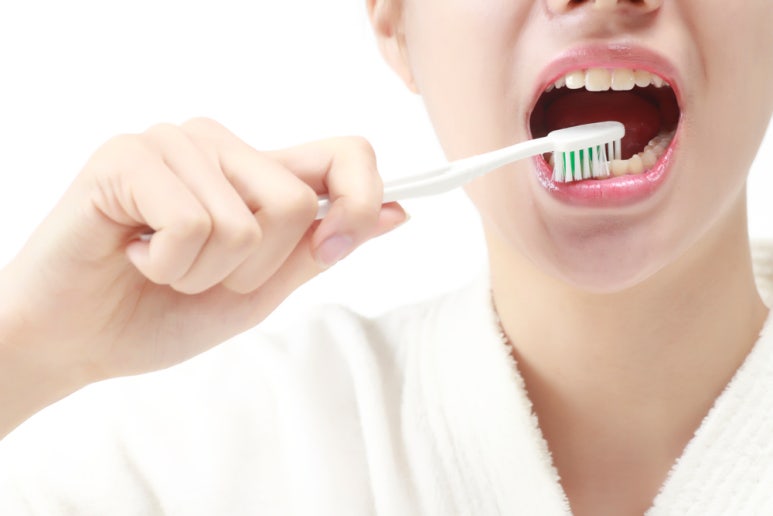
- For the best possible lifespan of the prosthesis, we recommend brushing and flossing after meals and before bedtime.
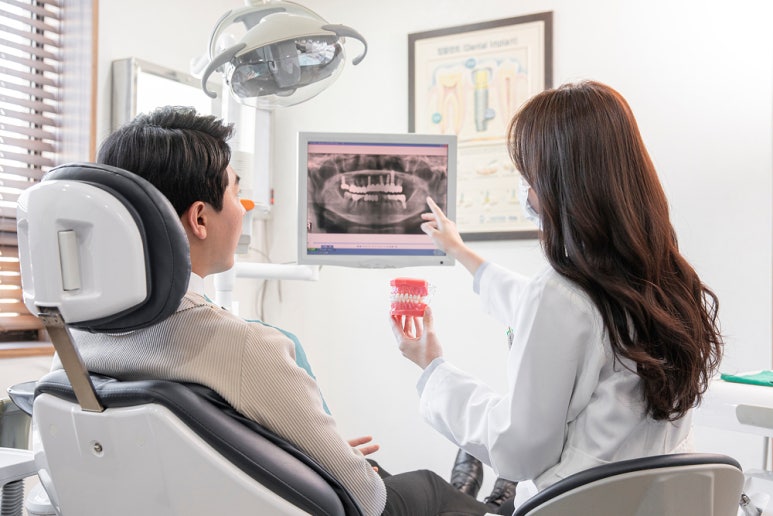
- You need to visit regularly. It is very important to come in for regular visits every 6 months. If problems that occur around the prosthesis are found early, they can be easily resolved, but if a lot of time has passed, the treatment may need to be redone or other more difficult treatment may be necessary.


- Please visit the clinic immediately if any of the following occurs
-
If the prosthesis feels loose or lifted
-
If hypersensitivity occurs when eating sweets
-
If there is a strange smell (such as the smell of medicine or metal) from the prosthesis area
-
Prosthesis fracture
-
If hypersensitivity occurs when pressure is applied to the tooth
To maintain oral health and extend the lifespan of your prosthesis, be sure to follow the precautions listed above.
If you properly care for your prosthesis while receiving help and advice from dental professionals, it will serve as an excellent replacement for your teeth!