Hello, continuing from last time, I’d like to keep talking about dental floss. Today, let’s answer some common questions about dental floss and learn the proper way to use it.
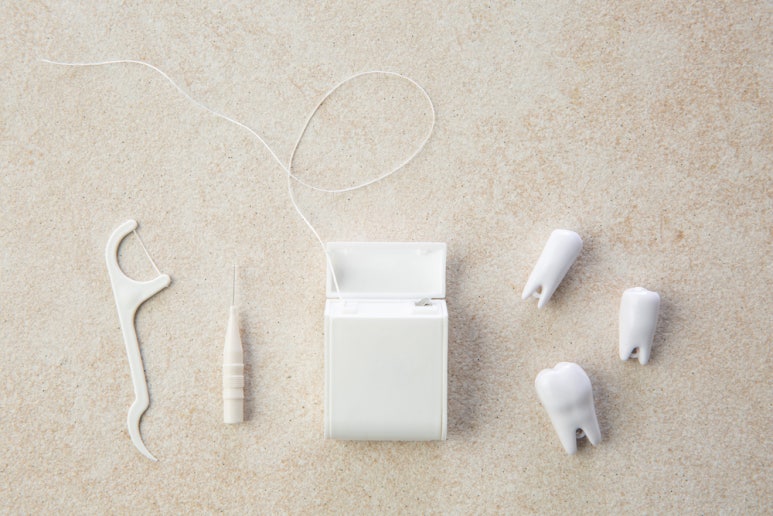
- What kind of dental floss should I use?
You should choose dental floss according to the condition of your teeth. For natural teeth, regular dental floss is fine, but for prosthetics or implant areas, it is better to use floss made specifically for prosthetics. Prosthetic floss is a thicker type of floss with stiff ends on both sides so it can easily go between teeth. If the spaces between your teeth are narrow and floss is difficult to use, a film-type floss can be effective. To choose the most suitable floss, it is best to visit a dental clinic and get advice from a professional.
- Will using dental floss make the spaces between teeth wider?
When floss enters between teeth, it spreads thinly and does not widen the space between them. Dental floss is meant to effectively remove food debris and plaque from between teeth. Toothpicks can make the spaces between teeth wider, but floss does not, so you can use it with confidence.
- Can flossing cause bleeding?
A small amount of bleeding may occur when using dental floss, and this is a normal reaction. However, if bleeding continues after flossing and your gums are swollen, it may be a sign that your gums are not in good condition, so it is advisable to visit a dental clinic and receive treatment. Also, if dental floss is used incorrectly, it can injure the gums and cause bleeding, so care should be taken.
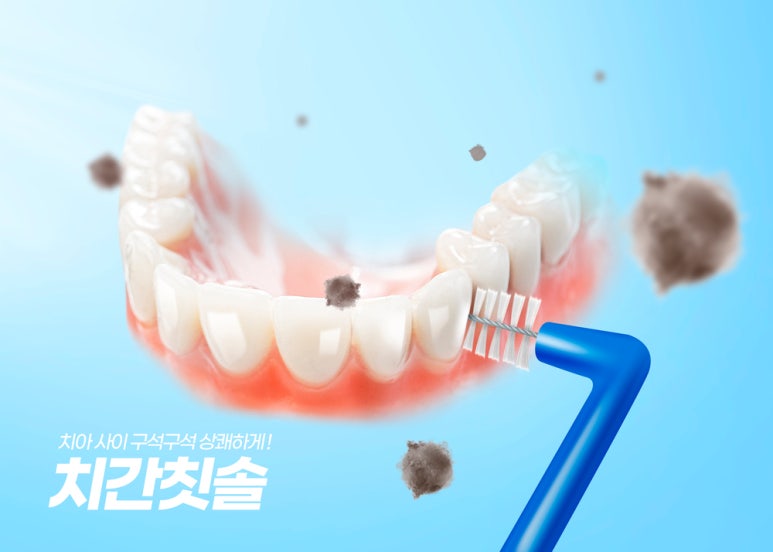
- Is it okay to use an interdental brush instead of dental floss?
If there is enough space between the teeth, or if you are undergoing orthodontic treatment and floss is difficult to use, it is good to use an interdental brush. However, if the space between teeth is small, dental floss is recommended. When using an interdental brush, be careful because it may widen the space between teeth or strain the gums.
How to Use Dental Floss Properly
-
Cut the floss to 40–50 cm, leaving only 5–10 cm, and wrap it around the middle fingers of both hands.
-
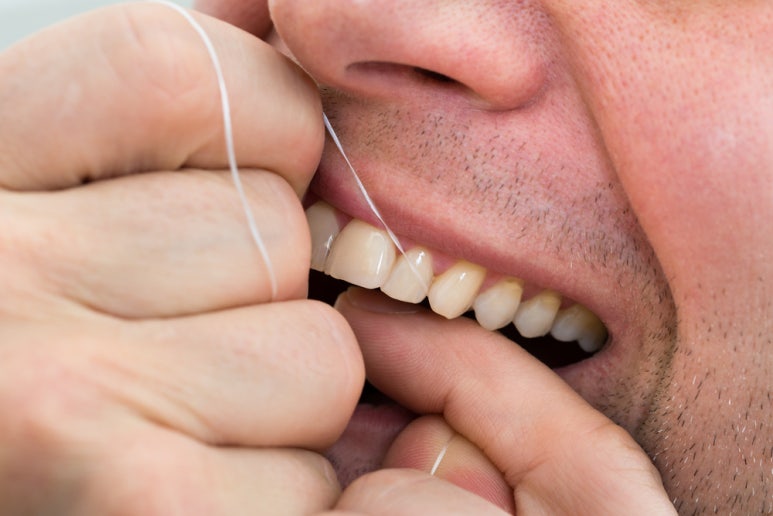
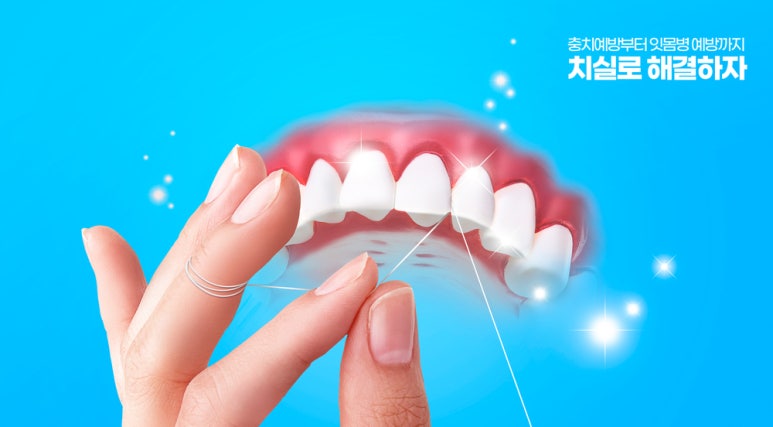
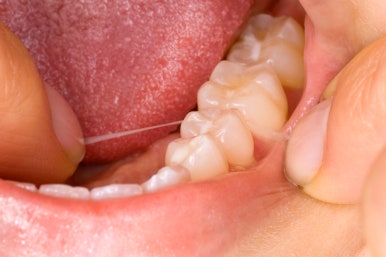
Hold the floss with your thumb and index finger and gently slide it between the upper teeth in a sawing motion. Wrap the floss around the tooth in a C shape and clean it up and down.
-
When cleaning the lower teeth, support the floss with the index fingers of both hands and use it in the same way as with the upper teeth. The part of the floss used on the upper teeth has plaque on it, so it is better to unwind the floss wrapped around your middle fingers and use a clean section.
-
Finally, rinse your mouth with water or use a toothbrush.
-
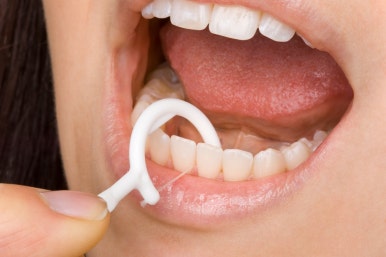
If flossing is difficult, using a floss holder can be convenient.
How about making flossing a habit from now on to maintain dental health and extend the life of your teeth? ^^