Many people hesitate to visit the dentist even while suffering from tooth pain. Thoughts like, “I don’t have time to go to the dentist...,” “I probably have a lot of cavities...,” and “I hate the sound of the drill and the feeling of sensitivity...” take over their minds and make them reluctant to go.
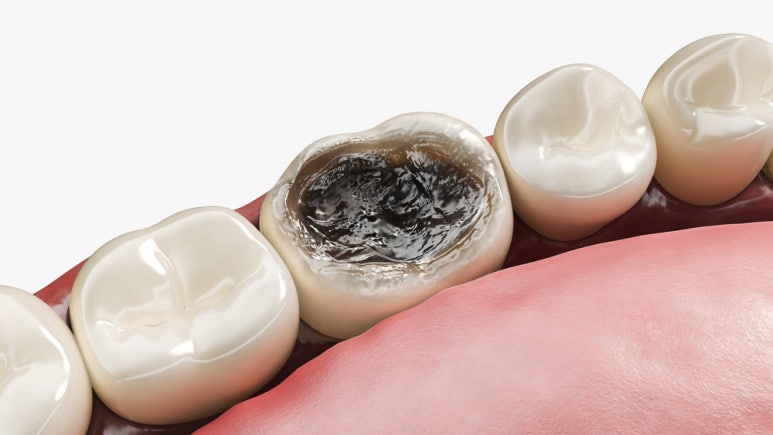
However, there is a reality that should not be ignored amid these concerns. Cavities and periodontal disease progress slowly, so in the early stages, damage is difficult to notice. By the time you feel tooth pain, a significant portion of the teeth and periodontal tissues has already been damaged.
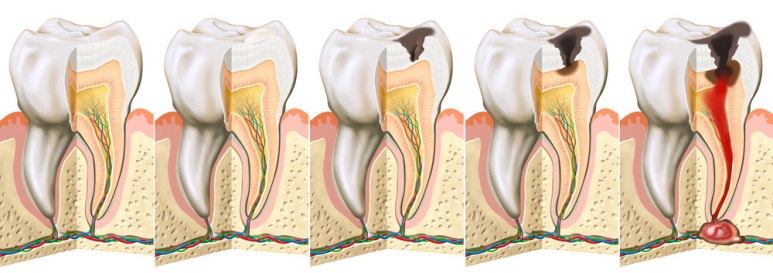
Also, once teeth are damaged, they do not heal naturally. Therefore, if tooth pain is left untreated, cavities and other problems can spread more widely to other teeth and cause bigger issues. Even in situations like this, many people miss the proper time for treatment because they do not go to the dentist.
If you have lost a tooth, solve it with an implant, regardless of age!
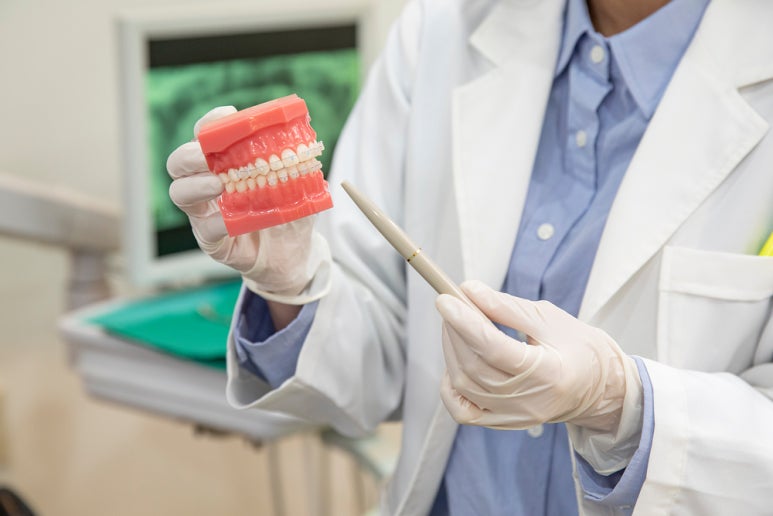
Experts suggest, “If you keep delaying treatment, you may lose teeth. Therefore, if you feel tooth pain, you should visit the dentist as soon as possible, receive regular dental checkups, and consult with a specialist for prompt treatment. If you have lost a tooth, it is advisable to consult with a specialist and undergo an implant procedure so that you do not place strain on other healthy teeth.”
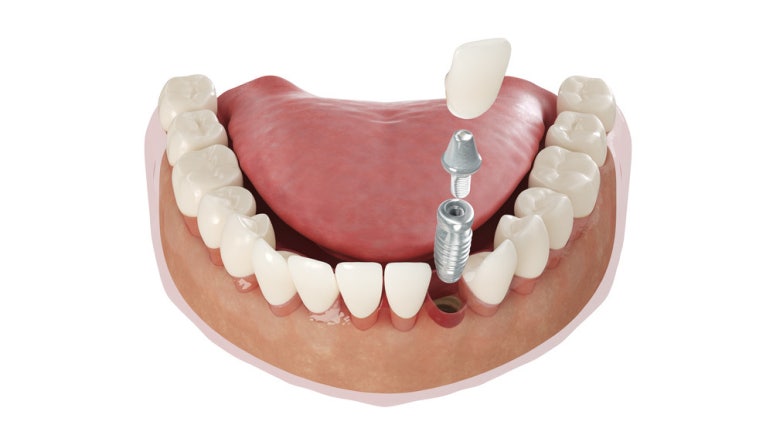
Among the various ways to replace a missing tooth, “implants” show a high level of satisfaction. An implant procedure involves placing an artificial root into the jawbone and attaching a tooth-shaped prosthetic crown on top. It looks similar to a natural tooth, does not affect the surrounding teeth, and does not weaken the jawbone, making it suitable for long-term use.
Advantages of implants
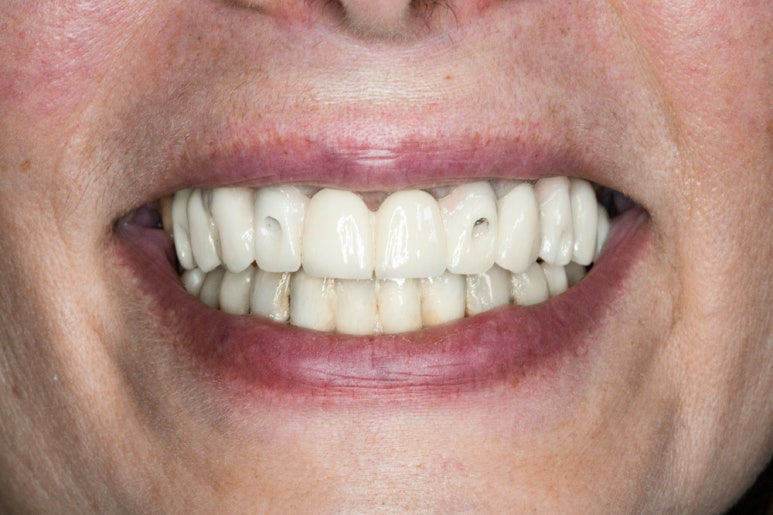
Bridges and dentures are visually similar to natural teeth, but they can negatively affect the surrounding teeth and jawbone, making long-term use difficult. In contrast, implants are placed independently, so the procedure can be performed without damaging neighboring teeth. Because they help prevent bone resorption and strengthen the jawbone, they can be used effectively for decades.
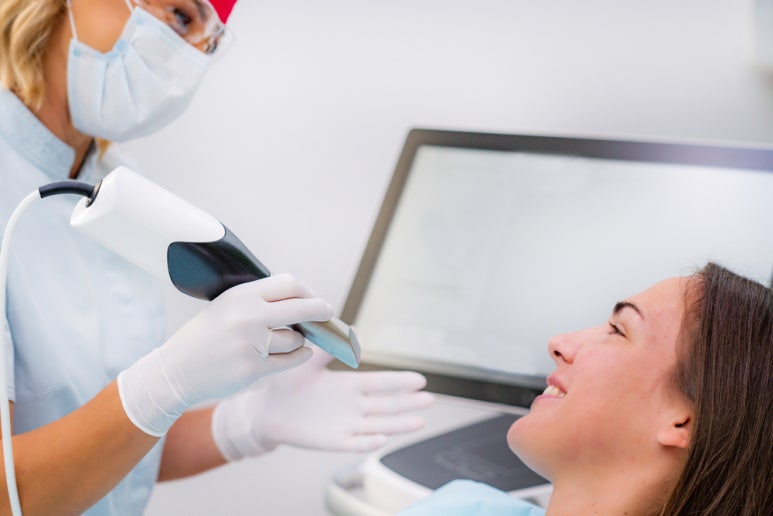
To keep an implant—one you made a major decision to receive after taking time out of a busy daily life—lasting for a long time, it is important to maintain oral cleanliness and visit the dentist regularly to manage implant and dental health.
In particular, if you have lost a tooth, it is important to preserve the remaining teeth through implant treatment and to continue paying attention to oral health.