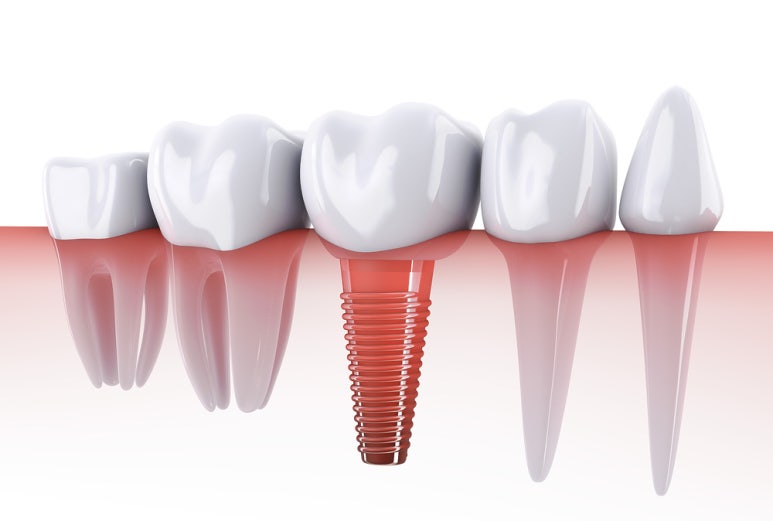
Implant treatment, which fills the space left by a tooth, is an effective way to replace a natural tooth with an artificial one and has become popular among many people. This treatment can be applied to anyone regardless of age, and it can be performed if the condition of the jawbone is good. However, the condition of the jawbone is very important, and if it is in poor condition, treatment may be difficult.
�a0
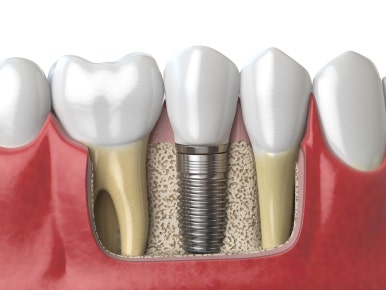

Implant treatment is possible, but it is advisable to wait until the jawbone or alveolar bone becomes sufficiently firm before proceeding. Otherwise, side effects such as implant loosening may occur.
�a0
In addition, the implant treatment period varies depending on each person's oral condition, and in some cases it can take from a few weeks to more than a year. Therefore, it is important to pay attention to both oral and overall health during the treatment process. If the jawbone condition is good, a navigation implant may also be chosen.
�a0
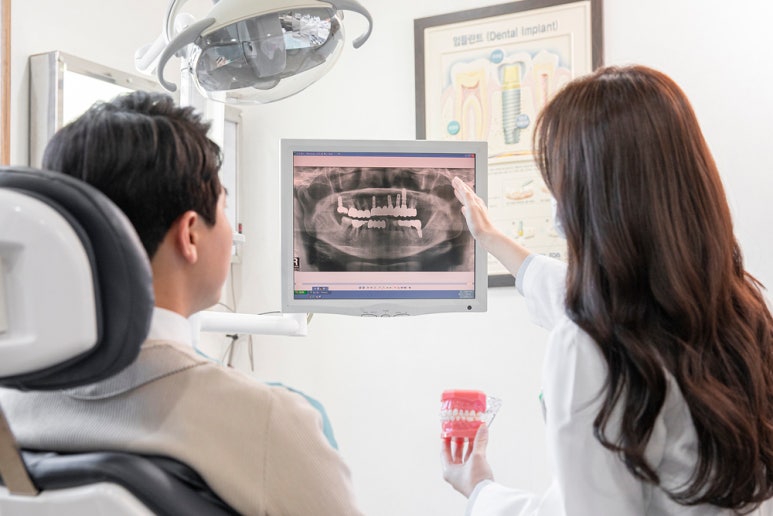
Recently, technology has been developed that makes it possible to perform implant treatment without incising the gums through a 3D computer simulation process. This can reduce discomfort such as bleeding, pain, and swelling, and allows treatment to be performed safely even for elderly patients or patients with systemic diseases. However, ongoing care is still necessary even after the implant has been placed.
�a0

After treatment, pressure should be maintained to stop bleeding, and it is best not to use a straw when drinking. It is also important to brush gently around the implanted area. For the following month, avoiding alcohol and smoking and receiving regular checkups can help prevent inflammation and side effects.
�a0

Experts emphasized, "Implant treatment requires long-term clinical experience and know-how. However, the most important thing is finding a treatment method that suits each individual patient. You should choose a skilled specialist and be careful not to undergo excessive treatment."
�a0
















�a0