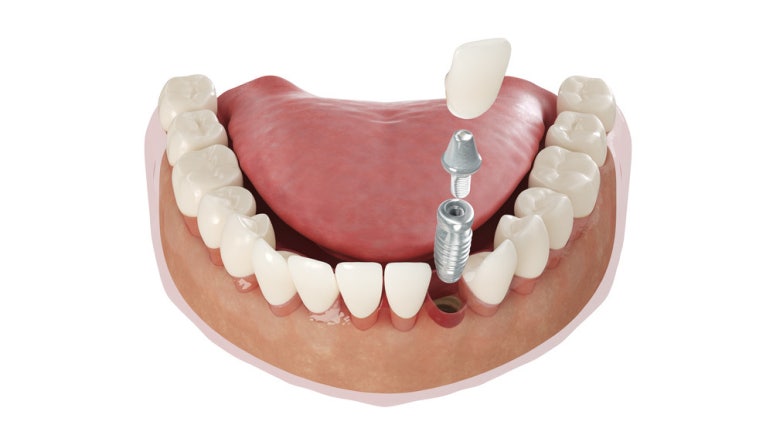
An implant is a treatment method for replacing missing teeth. It is a treatment process in which an artificial root is placed into the jawbone and connected to a prosthetic restoration. It is evaluated as an excellent method because it provides nearly equivalent function and aesthetics to natural teeth, and it can be performed without damaging the surrounding teeth.

However, since implants involve a surgical procedure, bleeding and pain may occur. For these reasons, patients with high blood pressure, diabetes, or fear of treatment may delay care. However, the problems that can arise from leaving a tooth untreated can become more serious the later treatment is. Therefore, it is important to begin treatment as soon as possible.
Recently, 'navigation implant,' which introduces digital technology for implant treatment, has been gaining popularity. This method refers to placing implants according to a pre-set path.
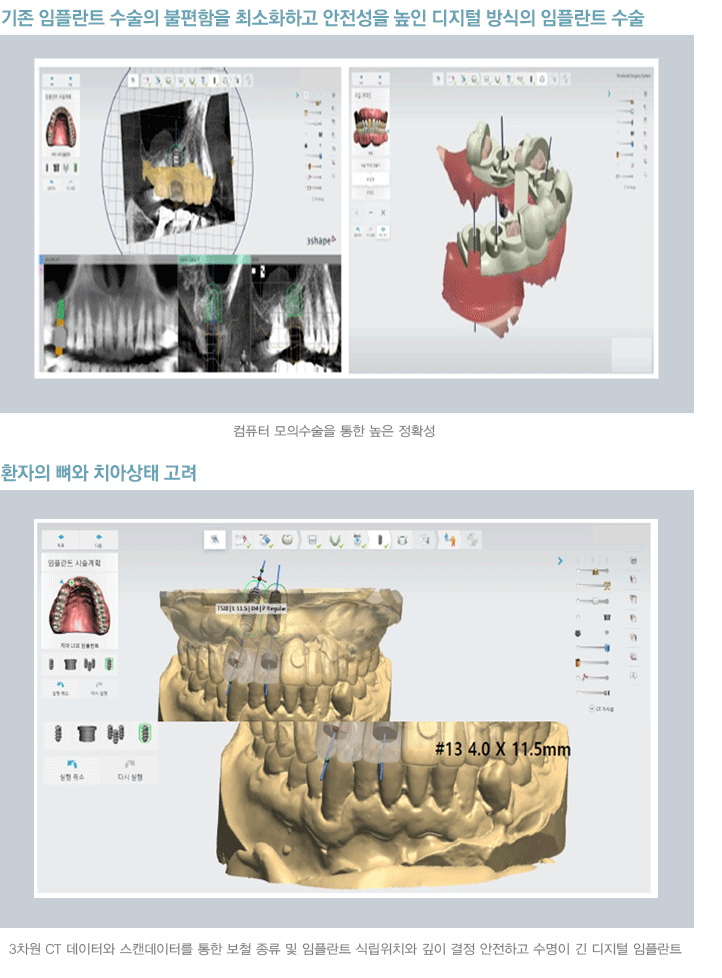
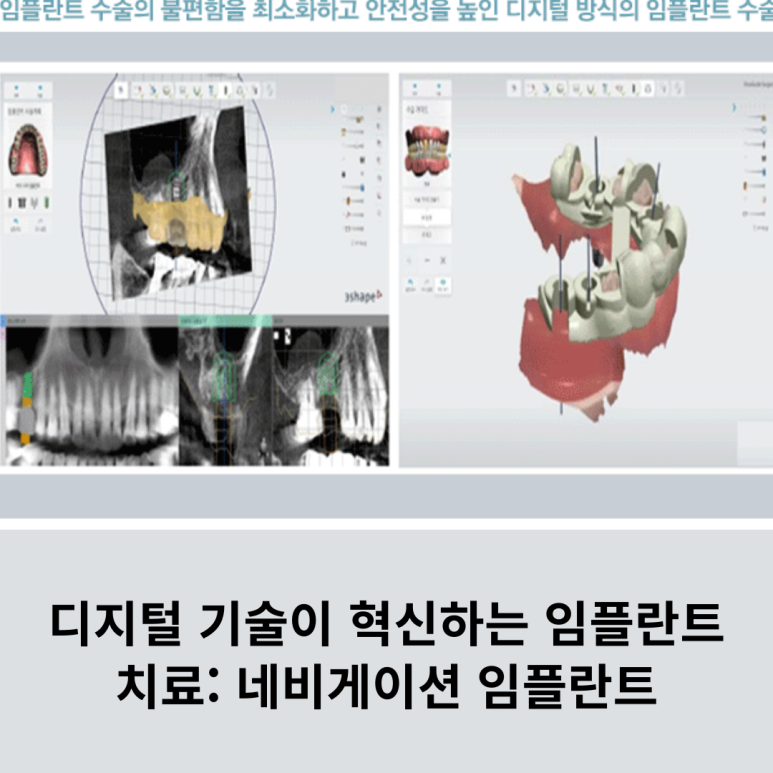
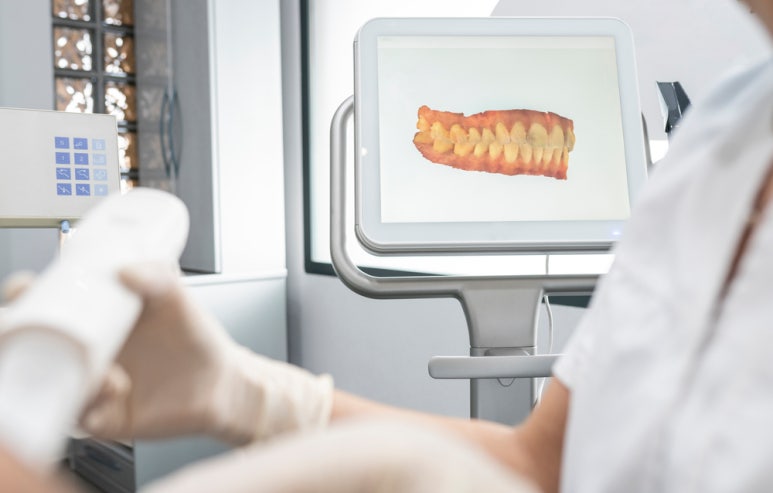
First, advanced devices such as 3D CT and oral scanners are used to collect accurate anatomical data, and based on this, computer simulation surgery is performed to determine the optimal placement position and angle. Finally, the implant is placed using a custom guide.

Because this method performs surgery through a small hole, there is less bleeding and less pain. In addition, the procedure time and recovery period are shortened, and the likelihood of side effects is reduced.

Experts emphasized these advantages and explained that this is why navigation implants boast a high success rate and are popular not only among younger patients but also among older patients. However, the experience and skill of the medical staff are also very important, and it is advisable to choose the medical team only after thoroughly understanding the entire implant treatment process.