
Implant procedures in Korea are recognized worldwide. Success rates for the procedure continue to increase, and many limitations have been overcome, making implants quite common.
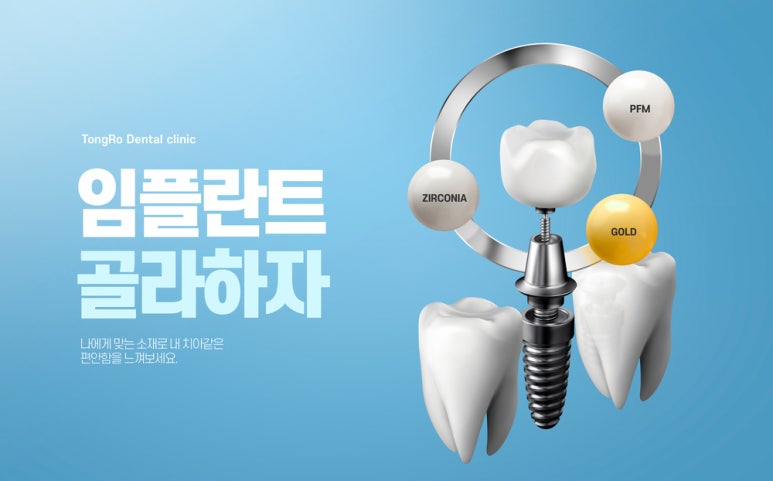
In fact, many people who have lost teeth due to accidents or aging are restoring their teeth through implants. To date, implants are the most effective way to replace missing teeth.
Then when can implants bring positive results?


First, this applies to bone loss in the alveolar ridge caused by long-term denture use. Wearing dentures generally causes alveolar bone loss to progress quickly. In severe cases, even if you undergo implant treatment, bone grafting may be necessary.
Dentures can also press on the gums every time you chew, causing pain. In such cases, implant treatment is essential. With implants, the alveolar bone is relatively well preserved, so they can be used more healthily than regular dentures. In addition, implants have chewing force that is almost similar to that of natural teeth.
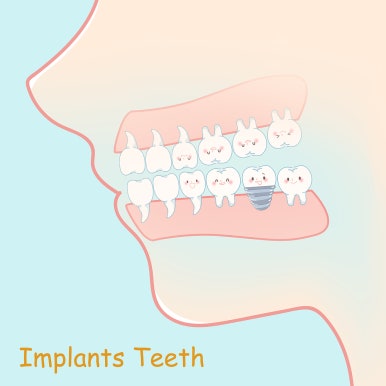
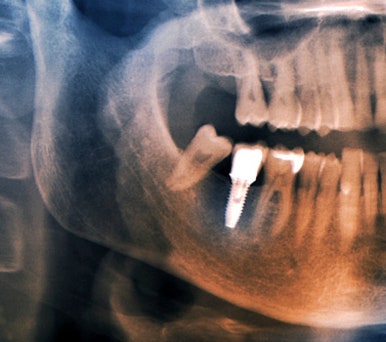
The second case in which implants are needed is when the rearmost molar has been lost. Since molars play a basic role in chewing food and aiding digestion, replacement teeth are needed. A bridge procedure that depends on adjacent teeth is not possible for molars, so implant treatment is appropriate.
Also, molars are more prone to cavities than other teeth and are more likely to be exposed to gum disease sooner. For these reasons, because it is difficult to manage molars perfectly, implants with fewer side effects are effective.

However, there are also cases in which implant treatment is difficult. These include cases where the condition of the upper and lower jawbone is poor, where a long time has passed since a tooth was lost, or where the adjacent teeth have shifted. However, with the development of bone grafting, insufficient bone can be created, and if there is not enough space for the implant, it can be addressed through orthodontic treatment. Therefore, it is advisable to undergo treatment after an accurate diagnosis.

In addition, treatment may be difficult if you have a systemic disease. In fact, if you have a systemic condition such as heart disease, diabetes, or high blood pressure, the implant may not heal well or side effects may occur after the procedure. Therefore, you should have a thorough consultation with the doctor in charge before the procedure.


Before an implant procedure, it is very important to find an implant-specialized clinic. Although implants are becoming more widely available, not everyone can achieve success with them. Therefore, taking your dental condition into account, you should carefully decide on the procedure at the appropriate time.