
Many office workers enjoy company dinners for reasons such as “to relieve work stress” or “to strengthen communication with coworkers.” However, recently there has been controversy as claims have emerged that frequent company dinners can negatively affect teeth.


What is the connection between company dinners and dental health? This issue starts with the three items most commonly consumed at company dinners. Meat, alcohol, and cigarettes consumed at these gatherings are factors that can negatively affect dental health.
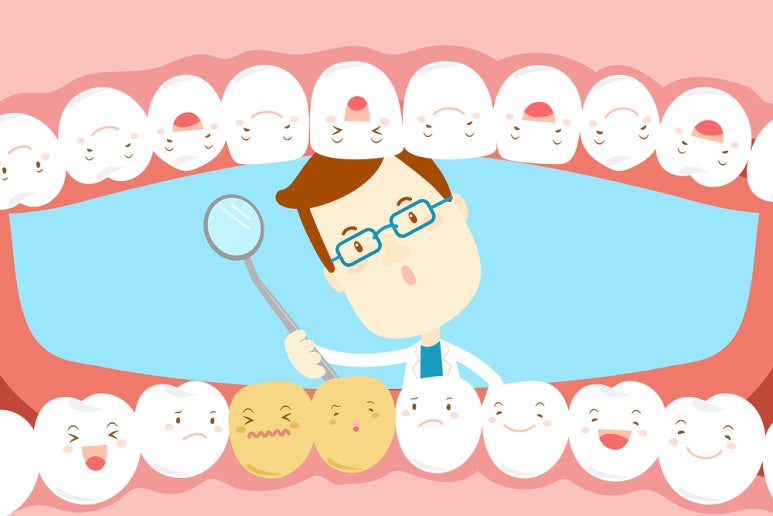
Meat gets stuck between teeth and is not easily removed. As a result, meat that remains between teeth can decay, become toxins, irritate the gums, and weaken periodontal tissue. Alcohol can expand blood vessels and surrounding tissue, causing the gums to swell or become inflamed, which in severe cases can lead to toothache.

Finally, smoking raises the temperature inside the mouth, which can interfere with cell metabolism and lower oxygen levels in the oral cavity, creating an environment where bacteria can multiply more easily.

In all three cases, if severe, they can lead to various periodontal diseases and cause tooth loss. In fact, a study found that more than half of patients who received implants after losing teeth due to smoking and drinking were smokers or drinkers.

In addition, they received about 1.5 times more implants than nonsmokers or people who do not drink. Therefore, it can be seen that many people lose teeth and receive implants due to smoking and drinking.
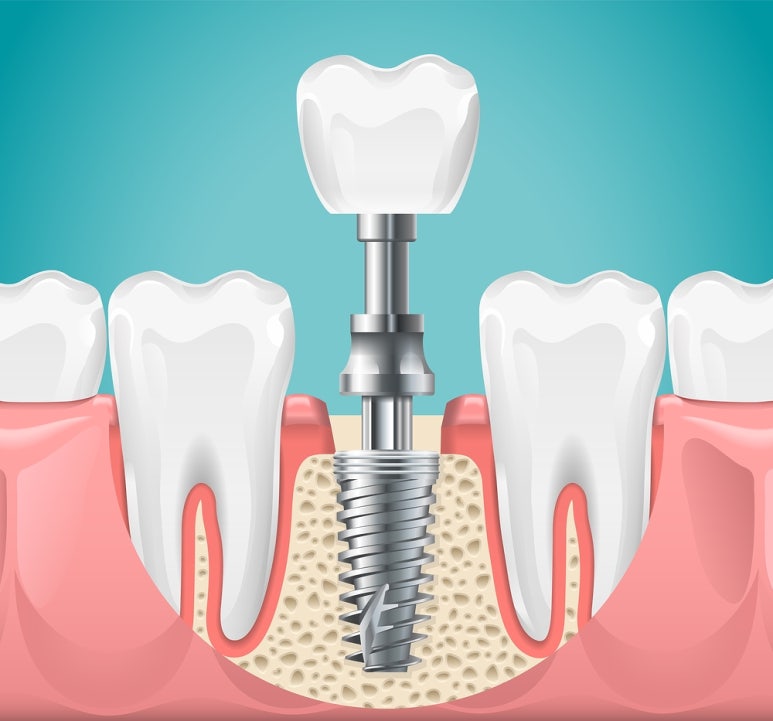
If repeated drinking, smoking, and meat consumption at company dinners have led to tooth loss, the best option is to use implants to replace the missing teeth. An implant is a method in which a titanium implant is placed in the gums and jawbone, and a prosthetic tooth is attached on top.
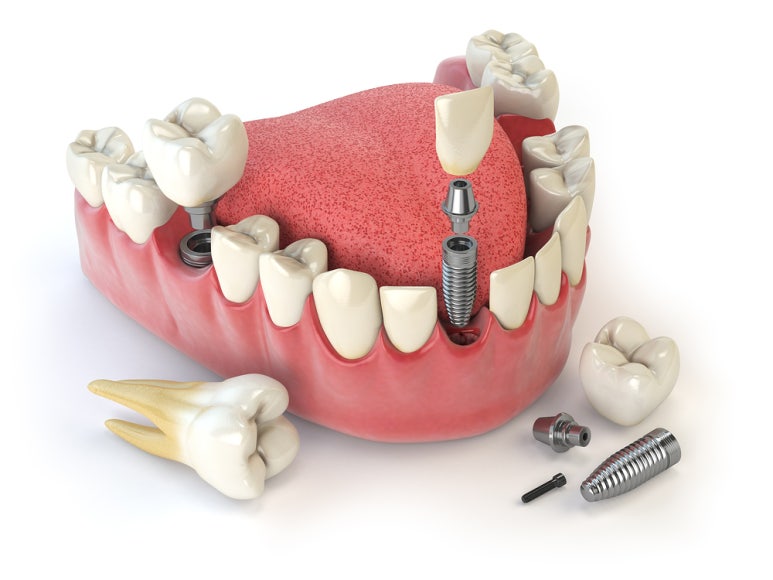
Because the mounted tooth is supported by bone tissue, it rarely causes additional damage to the surrounding teeth, and most chewing function is restored. Through this, teeth with functions and appearance similar to natural teeth can be restored.

However, to maximize the lifespan of implants and minimize surgical side effects, it is important to undergo the procedure at a clinic with extensive experience.

With a skilled doctor, a prosthetic tooth suited to the patient, and consistent care, implants can be used for a long time. In particular, for smokers, smoking can weaken the surrounding supporting bone that holds the implant in place, so it is important to maintain a non-smoking habit.