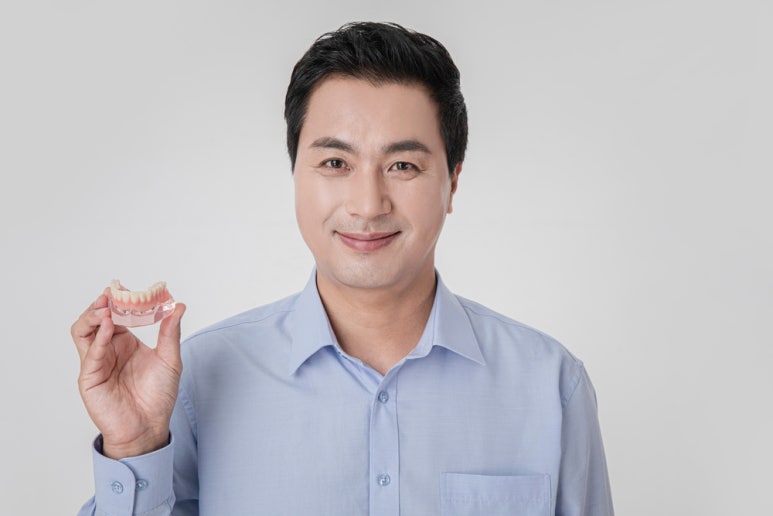
As the number of vehicles owned per person in the country increases, the rate of traffic accidents is also naturally increasing. Along with this, the incidence of diabetes is also increasing, and there is a major common point between traffic accidents and diabetes. It is that they carry the risk of being able to receive a 'prosthetic treatment' regardless of age.
�
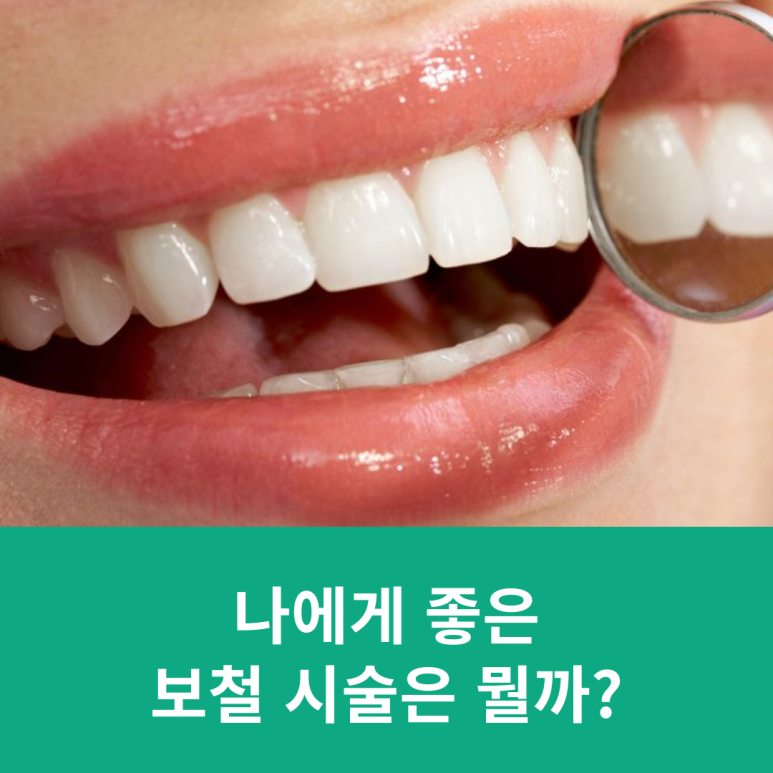
Beyond dentures and bridges, what is the better prosthetic treatment?
�
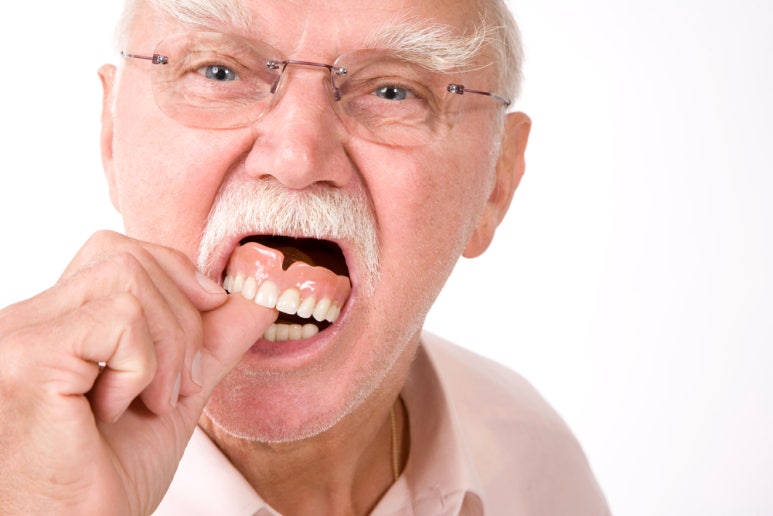
Among the various prosthetic treatments, dentures have long been the most commonly used, and they are often used by older adults because of their low cost. However, dentures have weak biting force and can place pressure on the gums when chewing food, which may cause gum disease.
�
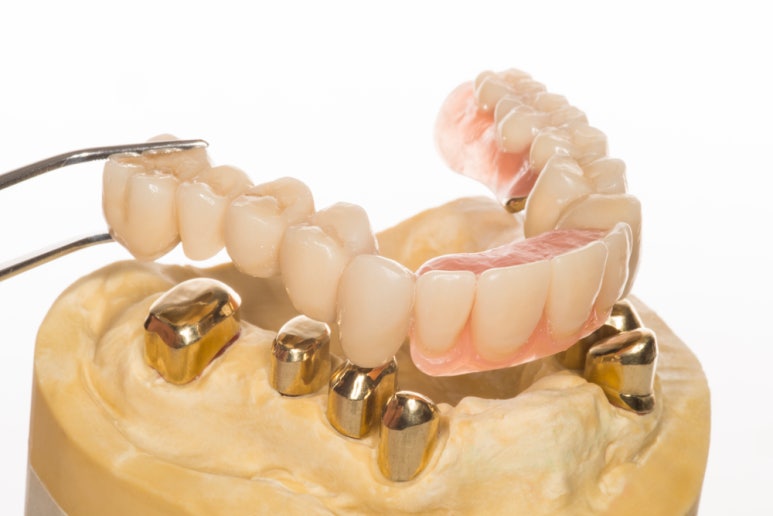
Meanwhile, a bridge is a prosthetic treatment in which the adjacent teeth around the missing tooth are used as supports, the teeth are filed down, and then an artificial tooth is connected. However, the burden of having to file down healthy teeth and issues with chewing force may limit food intake.
�
But implants are different!
�
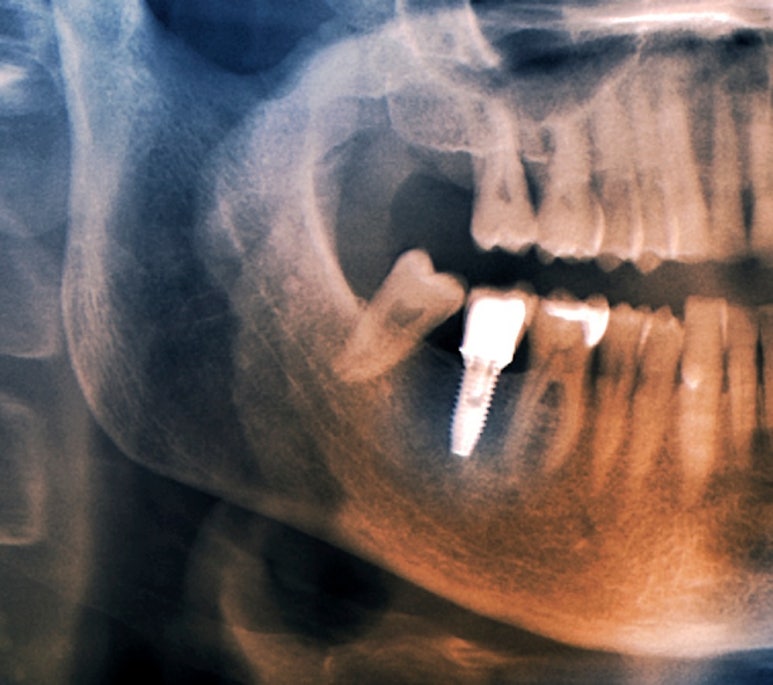
An implant is a procedure that places an artificial tooth to replace a missing tooth, and an artificial root made of titanium is inserted into the jawbone. Therefore, it has better chewing force than other prosthetic treatments and can produce effects similar to natural teeth.
�

After an implant procedure, several precautions are needed. For 2 to 3 days after the procedure, avoid bathing, hot packs, strenuous exercise, perms, and so on, and avoid smoking for 2 weeks after surgery.
�
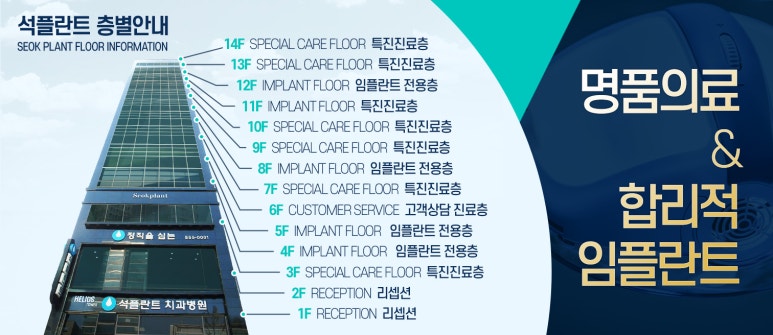
Tooth loss is common not only among older adults but also among younger people. If you want a better prosthetic treatment, consider implant treatment!
�















�