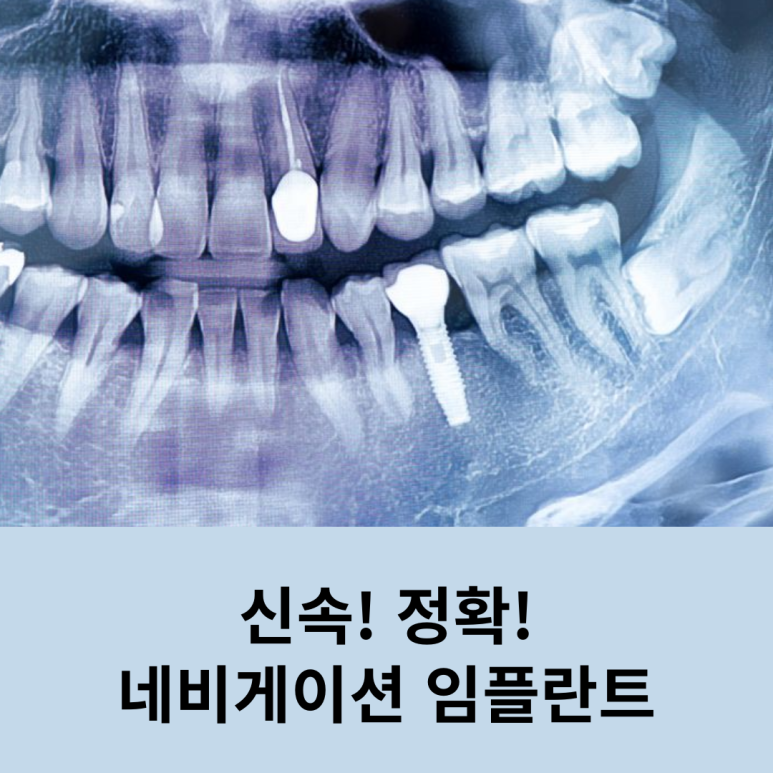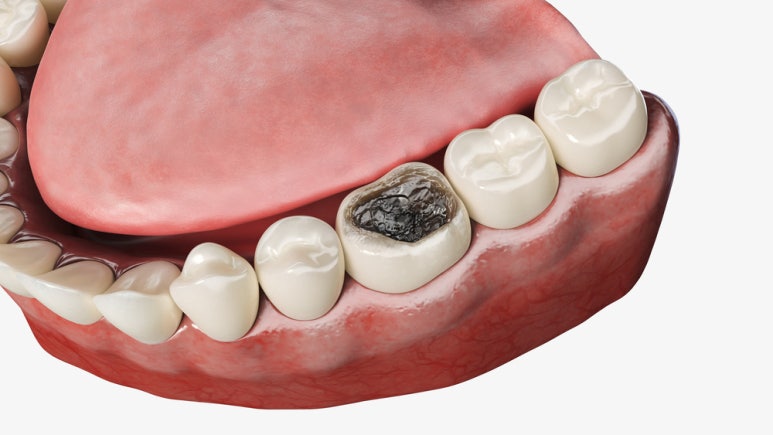
Because teeth do not grow back once they are lost, everyday care is important. However, teeth can sometimes be damaged by cavities or accidents. In such cases, you may consider implants. Implants provide a replacement designed to function similarly to the original tooth.
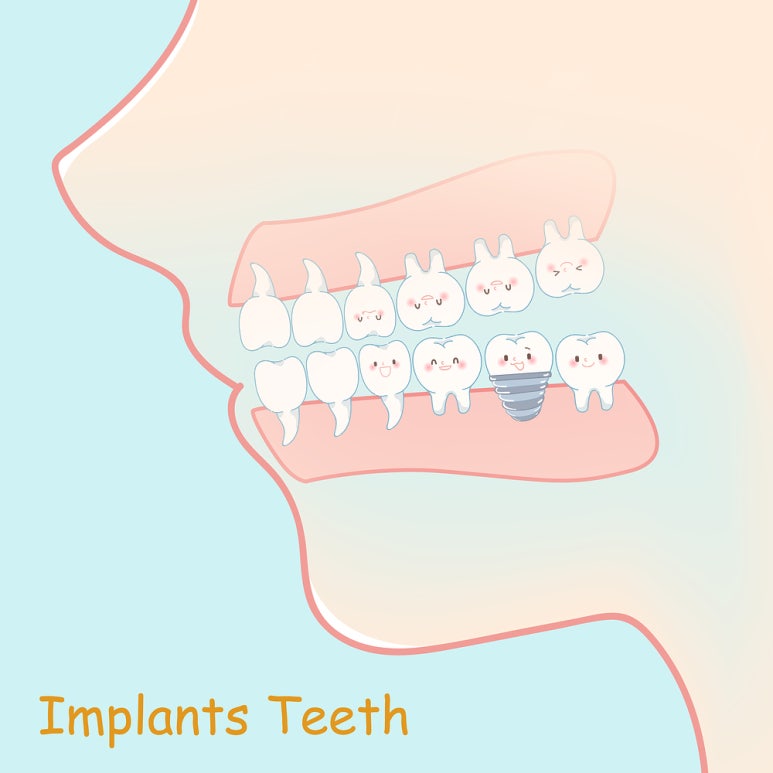
If a tooth is lost or treatment is delayed, chewing ability may decline, making digestion more difficult, and nearby teeth may also be affected. In addition, a tooth gap left empty for a long time can weaken as the jawbone is resorbed. In such cases, bone grafting may need to be performed before a standard implant procedure.
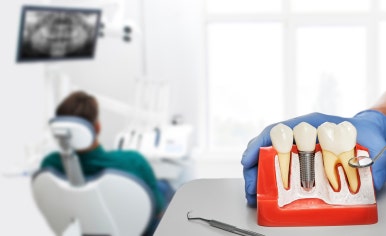
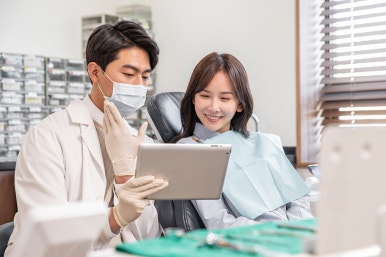
Therefore, it is important to carefully evaluate the condition of the lost gum and jawbone and to establish an implant placement plan that matches each person’s oral condition. For patients with chronic illnesses, body recovery may be delayed, so consultation with medical staff is necessary. In some cases, medication use may also limit incision-based implant procedures.
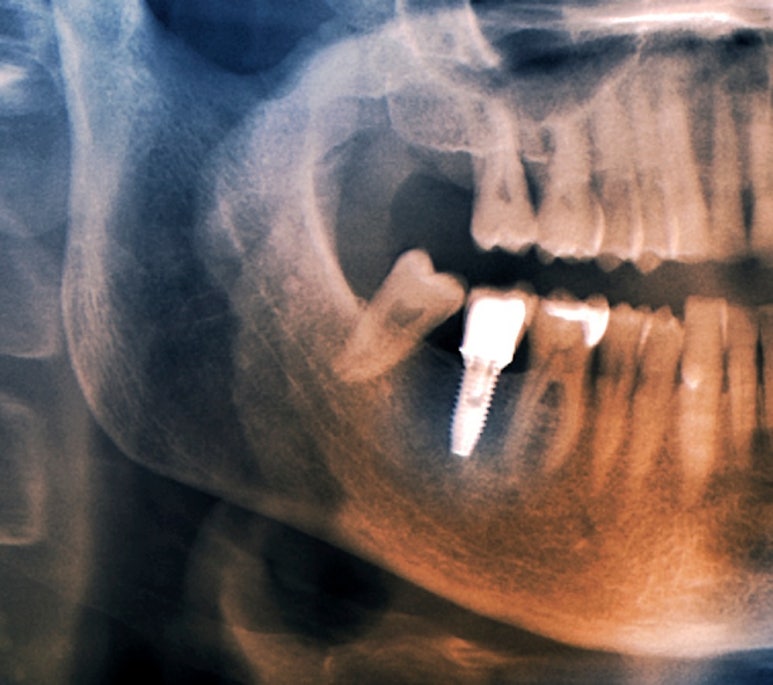
Navigation implants can shorten treatment time by identifying the exact position and depth through 3D CT imaging. This method reduces bleeding and swelling and shortens recovery time, easing the burden on patients with chronic illnesses or older adults.
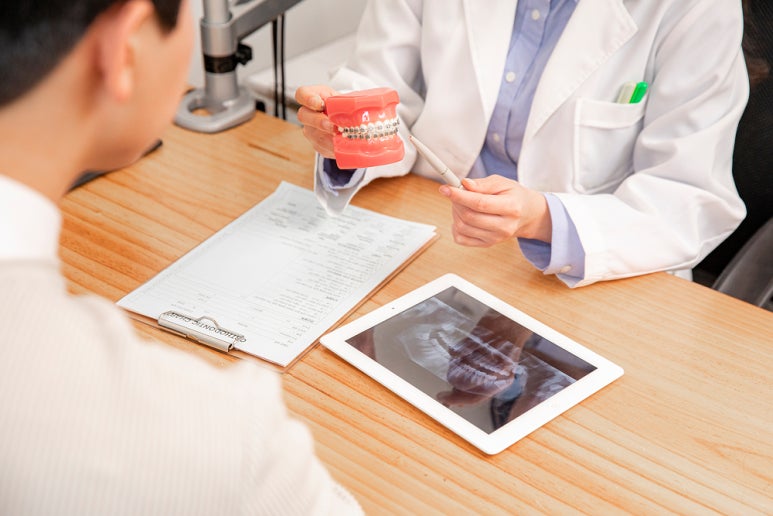
A representative from Seokplant Dental Hospital said, “As dental technology has advanced, implants have become an option for replacing tooth loss in patients with chronic illnesses or older adults. However, the expertise of the medical staff has a major impact on the outcome. Care should be taken when choosing a dental clinic and medical team.”