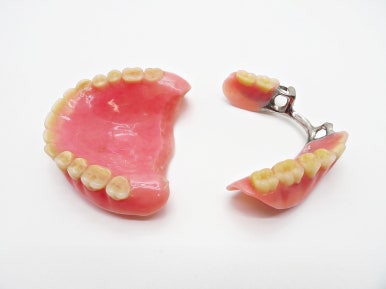
Hello! Today, I’d like to talk about health care tips to consider when using implants and dentures.
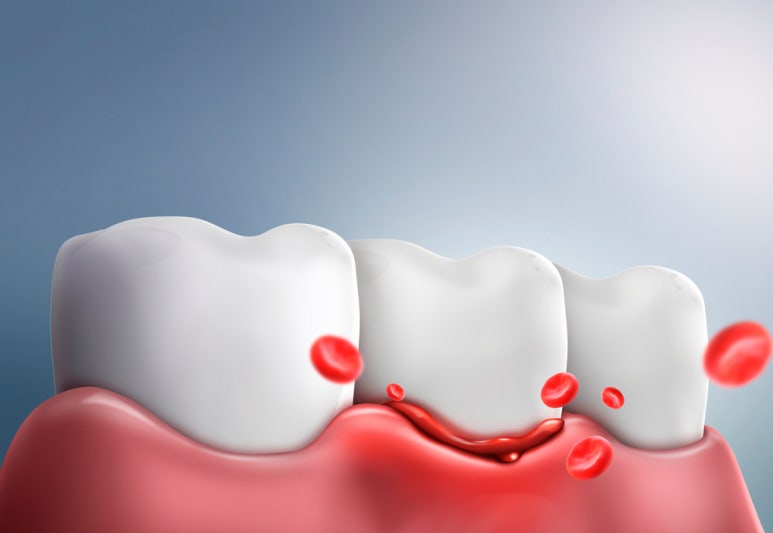
Among adults in our country, a large number experience gum problems, and especially among those over 40, nearly 90% have inflammation around the gums or jawbone. In such situations, prosthetic devices such as implants or dentures may become necessary. Today, let’s take a look at the proper approach and management methods for this.
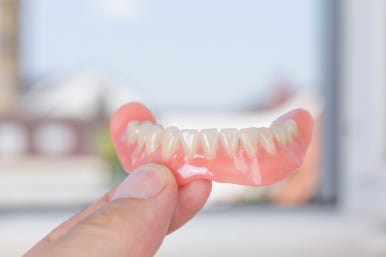
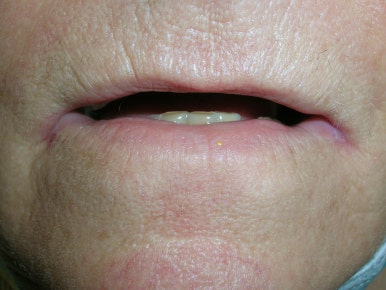
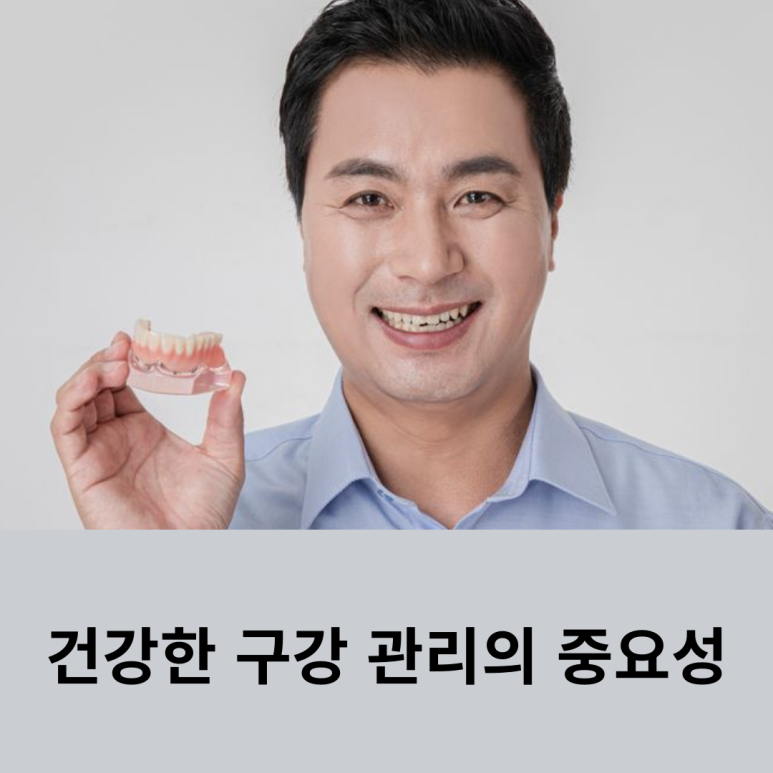
First, let’s talk about dentures. Dentures are mainly used when many teeth are missing or when no teeth remain at all, and they are especially often recommended for older adults. Because dentures provide only about 20% of the chewing force of natural teeth, it may take time to learn how to chew food properly when first using them. During the first 6 to 8 weeks, denture users should eat soft foods and gradually check whether the dentures fit well.
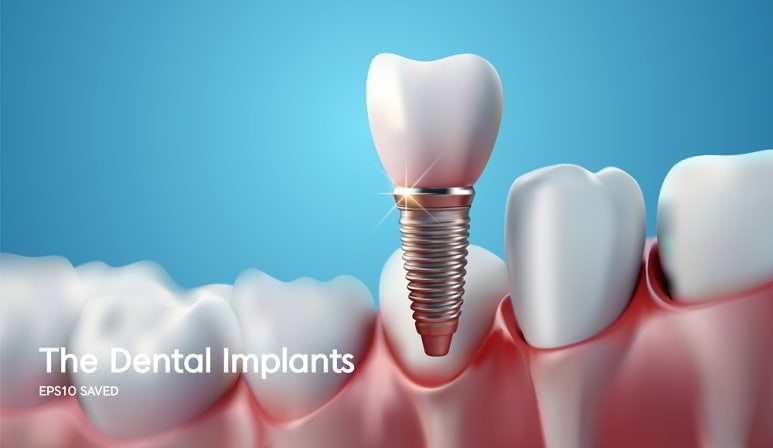
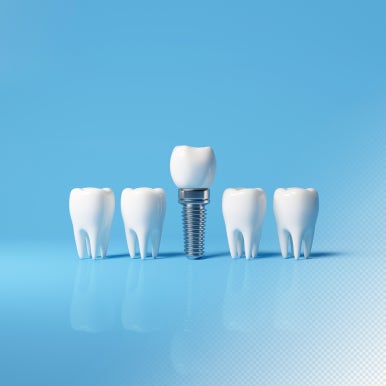
Now, let’s look at implants. Implants are mainly used when replacing molars or front teeth that need strong chewing force. An implant consists of an artificial tooth root placed in the jawbone and a crown placed on top of it, providing chewing ability similar to that of natural teeth. However, if there is inflammation around the gums or jawbone, the failure rate of implants can increase, so managing inflammation before and after the procedure is very important.
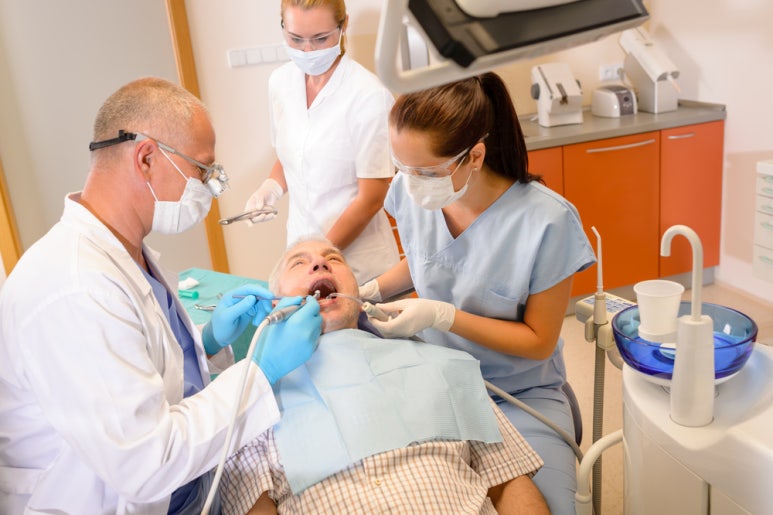
Regular dental checkups are essential for managing inflammation. In particular, implant users should receive regular dental checkups every 6 months to 1 year, and if necessary, have X-rays taken to examine the condition of the gums and jawbone. In addition, thorough oral hygiene is required to ensure that food debris does not remain around the implant. This helps prevent bacterial growth and peri-implantitis.


Finally, people using implants or dentures should avoid hard and tough foods. Such foods can place a burden on implants or dentures and increase the risk of damage. Also, smoking increases the failure rate of implants, so quitting smoking is recommended.
To maintain a healthy oral condition, regular dental checkups along with proper oral care habits are essential. Please keep up with consistent care for your healthy smile!