Teeth each perform different roles within our mouths. Molars are mainly involved in forcefully grinding food, while front teeth are responsible for our aesthetic appearance.
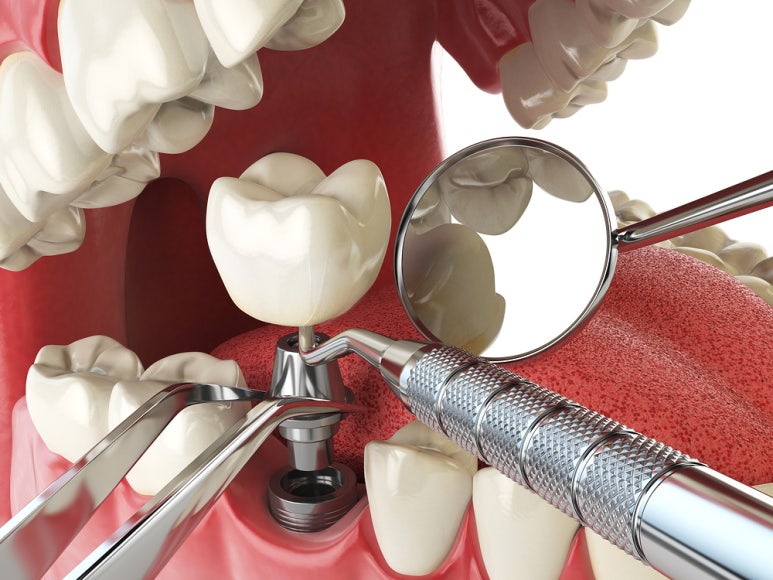
When a molar is damaged, prompt action is necessary. If a molar is left as an empty space, the surrounding teeth may slowly shift or tilt, which can disrupt the balance between the teeth. This can also affect the strong structure of the teeth and the health of the gums around them.
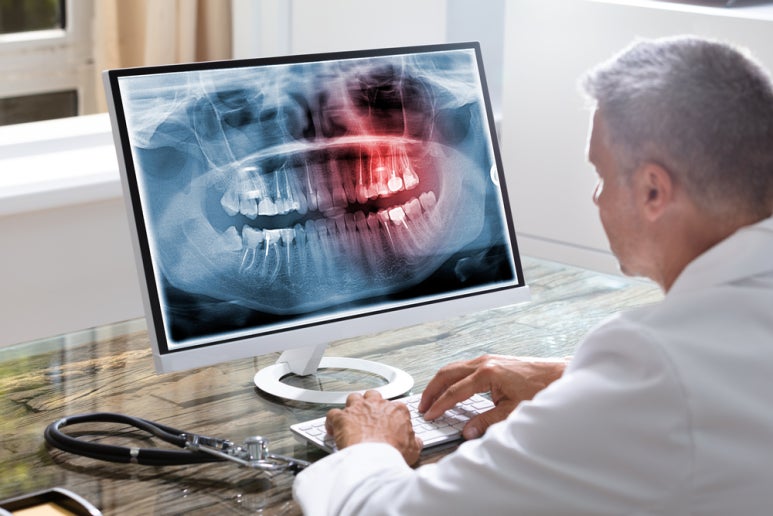
Experts emphasize that a careful procedure is required when placing an implant in a molar. To prevent nerve damage, it is important to create a treatment plan through precise analysis and CT scans. In addition, before placing the implant, a computer-assisted simulation surgery can help determine the exact position and depth.
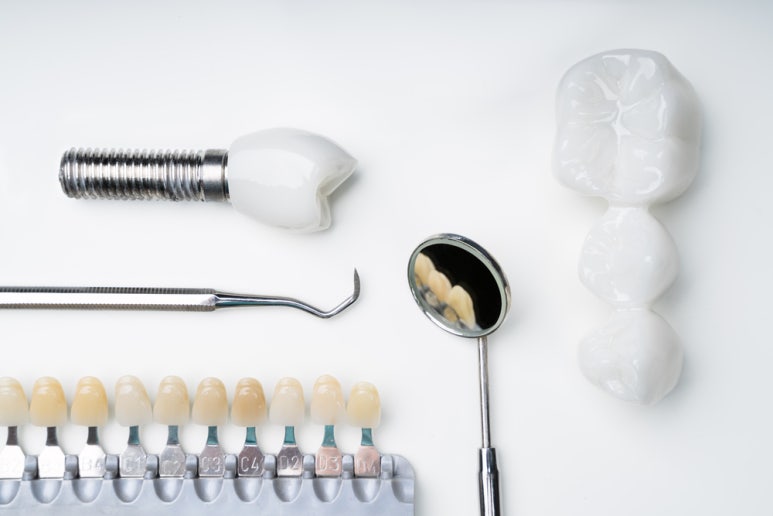
The choice of implant material is also very important. Implants used in molars must remain stable even when chewing food with great force and must bond firmly with the bone. To do this, an appropriate material should be selected from among gold, PFM, and zirconia, which are materials used for prosthetics. Recently, zirconia has been gaining popularity and is regarded as a material suitable not only for molars but also for front teeth.

Also, because molars are used frequently for chewing, there is a possibility of implant fracture. Therefore, it is important to find the appropriate treatment method through medical staff with abundant clinical experience. With this kind of care, patients can maintain a healthy oral environment and achieve satisfactory treatment results.