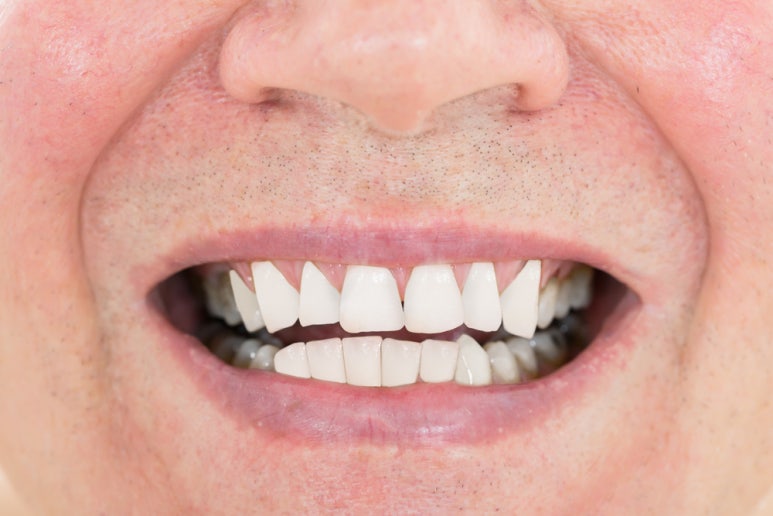
An implant is one of the biggest treatments that can replace a tooth. However, experts emphasize that managing bacteria in the mouth remains important even after an implant is placed, and that neglecting this can leave you vulnerable to periodontal disease.
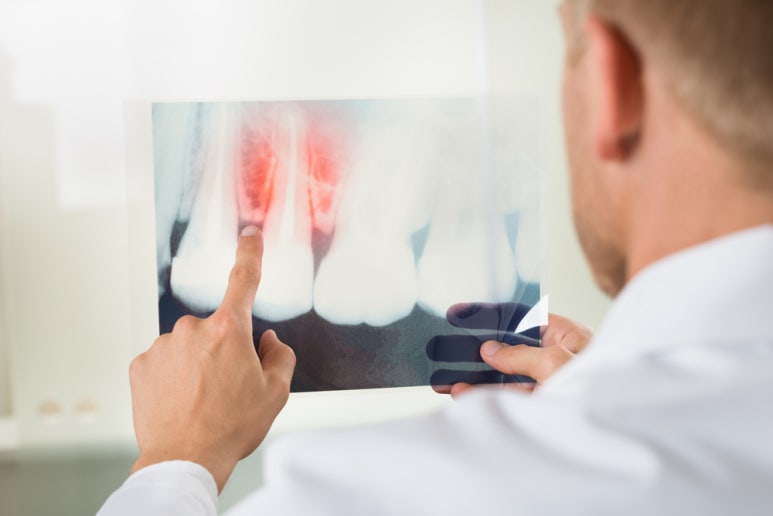
▲Why is implant care important?
Unlike natural teeth, implants do not have nerves, so even if inflammation develops, you may not feel pain. In particular, inflammation around an implant, called 'peri-implantitis,' can in severe cases extend into the jawbone.

According to a recent study, a follow-up over 8 years after implant treatment found that more than 60% of patients developed 'peri-implantitis.' This shows how important implant care is.
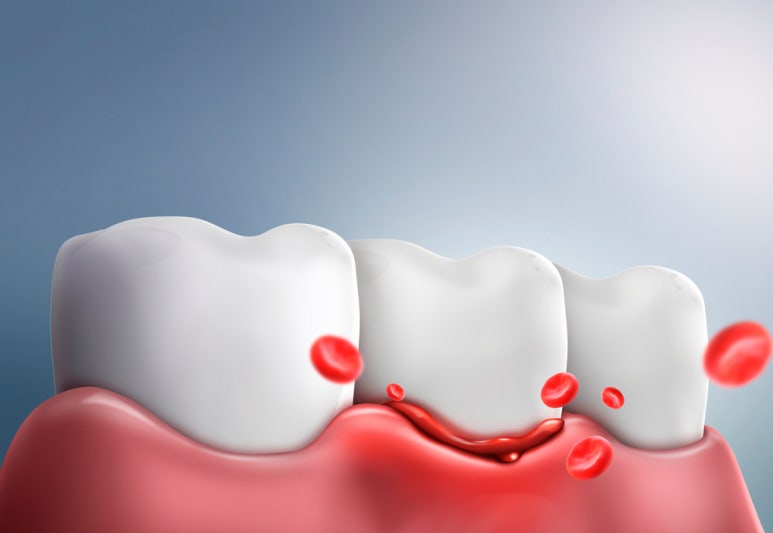
In particular, when an implant is in poor condition, bacteria that cause periodontal disease can easily multiply in the mouth. These bacteria can not only cause inflammation in the oral cavity but also affect the overall immune system.
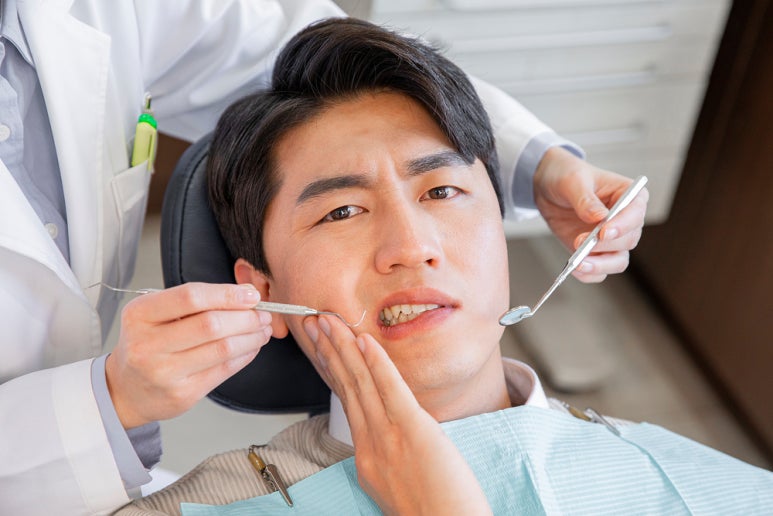
Experts emphasize, "Implant care is about reducing the number of bacteria in the mouth, and people with systemic diseases such as diabetes, hypertension, and cardiovascular disease should be especially careful."
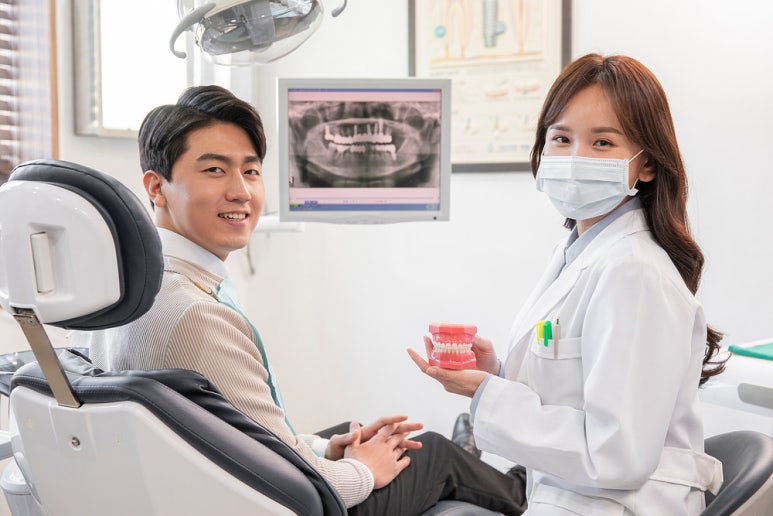
▲The lifespan of an implant depends on lifestyle habits.
The lifespan of an implant depends greatly on the patient's lifestyle habits and aftercare. After the procedure, it is important to check the condition through regular dental checkups and maintain the health of the teeth and gums.


In particular, brushing is important for preventing periodontal disease. To thoroughly remove bacteria that have accumulated in periodontal pockets, it is recommended to use dental floss or interdental brushes.
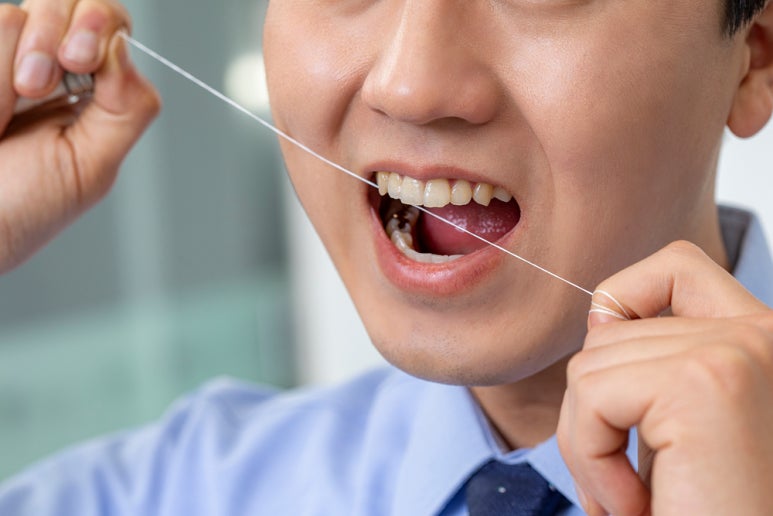
Experts advise, "Especially before going to sleep, bacterial activity in the mouth becomes more active, so you must brush your teeth." Through this, patients can maintain a healthy oral environment and extend the life of their implants.