Hello, today I’d like to talk about full-mouth implants. Around the age of 13 to 15, our baby teeth fall out and permanent teeth come in. Adults normally have 28 permanent teeth, or 32 including wisdom teeth.

Permanent teeth are important teeth that we have to use for our entire lives, from our teenage years through old age. But as we get older, teeth can break or fall out. When teeth are lost, it can affect not only chewing function but also overall health. In some cases, reduced blood flow to the brain may even increase the risk of dementia. That’s why it’s best to receive treatment quickly when a tooth falls out.
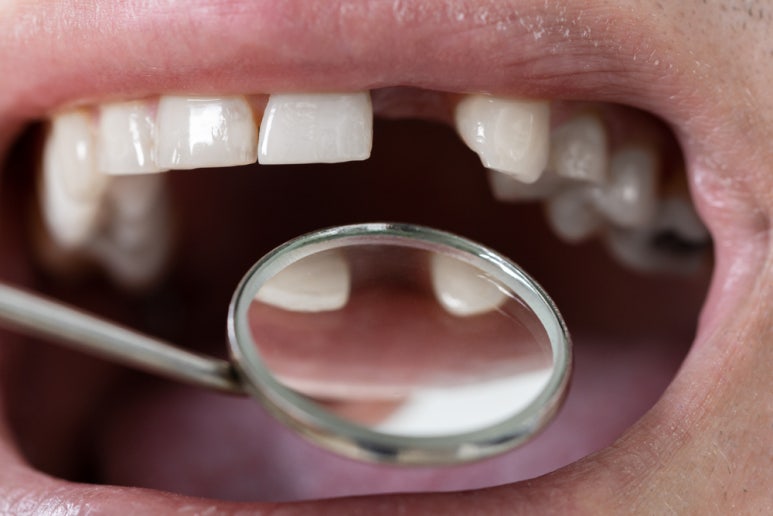
This is especially common among middle-aged and older adults, many of whom suffer from dental and periodontal disease. It is also common to have fewer than 20 remaining teeth, or almost none at all. In such cases, one option to consider is a “full-mouth implant.” This method provides fixation and chewing strength similar to natural teeth, helping restore the function of lost teeth.
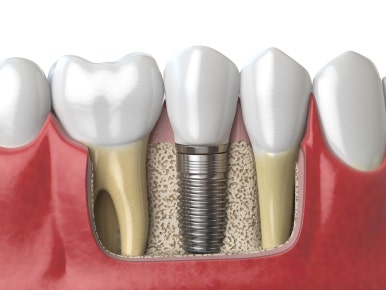
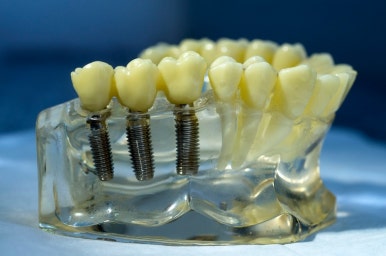
A full-mouth implant involves placing 6 to 10 implants in the upper jaw and lower jaw, then attaching prosthetic teeth on top. Because multiple implants are placed throughout the mouth, very strong fixation can be expected. In addition, artificial roots bond well with the human bone and can help prevent alveolar bone resorption. This can restore the enjoyment of chewing food and greatly improve aesthetics as well.

Full-mouth implants are especially useful for middle-aged and older adults. People in these age groups are more likely to have not only dental or periodontal disease and inflammation, but also various health issues such as high blood pressure, diabetes, and osteoporosis. If tooth loss has been left untreated for a long time, alveolar bone loss can become severe, so prompt treatment is needed.

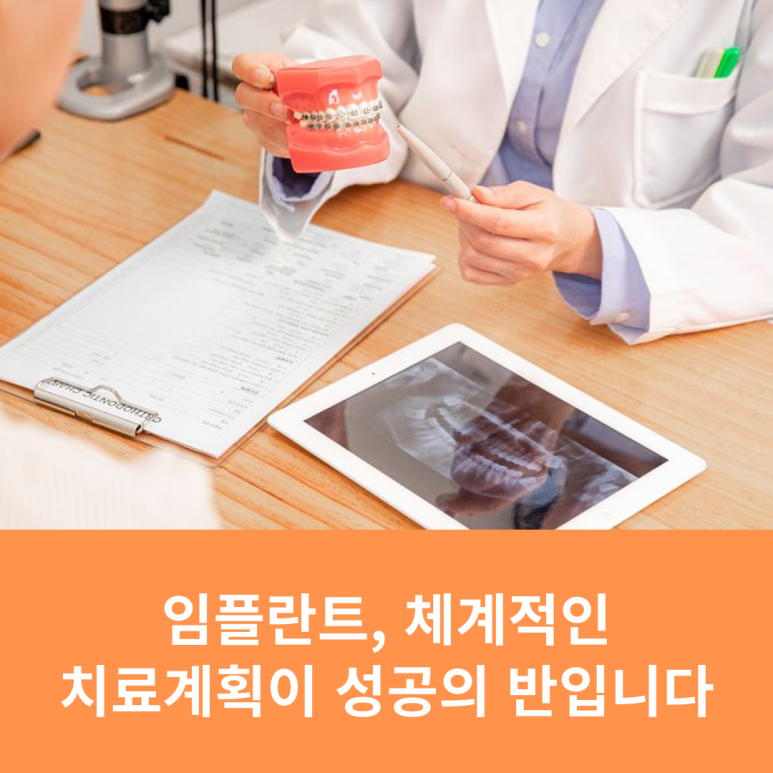
When getting a full-mouth implant, it is important to carefully consider the clinician’s skill, implant placement technique, and prosthetic fabrication know-how. From diagnosis and testing to implant placement and final prosthetics, the process can take 6 to 8 months or even up to a year, so it should be approached carefully.
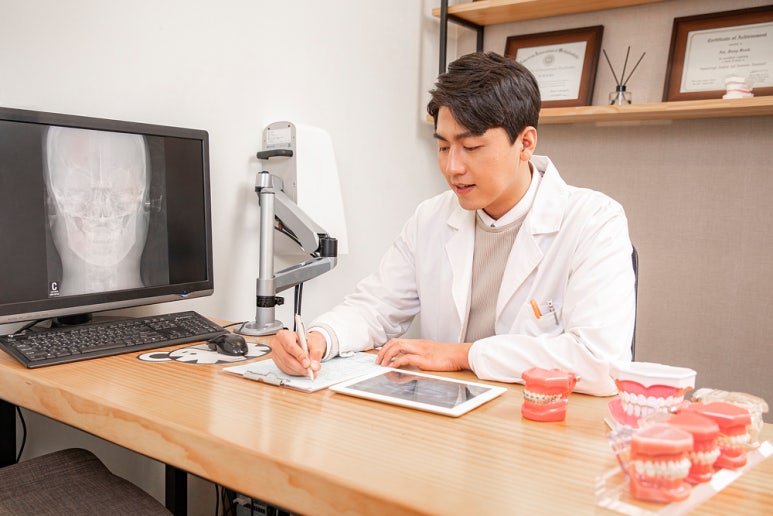
After surgery, don’t forget regular dental visits and ongoing care to help prevent peri-implantitis, inflammation, sensory abnormalities, and implant failure. It is important to fully understand your current condition through sufficient consultation and to choose a medical team you can trust.
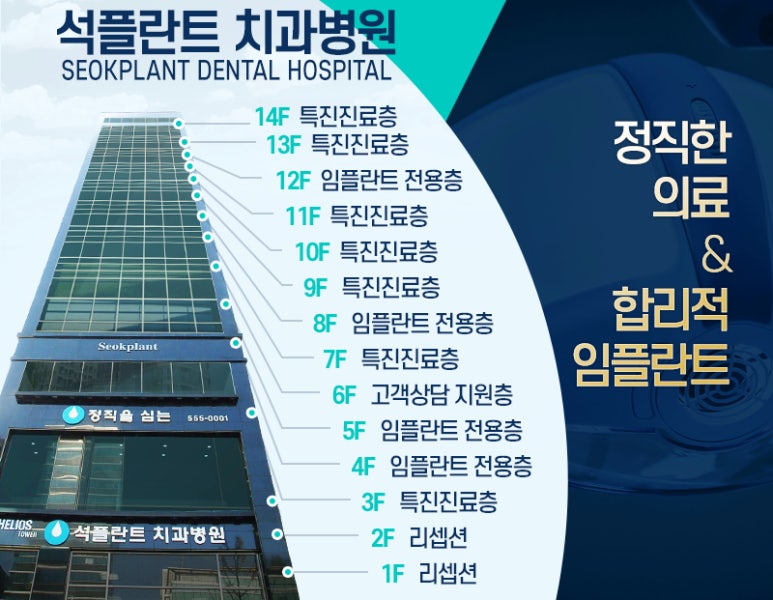
Seokplant Dental Hospital will do our best for your healthy teeth and bright smile! If you have any questions, please feel free to contact us anytime!