AI-translated archive post

Peri-implantitis: Prevention Is the Best Approach!

석플란트치과병원 · 석플란트치과병원 · June 21, 2024

Hello, today I’d like to talk about peri-implantitis. As people get older and lose their natural teeth, more and more people are getting implants. However, if implants are not care...

AI translation notice

This page is an English translation of a Korean Naver Blog archive entry. For exact wording and source context, verify against the Korean archive original and the original Naver post.

Clinic: 석플란트치과병원

Original post date: June 21, 2024

Translated at: April 24, 2026 at 2:07 AM

Medical note: This translation does not guarantee medical accuracy or suitability for treatment decisions.

Peri-implantitis: Prevention Is the Best Approach! image 1

Hello, today I’d like to talk about peri-implantitis. As people get older and lose their natural teeth, more and more people are getting implants. However, if implants are not cared for as well as natural teeth, inflammation can occur. As a result, the jawbone may be lost, and the implant may need to be removed.
Peri-implantitis: Prevention Is the Best Approach! image 2

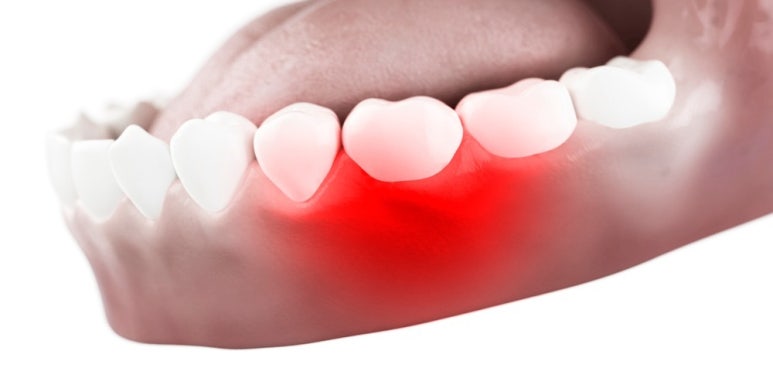
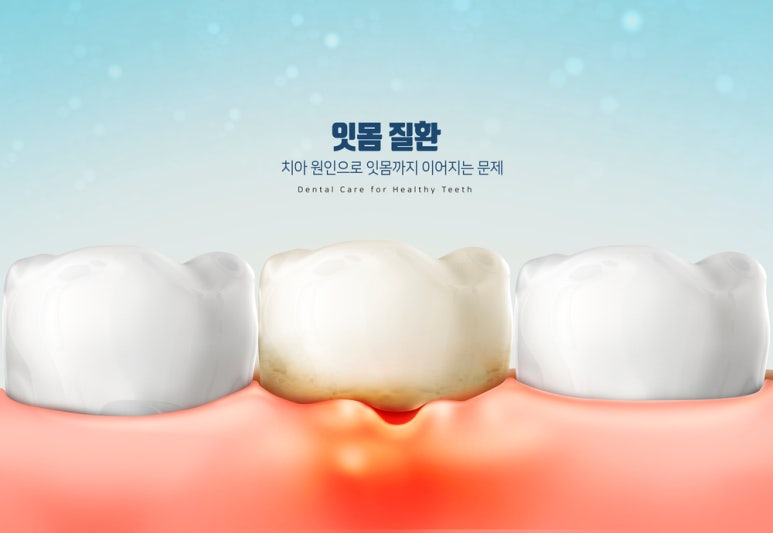
Peri-implantitis is inflammation caused by bacteria growing around an implant. It can develop when tartar and plaque are not properly managed, or when inflammation occurs in the gums and jawbone supporting the implant due to smoking, drinking, or other conditions.

Peri-implantitis: Prevention Is the Best Approach! image 3

Peri-implantitis occurs in about 10% of implant patients, or roughly 1 in 5 patients. Unlike natural teeth, implants do not easily cause pain even when a problem develops, so by the time you notice something is wrong, the symptoms are often already quite advanced.
Peri-implantitis: Prevention Is the Best Approach! image 4

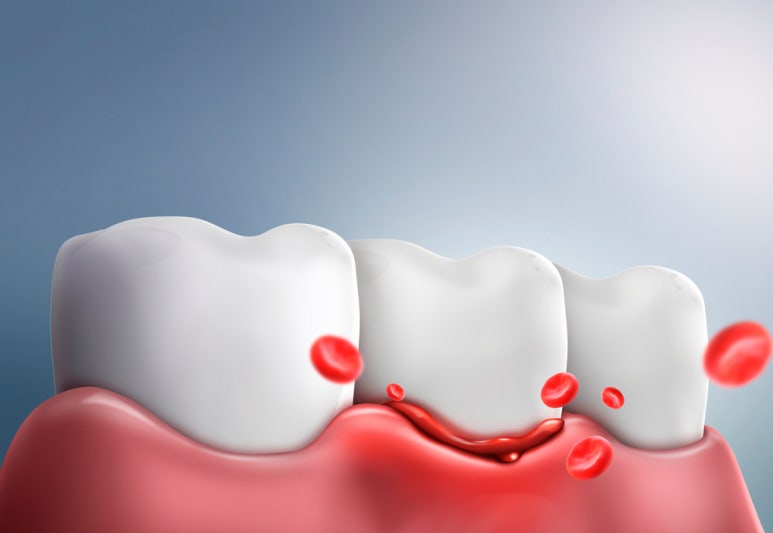
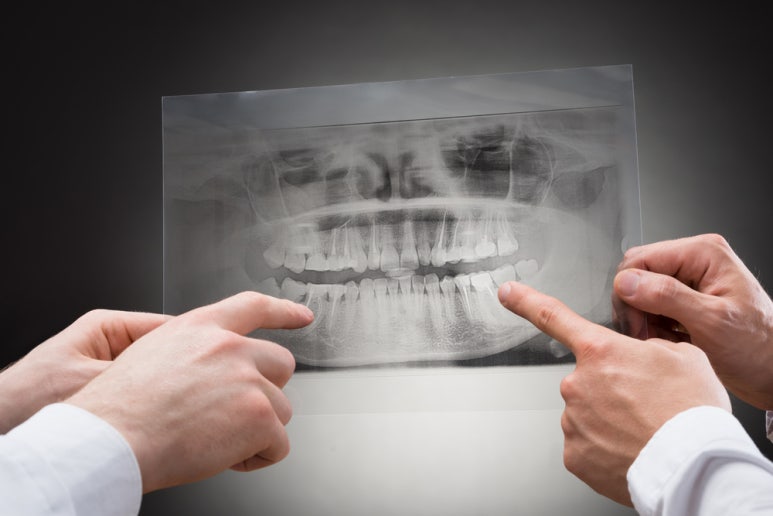
The symptoms of peri-implantitis are similar to inflammation around natural teeth. The gums may swell, bleed when brushing, or turn red, and in severe cases, pus may come out. In such cases, careful oral hygiene may help improve the condition, but because implants have no nerves, it can be difficult to notice the symptoms.
Peri-implantitis: Prevention Is the Best Approach! image 5

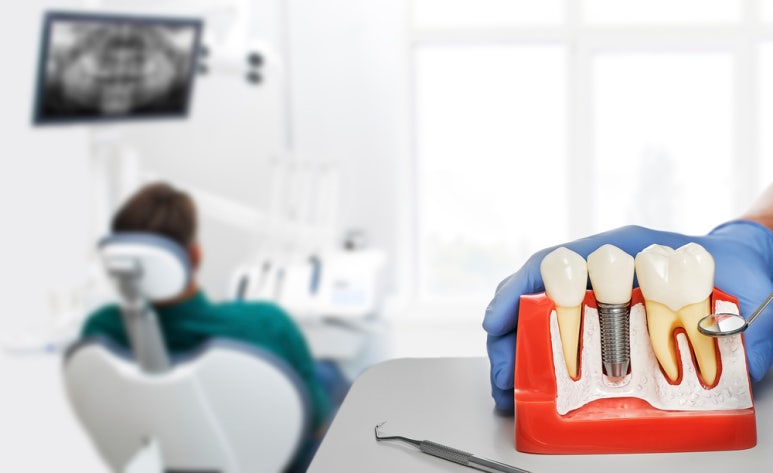
If bone resorption becomes significant due to peri-implantitis, the implant may need to be removed in the worst case. That is why, if gingivitis or periodontitis has developed around an implant tooth, it should be treated actively, and secondary prevention should be emphasized to keep it from recurring.
Peri-implantitis: Prevention Is the Best Approach! image 6

Because peri-implantitis can occur after the prosthetic restoration is connected, it is important to visit the dentist regularly for implant care and checkups. There are also reports that people who receive regular oral hygiene care have a much lower incidence of peri-implantitis than those who do not.


Peri-implantitis: Prevention Is the Best Approach! image 7

Peri-implantitis: Prevention Is the Best Approach! image 8

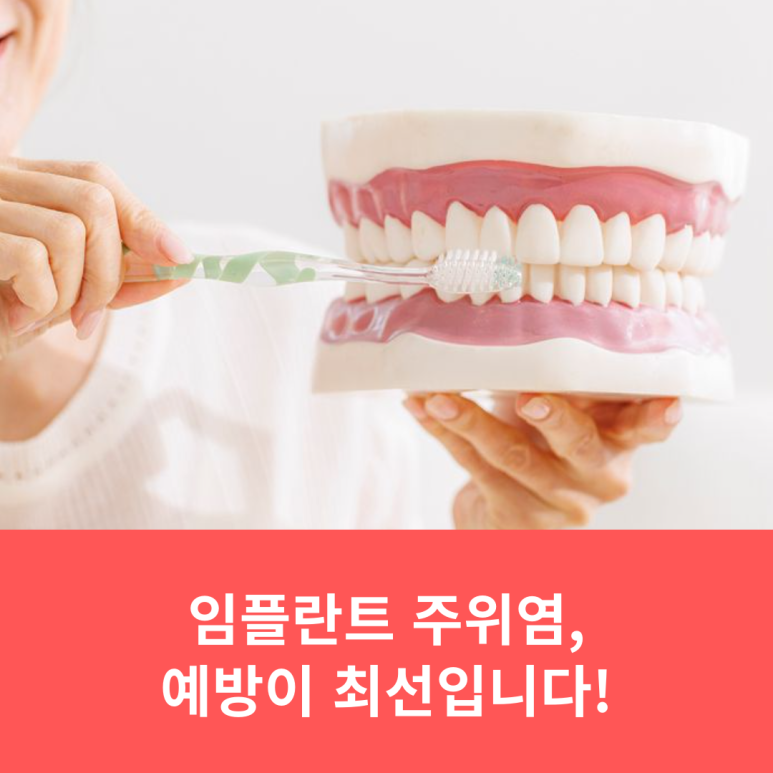
After implant treatment, you should always keep the implant clean by using a soft toothbrush, dental floss, interdental brushes, and similar tools. And don’t forget to visit the dentist regularly to check your gum health!
Peri-implantitis: Prevention Is the Best Approach! image 9

For your healthy teeth and bright smile, I will always do my best. If you have any questions, please feel free to contact me at any time!

Peri-implantitis: Prevention Is the Best Approach! image 10

Peri-implantitis: Prevention Is the Best Approach! image 11

Peri-implantitis: Prevention Is the Best Approach! image 12

Peri-implantitis: Prevention Is the Best Approach! image 13

Peri-implantitis: Prevention Is the Best Approach! image 14

Peri-implantitis: Prevention Is the Best Approach! image 15

Peri-implantitis: Prevention Is the Best Approach! image 16

Peri-implantitis: Prevention Is the Best Approach! image 17

Peri-implantitis: Prevention Is the Best Approach! image 18

Peri-implantitis: Prevention Is the Best Approach! image 19

Peri-implantitis: Prevention Is the Best Approach! image 20

Peri-implantitis: Prevention Is the Best Approach! image 21

Peri-implantitis: Prevention Is the Best Approach! image 22

Peri-implantitis: Prevention Is the Best Approach! image 23

Peri-implantitis: Prevention Is the Best Approach! image 24

Peri-implantitis: Prevention Is the Best Approach! image 25

Peri-implantitis: Prevention Is the Best Approach! image 26

Peri-implantitis: Prevention Is the Best Approach! image 27

Peri-implantitis: Prevention Is the Best Approach! image 28

Continue browsing

Keep exploring this clinic's public source trail

Return to the source archive for more translated posts, or open the Korean clinic profile to compare other public channels.