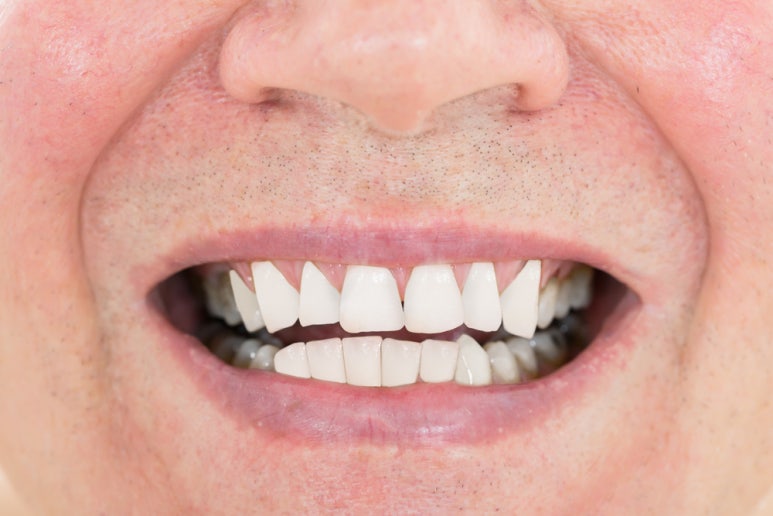
Healthy teeth have a major impact on our lives, and when teeth are missing, we experience both large and small inconveniences. Teeth are mostly made up of minerals and are very hard, but once they are damaged, it is difficult for them to recover, so steady care is needed in everyday life.
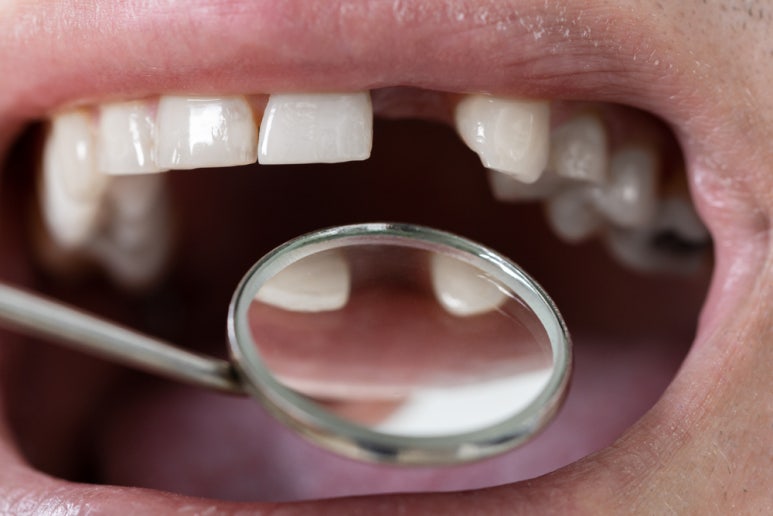
When you lose a tooth, it not only looks less attractive, but can also cause problems with chewing. Also, if a missing tooth is left untreated, it can lead to malocclusion or temporomandibular joint disorders, so caution is needed.
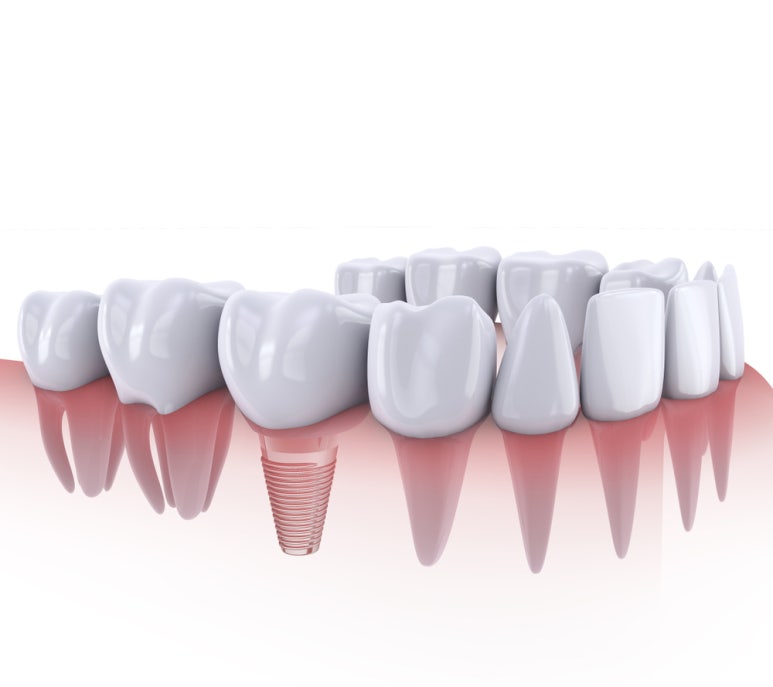
Among the various ways to replace a natural tooth after losing it, the most commonly chosen option is an implant. It is called the “second permanent tooth” because it offers function and aesthetics very similar to those of a natural tooth. An implant is performed by placing a titanium artificial tooth root into the area where the tooth is missing and then attaching a prosthetic restoration on top.
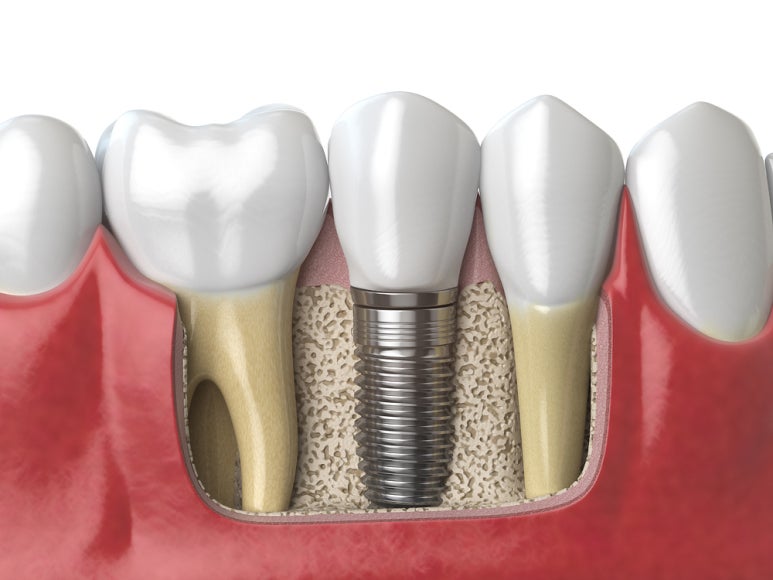
Because implants are placed directly into the jawbone, they have strong fixation and can be used semi-permanently with proper care, which is why many people prefer them. However, many older adults and people with conditions such as diabetes or high blood pressure hesitate to get implants because they are concerned about bleeding or pain from surgery.
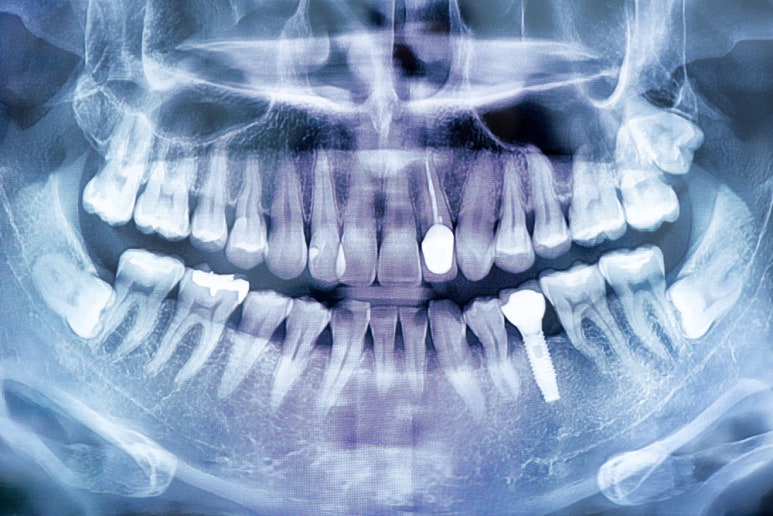
In such cases, navigation implants can be a good alternative. Unlike conventional implants, navigation implants do not require a large incision in the gums; instead, the artificial tooth root is placed through a small opening. This method has the advantages of shorter procedure time, less pain and bleeding, and faster recovery, making it especially suitable for older adults and patients with chronic conditions.
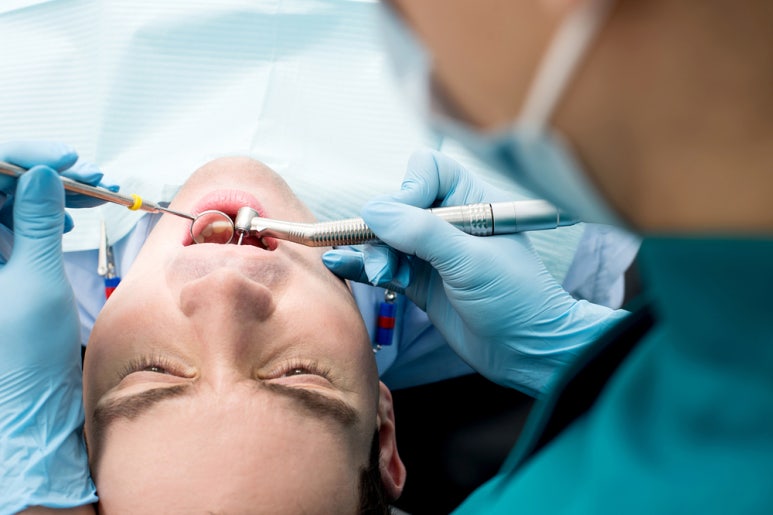
Before the procedure, navigation implants use detailed examinations to determine in advance the position and angle for placing the implant, which increases accuracy and helps block potential risk factors beforehand. Conventional implants may involve gum incision and can cause inflammation, but navigation implants do not require gum incision, so the risk of infection is relatively lower.
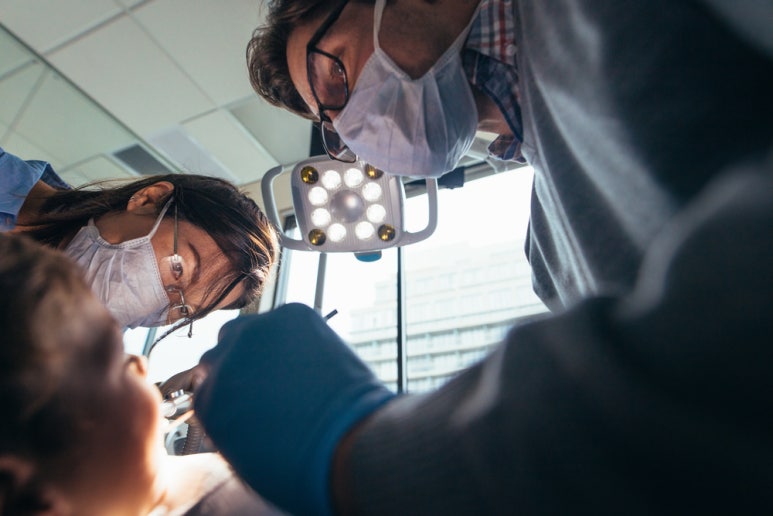
The success of navigation implants depends on an accurate dental diagnosis. After analyzing the condition of the oral cavity, alveolar bone, nerves, and blood vessels using 3D CT or an intraoral scanner, a simulated surgery is performed with specialized software to determine the optimal placement angle.

Navigation implants are known for their high precision through the use of digital equipment, but ultimately what matters most is the skill and experience of the medical staff. If you are considering navigation implants, it is advisable to choose a dental clinic where experienced medical staff are available and thorough aftercare is possible.
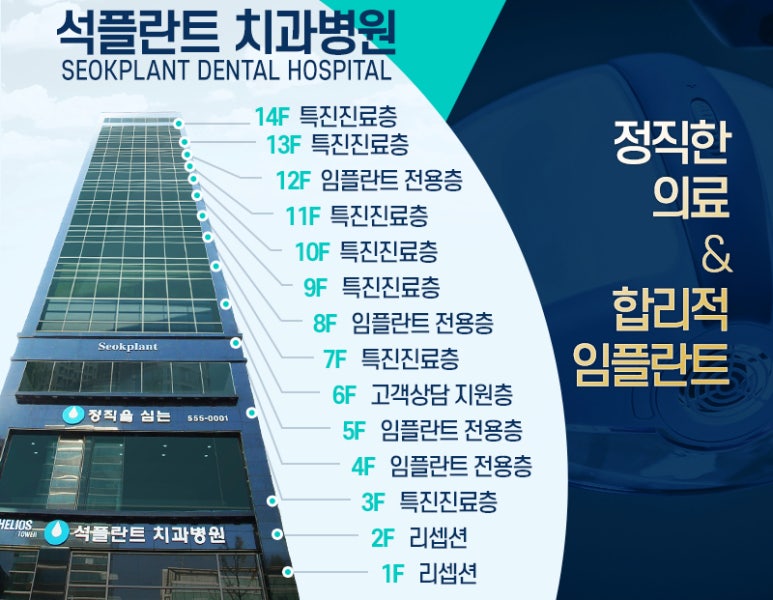
If you are worried about tooth loss, visit Seokplant Dental Hospital and regain healthy teeth through an accurate diagnosis and an optimal treatment plan. We will do our best for your oral health!