If you do not receive implant treatment at the appropriate time
and delay it, various problems can occur.
Let’s look at what kinds of problems may arise.

- Loss of the jawbone (alveolar bone) occurs.
When a tooth falls out, the jawbone in that area is no longer used,
so it gradually deteriorates and shrinks.
This begins within a few months after the tooth is lost,
and the bone loss becomes more severe over time.
If there is not enough bone left, an implant cannot be placed,
and in this case, bone graft surgery may be necessary.
This complicates the treatment process and also increases the cost.
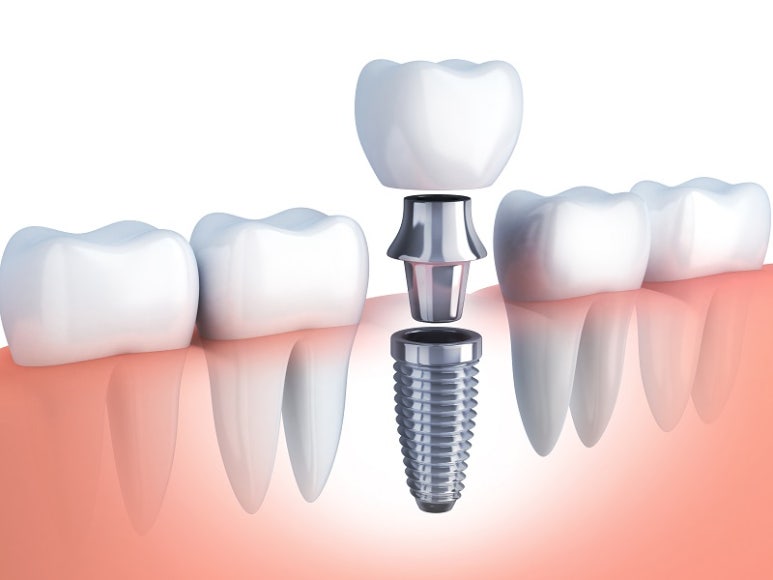
- Movement of surrounding teeth
When a tooth is lost, adjacent teeth tend to slowly move into the empty space.
This can cause problems with tooth alignment and lead to changes in the bite.
If the teeth move, there may not be enough space for an implant,
or bite problems may occur, making implant treatment more difficult.
In addition, orthodontic treatment may be needed as well.

- Bite problems and temporomandibular joint disorder
If one or more teeth are left missing for a long time,
the way you chew can change and bite imbalance can develop.
This can put strain on the temporomandibular joint and cause TMJ disorder.
TMJ disorder can lead to jaw pain, headaches, and more,
and treatment can become complicated.

- Worsening gum health
If the gum tissue in the area where the tooth is missing is not properly managed,
inflammation may develop or periodontal disease may occur.
When the gums are not healthy,
placing an implant may be difficult,
and because gum disease must be treated first,
the overall treatment process may be delayed.
- Overall oral health deterioration
If a missing tooth is left untreated for a long time,
it can also negatively affect overall oral health.
For example, if you cannot chew food properly,
digestive problems may occur, or unnecessary strain may be placed on other teeth,
causing them to become damaged.
When oral health worsens, problems can arise in other teeth as well,
and overall dental treatment can become more complicated and costly.

In conclusion, delaying implant treatment goes beyond simply replacing a tooth.
It can have a major impact on overall oral health, aesthetic factors,
and quality of life.
Therefore, if you lose a tooth,
it is advisable to consider implant treatment as soon as possible.
If treatment is delayed,
additional complicated procedures may be needed,
and long-term health problems may occur.
If you need a consultation about implants,
please feel free to contact the number below at any time.
Dedicated Implant Customer Center
☎ 02-555-0001
(After the ARS connects, please press 1)
The dedicated consultation team is contacting patients.