Hello.
Are you looking into where to go because you need to remove your laminates?
I’m Kim Mu-jin, the chief director of DDAY Dental Clinic
and a specialist in Comprehensive Dentistry.

A dental clinic that does its best to preserve natural teeth,
a clinic that strives to minimize pain—
with that treatment philosophy,
we have continued practicing in one place :)
If you are reading this now,
you are likely in a situation where you need to have your laminate removed.
Perhaps you are dealing with concerns such as:
My laminate has chipped.
I don’t like the color,
so I want to do it again.
It seems like decay has developed
under the laminate.
and similar worries.
If you decide to remove it without caution
based only on online reviews,
you may face irreversible results.
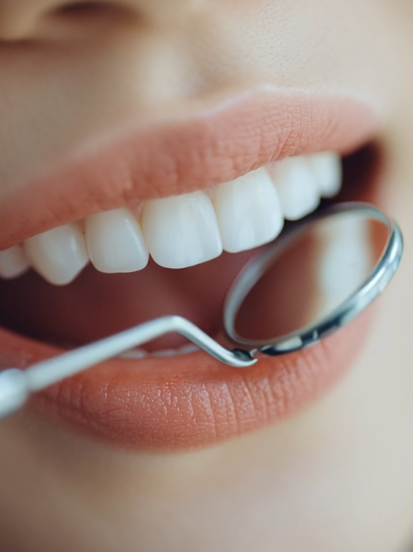
During the laminate removal process,
natural teeth can be damaged,
and in severe cases, root canal treatment may even be necessary.
If you thought it would come off easily,
as if peeling an eggshell, that would be a big mistake.
In particular, you should not be misled by false information
that says non-prep laminates can be removed easily.
Today, I want to share accurate information
about laminate removal,
so that you can make a choice without regret.
Table of Contents
-
Laminate removal,
a more complicated process than you might think
-
Treatment options available
after laminate removal
-
Laminate removal,
what you should know before making a careful decision
-
Laminate removal,
a more complicated process than you might think
Many people think of laminates
like nail stickers that are applied to nails.
They assume that if they don’t like them,
they can simply take them off and put them back on.
But laminates are chemically bonded to the teeth
with a special dental adhesive,
so the removal process is very difficult.
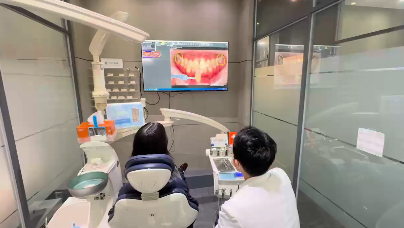
When removing a laminate,
a dedicated diamond bur must be used
to gradually grind it away bit by bit.
In this process, it is difficult to accurately distinguish
the boundary between the laminate and the natural tooth,
so even an experienced doctor may inevitably remove
some of the natural tooth as well.
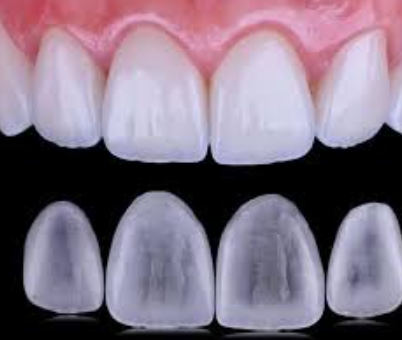
Extra care is especially needed in the cervical area,
where the enamel layer is thin.
This is no exception even for non-prep laminates.
In fact, if the laminate was attached without removing any tooth structure at all,
the larger bonding area can make removal even more difficult.
After removal, the tooth surface may become rough,
and temporary sensitivity may occur.
- Treatment options
available after laminate removal
After removing a laminate,
there are several options.
The most common method is to make a new laminate again.
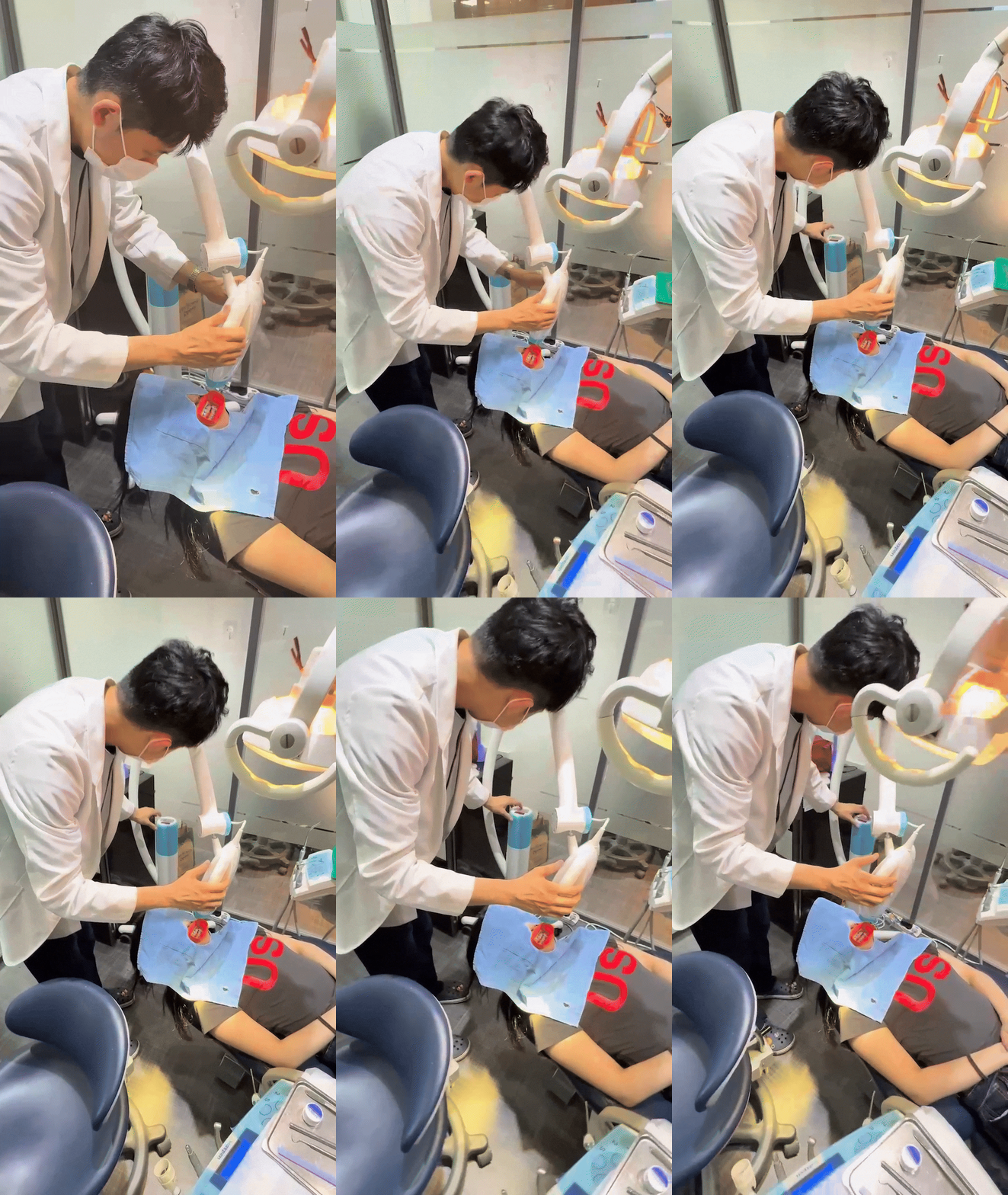
However, because tooth damage has already occurred,
a thicker laminate than before may be necessary.
Depending on the degree of tooth damage,
the surface may be shaped with resin treatment
before the laminate is bonded.
If the damage is severe,
crrown treatment may need to be considered.
Sometimes, after removal, leaving the tooth alone
without any treatment may be the best option.
In particular, if the tooth color or shape is not a major issue,
keeping the natural tooth as it is
can also be a good choice.
After all, nothing is better than a natural tooth.
When planning treatment,
we approach not only the patient’s current condition
but also the long-term outlook.
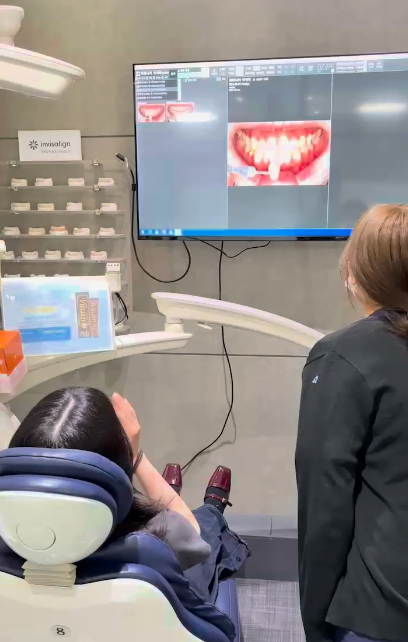
Short-term esthetic satisfaction is important,
but we also need to consider dental health
10 or 20 years from now.
- Laminate removal,
what you should know before making
a careful decision
Before deciding on laminate removal,
it is important to receive an accurate diagnosis of your current condition.
Rather than deciding to remove it simply because you don’t like the color,
first check whether it can be improved
with whitening or another method.
Especially if there is a step at the edge of the laminate
or the gums are frequently swollen,
it may be resolved through correction or repolishing
rather than removal.
If decay is suspected,
removal is definitely necessary,
but even then, you should carefully decide
how much should be removed.
Through a precise examination,
removing only the minimum necessary area
is better for preserving the natural tooth.
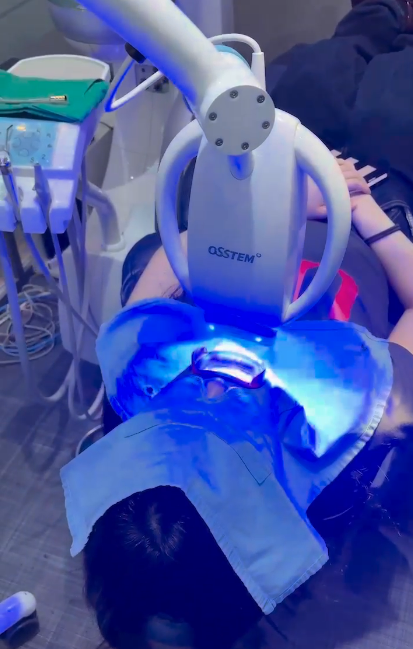
Laminate removal is not a simple procedure.
That is because a single decision can determine the fate of teeth
that must be used for a lifetime.
What I have learned from experiencing many laminate removal cases
over the past several years is that
each patient’s situation is completely different.
That is why individualized treatment is needed
rather than a one-size-fits-all approach.
Preserving as much of the natural tooth as possible
while still achieving a result the patient is satisfied with,
that is the treatment philosophy I pursue.
If you are worried about laminate removal,
don’t decide on your own;
please receive 충분한 counseling.
So that your precious teeth can stay healthy
after 함께 for a long time,
DDAY Dental Clinic will be your reliable partner :)
| A place that honestly recommends only the treatment that is truly necessary | DDAY Dental Clinic Naver Reservation ✔ |
| Seoul DDAY Dental Clinic Consultation Inquiries |
|---|
| Main phone number: 02-568-2877 (Go here) Naver TalkTalk inquiry (Go here) |
| This post was written directly by DDAY Dental Clinic in compliance with Article 56, Paragraph 1 of the Medical Advertisement Act, for the purpose of providing medical information and promoting the clinic. However, please use the information provided in this blog only as a reference, and for an accurate understanding of your personal symptoms, we recommend visiting a medical institution directly and confirming them with medical staff. All procedures and surgeries performed at the dental clinic (including implants) may involve side effects depending on the individual (such as inflammation, bleeding, swelling, nerve damage, etc.). Therefore, please make a decision after sufficient consultation with medical staff in advance. The treatment photos in this post were taken with the consent of the patient who completed all treatment procedures at our clinic. The before-and-after photos are of the same person and were taken under the same conditions. |