Hello,
Do you know the difference between resin and inlay?
D-DAE Dental Clinic, Department of Integrated Dental Medicine
Chief Director O Tae-hoon here.

I always put my patients’
dental health first,
and I strive to provide more comfortable treatment :)
Are you perhaps in a situation like this right now?
At Clinic A,
they say, “Resin will do,”
but at Clinic B, they say, “You need an inlay,”
and you’re confused because the diagnoses are different...
Or maybe you’re wondering, “What on earth is the difference,
and which treatment is right for me?”

In fact, many people get caught in this dilemma.
Resin seems good because it’s cheap and can be finished the same day,
but could it be a substandard treatment?
Inlay is expensive and takes longer,
but is it really necessary?
What’s even more serious is the aftermath of making the wrong choice.
If a case that should be treated with resin
is forced into an inlay, it becomes overtreatment,
and if a situation that requires an inlay
is patched with resin instead, it may break within a few months or cause secondary
caries, eventually requiring a much larger treatment.
But don’t worry.
If you check the two key criteria
I’ll explain today,
you’ll be able to determine clearly
which treatment is right for you.
Based on my experience treating countless cavities,
I’ll explain a decision-making guide that won’t leave you confused.
Table of Contents
- Resin Inlay Difference,
First criterion: Check the size and
location of the cavity
2. Resin Inlay Difference,
Second criterion: Consider your oral environment and lifestyle habits
- Resin Inlay Difference,
First criterion:
Check the size and location of the cavity
The most important criterion for distinguishing resin from inlay is
the size and location of the cavity.
Just as you check the size when buying clothes,
dental treatment should also begin with an accurate diagnosis.
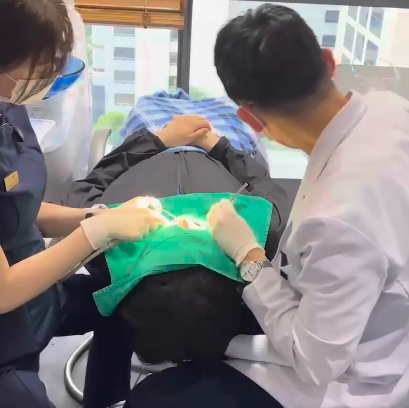
Cases suitable for resin treatment:
when the cavity is small, covering no more than one-third of the tooth’s chewing surface,
and when the cavity depth is at the early stage, from enamel to dentin.
In simple terms, it’s the kind of cavity where you think,
“Oh, this can just be filled simply.”
In particular, small cavities on the front teeth or early cavities in the grooves
of molars are ideal for resin treatment.
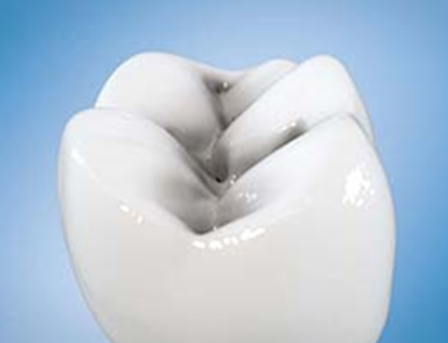
That’s because the treatment can be finished the same day, the cost is lower,
and the amount of tooth structure removed can be minimized.
Cases requiring inlay treatment:
when the cavity occupies more than half of the tooth’s chewing surface, or when it has spread extensively between teeth (proximal surface).
Also, when the cavity has progressed deep into the dentin
but has not reached the nerve, inlay is advantageous for moderate cavities.
In particular, proximal cavities are
very difficult to treat with resin.
Because it is deep inside the mouth, it is hard to secure visibility, and saliva
is difficult to block, making proper bonding difficult.
In such cases, forcing resin treatment
makes it highly likely to come off within a few months.
- Resin Inlay Difference,
Second criterion:
Consider your oral
environment and lifestyle habits
Even with cavities of the same size, the treatment method can vary depending on the patient’s oral environment.
If this is overlooked, you may end up dissatisfied with the results after treatment.
Cases with strong bite force:
if you have a habit of grinding or clenching your teeth,
or if you frequently eat chewy foods,
inlay is more advantageous than resin.
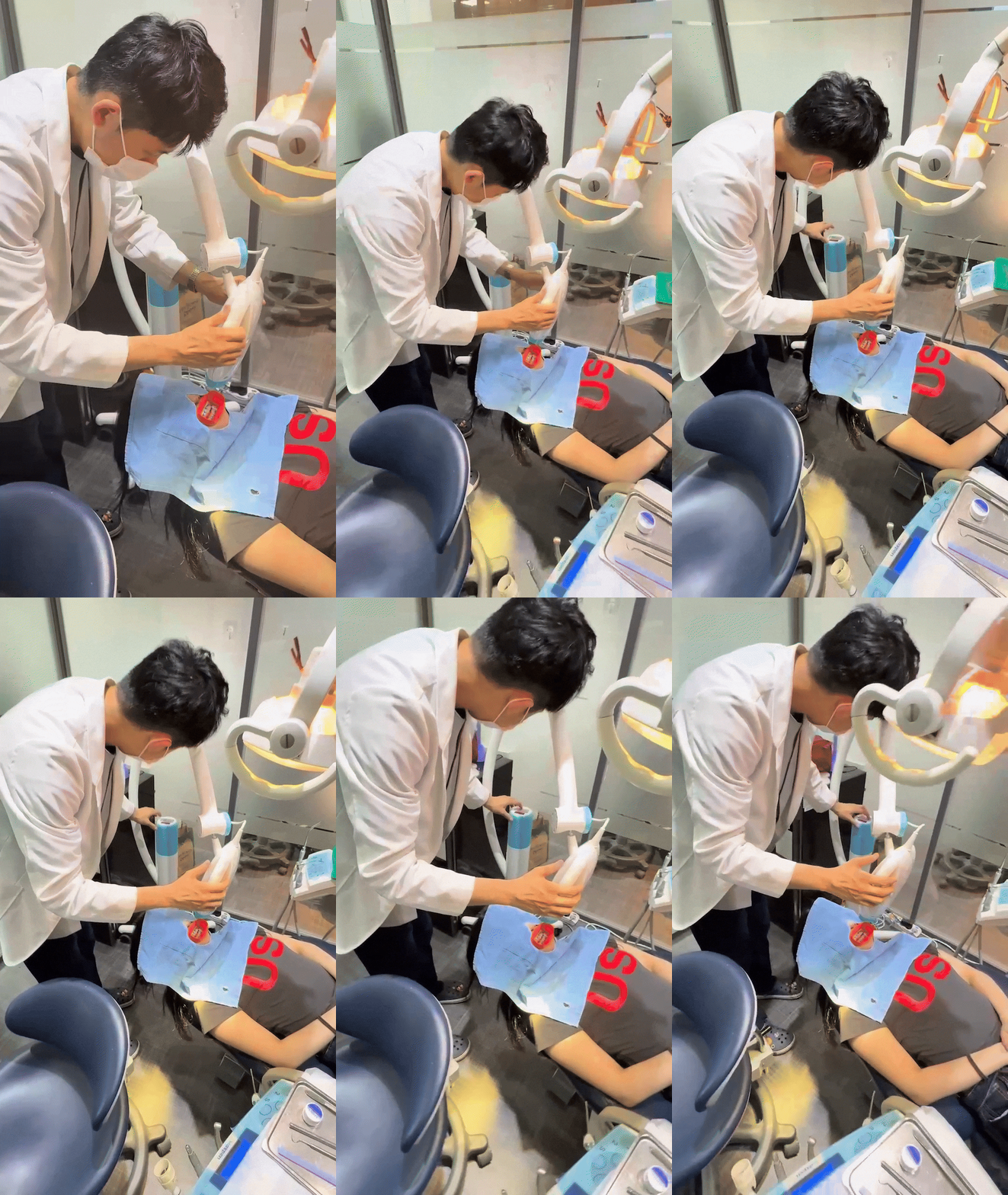
No matter how good the material is, resin is a plastic-based material and may have limitations under strong force.
In particular, molars can be subjected to
bite forces that are 2 to 3 times body weight.
For a person weighing 60 kg,
that means 120–180 kg of force.
To withstand such strong force, hard materials like metal or ceramic are needed.
Oral hygiene management ability:
if you brush thoroughly,
you can use resin for a long time,
but if your maintenance tends to be lacking,
inlay is safer.
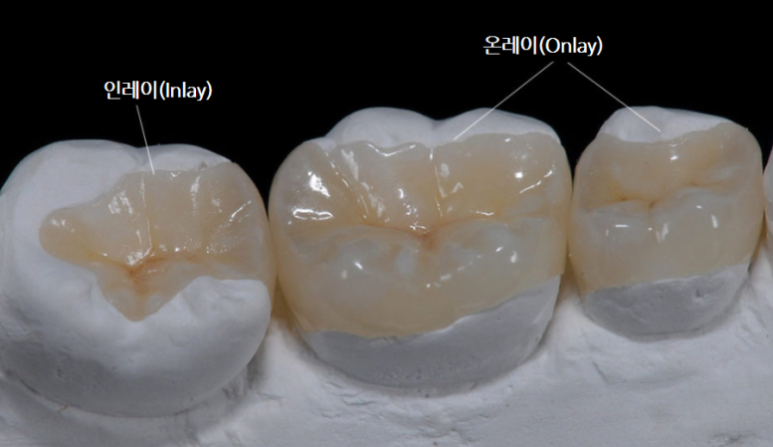
Inlay is precisely fabricated in a dental laboratory,
so the margin with the tooth is finished more smoothly.
Economic situation:
realistically, cost is also something to consider.
Resin costs about 80,000–150,000 KRW,
while inlay costs about 250,000–400,000 KRW.
But what matters here is the
long-term perspective.
If you force resin treatment and then develop problems 1–2 years later and need treatment again?
In the end, it will take more money and time.
Getting the right treatment from the start is
also the smarter choice financially.
At Good Dental Clinic,
after accurately diagnosing the patient’s oral condition,
we create a personalized treatment plan.
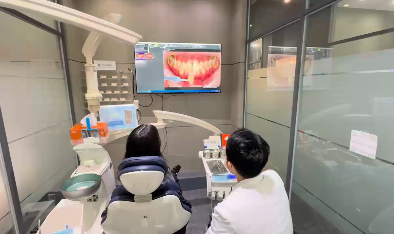
We do not recommend expensive treatment unconditionally,
and we honestly guide you only to the treatment that is truly necessary.
Finally, I’ll tell you about the most important part of resin and inlay treatment,
which patients often do not know.
The key to successful resin treatment:
The most important thing in resin treatment is moisture control.
If even a little saliva gets mixed in, the bonding strength drops significantly,
making it more likely to fall out later.
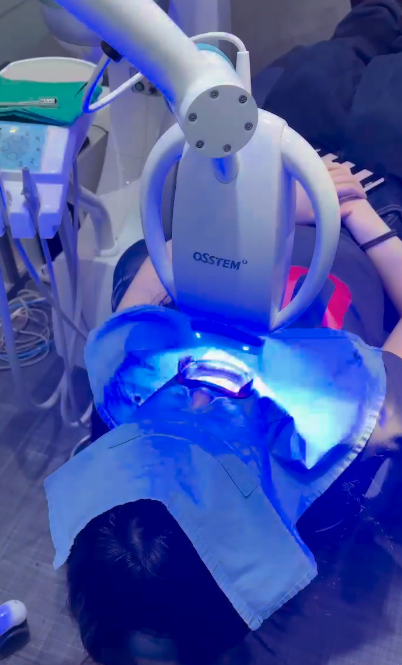
So it is better to choose a clinic that uses a rubber dam or isolation device.
The key to successful inlay treatment:
In inlay, precise impression taking is the key.
The mold must be accurate for the dental laboratory
to fabricate a perfectly fitting inlay.
Nowadays, digital scanners are often used,
and the technology for accurately scanning the tooth margins is important.
So far, I have explained the differences between resin and inlay treatment
and the criteria for choosing between them.
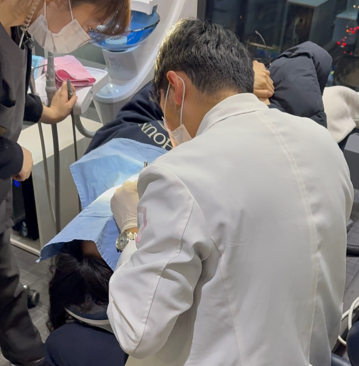
But above all, what matters most is
to receive an accurate diagnosis at a
trustworthy dental clinic.
As a dentist, I always keep one principle in mind.
“Treat patients as if they were my own family.”
I constantly think about what treatment I would recommend if the patient were my family,
and whether it is truly necessary.
Your concerns about overtreatment,
I fully understand.
But what is even more regrettable is when a simple treatment becomes complicated because the right time is missed.
Once a tooth is damaged,
it does not naturally recover.
That is why treatment needs to be even more careful
and accurate.
I hope that everyone reading this today
makes the right choice.
Do not struggle when choosing a dental clinic;
please make your treatment decision after receiving an accurate diagnosis and a detailed explanation.
| A place that honestly recommends only necessary treatment D-DAY Dental Clinic Naver Reservation ✔ |
| Dental treatment inquiries for Seoul D-DAY Dental Clinic |
|---|
| Main phone number: 02-568-2877 (Go) Naver TalkTalk inquiry (Go) |
| This post was written directly by D-DAY Dental Clinic to provide medical information and promote the clinic in compliance with Article 56, Paragraph 1 of the Medical Advertising Act. However, the information provided on this blog should be used for reference only, and for an accurate understanding of your individual symptoms, we recommend visiting a medical institution in person and confirming with medical staff. All procedures and surgeries performed at the dental clinic (including implants) may involve side effects depending on the individual (such as inflammation, bleeding, swelling, nerve damage, etc.). Therefore, please make decisions after sufficient consultation with medical staff in advance. The treatment photos in this post were taken with the consent of patients who completed all treatment processes at our clinic. The before-and-after photos are of the same person and were taken under the same conditions. |
Resin Inlay Difference: If You Don’t Want to Fail, Check These 2 Things