Hello.
If you are reading this article,
I think you probably searched for
"My molars are sensitive."
I am Taehoon Oh, the CEO doctor of D-Day Dental Clinic, where we prioritize our patients' oral health and practice honest treatment.

These days, so many people are suffering from
molar sensitivity.
Especially those who are startled with an
"Ouch!"
just from drinking a sip of cold water,
and there are really many people who cannot even
dream of ice cream or iced Americano.
Some people even say,
Doctor,
even when the winter wind blows,
my teeth feel sensitive,
so I am afraid to open my mouth.
However, too many people simply endure these sensitivity symptoms and move on.

Most assume it is just a natural phenomenon that comes with getting older,
or leave it alone thinking it will get better after a few days.
But molar sensitivity is a signal that should never be taken lightly.
In this article, I will explain in detail the exact causes of sensitive molars
and the appropriate solutions for each one.
Please focus and read for a moment.
I am sure it will be very helpful.
<Table of contents>
- My molars are sensitive
The real causes of molar sensitivity
- My molars are sensitive
Accurate solutions and prevention methods by cause
- My molars are sensitive
The real causes of
molar sensitivity
Many people simply think,
"My teeth must be weak, so they feel sensitive,"
but in fact,
there are several causes of molar sensitivity.
You need to know the exact cause
in order to receive proper treatment.
The most common cause is tooth wear.
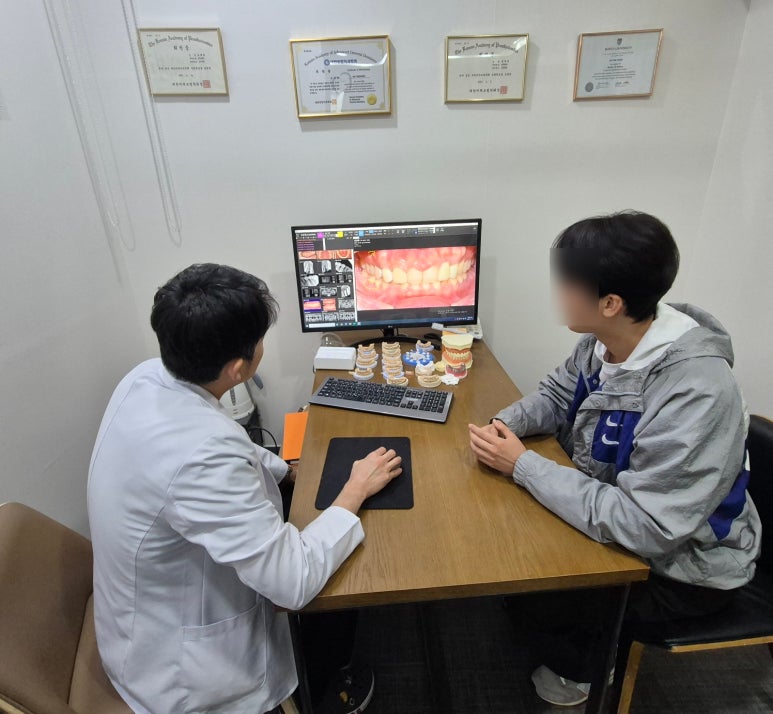
It is often seen in people who frequently eat hard foods or who have a teeth-grinding habit.
As the enamel on the surface of the tooth gradually wears down, the underlying dentin becomes exposed, causing sensitivity.
The second is gum recession.
As the gums recede due to aging or incorrect brushing habits, the root portion of the tooth, which was originally protected by the gums, becomes exposed.
This area has no enamel,
so it is very sensitive to external stimuli.
And cavities can also
cause sensitivity.
Early cavities do not cause pain, but once they progress to a certain point, they begin to react sensitively to cold or hot things.
Molars, in particular, have deep grooves,
so they are an area where cavities can easily develop.
The last cause is tooth cracks.
If a tiny crack that is not visible to the eye forms,
cold air or drinks can enter through the gap
and cause severe sensitivity.
- My molars are sensitive,
Accurate solutions and
prevention methods by cause
Then, depending on each cause,
how should it be treated?
If tooth wear is the cause, the first priority is to prevent the wear from progressing any further.
If you have a habit of grinding your teeth or clenching your jaw,
it must be corrected, and if necessary, I recommend wearing a mouthguard.
If the wear is already severe, it is better to receive treatment that protects the tooth with resin, a crown, or laminate veneer.
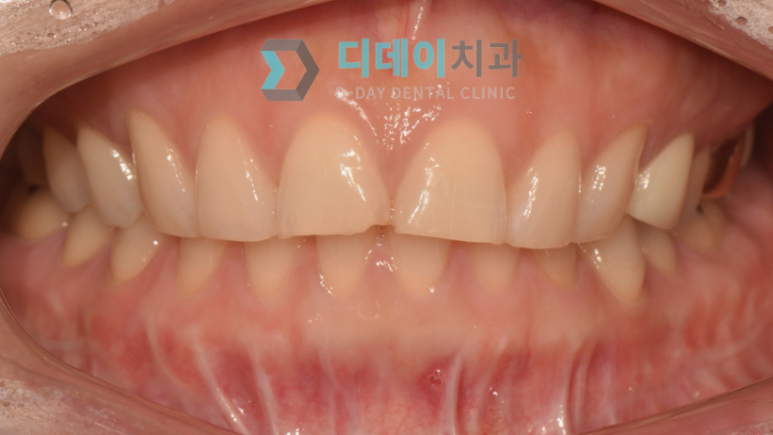
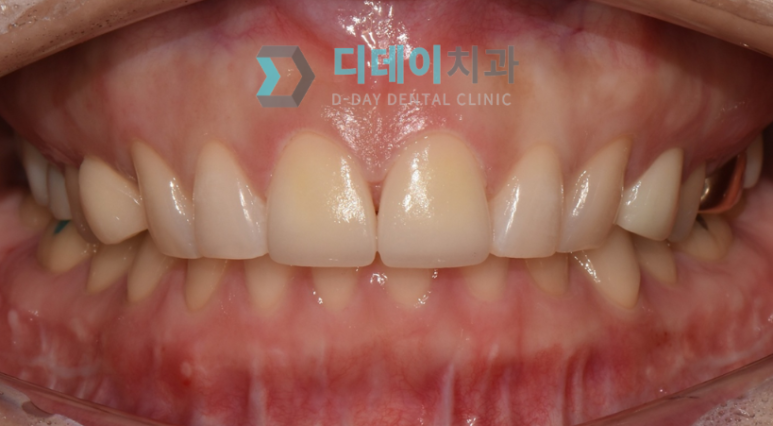
21-06-01
Laminate veneer treatment due to wear on the incisal edge
Sensitivity caused by gum recession should start with learning the correct brushing method.
If you brush too hard or use a hard-bristled toothbrush,
the gums can recede further.
Brush gently with a soft toothbrush as if massaging,
and if the sensitivity is severe, receive fluoride application or resin treatment at the dental clinic.
If cavities are the cause,
of course you need cavity treatment.
If it is in the early stage, a simple resin treatment can solve it,
but if it has progressed severely, root canal treatment may be necessary.
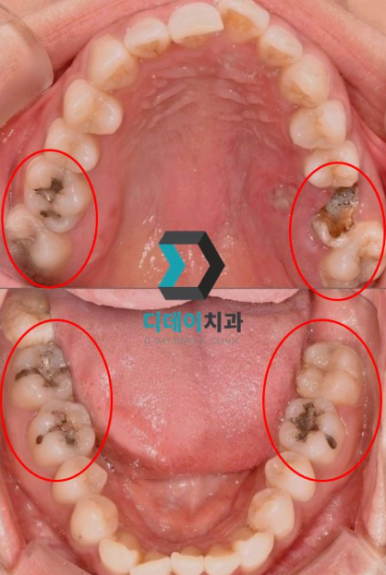
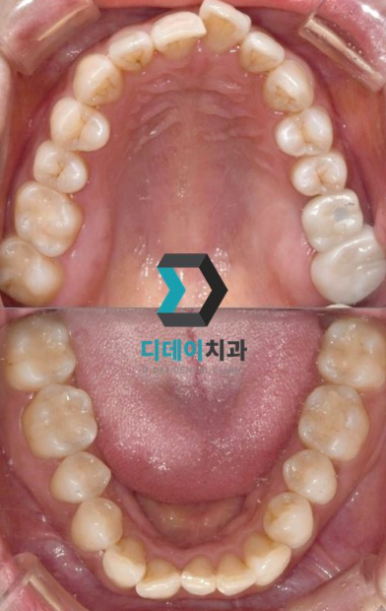
22-11-29
Molar cavity treatment
For secondary cavities, amalgam is treated with inlay treatment
Severe cavities are treated with root canal treatment followed by crown treatment
Teeth that cannot be treated for cavities are extracted and then an implant is placed
So when you have sensitivity symptoms,
it is important to visit the clinic as soon as possible.
In the case of tooth cracks, the treatment method varies depending on the extent of the crack.
For a minor crack, it can be filled with resin,
but for a deep crack, a crown may need to be placed or, depending on the case, extraction may also need to be considered.
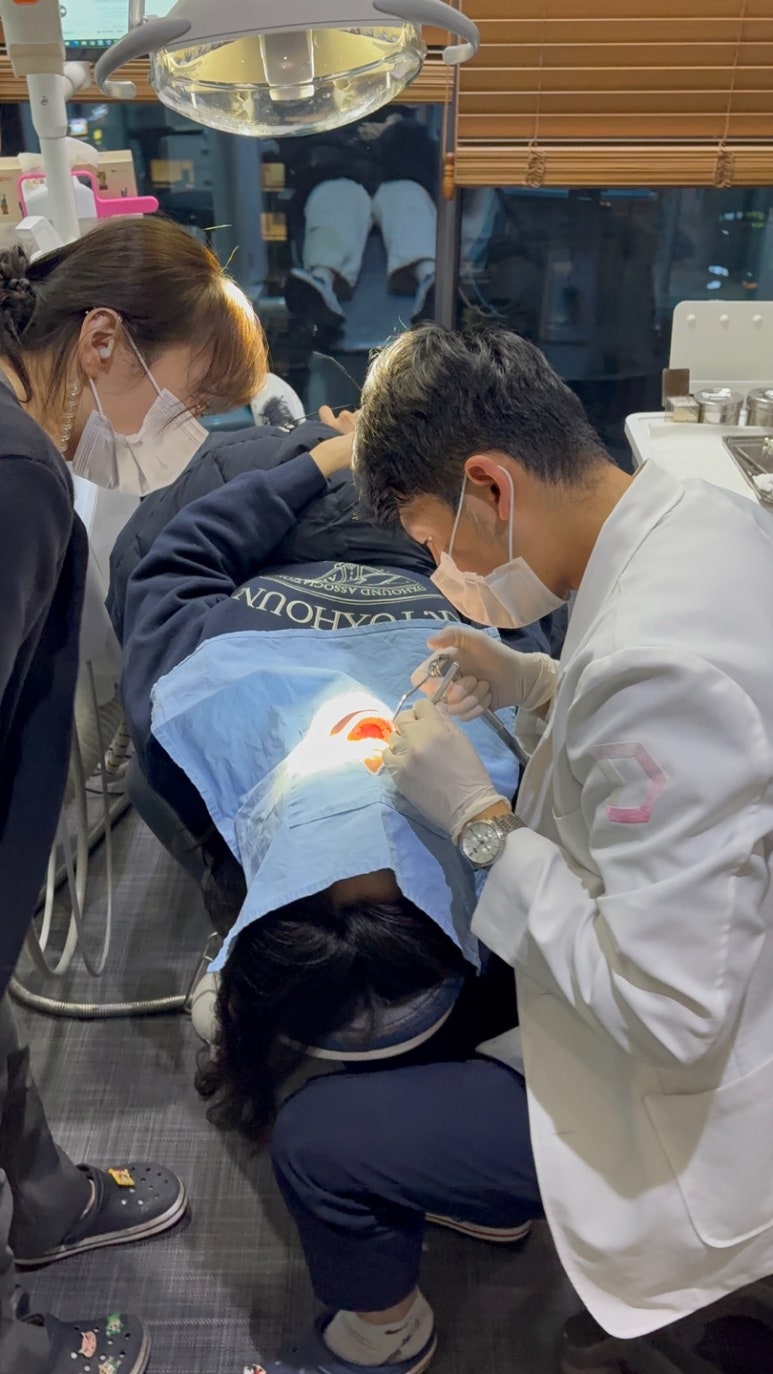
Above all, an accurate diagnosis is the most important thing.
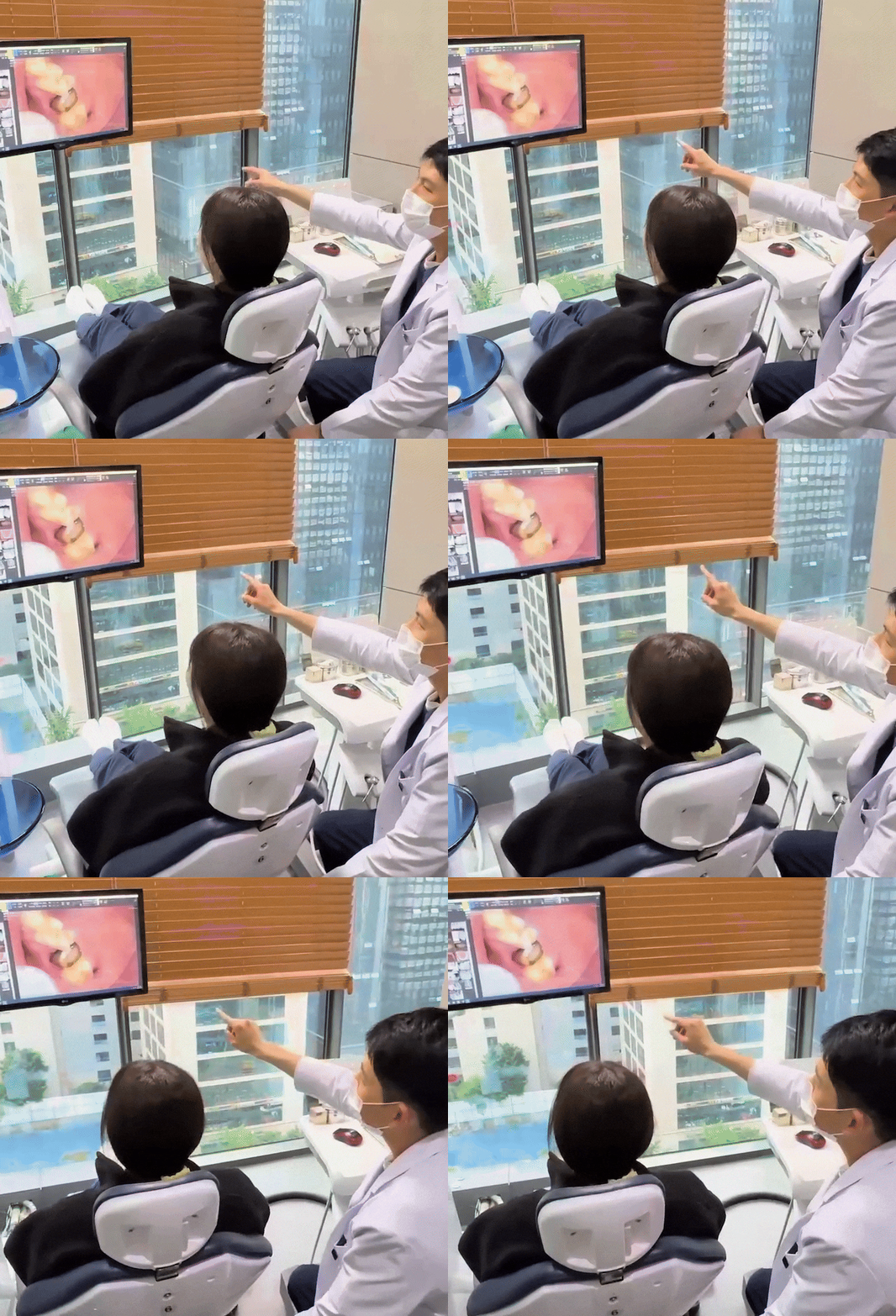
Since there are limits to what can be determined by visual examination alone,
I recommend receiving a detailed examination through X-rays or an intraoral camera.
You need to identify the cause accurately
in order to find a fundamental solution.
As such, molar sensitivity is not something to simply endure and ignore.
If you find the exact cause early and receive appropriate treatment,
it is a symptom that can improve sufficiently.
From now on, do not give up the foods you love because of sensitive molars.
With accurate diagnosis and treatment,
you will be able to eat comfortably again.
We believe that carefully treating even small sensitivity without missing it
is the best return we can give to our patients.
| The place that honestly recommends only the treatments that are truly necessary | D-Day Dental Clinic Naver reservation ✔ |
| Seoul D-Day Dental Clinic inquiry |
|---|
| Main phone number: 02-568-2877 (Go directly) Naver TalkTalk inquiry (Go directly) |
| This post was written directly by D-Day Dental Clinic in compliance with Article 56, Paragraph 1 of the Medical Advertising Act for the purpose of providing medical information and promoting the clinic. However, the information provided on this blog should be used for reference only, and for an accurate understanding of your individual symptoms, we recommend visiting a medical institution in person and confirming with medical staff. All procedures and surgeries performed at the dental clinic (including implants) may cause side effects depending on the individual (such as inflammation, bleeding, swelling, nerve damage, etc.). Therefore, please make decisions only after sufficient consultation with medical staff in advance. The treatment photos in this post were taken with the consent of patients who completed the entire treatment process at our clinic. The before-and-after photos are of the same person and were taken under the same conditions. |
My molars are sensitive, solutions by cause, a doctor explains










