Laser Toning Treatment for Melasma, Dark Spots, and Hyperpigmentation Improvement
In the fall, when outdoor activities increase, exposure to ultraviolet rays also increases, which can lead to more pigmentation conditions such as melasma, freckles, and dark spots on the face. In particular, when it comes to melasma and dark spots, you cannot feel at ease even in winter. Even after treatment, recurrence often occurs, making the face look dirty and dull, so more and more people are looking for ways to remove melasma and dark spots, and how to get rid of them, regardless of the season.

Pigmentation conditions such as melasma, age spots, and hyperpigmentation can gradually spread over time. That is why active treatment is needed as soon as symptoms begin to appear. In many cases, symptoms start to appear gradually from summer to fall and then worsen as winter begins, so it is recommended to receive laser procedures such as spot removal, age spot removal, and mole removal from the time symptoms first appear.
Causes of Melasma, Dark Spots, and Age Spots
Melasma and dark spots occur more often in women than in men. The main causes are mainly pregnancy-related changes, genetic factors, and constitutional factors, while ultraviolet exposure, endocrine abnormalities, nutritional deficiencies, and liver dysfunction are mentioned as aggravating factors.

In particular, ultraviolet rays not only reduce skin elasticity but also cause and worsen pigmentary conditions such as melasma, dark spots, age spots, and facial moles. They often appear around the eyes and cheekbones, where exposure to sunlight is high. To recover skin damaged by sunlight, vascular growth factors in the dermis actively respond, and through interaction with melanocytes, excessive pigment is produced, leading to melasma, freckles, dark spots, and age spots.
Pigmentation Symptoms That Worsen If Left Untreated
In the case of melasma, dark spots, and age spots caused by pigmentation, if left untreated, they can gradually increase in size and worsen, so it is very important to visit a dermatology clinic and receive prompt treatment.
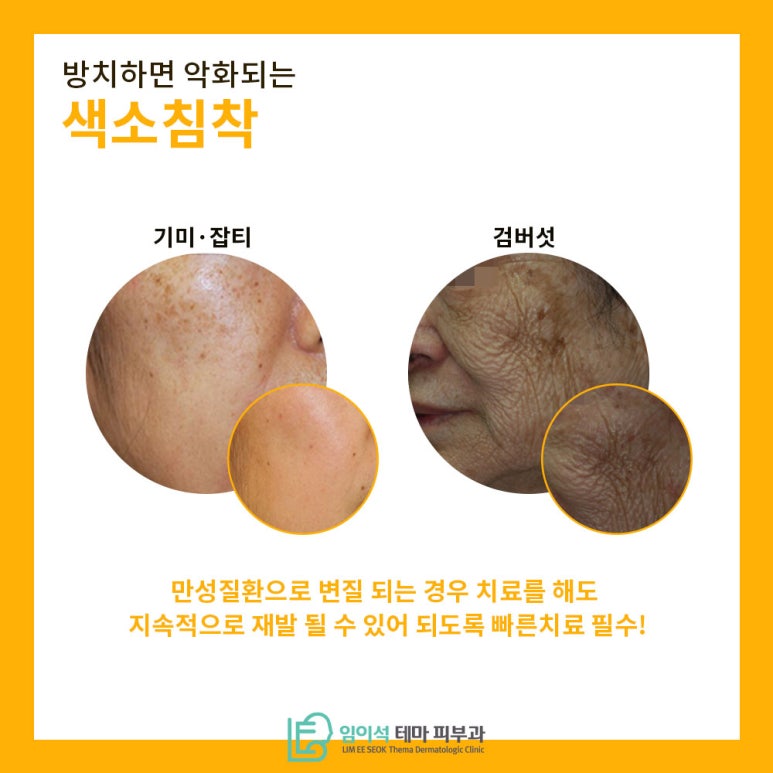
If symptoms are left untreated, melasma and dark spots can develop into moles, making treatment more difficult. In the case of age spots, they can gradually grow larger, making both cosmetic and treatment management more difficult. In addition, if they become chronic conditions, they may continue to recur even after treatment, so it is advisable to treat them as early as possible.
Effective Melasma Treatment, Dark Spot Removal, and Age Spot Treatment Methods?
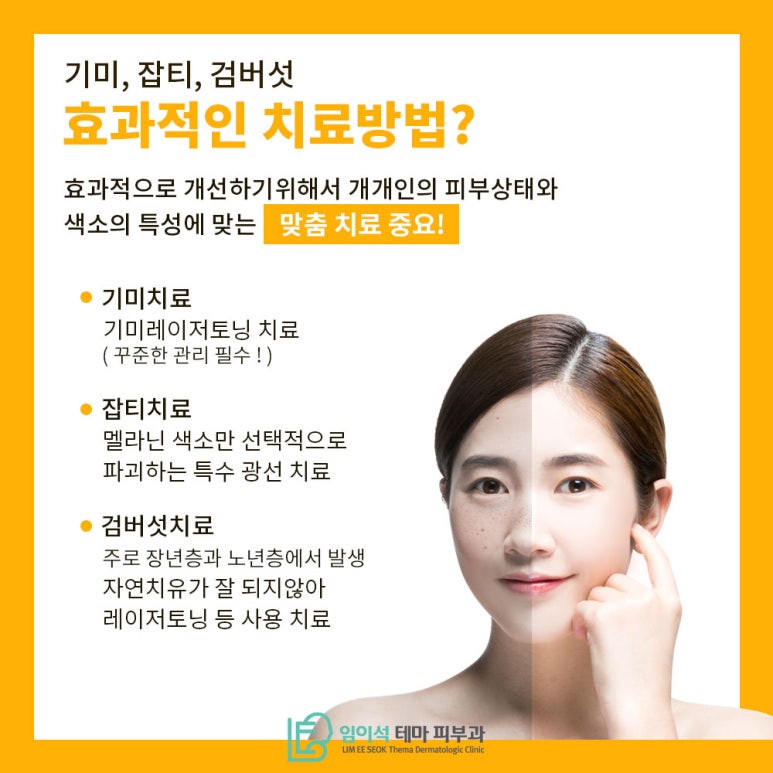
Age spot removal, melasma removal, and dark spot removal all require treatment, but as mentioned earlier, recurrence is frequent, so using the same treatment for all patients is not effective. To effectively improve pigmentary conditions such as melasma and dark spots on the face, it is important to provide customized treatment suited to each individual's skin condition and the characteristics of the pigmentation.
- Melasma treatment method
There are several types of melasma: epidermal type (located in the outer layer of the skin), dermal type (deeply distributed in the dermis), and mixed type (pigment mixed in both the epidermis and dermis). In Korea, dermal and mixed types are most common. Laser toning for melasma is mainly used as a way to remove melasma, but ongoing care is necessary to prevent recurrence after treatment. In particular, because melasma is often accompanied by telangiectasia, treating vascular dilation together with melasma removal can help reduce the recurrence rate.
- Dark spot treatment method
In general, melasma and dark spots often appear together, so both symptoms are improved at the same time. Laser treatment is commonly used to remove facial dark spots, and the procedure removes them by applying special light that selectively destroys only melanin pigment. Dark spots refer to unsightly pigmentation on the face other than melasma or freckles. They are relatively large and appear regardless of time or season, causing greater cosmetic inconvenience.
- Age spot treatment method
Unlike melasma and dark spots, age spots are one of the skin conditions that mainly occur in middle-aged and older adults. The causes of age spots include ultraviolet exposure, genetics, and aging. Once they appear, they do not heal well on their own and tend to worsen over time. Because age spot removal is more difficult than removing ordinary dark spots due to their larger size and thickness, laser procedures are generally used to get rid of them. Early age spots can be treated with simple laser toning, but more advanced thick age spots must be treated with laser equipment used for mole removal to be effectively treated.
How Can Melasma, Dark Spots, and Age Spots Be Prevented?
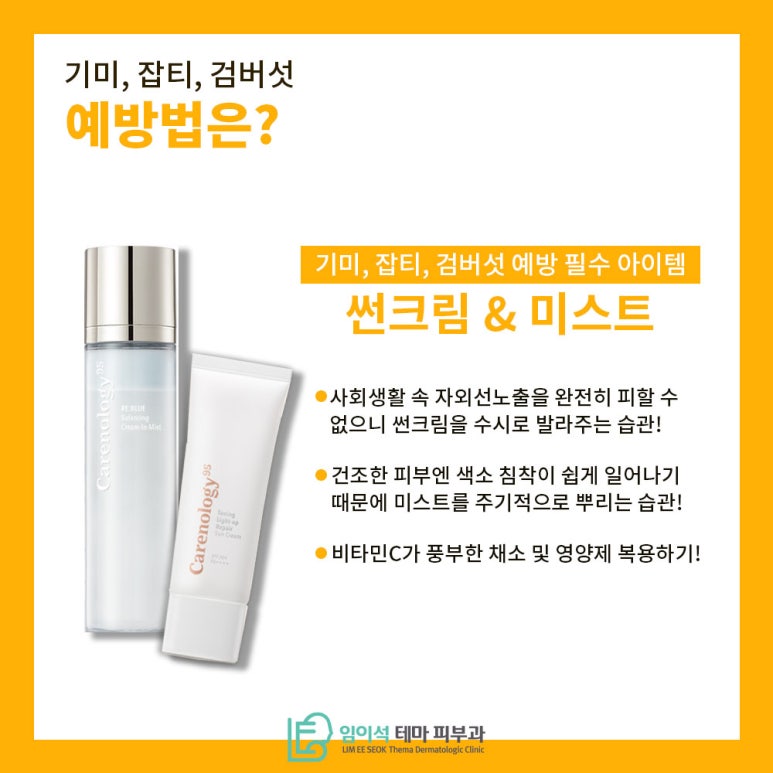
Sunscreen is essential for preventing melasma, dark spots, and age spots. Avoiding ultraviolet exposure is the best preventive method, but since it is impossible to completely avoid UV exposure while living and working, applying sunscreen frequently can be very helpful. It is ideal to apply it 30 minutes before going out, and reapplying every 2 to 3 hours after going out is recommended.
When the skin is dry, pigmentation occurs more easily, so in the fall it is also important to spray mist regularly and apply a moisturizer that suits your skin type after washing your face. In addition, consuming vegetables and supplements rich in vitamin C can help the body’s antioxidant function and aid in preventing pigmentation.
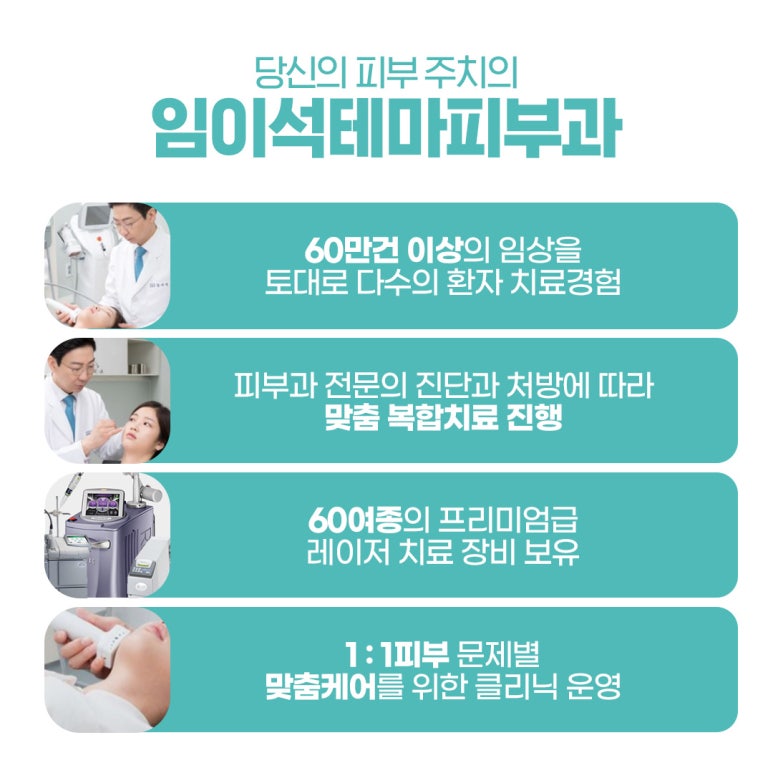
For skin care, visit Lee Myeong-sik Theme Dermatology Clinic!
Lee Myeong-sik Dermatology Clinic has established theme-based clinics, owns a variety of laser devices, and provides differentiated medical services that increase patient satisfaction based on the medical staff’s diverse experience through extensive clinical treatment.
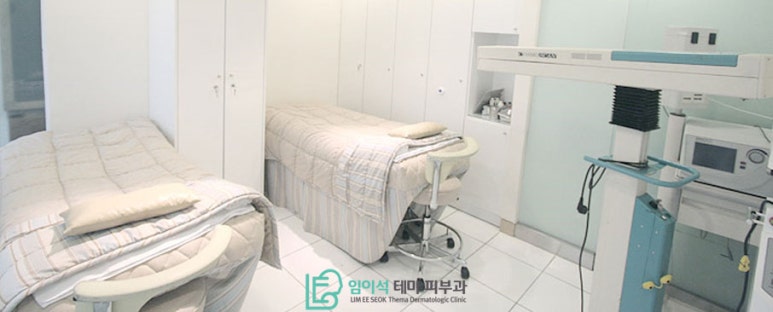
For effective skin care, we provide thorough one-stop customized services, and each patient is assigned a dedicated staff member for post-treatment care and administrative processing, ensuring fast and efficient medical service.
Skin concerns such as melasma, dark spots, and age spots appear on the face, making patients feel self-conscious and lowering their confidence, which can also affect social life. Therefore, it is very important to prevent them through everyday care, and if symptoms begin to appear, it is better to improve them quickly through prompt treatment and prevent recurrence, so please contact our clinic.