Effective Treatment Methods According to the Causes and Types of Female Hair Loss
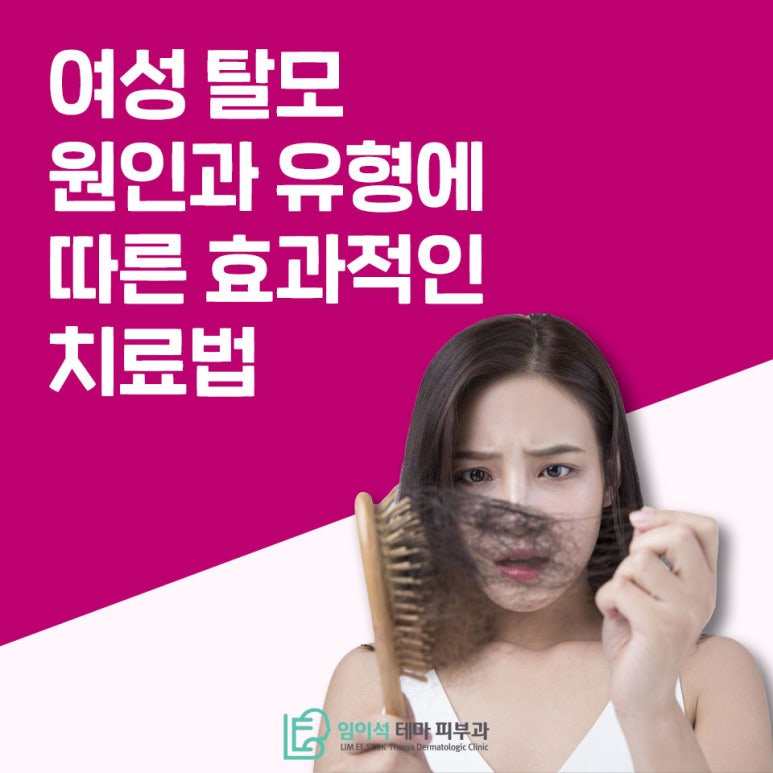
As the number of hair loss patients has recently been rising sharply, the types of hair loss have also become more diverse, including female crown hair loss, postpartum hair loss, female bangs hair loss, and alopecia areata. In particular, the number of female hair loss patients has increased to a level similar to that of male hair loss patients, and among women, there are also many cases of hair loss in young women in their 20s and 30s.
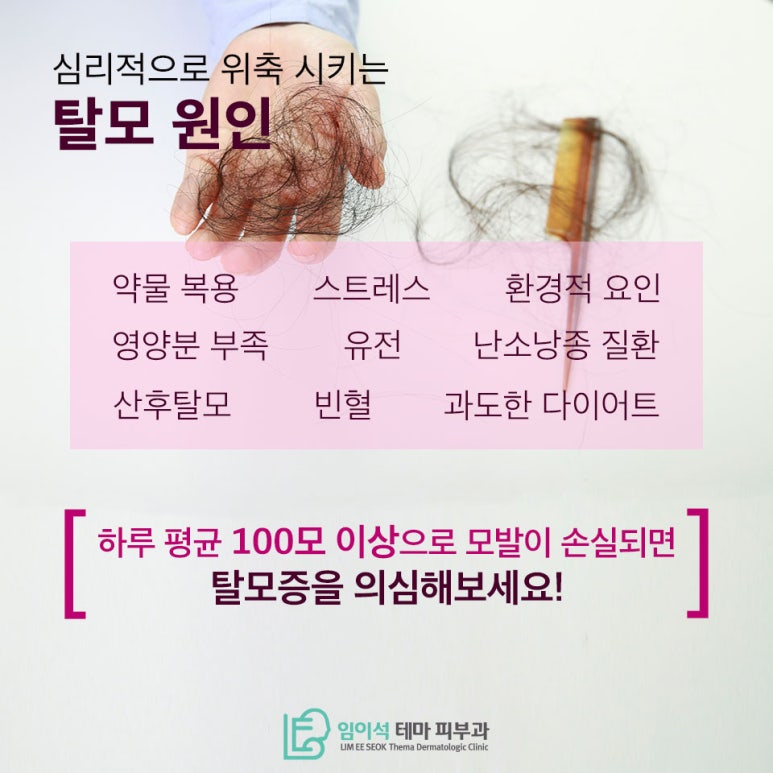
Women with hair loss often suffer not only from psychological distress due to the condition, but also from accompanying mental disorders such as depression and insomnia. In addition, many people avoid even visiting a female hair loss clinic for consultation. Regardless of age or gender, if hair loss has already progressed, it is advisable to visit a hair loss clinic and receive treatment before it becomes more severe.
The causes of female hair loss can include not only stress and genetics, but also nutrient deficiencies due to excessive dieting, anemia, or ovarian cyst disease. There are also cases of postpartum hair loss, in which hair that fell out temporarily after childbirth grows back later due to improper postpartum care.
For effective female hair loss management caused by stress, genetics, or excessive dieting, it is important first to identify how the hair loss is presenting and then receive a treatment plan suited to that pattern. Most female hair loss patients begin to show early signs of crown hair loss, starting around the crown, while the bangs become fine and sparse, exposing the scalp. However, a key characteristic is that it does not usually progress to complete baldness.
Types of Hair Loss
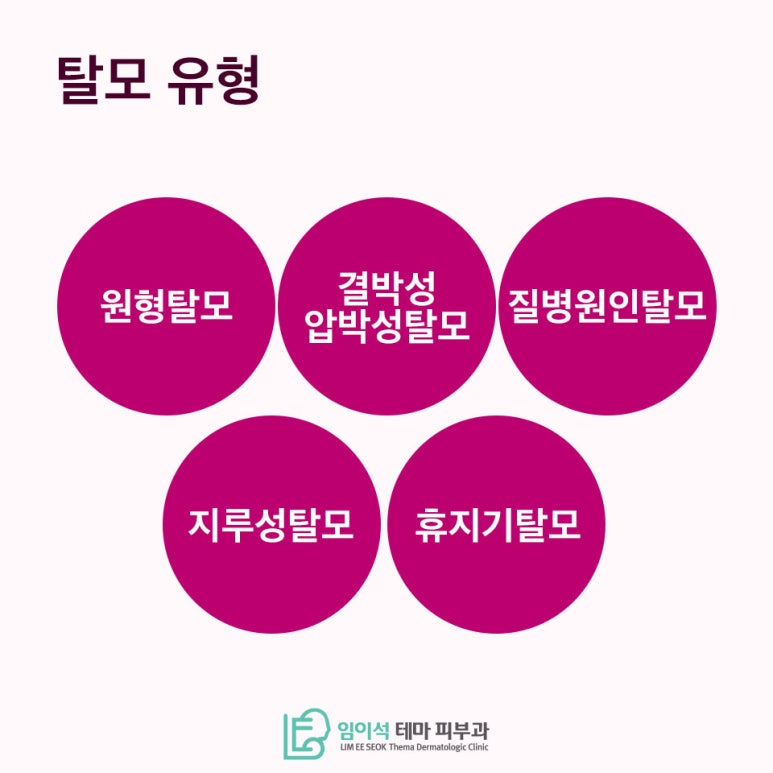
Alopecia areata: Alopecia areata, one of the temporary hair loss disorders, refers to hair on one or more areas of the scalp falling out all at once in a circular pattern. It may heal naturally, but if the affected area expands or a large bald patch forms, it can lead to alopecia universalis, so caution is needed.
Traction and pressure-related hair loss: This type of hair loss mainly occurs in women and is caused by pulling the hair too tightly or tying it too tightly. In particular, when women undergo straightening treatments to make their hair lie flat, a lot of hair may fall out because the process irritates the scalp. Updos and similar hairstyles pull the hair strongly, so if they are worn tightly for a long time, hair is more likely to fall out.
Disease-related hair loss: After severe infectious diseases or major surgery, the body's immunity may decline, and hair loss symptoms can appear as a result. Such problems may worsen or improve depending on recovery from the illness. In particular, anticancer drugs administered to cancer patients during chemotherapy are made up of highly toxic substances, and chemotherapy-related hair loss is one of the most common side effects.
Seborrheic hair loss: This refers to hair loss caused by excessive secretion from the sebaceous glands on the scalp. In fact, in the case of seborrheic hair loss, repeated scalp irritation and scalp damage caused by seborrheic dermatitis damage the follicles' ability to function properly, leading to hair loss as a complication. If symptoms of seborrheic dermatitis appear, prompt treatment at a hospital is needed before it develops into seborrheic hair loss.
Telogen effluvium: Normal hair goes through growth, regression, and resting phases. Telogen effluvium refers to a situation in which follicles, due to some stress, fail to complete their full lifespan and fall out abnormally. Factors that can cause this problem include nutritional deficiency, skin disease, surgery, and childbirth. Telogen effluvium often recovers a few months after the ongoing trigger is resolved, but if the hair still has not grown back after 6 months, it is advisable to visit a medical institution.
Just as each person has a different constitution, personality, and appearance, the condition of the scalp also differs from person to person. For this reason, the hair loss center at Lim Eui-seok Thema Dermatology Clinic provides personalized treatment through one-on-one customized solutions and offers total care for hair, from scalp conditions to hair transplantation.
Hair Loss Treatment Program
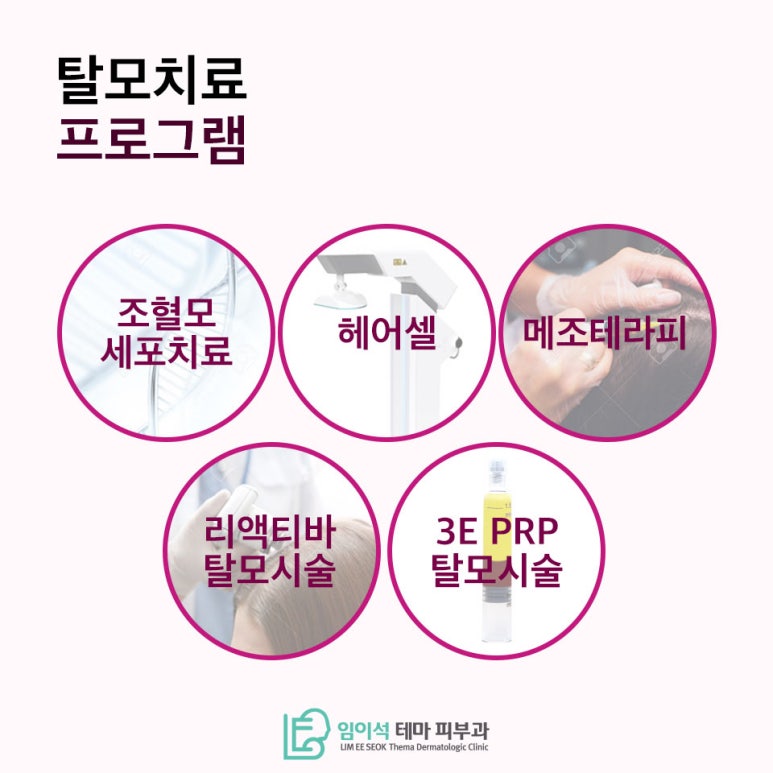
Hematopoietic stem cell treatment: A world-patented hair loss treatment method in which your own blood is drawn and injected into the area where hair loss has occurred. It works by inducing cell proliferation and stimulating collagen synthesis to promote hair regeneration.
HairCell: This treatment works by improving microcirculation through electrical stimulation while also reducing inflammation and promoting epithelial cell differentiation. Epithelial cells are extremely sensitive and respond to specific external residues and wavelengths. Through HairCell, DNA activity and protein synthesis are promoted, extending the growth cycle within inactive telogen follicles.
Mesotherapy: A treatment that injects hair-loss-effective medication into the scalp to help the drug act on the follicles. Because the medication is absorbed only into the scalp, side effects are minimal, and even better results can be expected when combined with drug therapy.
Reactive hair loss procedure: A non-surgical method in which hair roots and follicles are collected with a small punch from the back of the head, ground with a special grinder to extract stem cells, and then injected into the area of concern. Even a single procedure can make the hair look fuller.
3EPRP hair loss procedure: A procedure that extracts hair regeneration factors from the patient's own blood to help prevent hair loss and promote hair growth.
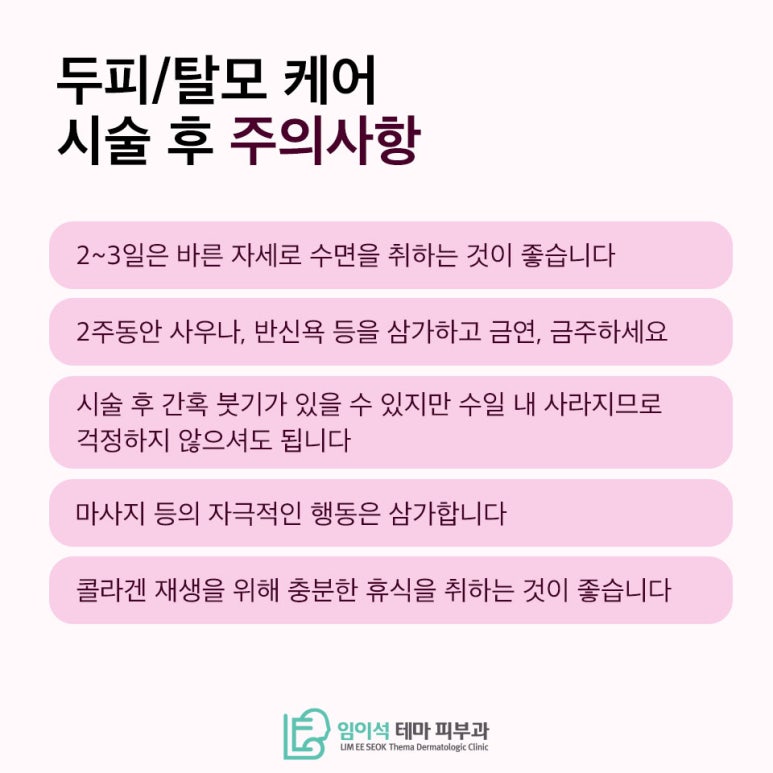
Precautions for Scalp/Hair Loss Care Treatment
-
For 2 to 3 days after the procedure, it is best to sleep in the proper position.
-
For about 2 weeks after the procedure, avoid saunas, public baths, half-body baths, smoking, and drinking.
-
Swelling may occasionally occur after the procedure, but it will disappear within a few days, so there is no need to worry.
-
Avoid stimulating actions such as massage.
-
It is best to get enough rest for collagen regeneration.
In addition to various hair loss procedures and hair loss surgery that can be done with either non-incision or incision methods, there are also various treatments such as scalp scaling, Scarlet Page, and Mycells. Healthy hair comes from a healthy scalp. Many people, as soon as they begin to lose hair, immediately consider hair transplantation. However, it is not too late to first receive scalp care to keep existing hair stronger and then decide on hair transplantation after observing the progress.
It is said that a normal person naturally sheds about 50 to 100 hairs a day. If more hair than this falls out, it is advisable to suspect hair loss and visit a hospital. Since each patient's condition and type of hair loss vary greatly, it is important to receive a diagnosis from medical staff with extensive clinical experience.
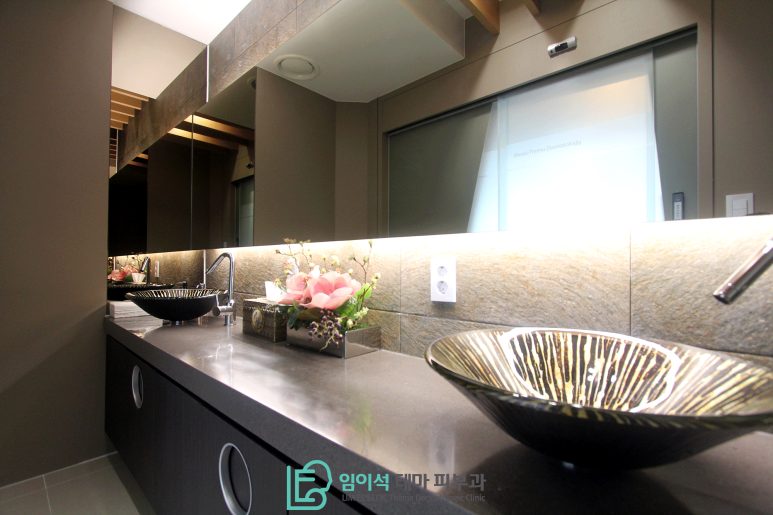
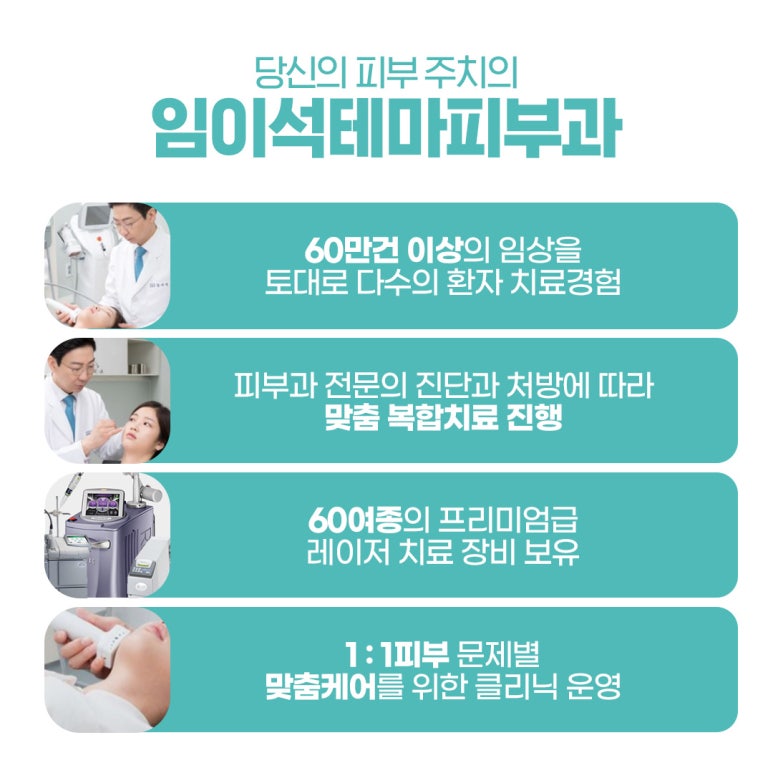
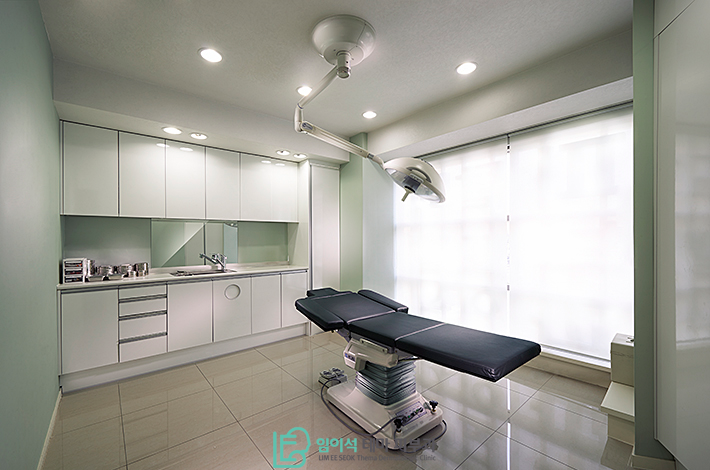
Lim Eui-seok Thema Dermatology Clinic has established themed clinics for hair loss and skin conditions and possesses a variety of treatment equipment. In addition, based on abundant clinical treatment experience and the expertise of its hair loss treatment medical staff, the clinic provides high-level medical services to patients and increases satisfaction.
There are various treatment methods available. If you visit or contact our clinic for detailed information on hair loss surgery, hair loss procedures, hair loss clinics, hair loss treatment costs, hair loss treatment methods, and more, we will kindly and thoroughly explain the hair loss treatment methods, so please contact us.