
Reasons Melasma and Freckles Develop, and How They Are Treated
Hello. This is Imiseok Thema Dermatology in Sinsa.
June and July, when summer truly begins, are seasons when intense sunlight and high humidity are felt strongly.
High temperatures and humidity can cause excess sebum more than usual, and if not managed properly, skin troubles can appear right away, so appropriate skin care is necessary.

Since clean skin has long been considered one of the conditions of beauty, it seems natural to be even more sensitive to pigment-related skin conditions such as melasma, freckles, and blemishes that make the skin tone look darker and duller. Also, freckles and melasma tend to stand out more on people with fair skin, so they can be especially concerning. So today, we will take some time to look at why melasma and freckles develop, how to prevent them, and how they are treated.
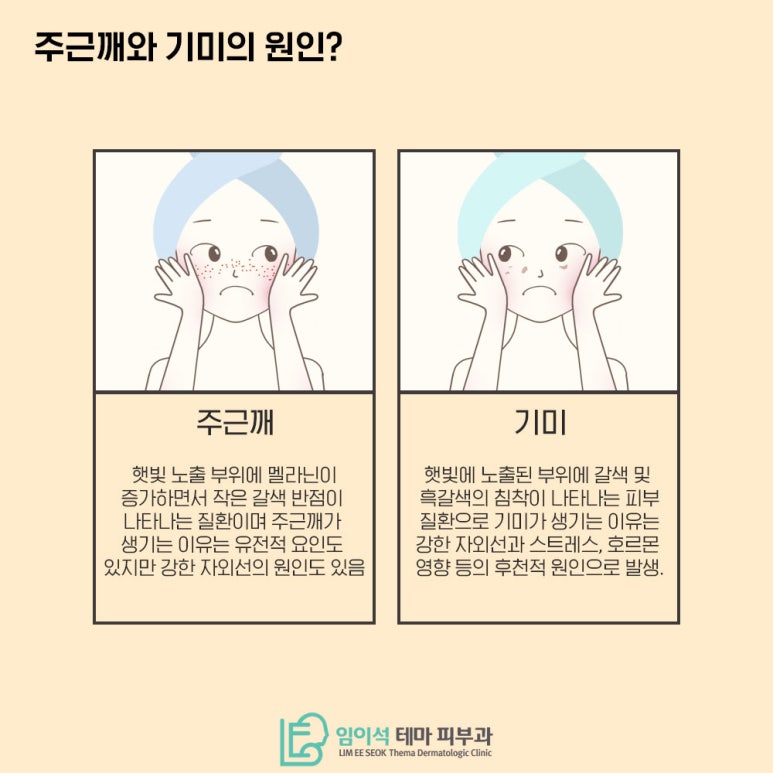
Freckles, which are often confused with melasma, are a condition in which small brown spots appear as melanin increases in sun-exposed areas, making the skin look as if sesame seeds have been scattered over it. Freckles develop due to genetic factors, but strong ultraviolet rays can also play a major role. Freckles usually appear more often in younger people, and they show up from childhood on both cheeks, the nose, or the backs of the hands. They can be removed with laser treatment, but because genetic factors are involved, they may recur.
Melasma is also a skin condition in which various brown and dark brown pigmentations appear in sun-exposed areas. The causes of melasma often include acquired factors such as strong ultraviolet exposure, stress, and hormonal influences. These pigment disorders usually occur as a defense mechanism in which melanin is produced to protect the skin from ultraviolet rays. Stress, menopause, pregnancy, taking oral contraceptives, ovarian tumors, and endocrine disorders can also act as causes of pigment disorders.
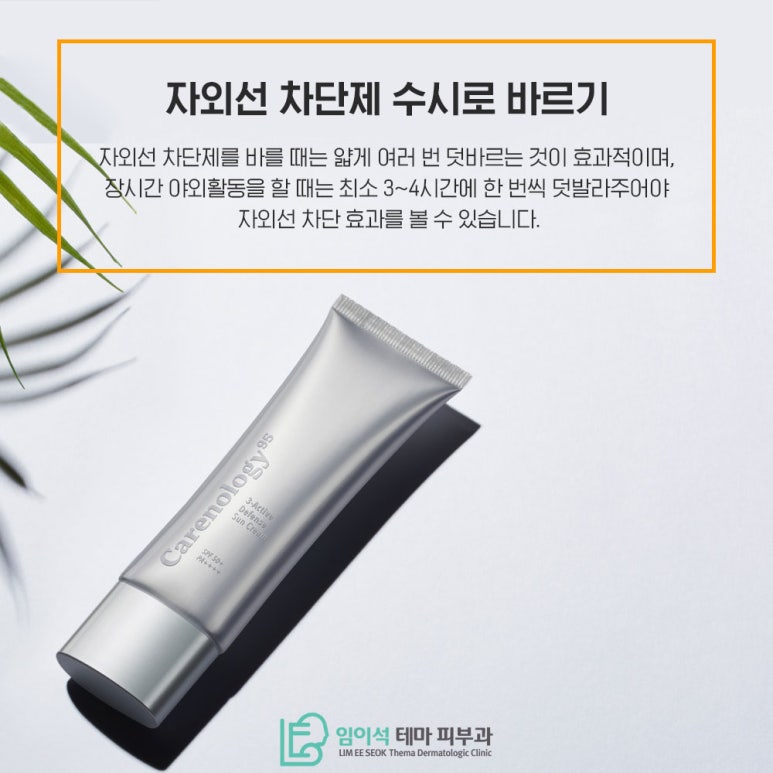
To prevent pigment disorders such as melasma and freckles, it is best to apply sunscreen carefully both indoors and outdoors as a preventive measure. Applying sunscreen to exposed parts of the scalp is helpful. It is also a good idea to part your hair in a way that minimizes scalp exposure or tie your hair up so that as little of the scalp as possible is visible. Wearing a rash guard with a hood that covers the head is also effective for UV protection so that your skin does not get tanned. When applying sunscreen, it is effective to layer it thinly multiple times, and when spending long periods outdoors, it should be reapplied at least once every 3 to 4 hours to maintain UV protection. In addition, regularly eating fresh fruits and vegetables rich in vitamin C, such as strawberries, lemons, kale, and parsley, which help skin whitening, and drinking green tea, which contains a large amount of catechins, can help prevent the formation of melanin pigment.
If pigment disorders such as melasma, freckles, and blemishes have already developed, you can visit a dermatologist and improve them through safe and effective treatment by a specialist. If you simply leave them untreated, the pigmented areas may spread further and worsen, so it is advisable to visit a dermatologist as soon as possible after discovering them and receive treatment from a specialist.

Treatments for pigment disorders commonly include Pico laser, Revlite SI, eToning, Excel V, ICON, and Sylfirm Laser. These procedures are laser treatments that selectively destroy only melanin pigment, so they do not directly stimulate skin tissue, resulting in little to no pain or swelling, and the treatment time is short, making them advantageous for busy office workers.
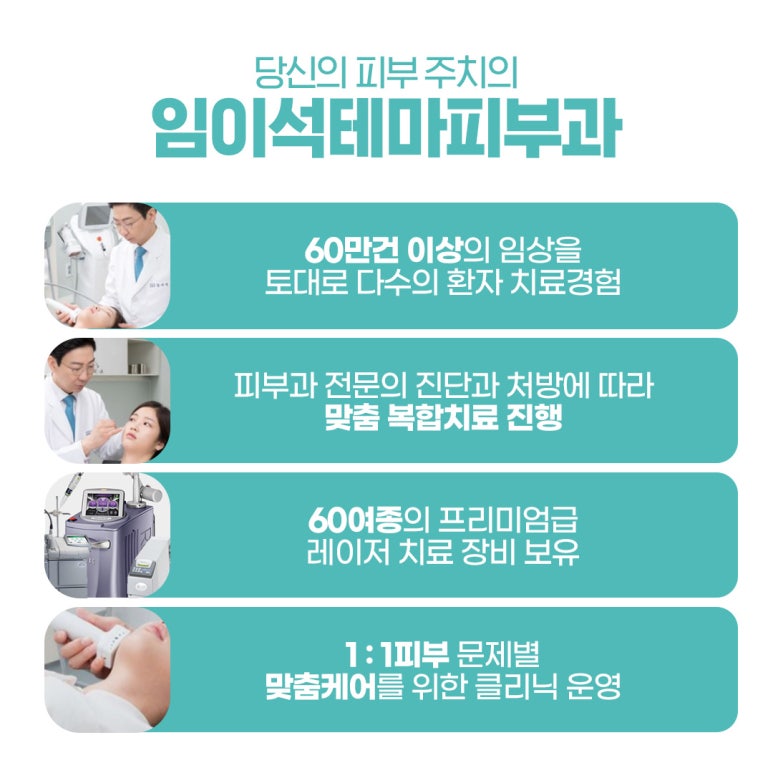
Imiseok Thema Dermatology accurately diagnoses the type of pigment and the condition of the skin, and treats pigment lesions deeply rooted in the skin. With premium-level laser treatment equipment and more than 600,000 clinical cases of experience, we hope you can complete beautiful skin through customized combination treatment based on a dermatologist’s diagnosis.