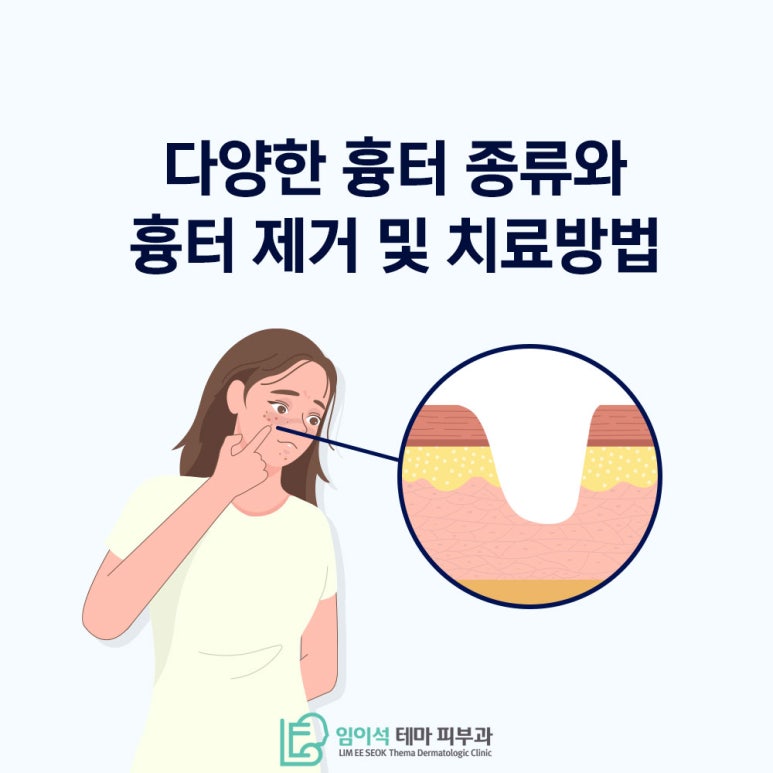
Acne scars, surgical scars, various scar types, and scar removal and treatment methods
Hello. This is Im Eui-sik Thema Dermatology.
It would be wonderful if people could go through life without getting hurt, but contrary to our hopes, anyone can easily end up with scars from minor or major wounds.
Various visible facial scars can remain as even deeper emotional wounds. They can interfere with a neat impression, and because makeup has its limits in covering them, they can cause considerable appearance-related stress in situations such as employment and marriage. If they worsen, they can lead to social avoidance, so it is best to find the most suitable method and treat them quickly to regain confidence.
So today, let’s take a look at the different types of facial scars and the treatment methods that can be used to remove them.
Scar Types
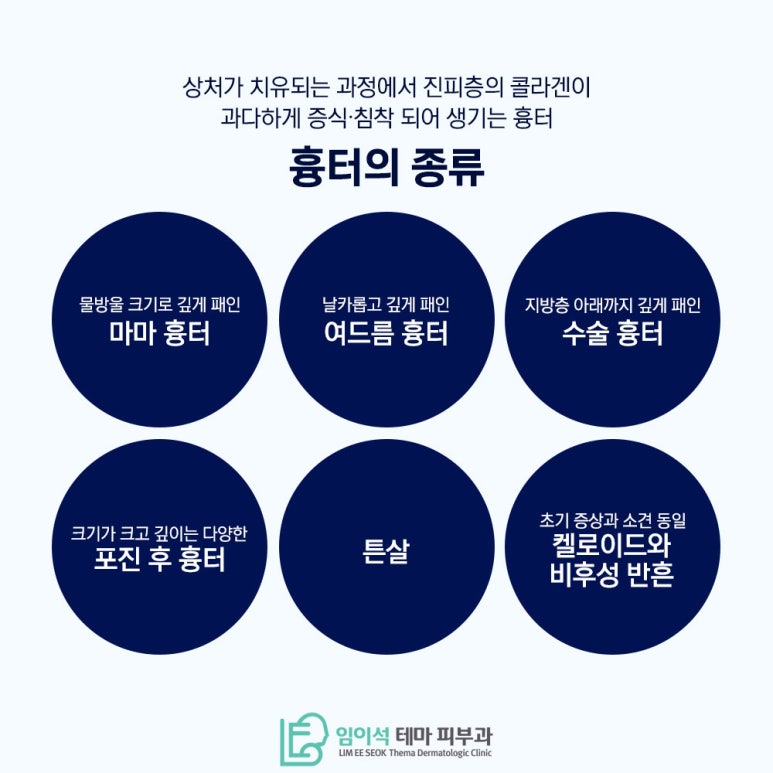
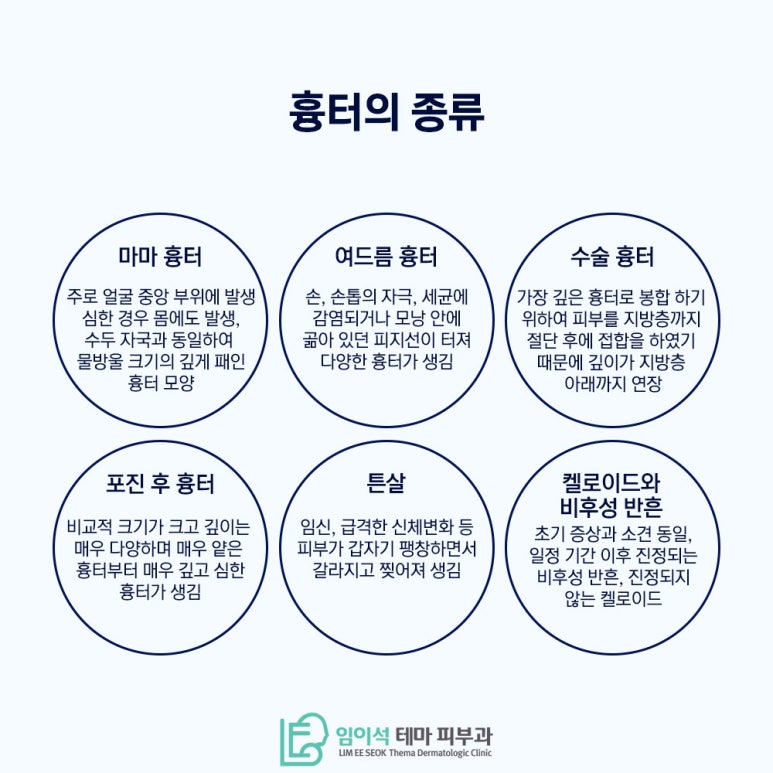
Scars are caused by excessive proliferation and deposition of collagen in the dermal layer during the wound-healing process. There are many types, including smallpox scars, acne scars, surgical scars, post-herpetic scars, stretch marks, keloids, and hypertrophic scars.
Smallpox scars
Smallpox scars usually occur in the central part of the face, but in severe cases they can appear not only across the entire face but also on the body. Their shape is the same as chickenpox marks, and they are characterized by deep, pitted scars the size of water droplets.
Acne scars
Next, the most common facial scars are acne scars. They are often caused by squeezing or irritating acne with your hands, leading to infection from bacteria under the fingernails, or by rupture of sebum that had accumulated and become infected inside a hair follicle, leaving scars behind. Acne scars come in several types, such as the "crater-type" with broad or deep depressions in the skin, the "erythema-type" in which broken blood vessels cause redness, and the "post-inflammatory hyperpigmentation type" in which pigment remains after severe inflammation. Depending on the type, they can be treated with oral medication, lasers, acne peeling, and more. If treatment is started early at a dermatology clinic, it is known that recovery of more than 80% is possible.
To prevent acne scars, you should not squeeze or irritate acne with your hands. It is also important to manage sebum production through clean skincare so that acne does not develop in the first place. First, it is advisable to block environmental factors that can activate sebum production and keep the skin clean with proper cleansing habits.
Surgical scars
Surgical scars are the deepest scars. They occur when the skin is cut down to the fat layer for suturing and then joined back together, so the depth can extend below the fat layer.
Post-herpetic scars
Post-herpetic scars caused by shingles are relatively large and vary greatly in depth, leaving scars ranging from very shallow to very deep and severe.
Stretch marks
Stretch marks, in which the skin cracks in a wavy pattern, are also a type of scar. Stretch marks occur when the skin suddenly expands due to pregnancy, obesity, or rapid physical growth, causing it to stretch thin and tear. In the early stage, they are reddish, and then gradually turn into white stretch marks. If they are found in the early red stage, emergency care such as applying a vitamin A derivative ointment with skin-regenerating effects to help regenerate collagen fibers, or depending on the symptoms, treatment with Vbeam Perfecta laser or radiofrequency treatment that regenerates the skin can be used. However, in the case of "white stretch marks," which are known as a refractory skin condition, they do not easily improve with general care, so you should receive treatment suitable for your skin condition through consultation. This is because a scar turning white is a sign that tissue growth has already ended.
Keloids and hypertrophic scars
Keloids and hypertrophic scars have the same symptoms and findings, so they are difficult to distinguish at first. However, hypertrophic scars tend to calm down after a certain period, whereas keloids do not.
Scar Treatments
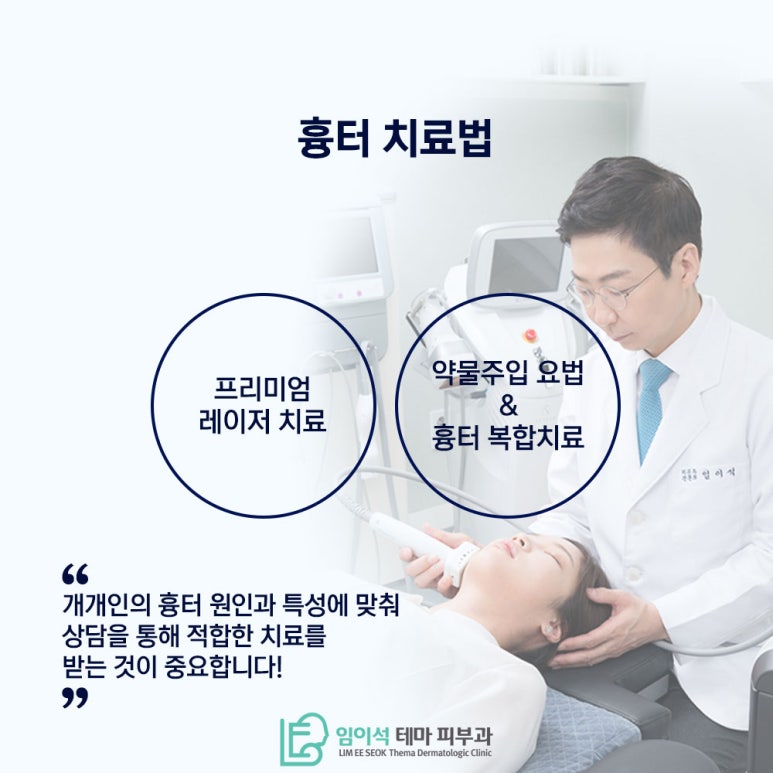
For treating various scars, from depressed acne scars to stretch marks and post-surgical scars, it is important to use lasers that help skin regeneration and carry out treatment suited to the cause and characteristics of the scar. Methods for treating scars include premium laser treatment and drug-injection therapy & scar combination treatment. It is important to receive appropriate treatment through a dermatology consultation tailored to the cause and characteristics of each individual scar.
Premium Laser Treatment
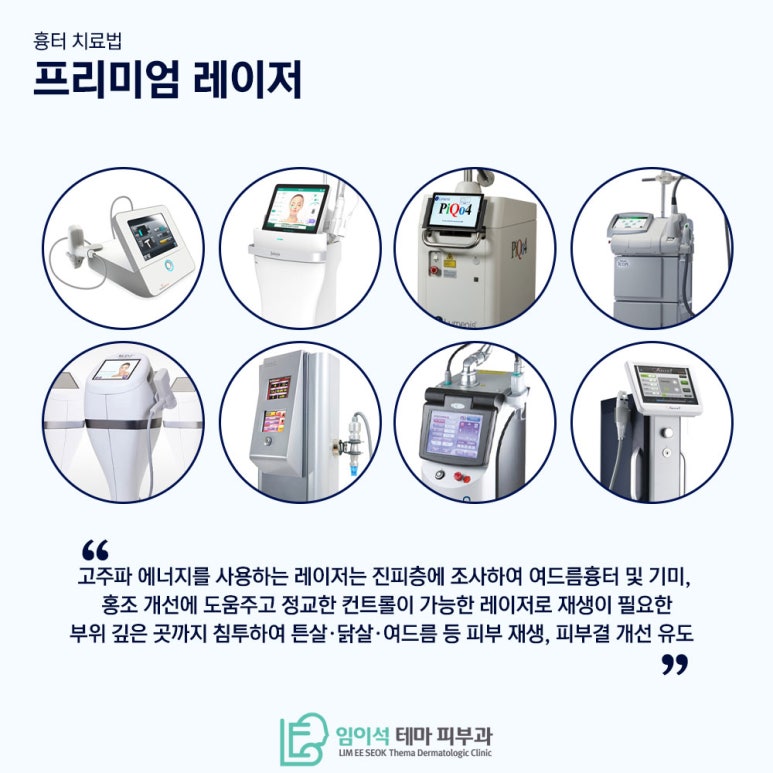
Depending on the symptoms, such as burn scars and stretch marks, treatment with laser devices is possible. Potenza helps improve acne scars, melasma, and redness with radiofrequency energy. By delivering radiofrequency energy to the dermal layer, the skin can become clearer and elasticity can improve within 2 to 3 days after the procedure.
Scarlet, which helps improve skin texture and treat scars such as stretch marks and chicken skin acne, penetrates deeply into areas that need regeneration through micro-needles to induce skin regeneration and improvement.
For "white stretch marks," known as a refractory skin condition, treatment appropriate to your skin condition can be received using erbium fractional laser such as ICON XD or CO2 fractional laser.
Drug Injection Treatment
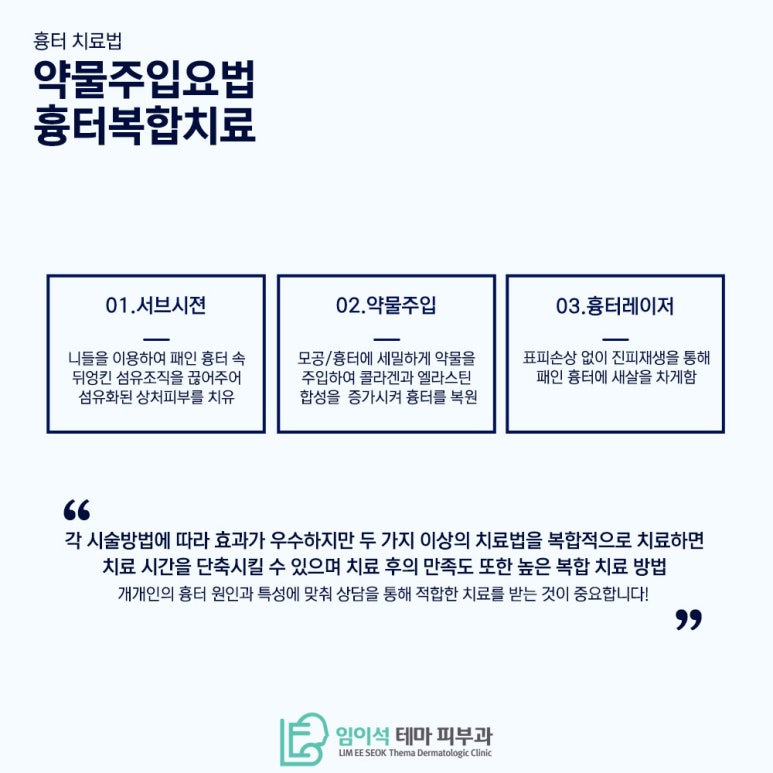
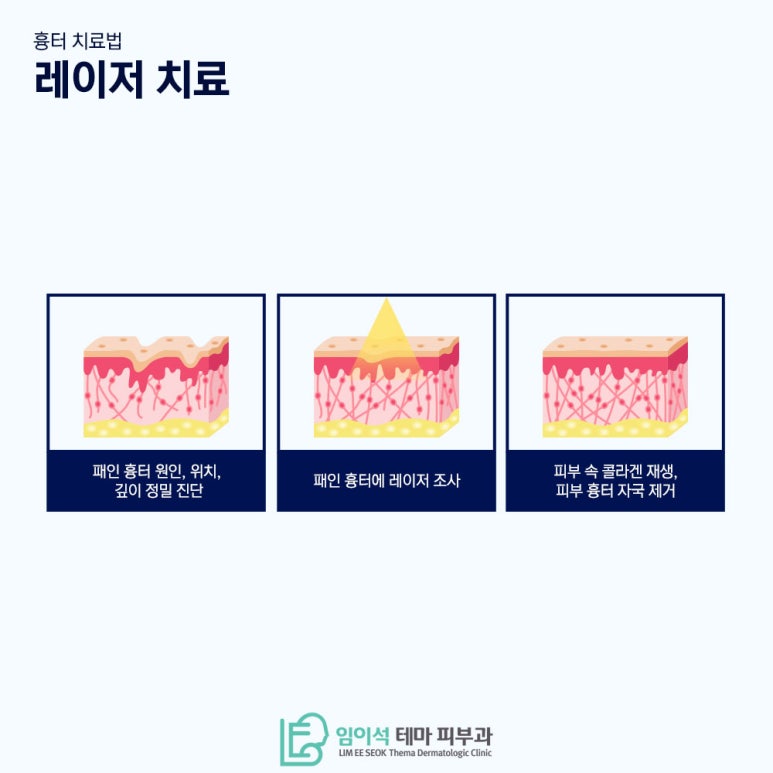
Drug treatment is a method of restoring scars by precisely injecting medication into pores/scars to increase collagen and elastin synthesis. Because the effect can vary depending on a person's constitution, rather than aiming for a quick cure, you should be patient and receive steady treatment through consultation.
Precautions During Scar Treatment
-
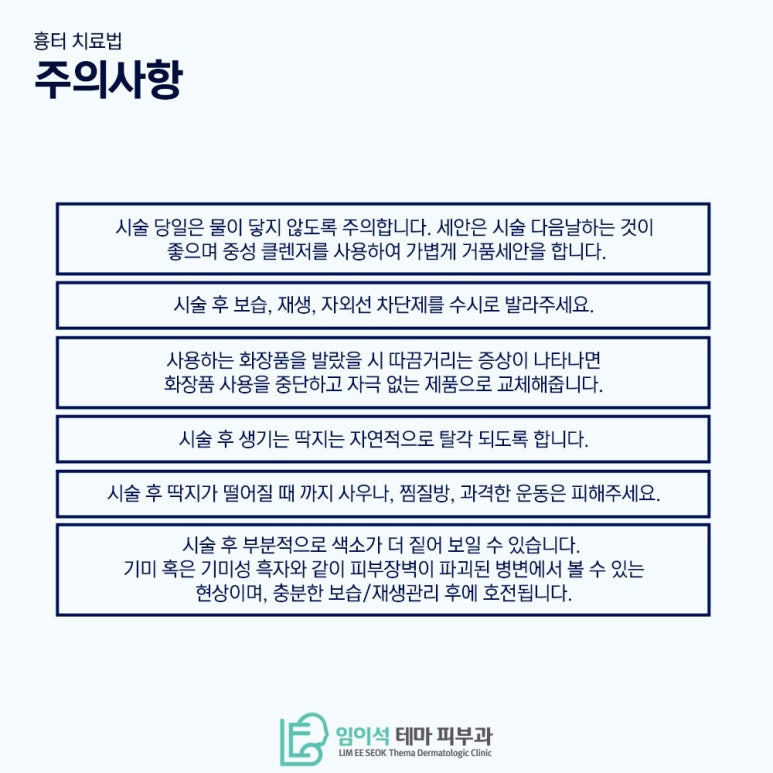
On the day of the procedure, be careful not to let water touch the treated area. It is best to wash your face the next day, and use a mild cleanser for a light foaming wash.
-
After the procedure, apply moisturizer, regenerative products, and sunscreen frequently.
-
If you feel stinging after applying the cosmetics you use, stop using them and switch to non-irritating products.
-
Let any scabs that form after the procedure fall off naturally.
-
After the procedure, avoid saunas, jjimjilbang, and strenuous exercise until the scabs have fallen off.
-
After the procedure, the pigmentation may appear partially darker. This is a phenomenon seen in lesions with a damaged skin barrier, such as melasma or melasma-like lentigines, and it improves after sufficient moisturizing and regenerative care.
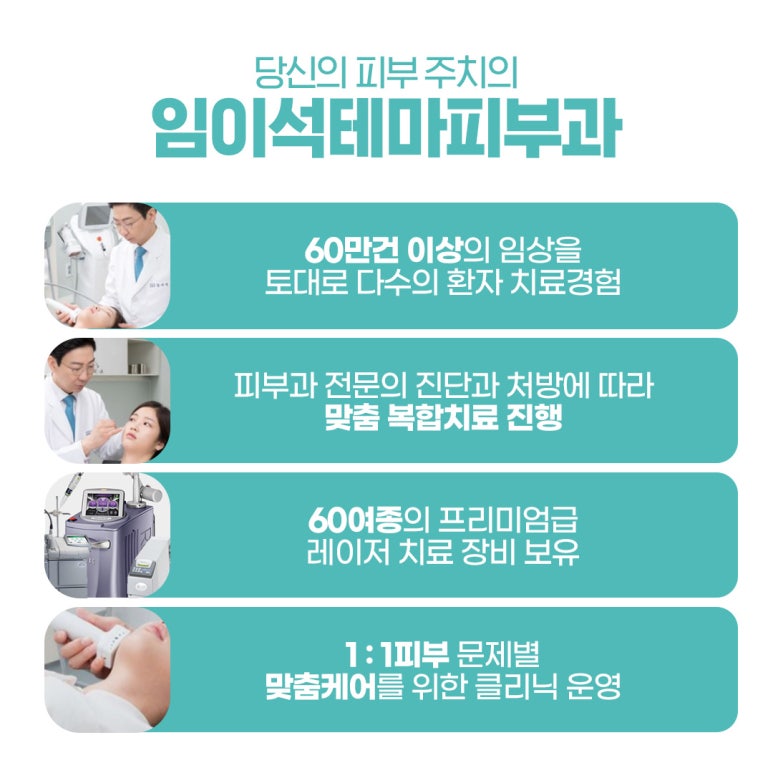
If you are worried about scars or looking for an effective solution, visit an experienced dermatology clinic, have a consultation, and find the treatment that is right for you. Im Eui-sik Thema Dermatology Clinic, located near Sinsa Station in Gangnam-gu, treats patients with over 600,000 clinical cases of experience and by adding/replacing premium laser equipment. With precise diagnosis, the clinic plans a program tailored to the patient's condition and carries out treatment.