▶Go to the original news article
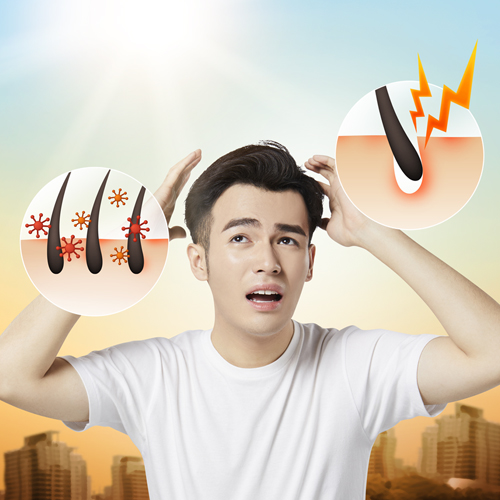
During the humid rainy season in summer, scalp problems are easy to develop. In the rainy season, the surrounding environment remains consistently humid, and the scalp becomes even more humid because of the hair, which increases sebum production and makes the scalp oilier. Since this is an environment in which seborrheic dermatitis can easily worsen, extra caution is needed.
Situations that may suggest seborrheic scalp dermatitis include a red scalp, severe flaking, and symptoms such as oozing when scratched due to itching. In the past, seborrheic scalp dermatitis occurred more frequently in adult men, but recently it has been occurring widely regardless of gender. It is characterized by dry or greasy scales on top of erythema and may be accompanied by itching.
Seborrheic scalp dermatitis, which often occurs on the crown and back of the head, is basically accompanied by itching, and it can progress beyond dandruff and flaking to seborrheic hair loss. In particular, because a humid environment is created and the condition can worsen once it develops, making it even more uncomfortable, prompt and accurate diagnosis along with active treatment is desirable.
Seborrheic scalp dermatitis is caused by abnormalities in the body's immune system, so it is difficult to treat fundamentally with steroids or antibiotics alone, and most cases recur. Therefore, improvements in lifestyle habits, along with steady treatment and management, are necessary.
People with seborrheic scalp dermatitis should make an effort to keep the scalp clean by frequently removing waste, oil, and bacteria from the scalp. Shampooing once a day is appropriate, and when washing the hair, the scalp should be gently massaged evenly and rinsed thoroughly so that no cleanser remains. Also, be careful not to scratch the scalp with your nails or cause wounds, and it is best to refrain from using hair products, dyeing, or perming.
Lee Mi-seok, director of Lee Mi-seok Theme Dermatology Clinic, advised, “If seborrheic scalp dermatitis is suspected, it is best to visit a specialist clinic for an accurate diagnosis and receive treatment through medication, shampoo scaling, and similar methods.” He added, “If there is hair loss along with scalp dermatitis, symptoms can be improved through treatments such as hair loss injections (perifollicular injections), ReActiva, HairCell S2, scalp scaling, and platelet-rich plasma (PRP).”
Article source: Edaily
Date written: 2020.07.31