Hello! This is Lee Mi-seok Theme Dermatology.
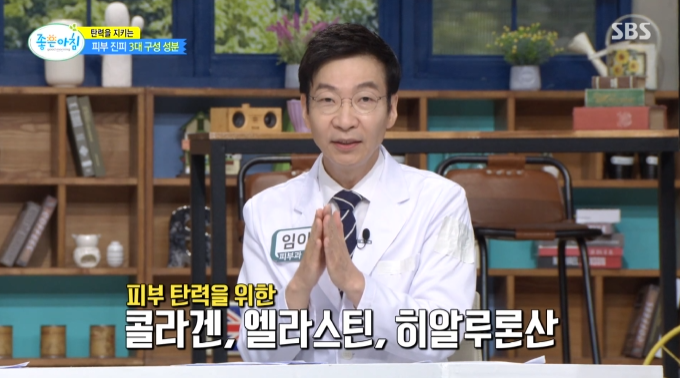
On the June 8 episode of SBS Good Morning, Dr. Lee Mi-seok appeared on a segment about the importance of skin elasticity, which affects how youthful or aged we look.
The episode also covered diseases that can occur in our bodies when elasticity decreases.
To put it simply, “elasticity” refers to the skin’s ability to resist when pressed and stay firm.
As time goes by, elasticity naturally decreases.
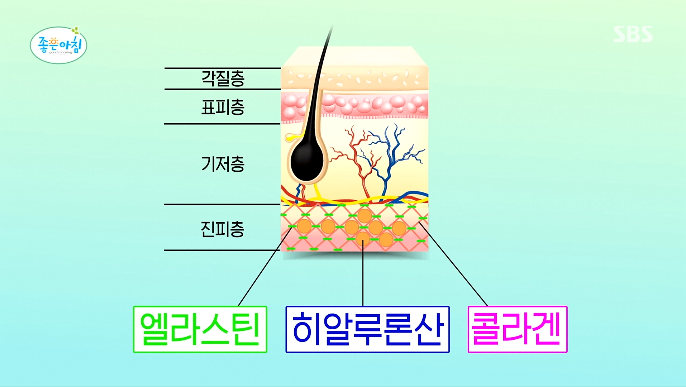
Among the various types of elasticity, we first looked at skin elasticity.
The three key components of skin elasticity are collagen, elastin, and hyaluronic acid, which are essential components in the dermis.
Collagen is the main component of connective tissue and is a protein found in bones, joints, hair, and skin.
Elastin is a substance made of elastic fibers; when it is lacking, it can reduce skin elasticity.
Hyaluronic acid is a type of polysaccharide that contains a large amount of moisture and plays a role in restoring volume.
That is why collagen, elastin, and hyaluronic acid are important for our skin’s elasticity.
Also, among the diseases that can occur in our body when elasticity decreases, joints should be managed well.
There are ligaments that connect bone to bone. Ligaments need elasticity for smooth contraction and relaxation.
When ligament elasticity decreases, they can break easily, and damage increases the risk of injury.
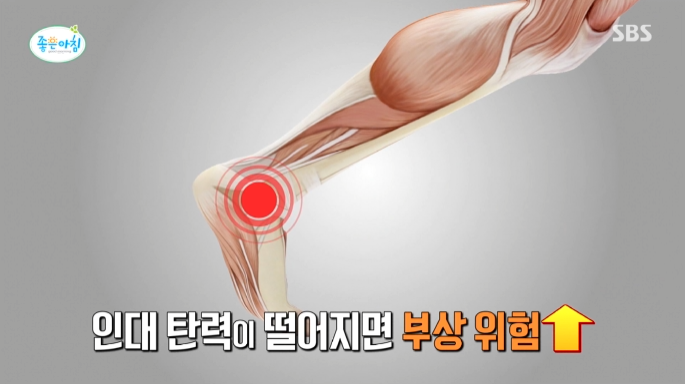
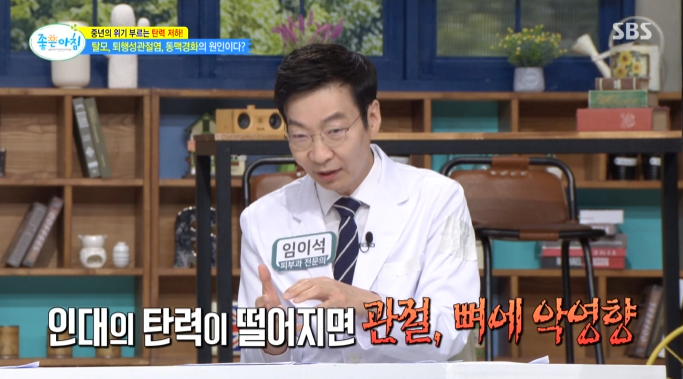
If the elasticity of the ligaments attached around the joints decreases, it can later lead to degenerative arthritis, so you should pay attention to your ligaments as well.
In addition to the content above, if you would like to learn more about skin elasticity and about hair loss, joints, and arteriosclerosis caused by reduced elasticity, please click the links below :-)
(Skin Elasticity) Diseases That Occur in Our Body When Elasticity Decreases! (Dr. Philsaenggi) (naver.com)
(Hair Loss & Joints) Diseases That Occur in Our Body When Elasticity Decreases! (Dr. Philsaenggi) (naver.com)

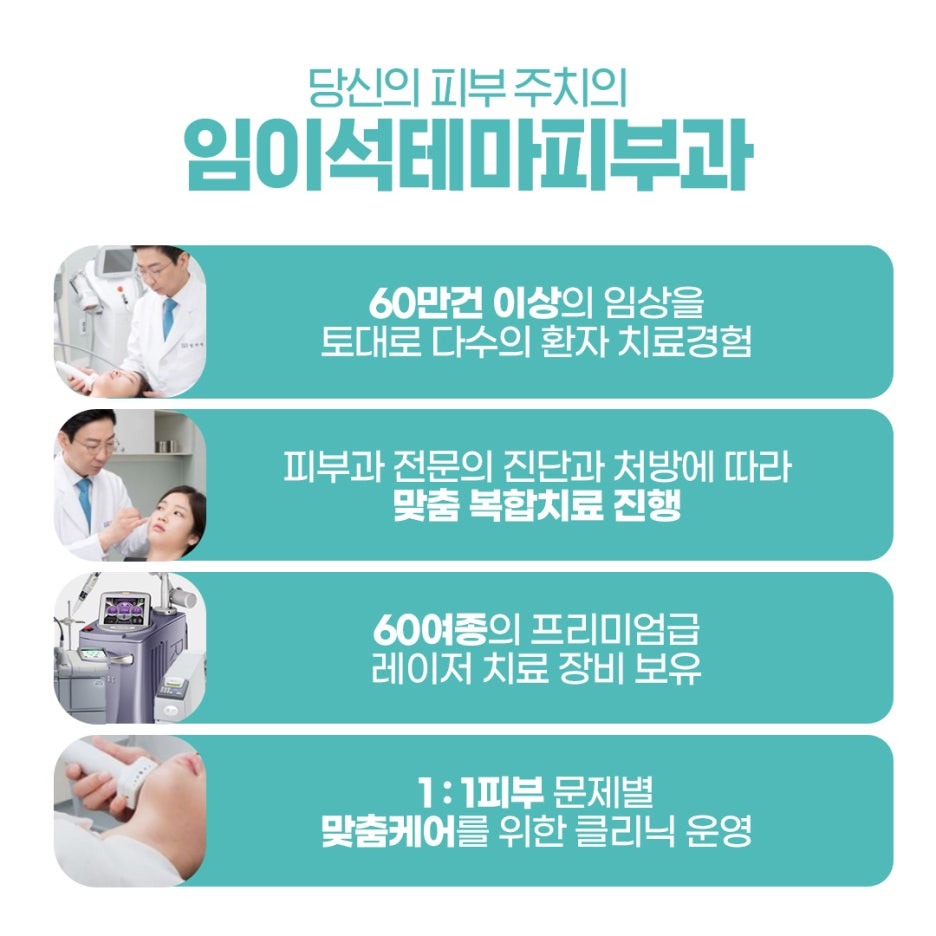
Lee Mi-seok Theme Dermatology provides personalized treatment led by Director Lee Mi-seok and a medical team with diverse experience.
Rather than simply relieving symptoms temporarily, we consider the underlying skin issues and use a variety of treatment devices to increase patient satisfaction.
In particular, for effective skin care, we have established a ONE-STOP service and provide individualized services for each patient. In addition, coordinators are assigned to each area, including administration, aftercare, and treatment, so you can receive comfortable and prompt service.