Provider: Imi-seok Theme Dermatology Clinic
From the causes and types of acne to treatment methods, acne scar care, and more
Everything About Acne
Hello, this is Imi-seok Theme Dermatology Clinic. Today, we will share information about acne, including the causes of acne, the types of acne (such as pustular acne, whiteheads, folliculitis, and more), treatment methods, acne scar care, and precautions.
Acne can sometimes be confused with folliculitis, which occurs due to excessive sebum secretion, excessive keratinization and dilation of hair follicles, proliferation of acne bacteria, inflammation and foreign body reactions, as well as bacterial infection and demodex mites. Learn about acne treatment methods.
Causes of Acne
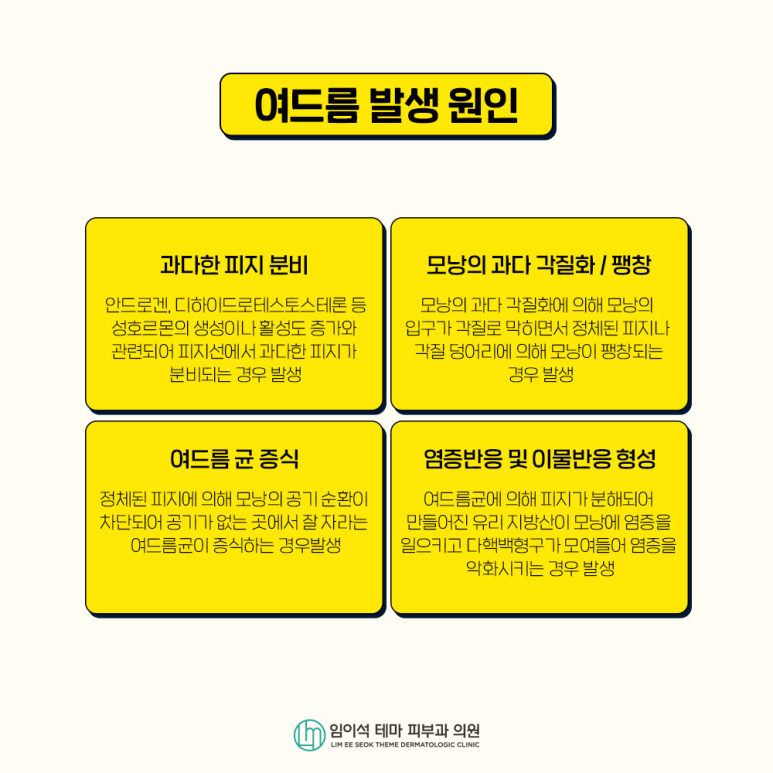
Acne is known to result from multiple causes acting together, and the main causes can be broadly divided into four categories: excessive sebum secretion, excessive keratinization/dilation of hair follicles, proliferation of acne bacteria, and inflammatory and foreign body reactions. First, excessive sebum secretion is when too much sebum is secreted from the sebaceous glands due to increased production or activity of sex hormones such as androgen or dihydrotestosterone. Next, excessive keratinization/dilation of hair follicles refers to a case in which the opening of the hair follicle becomes blocked due to excessive keratinization, causing the follicle to expand because of retained sebum or keratin buildup. In the case of proliferation of acne bacteria, sebum retention blocks air circulation in the follicle, allowing acne bacteria that thrive in low-oxygen environments to multiply. In the case of inflammatory and foreign body reactions, free fatty acids produced when sebum is broken down by acne bacteria cause inflammation in the follicle, and the influx of polymorphonuclear leukocytes worsens the inflammation.
Types of Acne
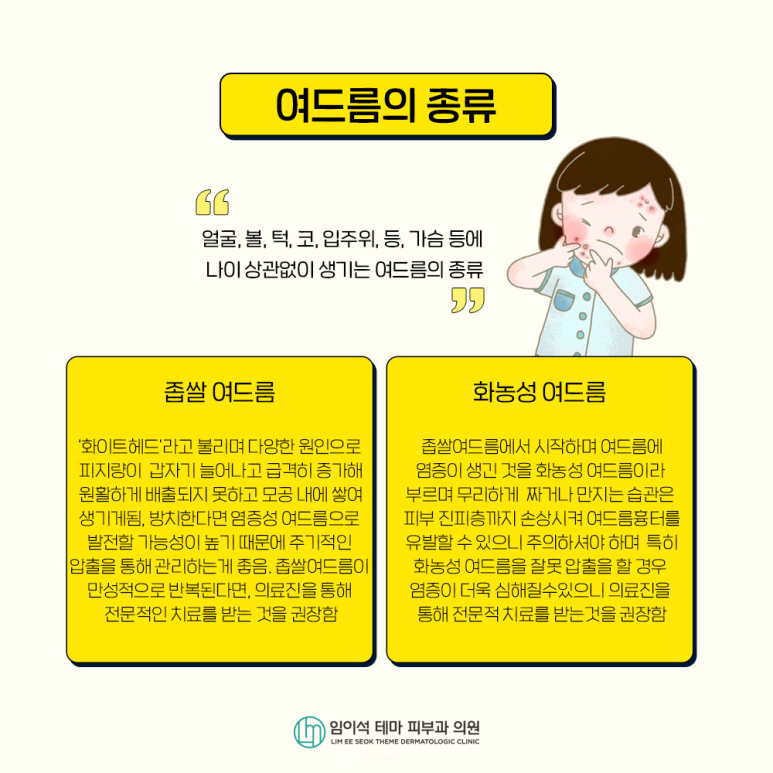
Acne mainly occurs on the face, neck, chest, back, and shoulders, and depending on its form, it is divided into whiteheads and pustular acne.
Whiteheads, commonly called “whiteheads,” are caused by a sudden increase in sebum for various reasons, with the rapidly increased sebum unable to drain properly and accumulating within the pores.
If whiteheads are left unexpressed, they are highly likely to develop into inflammatory acne, so it is better to manage them through regular extraction. However, if whiteheads recur chronically, it is advisable to receive treatment from medical professionals. In particular, using unsanitary tools or extracting with unclean hands can damage the surrounding tissue, leaving acne marks or scars, so caution is needed.
Pustular acne also begins as whiteheads. Acne with inflammation is called pustular acne, and acne is not just one type; it can appear in various forms as pustular acne. Be careful not to squeeze or touch it forcefully, as doing so can damage even the dermis layer of the skin and cause acne scars.
Folliculitis
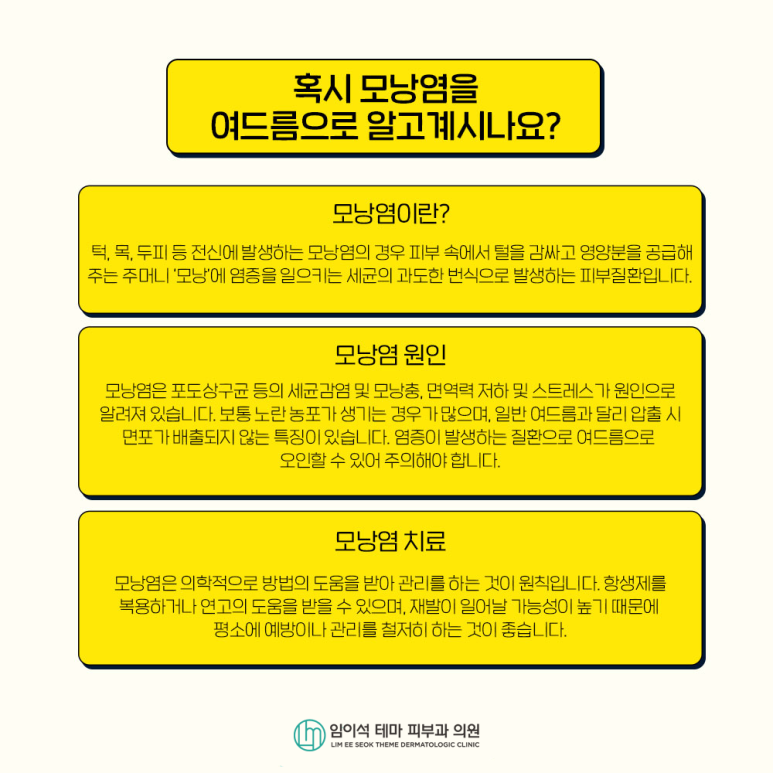
Folliculitis, which occurs on the chin, jawline, neck, scalp, and other areas of the body, is a skin condition caused by the overgrowth of bacteria that inflame the follicle, the sac in the skin that surrounds hair and provides nutrients.
The causes of folliculitis are known to include bacterial infections such as staphylococcus, demodex mites, weakened immunity, and stress. Yellow pustules often appear, and unlike regular acne, it has the 특징 that comedones are not expressed when extracted. Since it is an inflammatory condition, it can be mistaken for acne, so caution is needed.
The treatment for folliculitis should, in principle, be managed with medical treatment. Antibiotics may be taken orally, or ointments may be used. Because folliculitis is prone to recurrence, it is advisable to focus on prevention and management in daily life. In addition, since it can trigger inflammation, visit a dermatology clinic and receive the treatment that suits you after sufficient consultation.
When Acne Occurs
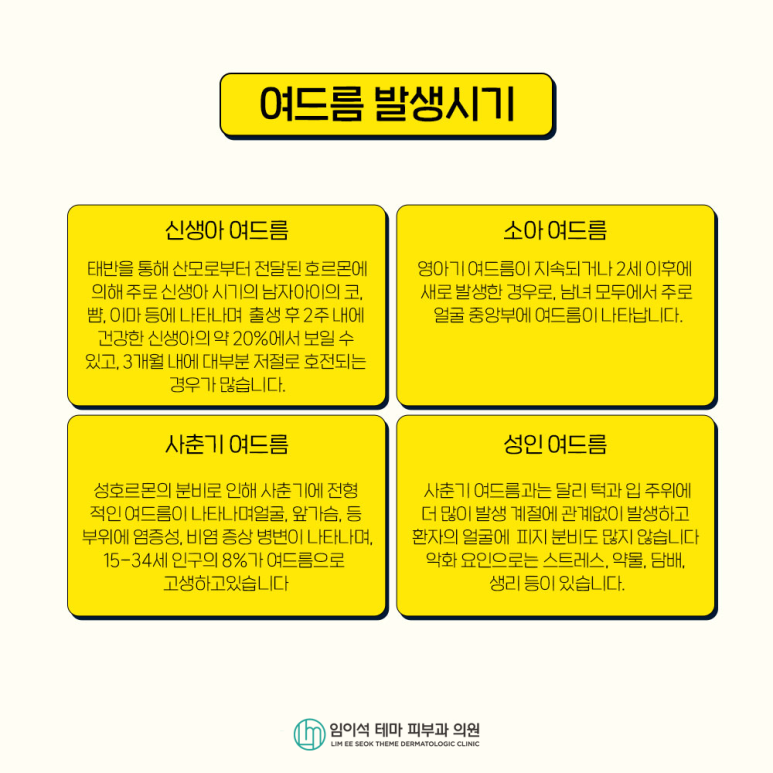
Acne can also be classified by when it occurs: neonatal acne, childhood acne, adolescent acne, and adult acne.
Neonatal acne mainly appears on the noses, cheeks, and foreheads of baby boys during the newborn period due to hormones passed from the mother through the placenta. It can appear in about 20% of healthy newborns within two weeks after birth, and in many cases it improves on its own within three months.
Childhood acne refers to acne that continues from infancy or newly develops after the age of two, and it mainly appears in the center of the face in both boys and girls.
Adolescent acne begins to appear during puberty due to the secretion of sex hormones. Inflammatory and non-inflammatory lesions appear on the face, upper chest, and back, and there are reports that 8% of people aged 15–34 suffer from acne.
Unlike adolescent acne, adult acne tends to occur more often on the chin, jawline, and around the mouth. It occurs regardless of season, and patients do not have much sebum secretion on the face. Adult acne is known to occur more than three times as often in women, and aggravating factors include stress, medication, smoking, and menstruation.
If you continue to leave acne untreated or forcefully extract it, the injury may worsen and remain as an acne scar, so it is better to receive an accurate diagnosis and consultation from a dermatologist.
Acne Treatment Methods
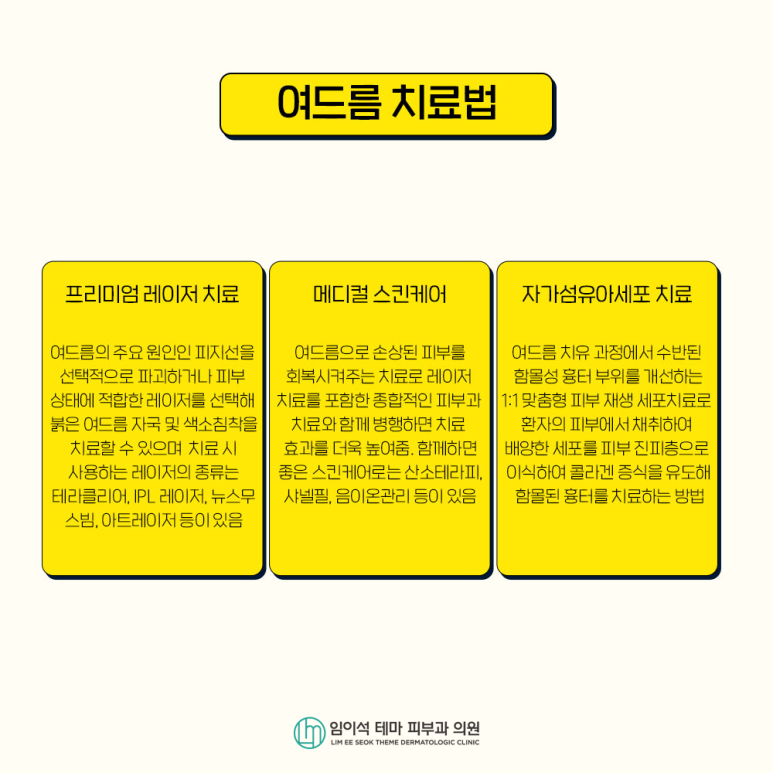
In the case of premium laser treatment performed at a dermatology clinic, the main cause of acne—the sebaceous glands—can be selectively destroyed, or a laser suitable for the skin condition can be chosen to treat red acne marks and pigmentation.
The acne laser Theraclear, which treats even the causes of acne, has received FDA approval for acne improvement on all skin types, and its advantages are fast treatment effects and a small number of treatment sessions. It pulls the skin into the tip to remove impurities and waste products, cleanses the inside of the pores to eliminate the causes of acne, and then irradiates the skin pulled close to the tip with a laser to help reduce pigmentation, redness, pore size, and sebum.
IPL laser, which helps improve various skin concerns such as freckles, blemishes, and vascular conditions, can treat not only capillary dilation but also entirely different conditions such as pigmentation and enlarged pores by irradiating multiple wavelengths at the same time. Compared with general laser procedures, it minimizes the risk of skin damage and can effectively improve acne scars. In addition, Art laser is a laser toning treatment that improves melasma and acne. It helps manage acne by restoring the function of the sebaceous glands, the root cause of acne, to normal, and it is also an effective laser procedure for melasma and pigmentation.
Medical skin care, which helps restore skin damaged by acne, is characterized by increasing the effectiveness of treatment when carried out together with comprehensive dermatological treatment, including laser therapy.
Autologous fibroblast therapy is a one-on-one customized skin regeneration cell therapy that improves depressed scars that appear during the acne healing process. It is a method of treating depressed scars by transplanting autologous fibroblasts, which are collected from the patient's skin and cultured, into the dermal layer of the skin to induce collagen proliferation. Fibroblasts are the main cells of the dermis that produce collagen and elastin, which are connective tissue proteins that maintain the extracellular matrix and skin elasticity, and collagen produced by fibroblasts accounts for 80% of the dermal components. Under appropriate conditions, they can differentiate into mature skin cells and create an environment similar to the skin condition before aging and damage. Autologous fibroblast therapy brings the skin’s natural vitality back to life, and because it uses only the patient's own skin cells, the likelihood of tissue rejection and external infection is low, and it can also treat areas that could not be addressed with existing procedures.
Precautions Before and After Acne and Acne Mark Treatment
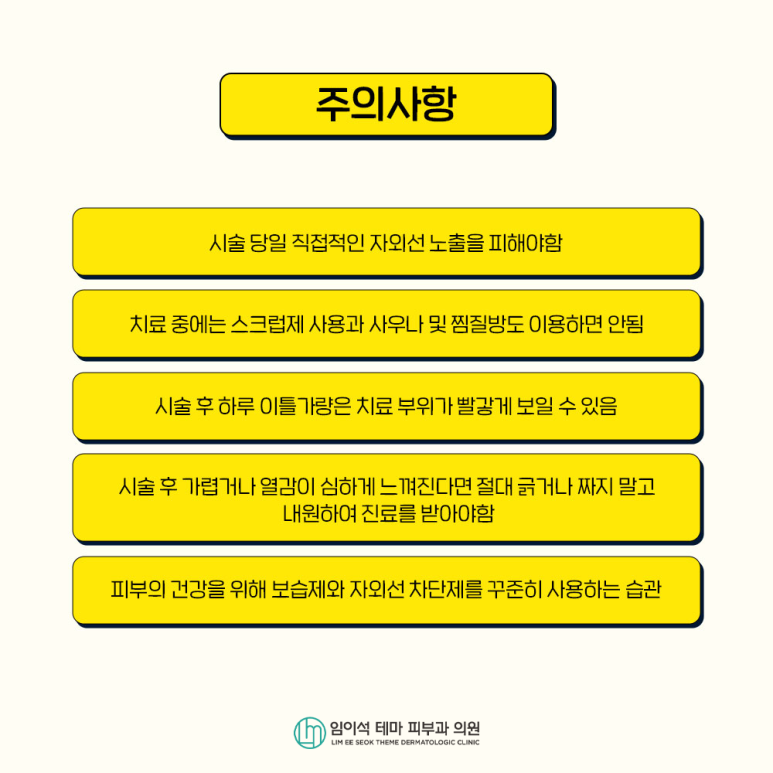
On the day of the procedure, direct exposure to ultraviolet rays should be avoided, and during treatment, scrubs, saunas, and jjimjilbang should not be used. For about one or two days after the procedure, the treated area may appear red, and if itching or a strong sensation of heat occurs after the procedure, do not scratch or squeeze it; instead, visit the clinic and receive treatment. For healthy skin, it is important to develop the habit of consistently using moisturizer and sunscreen.
We have explained the causes and treatment methods of whiteheads, pustular acne, and folliculitis, which is often mistaken for acne. Since acne and folliculitis can cause inflammation, receive customized treatment that matches your individual skin condition. To prevent recurrence, your daily habits are also important, so please follow the precautions.
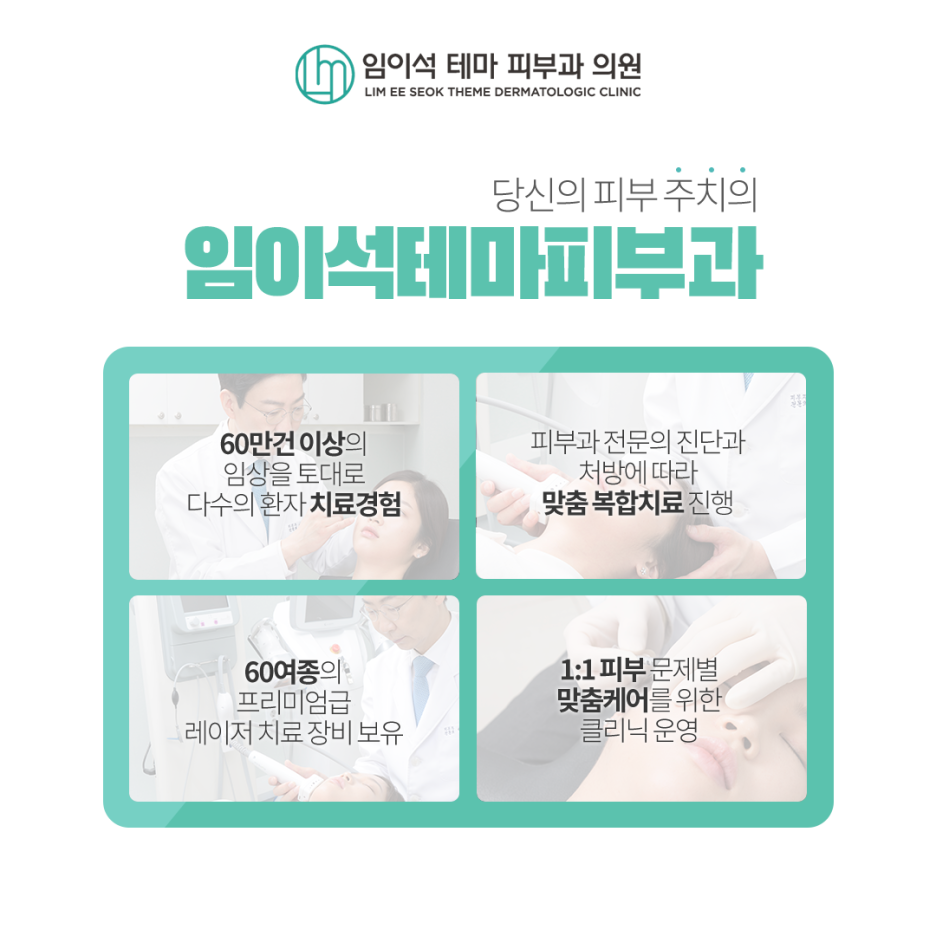
Imi-seok Theme Dermatology Clinic continues to add and replace premium laser treatment equipment for more effective results, and with over 600,000 cases of clinical experience, it provides reliable treatment. We plan treatment programs according to diagnosis and prescription and carry out one-on-one customized treatment suited to the patient's condition. Because procedures and treatment must always be based on diagnosis first, we hope you can find the treatment method that suits you through an accurate consultation and achieve healthy skin.
Would you like to see the video of our clinic's acne treatment using the 'Agnes' laser procedure? Please check it through the link below :-)
https://www.youtube.com/watch?v=1Up1XpkRcvM