Provided by: Imi Seok Theme Dermatology Clinic
What is onychomycosis (nail fungus)?
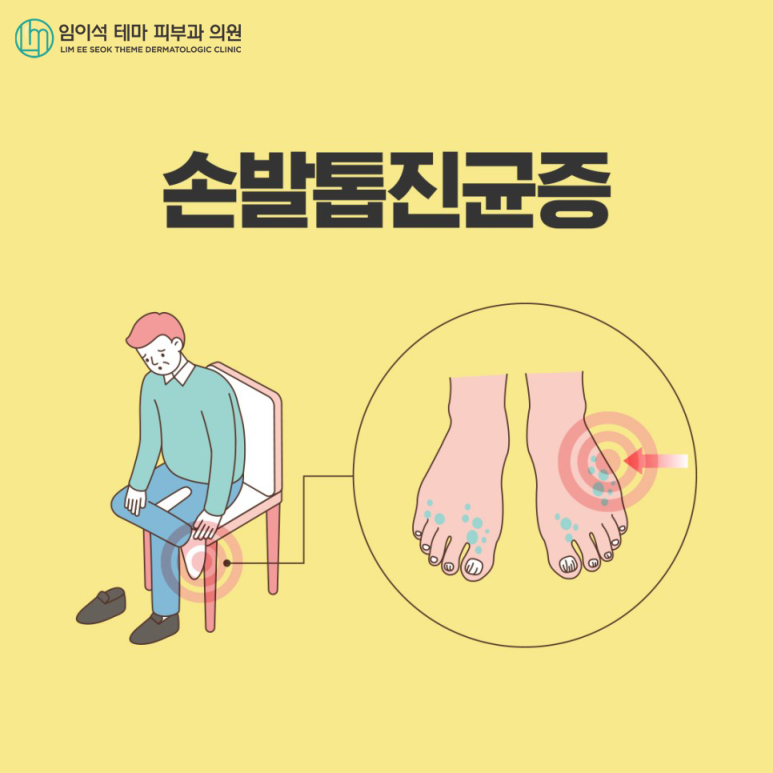
Onychomycosis (nail fungal infection) is commonly called nail fungus. It refers to a skin disease in which fungi invade and infect the stratum corneum, hair, fingernails, and toenails, causing a fungal infection. These fungi are a type of dermatophyte.
Fungi use the keratin in our bodies as a nutrient source. They can cause infections in various areas, including the skin, hair, and beard, but nail infections account for about 46% of all cases, making them a major category.
Types of onychomycosis
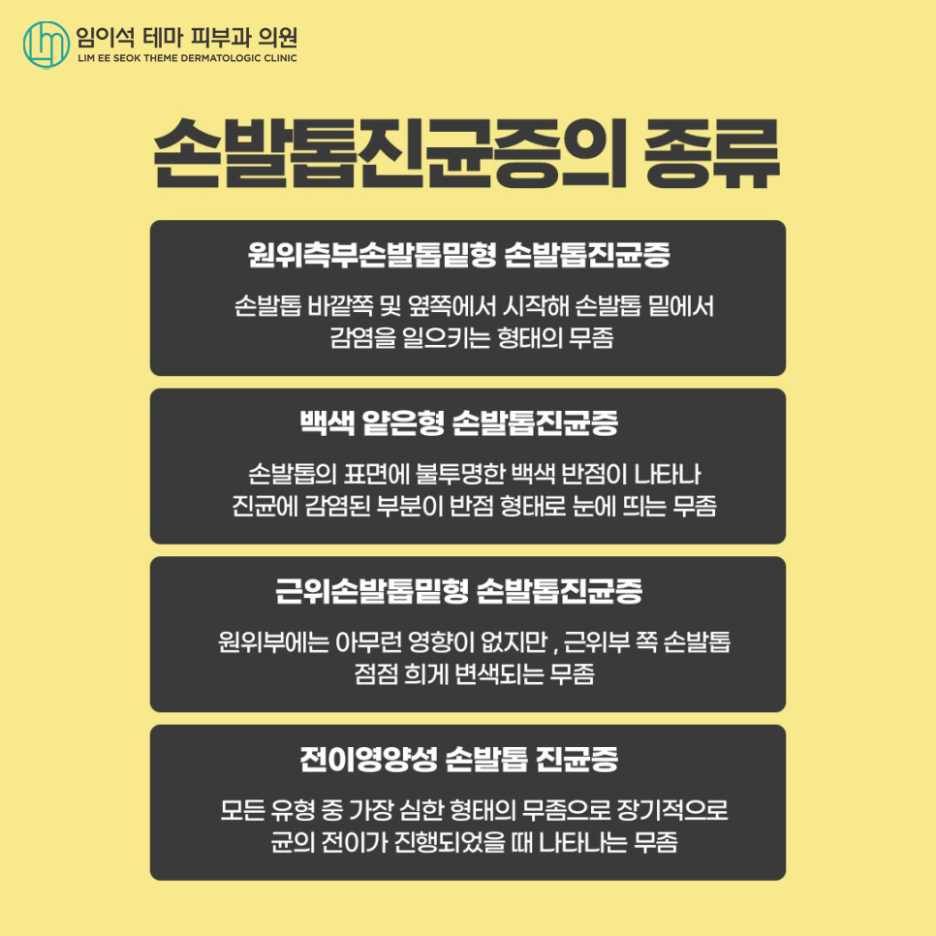
Onychomycosis is classified into various types depending on the pattern and site of fungal invasion.
- Distal-lateral subungual onychomycosis
This is a type of athlete’s foot that starts at the outer and lateral sides of the nail and causes infection underneath the nail. The skin at the base of the nail often turns yellow or yellow-brown. This is a result of inflammation and fungal overgrowth. Over time, the nail and keratin become thicker, take on a cloudy color, and lose their shine, and nail separation occurs.
- White superficial onychomycosis
If opaque white spots appear on the surface of the nail, white superficial onychomycosis may be suspected. The infected area becomes visible as spots. This type can occur in both healthy individuals and people with HIV infection.
- Proximal subungual onychomycosis
If the distal part is unaffected but the proximal part of the nail gradually turns white, it may be proximal subungual onychomycosis. In this form, fungi infect the nail from the proximal nail fold and invade underneath the nail. It usually occurs in people with weakened immune function, such as those with HIV infection.
- Total dystrophic onychomycosis
This is the most severe form among all types of athlete’s foot and appears when fungal invasion has progressed over a long period. In this type, the nail plate often crumbles or is destroyed. It mainly occurs in patients with severely weakened immunity, such as those with chronic mucocutaneous candidiasis or HIV infection.
Why onychomycosis must be treated
The reasons treatment for nail fungus is necessary are as follows.
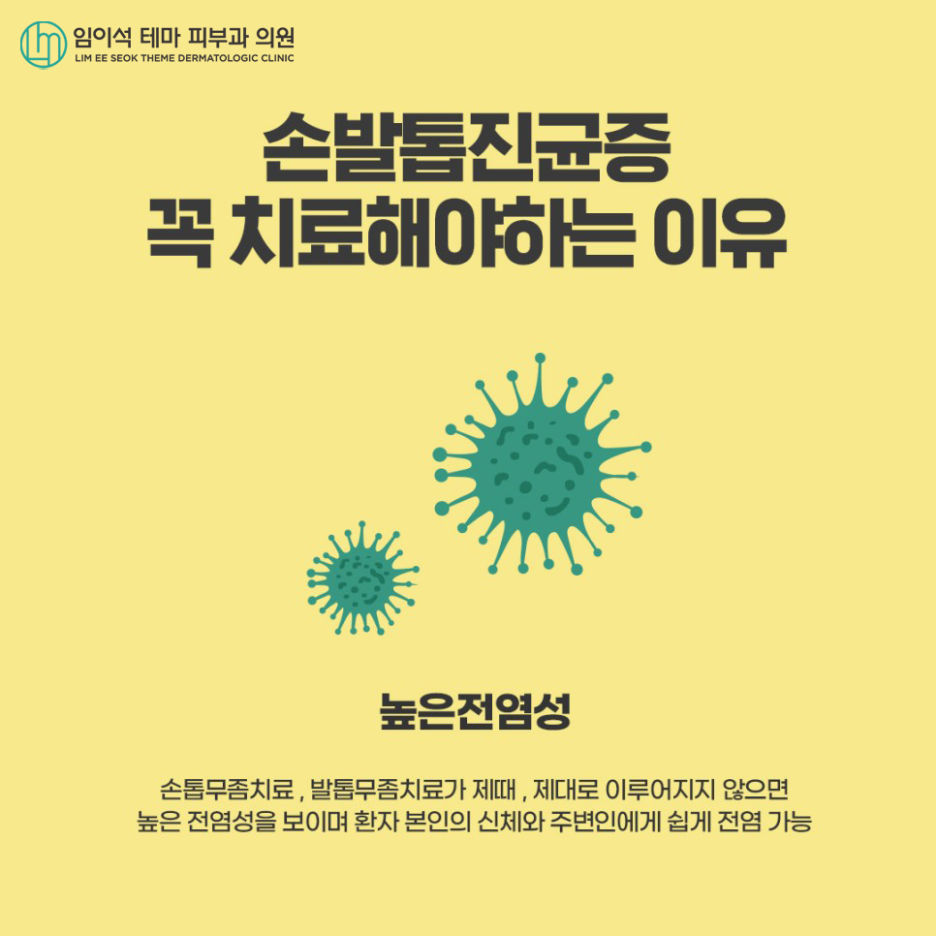
- High contagiousness
The reason toenail fungus and fingernail fungus must be treated in a timely and proper manner is that they are highly contagious. Not only is there a risk of spreading to other parts of the patient’s own body, but it can also easily spread to people around them, such as family and friends. Older adults with weakened immunity are especially vulnerable to infection, so contact should be minimized as much as possible and a hospital visit should be made as soon as possible.
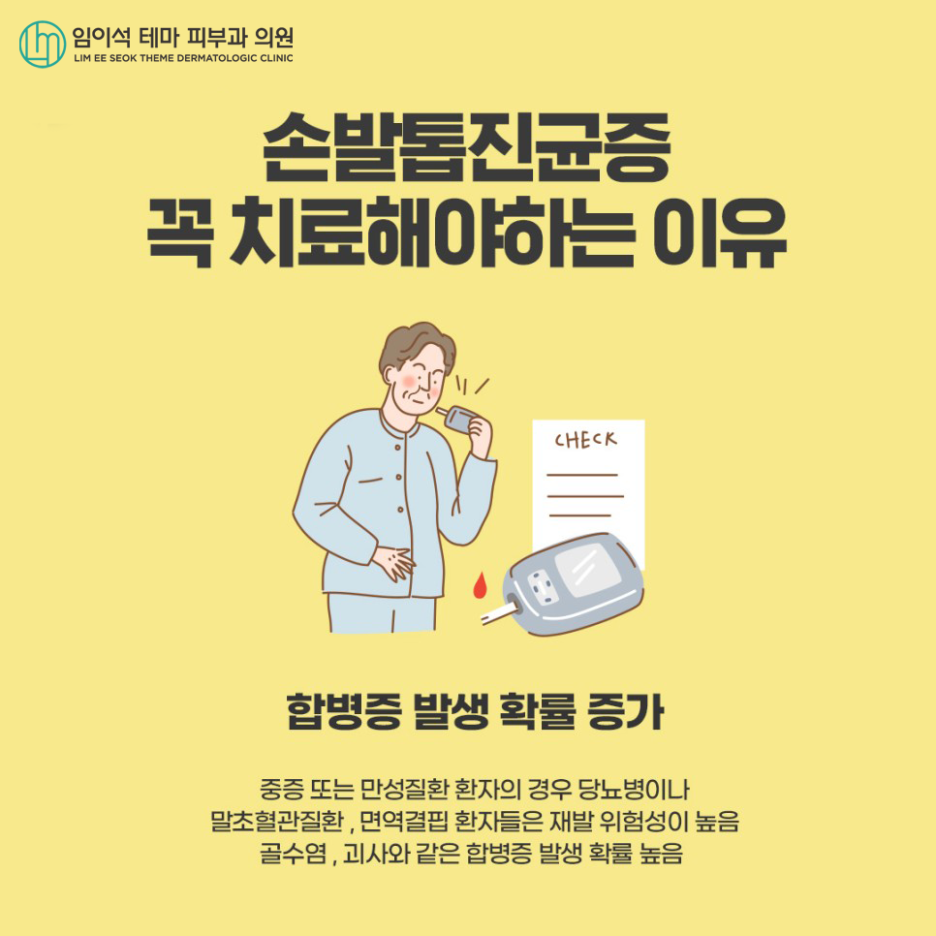
- Increased risk of complications
For patients with severe or chronic illnesses, proper treatment of nail fungus is even more important. This is because patients with diabetes, peripheral vascular disease, or immunodeficiency have a high risk of recurrence. In addition, the risk of complications such as osteomyelitis and necrosis is higher, so prompt hospital care is needed.
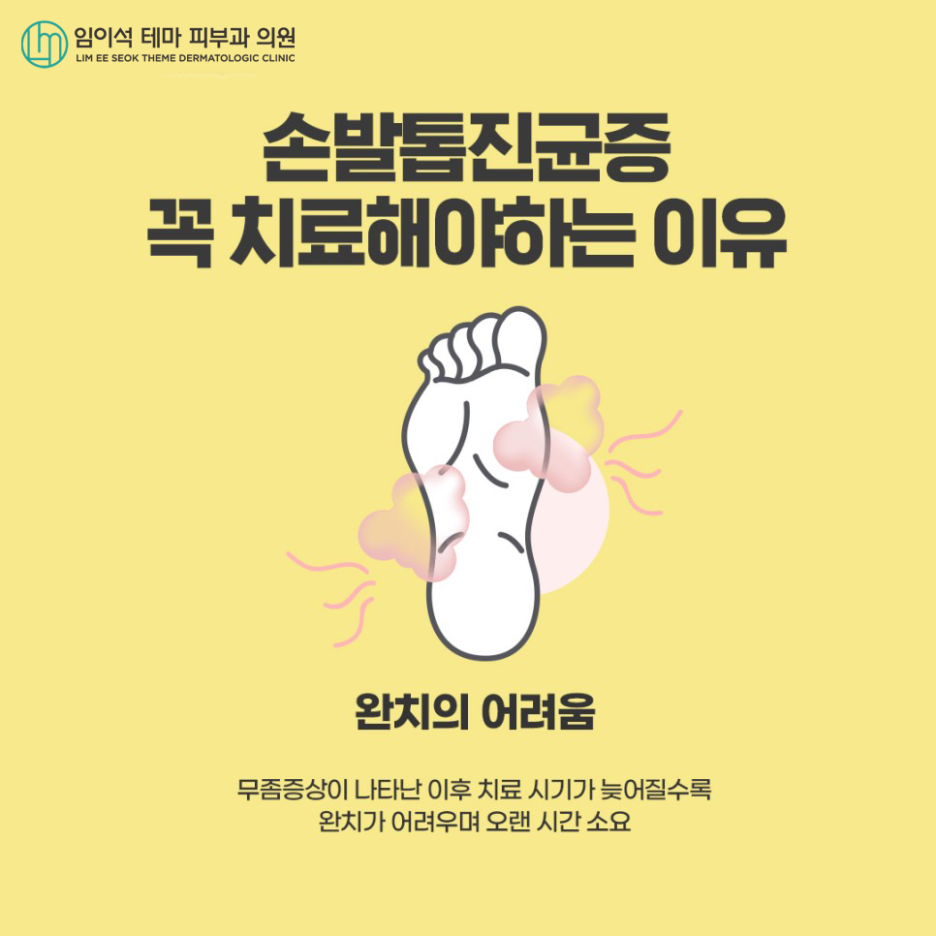
- Difficulty achieving a cure
The later treatment begins after symptoms of athlete’s foot appear, the harder it is to achieve a complete cure. Even if a cure is possible, it can take a long time. For this reason, it is important to detect it early and quickly visit a clinic that treats fingernail and toenail fungus.
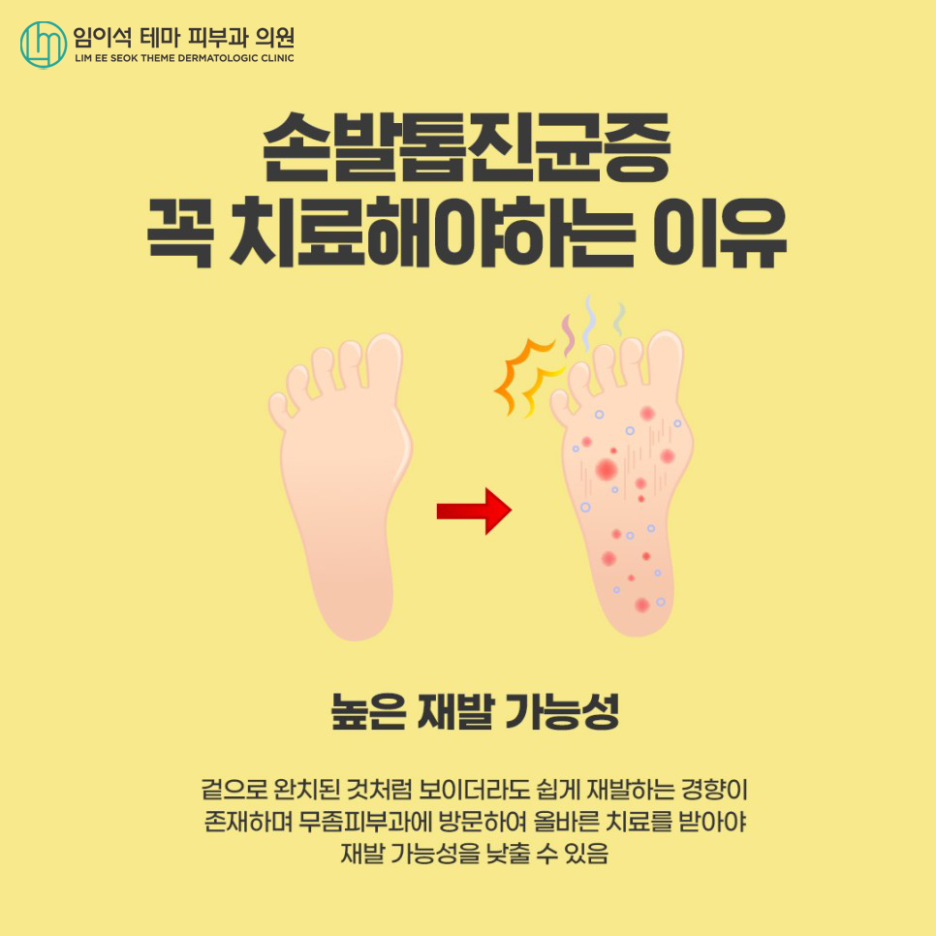
- High likelihood of recurrence
Even when athlete’s foot appears to have been cured on the surface, it tends to recur easily. Visiting a dermatology clinic for athlete’s foot as quickly as possible, receiving proper treatment, and continuing follow-up care after treatment can reduce the chance of recurrence.
Treatment methods (oral medication, topical medication, drawbacks of nail removal, and advantages of Hiller Laser)
After being diagnosed with nail fungus, how can it be treated?
When you visit the hospital, the specific treatment method is determined according to the type and severity of the athlete’s foot, as well as the patient’s characteristics.
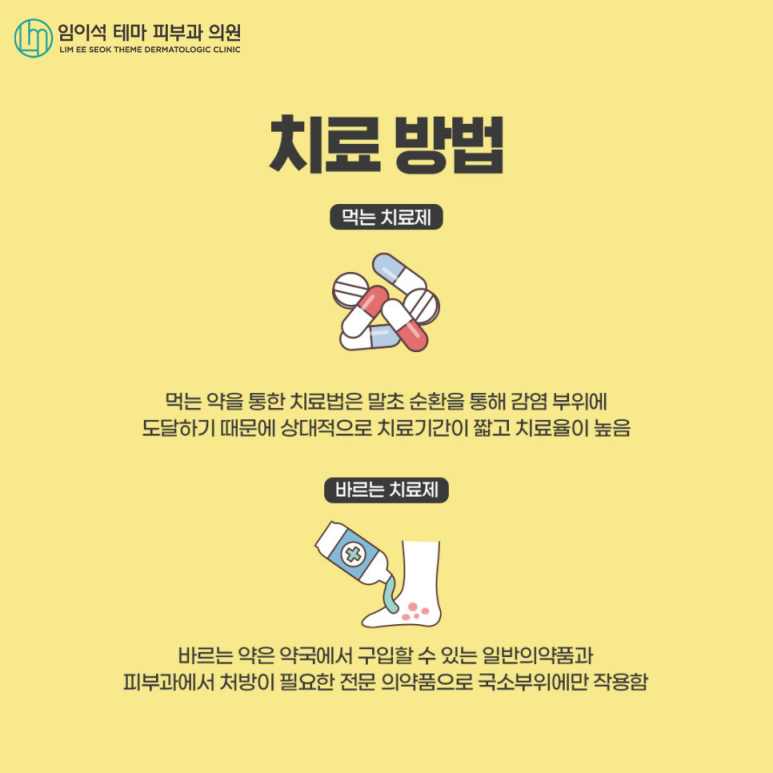
- Oral medication (oral antifungals)
Treatment with oral medication reaches the infected area through peripheral circulation, so the treatment period is relatively short and the cure rate is high. However, caution is needed because adverse reactions may occur when taken together with other medications such as lipid-lowering drugs. In addition, rare side effects such as abnormal liver function, skin rash, and gastrointestinal side effects may occur, so it is very important to take the appropriate amount correctly under the diagnosis of a dermatologist.
- Topical medication (topical antifungals)
Topical medications are divided into over-the-counter drugs that can be purchased at pharmacies and prescription drugs that require a dermatologist’s prescription. This method applies the medication directly to the infected area so that it penetrates the nail plate and reaches the infected site. Because it acts only locally, it causes fewer metabolic issues and drug interactions than oral medication.
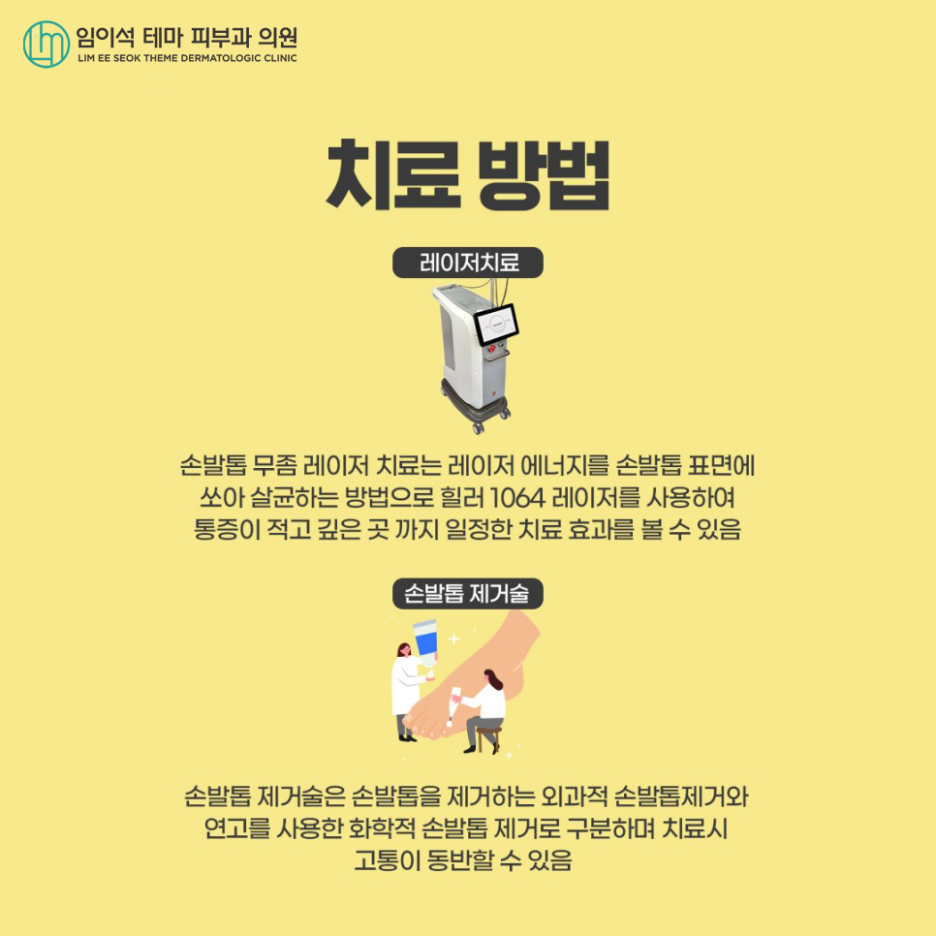
- Nail removal procedure
Nail removal can be divided into surgical nail removal, which removes the damaged nail, and chemical nail removal using ointment. Because this method damages the nail bed during treatment, it may affect the appearance of the new nail as it grows, and the procedure can be painful. In addition, recurrence is common after removal surgery, so sufficient consultation with a doctor is necessary.
- Laser treatment
Laser treatment for fingernail and toenail fungus uses laser energy directed at the nail surface to sterilize it. With a built-in real-time temperature sensor, side effects that may occur during the procedure are minimized, making safe treatment possible. This means that even pregnant women, nursing mothers, and patients who cannot take medication due to liver or stomach conditions can easily receive the procedure. Imi Seok Theme Dermatology Clinic recommends using the Hiller 1064 laser for laser treatment because it causes less pain, is simple, and can produce consistent effects even in deeper areas.
Preventive measures for onychomycosis
-
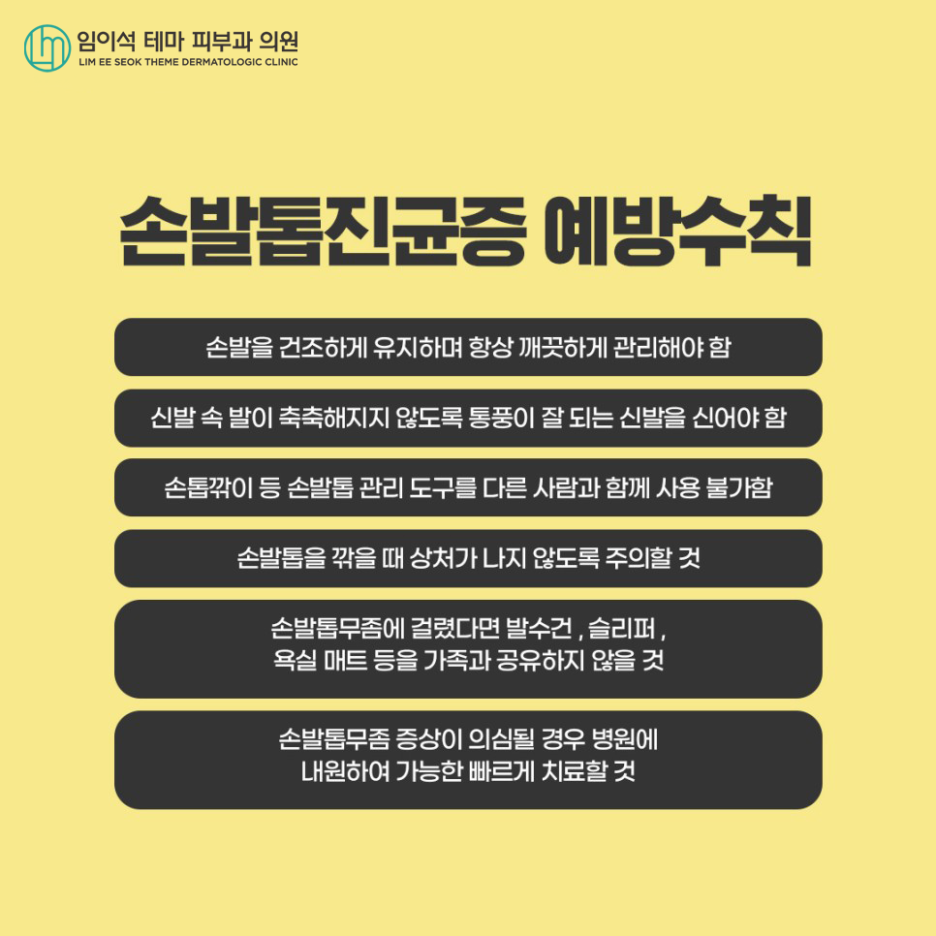
Keep your hands and feet dry and always maintain them in a clean state.
-
Wear breathable shoes or change shoes frequently so your feet do not become damp inside them.
-
Do not share nail care tools such as nail clippers with other people.
-
Be careful not to injure yourself when trimming your nails.
-
In shared spaces, wear your own shoes and socks whenever possible.
-
If you have nail fungus, do not share bath towels, slippers, or bathroom mats with family members.
-
If symptoms of nail fungus are suspected, visit a hospital and begin treatment as quickly as possible.
Nail fungus often starts in the toenails and then spreads to the fingernails. If it is not treated for a long period, it can spread and infect other body parts such as the head and face, as well as family members, so early treatment is important.
At Imi Seok Dermatology, located in Sinsa-dong, Gangnam-gu, treatment is carried out through one-on-one personalized consultations and care programs tailored to the patient’s skin condition. Rather than focusing only on partial symptom relief, the clinic addresses the underlying skin problem and provides customized combination treatment based on a dermatologist’s diagnosis. For effective treatment, premium laser equipment is continuously added and replaced in order to provide even better treatment results.