Provider: Lim Eui-seok Theme Skin Clinic
Hello, this is Lim Eui-seok Theme Dermatology Clinic. As people get older, or due to genetics, small bumpy, grain-of-rice-like protrusions may appear around the eyes, cheeks, or neck. Some people mistake these small bumps on the skin for pimples or acne and try to squeeze them out themselves. In fact, doing so can leave scars, so the best approach is to seek help from a dermatologist. Today, we will explain the differences between syringomas and milia, along with the appropriate treatment methods.
What are syringomas?
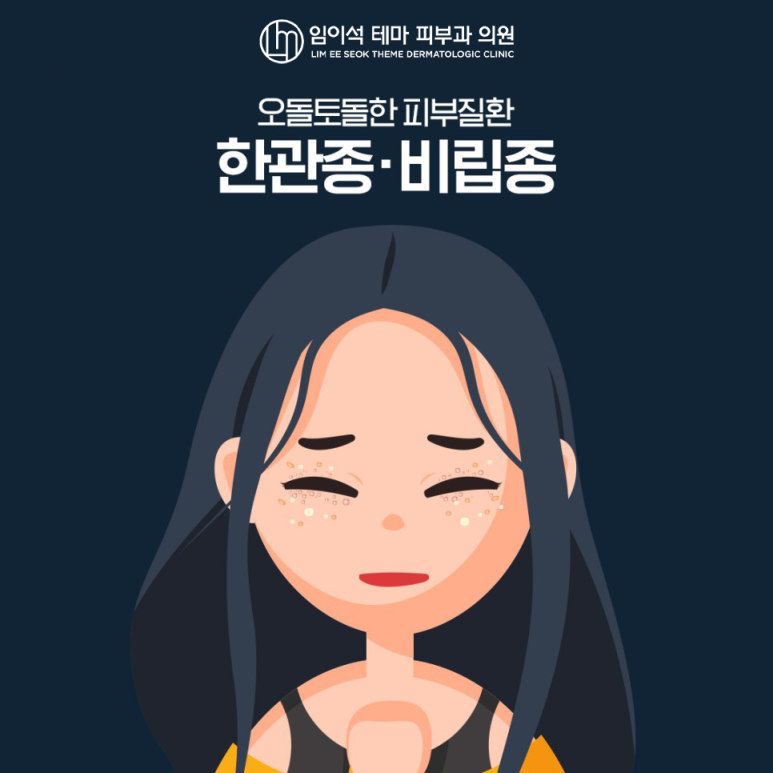
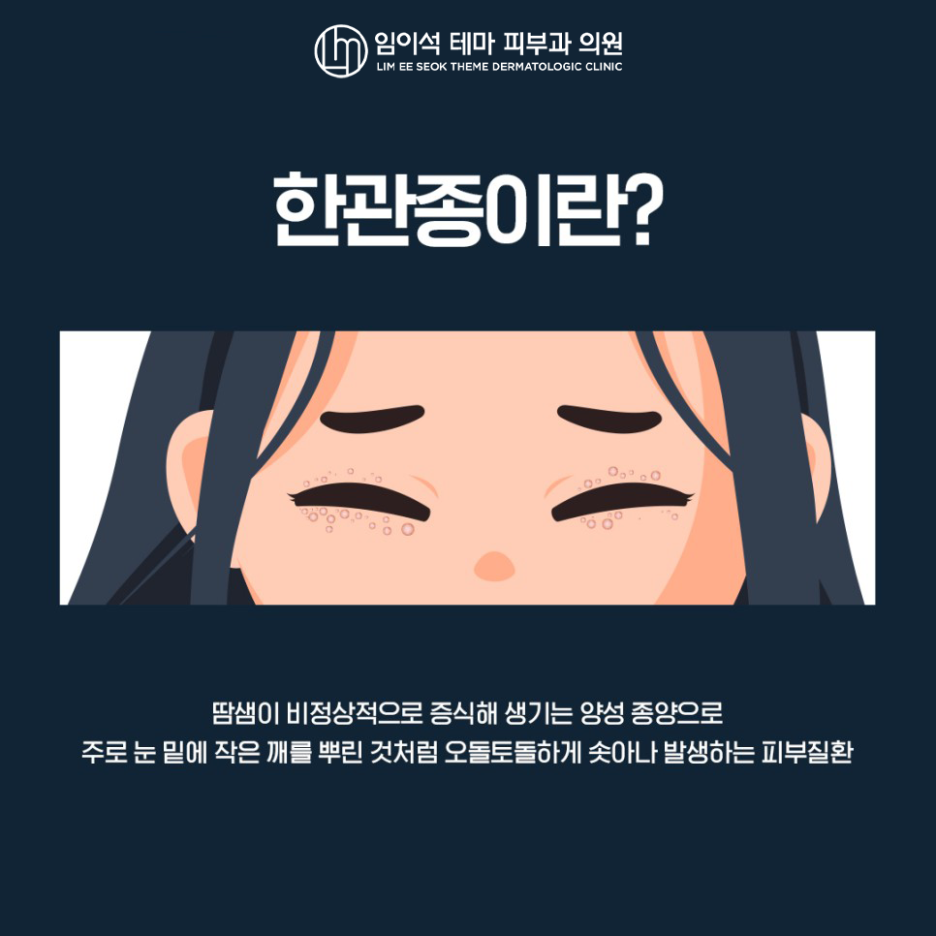
Syringomas are benign sweat gland tumors caused by abnormal proliferation of sweat glands, and are a skin condition that usually appears as small, grain-like bumps under the eyes. They are 2–3 mm in size, yellow or skin-colored, and appear as tiny teardrop-like bumps, which makes them cosmetically unappealing. Because they cannot be concealed with makeup, they can be stressful once they appear.
Syringomas are located deep in the dermis, so treatment is difficult and the recurrence rate is also high. Therefore, it is important to receive treatment from a dermatologist with extensive clinical experience.
Causes of syringomas

Syringomas, which mainly occur in women over the age of 30, are a hereditary condition, so if someone in your family has syringomas, you may develop them genetically. They commonly appear around the eyes, where they are first noticed by others, and may also appear on the chest, abdomen, and other parts of the body. There are no subjective symptoms such as itching or pain.
They do not affect life at all, but many people seek treatment because they make the skin look dirty and are aesthetically unappealing.
Some people try to squeeze them because they look similar to acne, but syringomas do not rupture or go away on their own, and squeezing them with your fingernails can leave scars.
What are milia?
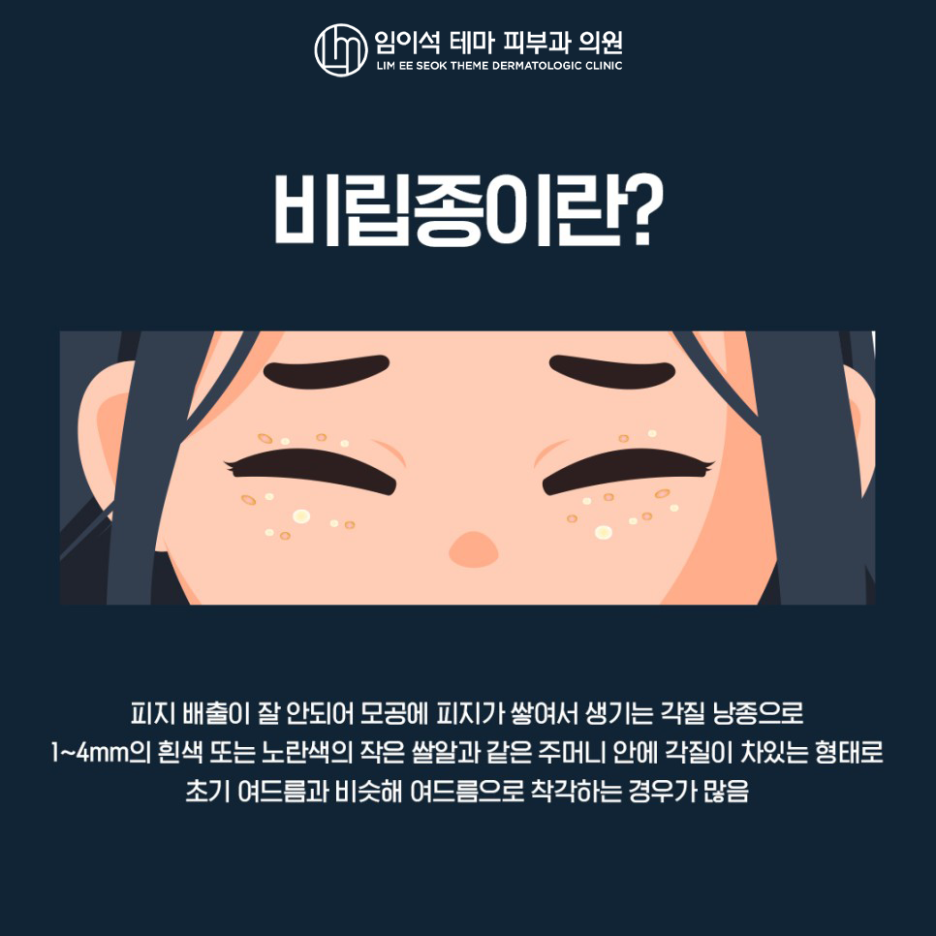
Milia are keratin cysts that form when sebum does not drain properly and accumulates in pores. They are 1–4 mm white or yellow small, rice-grain-like sacs filled with keratin. Because sebum or keratin is trapped in the skin, they resemble early acne, so many people mistake them for pimples.
They mainly occur on the cheeks and eyelids.
Causes of milia
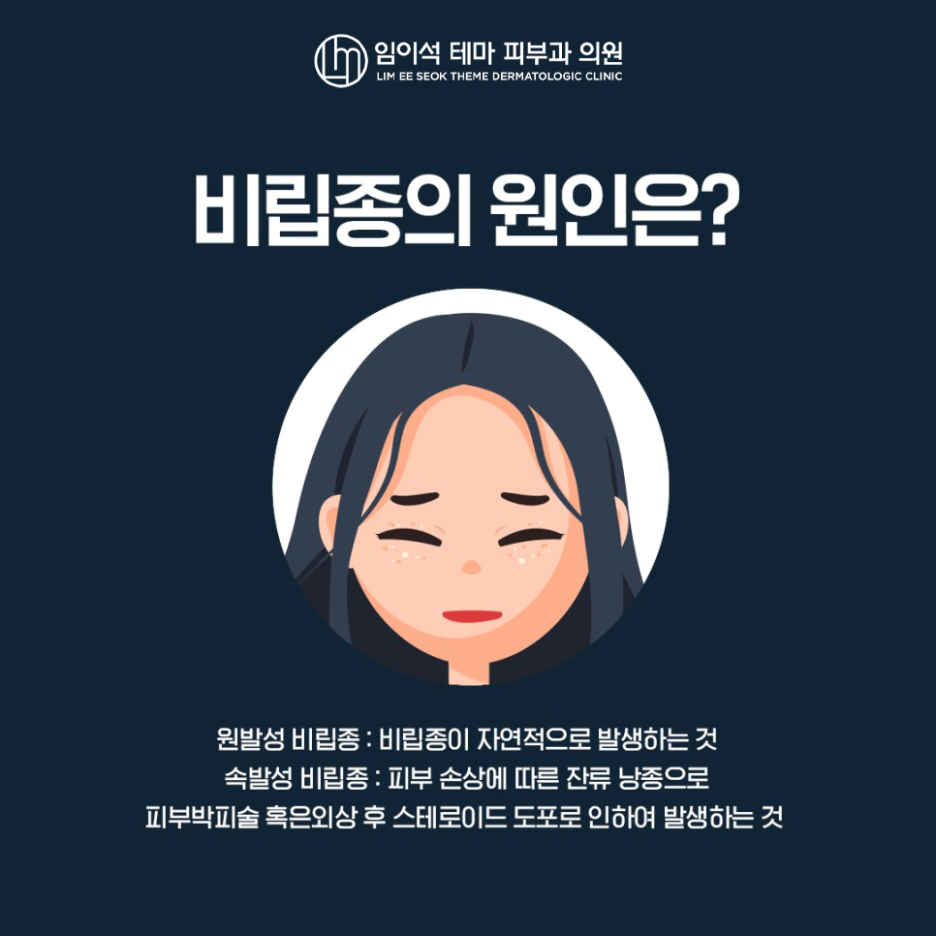
Milia are divided into primary milia and secondary milia depending on the cause. When milia develop naturally, they are called primary milia, and they occur on the cheeks and around the eyelids. Unlike syringomas, milia can occur at any age. Secondary milia, which develop after skin damage or trauma, are residual cysts caused by skin injury and originate from hair follicles or sweat glands. They can occur after blistering conditions, or in areas of skin atrophy due to chronic steroid application after dermabrasion, burns, or other trauma. Since milia rarely disappear on their own, it is recommended to treat them whenever they appear.
Milia indicate that the skin’s sebum or keratin secretion is not functioning properly. Therefore, it is important to consistently manage sebum and keratin.
Treatment laser
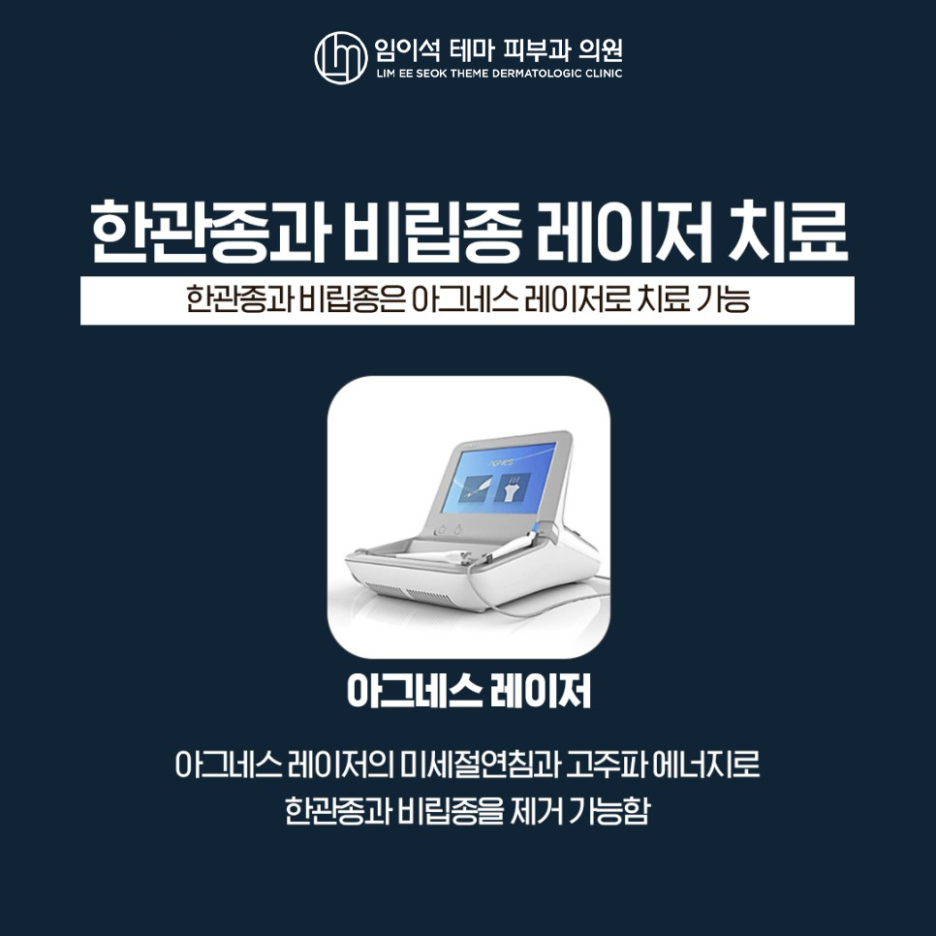
Syringomas and milia can be treated with Agnes laser therapy.
Agnes is a laser commonly used to improve acne by coagulating and destroying sebaceous glands with a micro-insulated needle and radiofrequency energy.
Using Agnes laser’s micro-insulated needle and radiofrequency energy, it is possible to selectively remove sweat glands located in the dermis without irritating the skin surface. Redness may remain for about a week after treatment, but makeup can be applied afterward, so the procedure has the advantage of allowing you to continue daily life without major inconvenience.
Because syringomas are difficult to treat and have a high chance of recurrence, it is most important to completely remove the root located in the dermis. For syringoma treatment, the best approach is to undergo a customized procedure through thorough consultation with experienced medical staff according to your skin condition.
Milia are caused by the accumulation of keratin, so keratin management is important, and Erbium YAG laser is used to treat them without damaging the skin, even in the sensitive eye area. In addition, by checking the skin condition and combining treatment with medical skin care suited to your skin, you can achieve better results.
Based on more than 600,000 cases of clinical experience, Lim Eui-seok Theme Dermatology Clinic provides customized procedures according to skin concerns, and to treat various skin diseases and conditions appropriately, it has added and replaced more than 60 premium laser treatment devices to help systematically treat patients’ skin. Since opening in 1995, it has also been striving to provide systematic treatment for skin problems and premium beauty care over a long period of time.