Provider: Imiseok Theme Dermatology Clinic
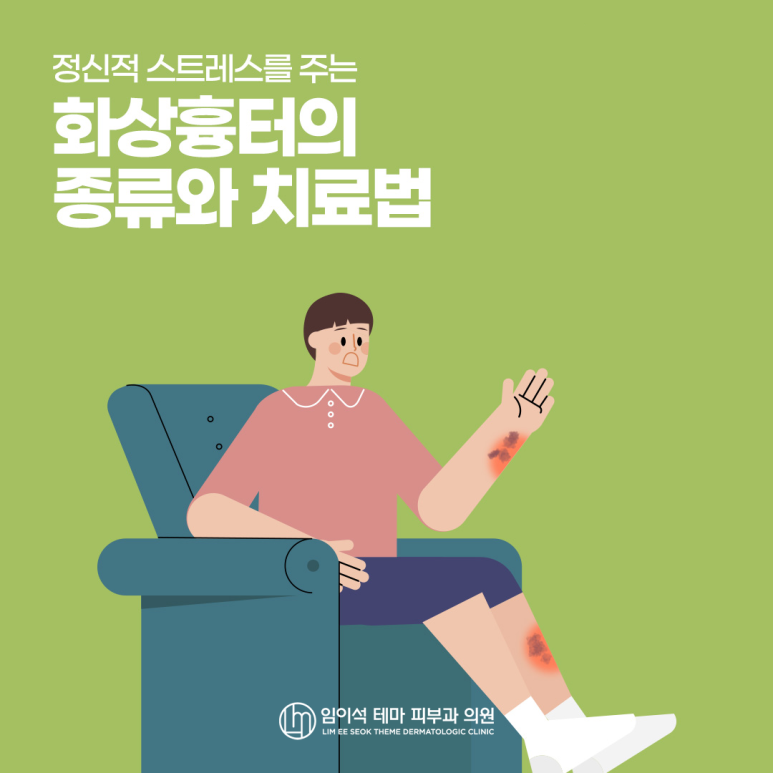
Many people have experienced various scars in life, such as acne scars and bruises. Some scars are small and not very noticeable, but if you have a scar that is highly visible and causes significant emotional distress, such as a burn scar, you may have concerns about your skin. In particular, as the warm season approaches and there are more occasions to expose bare skin, your worries may become even deeper.
If a burn scar is on a highly visible area such as the face, arms, or legs, it can greatly reduce confidence in appearance and may interfere with interpersonal relationships or social life. Therefore, it is important to begin burn scar treatment and facial scar treatment as quickly as possible.
Characteristics of Burn Scars
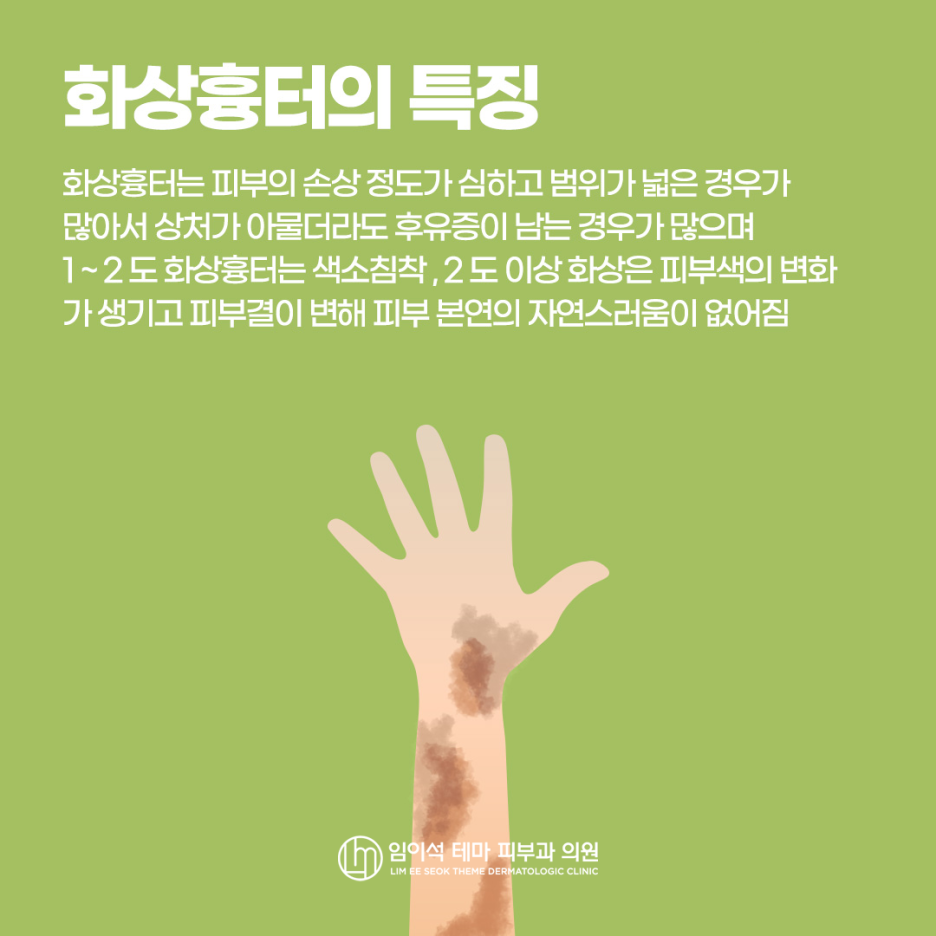
Burn scars are often more severe in terms of skin damage and cover a wider area than other scars. So even after a wound heals, it often does not naturally return to the original skin, and various aftereffects remain.
For relatively common first- and second-degree burn scars, the skin often becomes darker due to pigmentation. However, burns of second degree or higher not only cause changes in skin color but also affect skin texture, leaving the skin raised or depressed and losing its natural appearance. If the scar is large and severe, the tissue may adhere and affect body movement.
Because such burn scars can cause serious physical and psychological damage, they are sometimes left untreated under the assumption that they will heal and naturally return to normal skin. However, if the initial burn treatment period is missed, complete recovery becomes difficult, so it is necessary to manage the scar as quickly as possible.
Types of Burn Scars
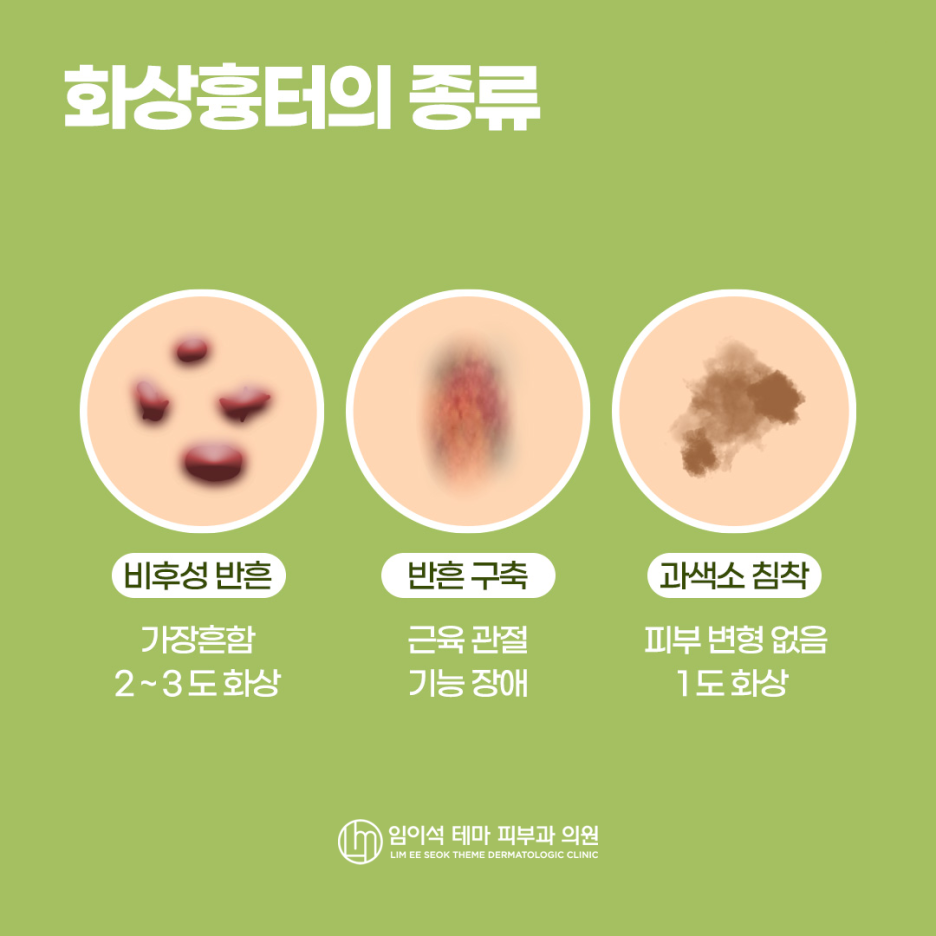
Burn scars can be broadly divided into hypertrophic scars, scar contracture, and hyperpigmentation.
The most common type is the hypertrophic scar. When people think of burn scars, this is the bumpy scar they often picture. It is a thicker-than-normal scar formed as the skin tissue contracts during the healing process. Keloid skin, which can be confused with a hypertrophic scar, has different characteristics because it is caused by the skin’s inherent tendency.
When fibers inside the skin are produced excessively, the scar tightens the skin, and this can lead to functional problems involving muscles or joints; this is called scar contracture. Hypertrophic scars and scar contracture usually occur after second- or third-degree burns, and various methods such as medication, surgery, and laser treatment can be used to treat hypertrophic scars.
If the burn leaves the skin only red without deforming it, it is often a first-degree burn. First-degree burns generally remain as pigmentation without a significant scar.
Treatments by Type of Burn Scar
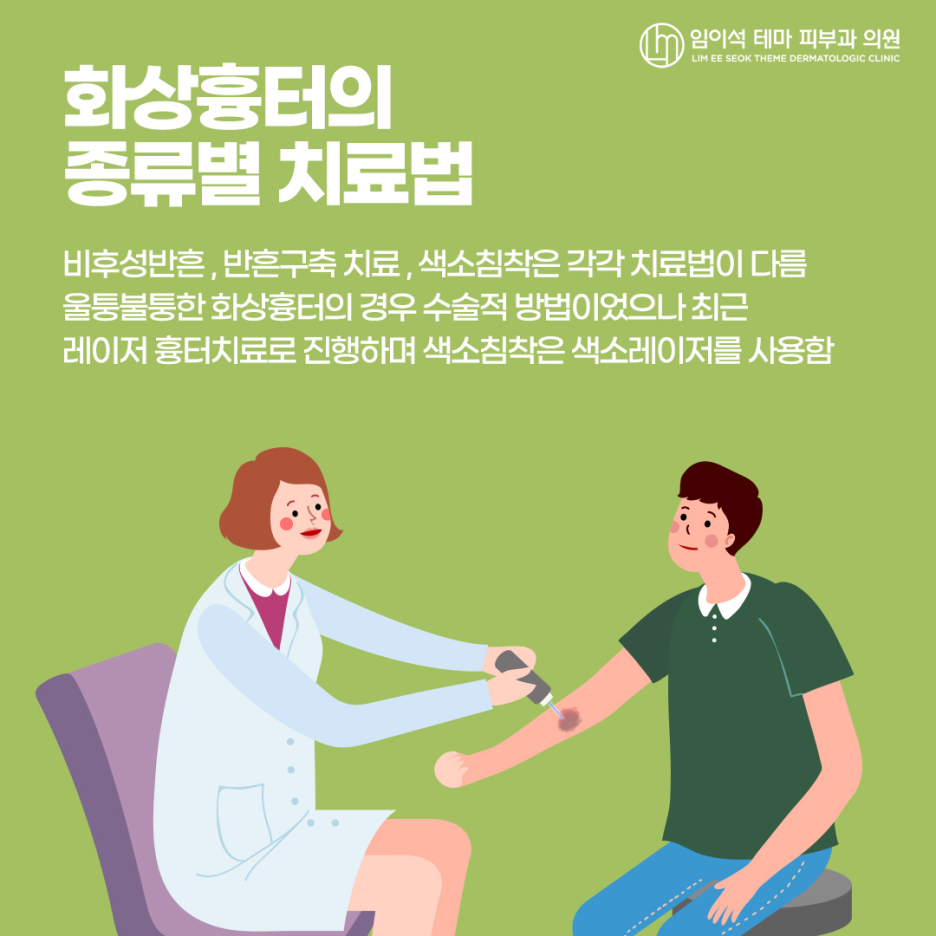
Treatment differs for hypertrophic scars, scar contracture, and reddened pigmentation, each of which has a rough, uneven skin surface.
In the past, surgical methods were commonly used to remove bumpy burn scars. This involved removing the burned skin and suturing it closed, but this method carried a risk of secondary scarring, and skin grafting was also criticized because the color and texture could differ significantly from the original skin, making it look unnatural.
For this reason, many people today choose laser treatment for scars. Laser treatment uses appropriately selected devices according to skin depth to promote regeneration from the surface of the scar to the dermis, so a more natural result can be expected than with surgical treatment.
In the case of pigmentation, if it disappears quickly within a month, it is not a problem. However, if it persists, it can be improved with a pigment laser.
Laser Treatment for Burn Scars
To treat burn scars with lasers, the cause, location, and depth of the scar are first precisely diagnosed, and the most suitable scar laser device is selected. After that, a dermatologist directly applies the laser to the scar for treatment. This encourages the regeneration of collagen in the skin and helps manage the scar consistently so that the skin can return to a natural appearance.
The lasers used for burn scar treatment are as follows.
CO2 Fractional Laser
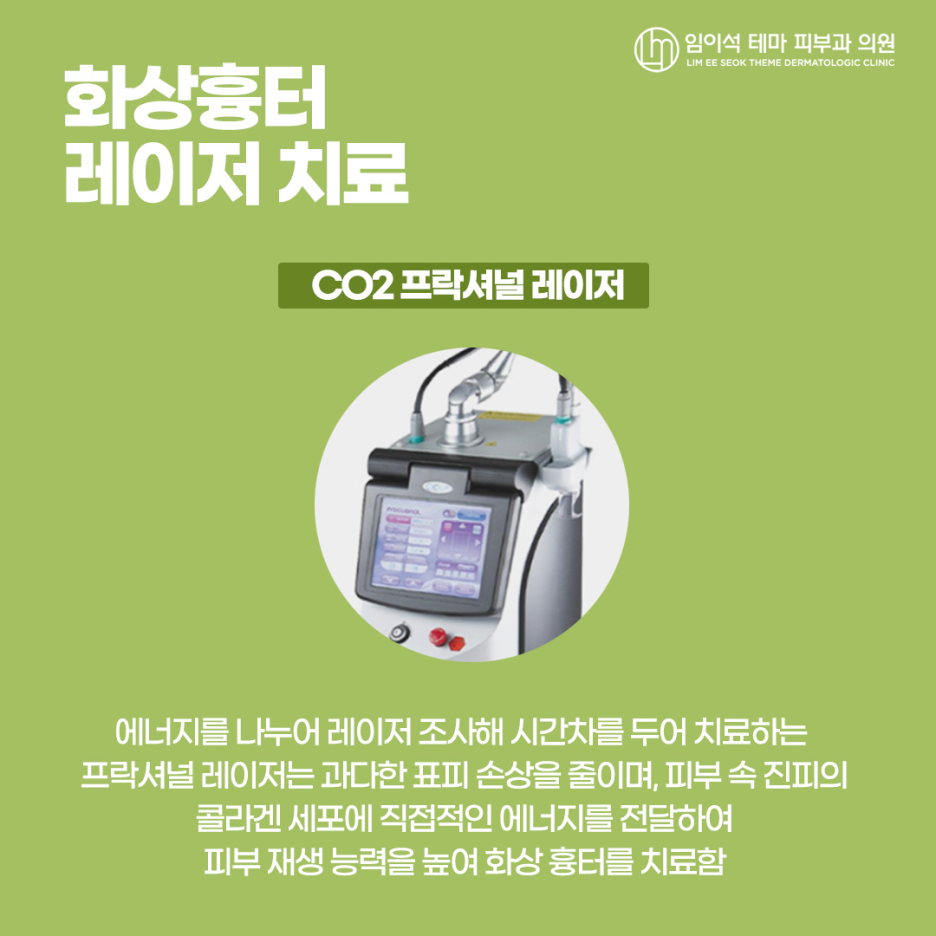
The fractional laser, or Fraxel laser, treats by firing thousands of laser beams per unit area. The CO2 Fraxel laser does not deliver a large amount of energy all at once; instead, it divides the energy per point and applies the laser with time intervals. This reduces excessive damage to the epidermis while delivering energy directly to collagen cells in the dermis, increasing the skin’s regenerative ability. It is also widely used because the treatment time is short compared with other procedures and no cumbersome aftercare is required.
Icon X Laser
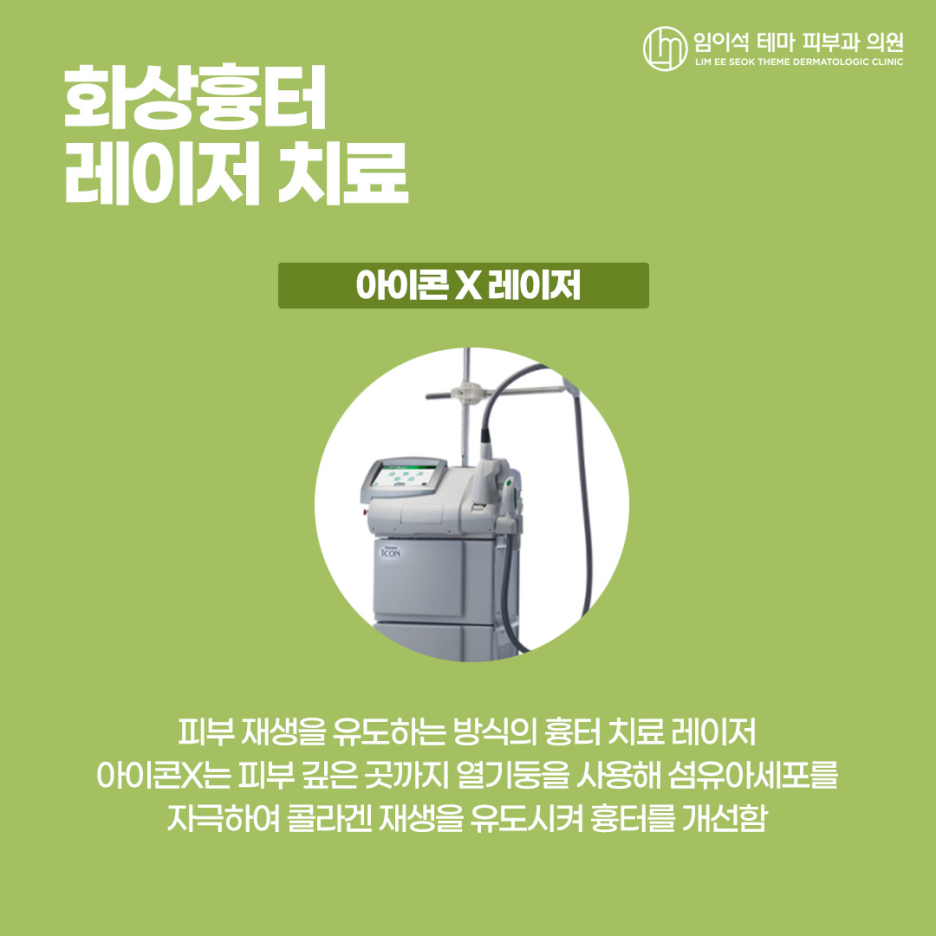
Icon X is also a scar treatment laser that induces skin regeneration like the CO2 fractional laser, but it uses a different method to promote regeneration. When Icon X delivers energy deep into the skin, it uses thermal columns. When these thermal columns stimulate fibroblasts, collagen regeneration is induced, which can improve scars and also help skin elasticity.
Lumenis Pico4 Laser
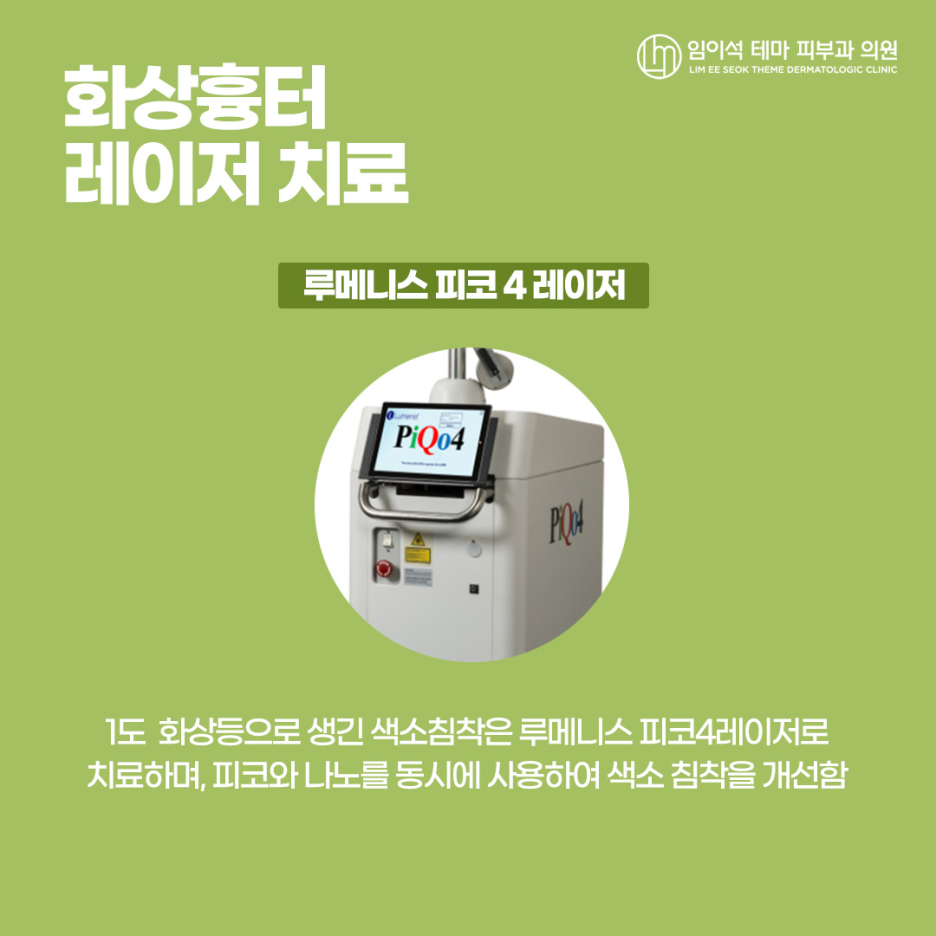
If you want to remove pigmentation caused by a first-degree burn, the Lumenis Pico4 laser may be effective. The Lumenis Pico4 laser is used to remove pigmentation and scars, and it delivers energy using both pico and nano settings at the same time. Because it can produce satisfactory results with fewer treatment sessions, it is used in burn scar treatment by many people.
Scar treatment is best started as quickly as possible, but it is important to treat after the wound has completely healed. Therefore, if you need an accurate diagnosis of your scar, you should consult a dermatologist. Since positive treatment effects can be expected when appropriate treatment is performed based on the medical team’s diagnosis, those concerned about burn scars should visit a dermatology clinic, receive consultation and diagnosis, and then undergo the appropriate treatment.
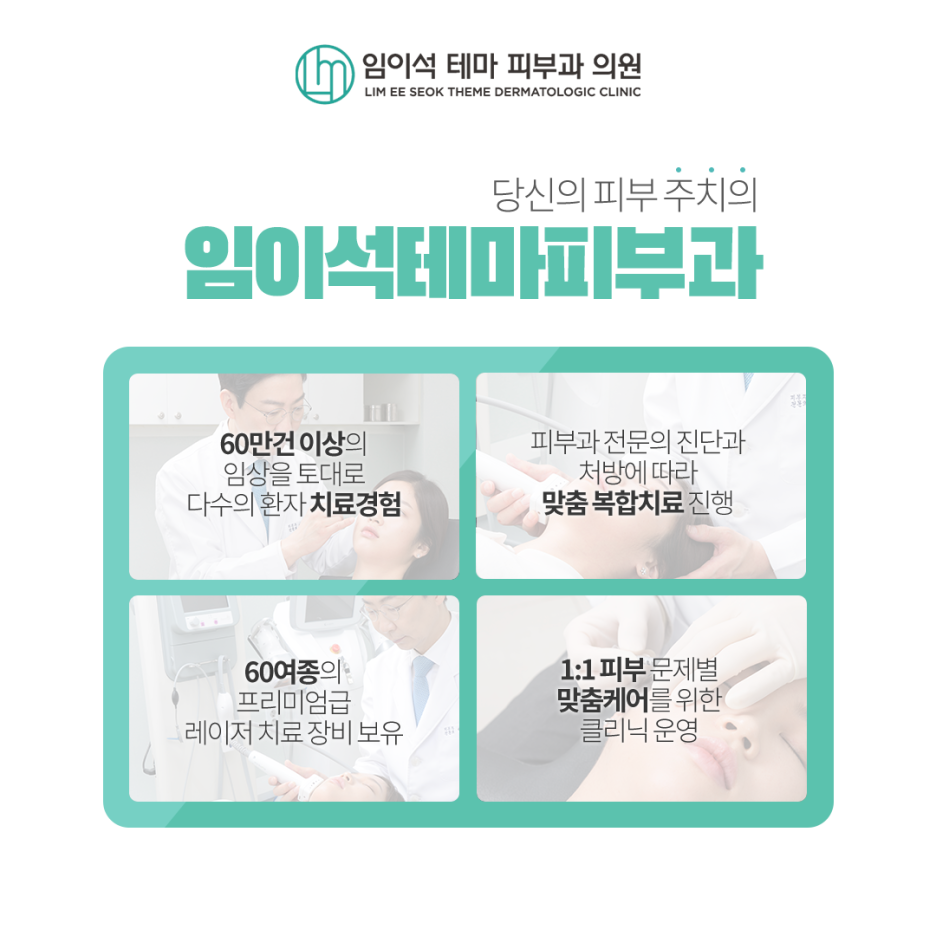
At Imiseok Theme Dermatology Clinic, patients are treated based on more than 600,000 cases of clinical experience, and the clinic continually adds or replaces premium laser equipment to minimize side effects and improve effectiveness. In addition, 1:1 customized combination treatment is provided according to the diagnosis and prescription of the dermatology medical team. If you have any questions about our treatment methods or scar treatment, please contact us.