Provider: Im Eiseok Theme Dermatology Clinic
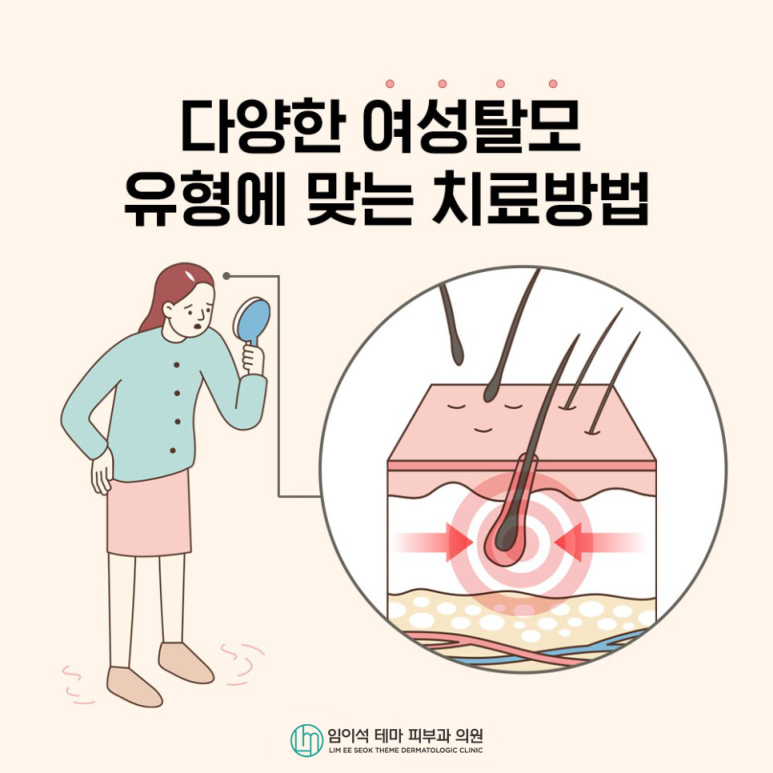
Many people think that hair loss only happens to men and does not occur in women. However, hair loss can affect women as well as men. Female hair loss now includes a variety of types, such as female crown hair loss, postpartum hair loss, female frontal hair loss, and alopecia areata. In particular, the number of female hair loss patients has increased and is now similar to that of male hair loss patients, and among women, hair loss in younger age groups in their 20s and 30s is also not uncommon. Female hair loss in women in their 20s is also becoming a concern.
Female hair loss patients are not only psychologically discouraged by the condition itself, but there are also cases where they suffer from accompanying mental disorders such as depression and insomnia. In addition, even when they suspect hair loss, many people avoid visiting a hair loss clinic for consultation. Regardless of age or gender, if hair loss has already progressed, it is better to visit a hair loss clinic and receive treatment before it becomes more serious.
What causes female hair loss?
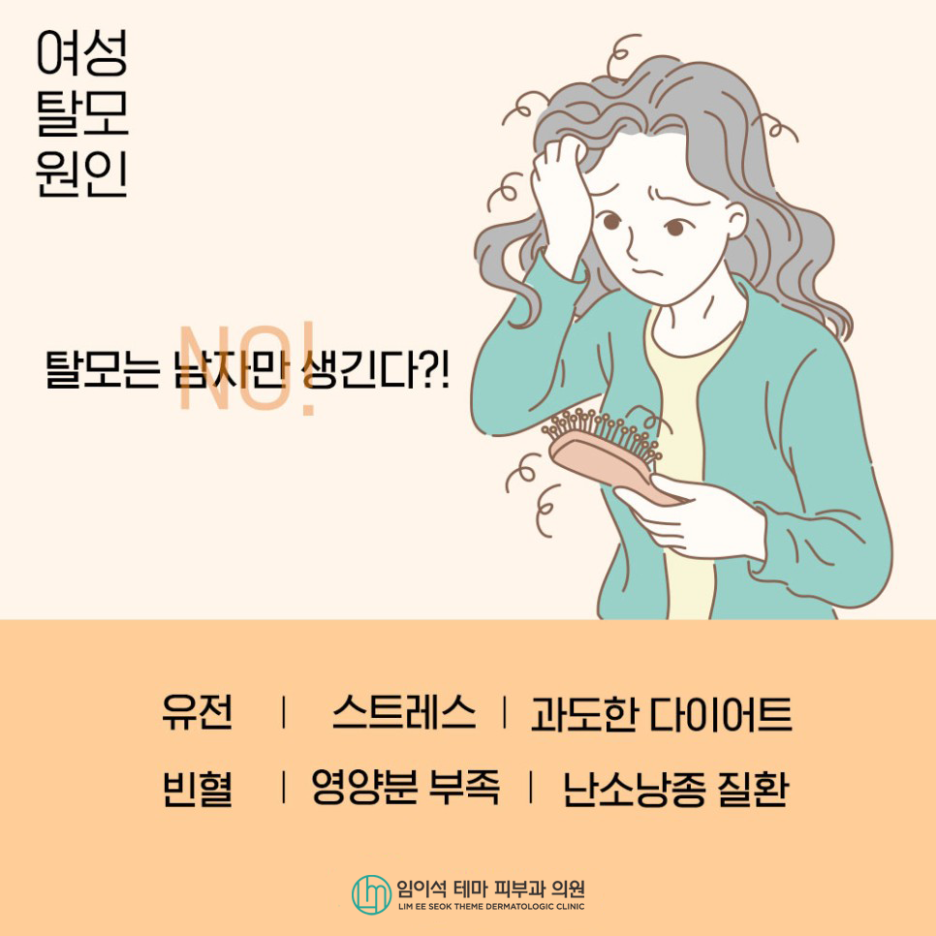
You may think that all hair loss is caused by genetics and stress, but female hair loss can be caused not only by stress and genetics, but also by nutritional deficiencies due to excessive dieting, anemia, or ovarian cyst disorders. There are also cases of postpartum hair loss, in which hair that temporarily fell out due to improper postpartum care grows back later.
For effective management of female hair loss caused by stress, genetics, excessive dieting, and similar factors, it is important to first identify how the hair loss is appearing and then receive a treatment plan tailored to that pattern. Most female hair loss patients begin with early signs of female crown hair loss, which starts around the crown, and some also show frontal hair loss, where the hairline becomes thinner and rounded, revealing the scalp. However, a characteristic of female hair loss is that it does not usually progress to complete baldness. In most cases, female hair loss appears as partial alopecia.
Types of Female Hair Loss
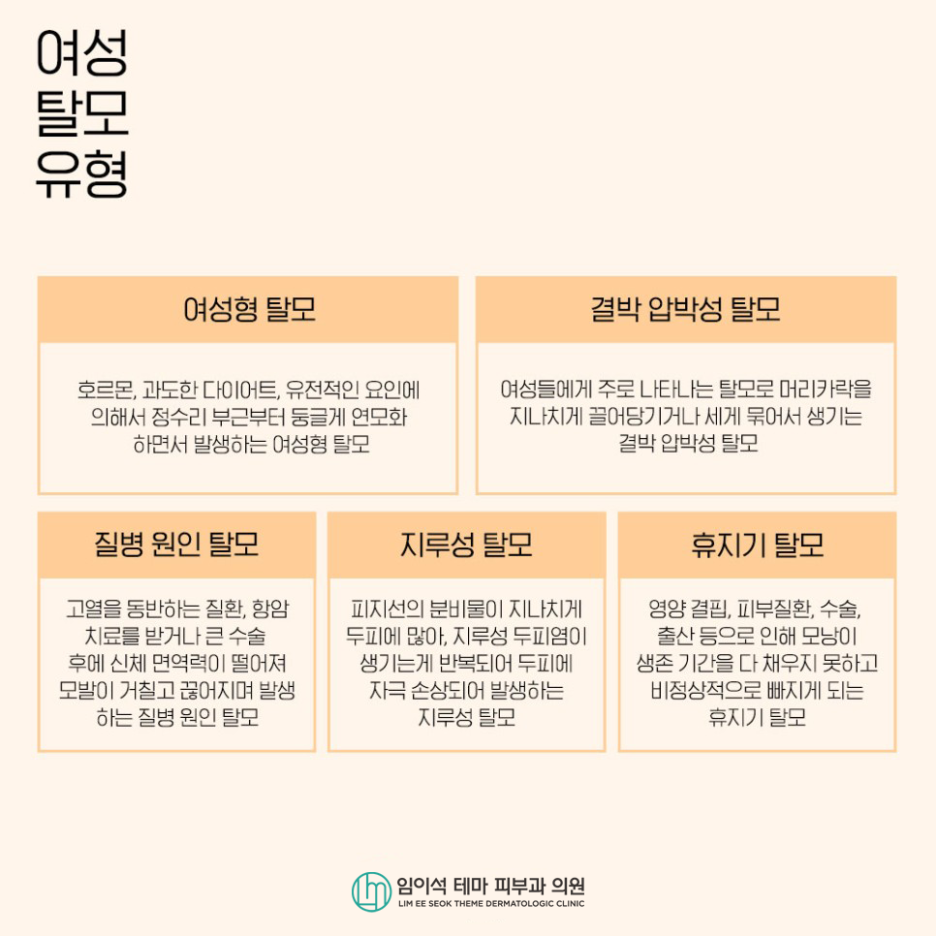
Female pattern hair loss: Hair loss that occurs from the crown area, with the hair becoming thinner in a rounded pattern due to hormones, excessive dieting, and genetic factors. In particular, excessive dieting can lead to imbalanced nutrient intake and thinning hair, and hormonal changes and genetic factors can also cause female-pattern alopecia, so caution is needed.
Traction alopecia: A hair loss condition that mainly appears in women and is caused by pulling the hair too hard or tying it too tightly. In particular, when women undergo straight perming to make the hair straight, a lot of hair can fall out because the process of straightening the hair irritates the scalp. Up hairstyles and similar styles pull the hair strongly, so keeping the hair tied up for long periods makes it more likely to fall out.
Hair loss caused by illness: After a major surgery or during illnesses accompanied by a high fever, the body’s immunity may decrease, which can lead to hair becoming rough, breaking, and showing hair loss symptoms. Such problems may worsen or improve depending on recovery from the illness. In particular, anticancer drugs given to cancer patients during chemotherapy are composed of strong toxic substances, and chemotherapy-induced hair loss is one of the most common side effects.
Seborrheic hair loss: This refers to hair loss caused by excessive sebum secretion on the scalp. In fact, in the case of seborrheic hair loss, repeated scalp irritation and scalp damage due to seborrheic dermatitis interfere with the follicles’ proper functioning, leading to hair loss as a complication. If symptoms of seborrheic dermatitis appear, prompt hospital treatment is needed before it leads to seborrheic hair loss.
Telogen effluvium: Normal hair goes through the growth, regression, and resting phases. Telogen effluvium refers to a situation in which follicles, due to some kind of stress, fail to complete their full lifespan and fall out abnormally. Factors that can cause this problem include nutritional deficiency, skin disease, surgery, and childbirth. Telogen effluvium often recovers after a few months once the ongoing stimulus is removed, but if hair still does not grow after 6 months, it is advisable to visit a medical institution.
Hair Loss Treatment Program
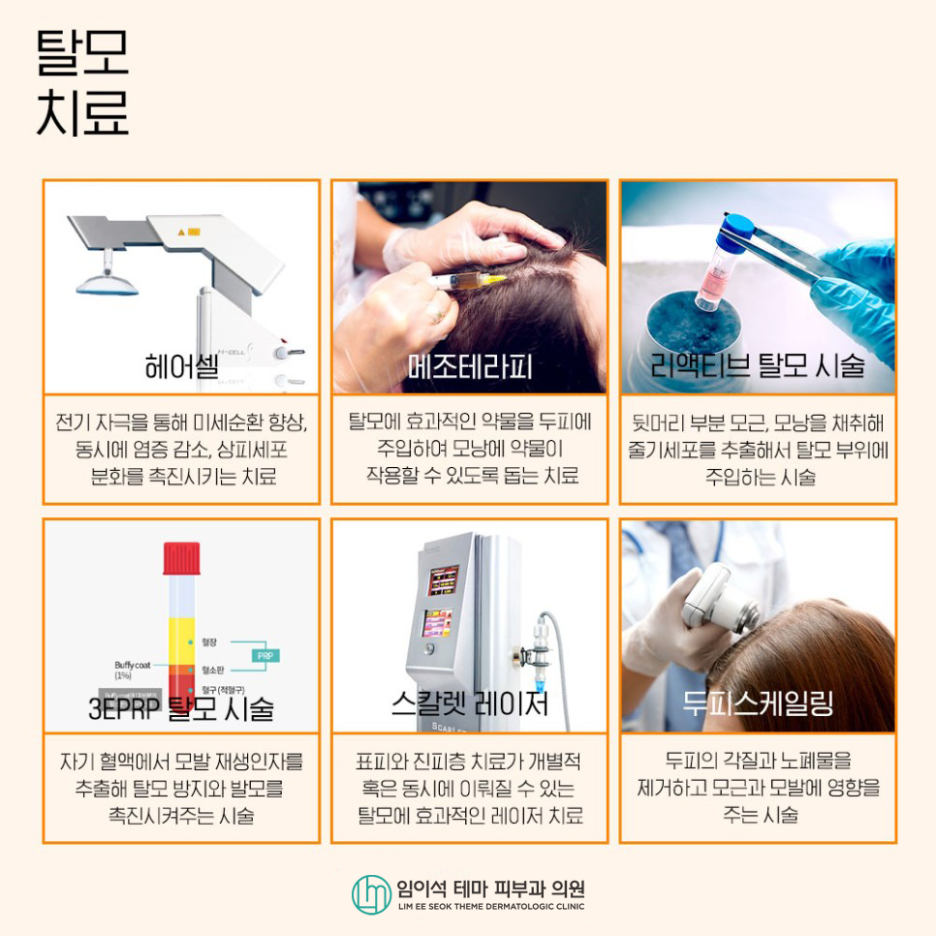
Just as each person has a different constitution, personality, and appearance, the condition of the scalp also differs from person to person. That is why the Hair Loss Center at Im Eiseok Theme Dermatology Clinic provides customized treatment through 1:1 tailored solutions and offers total care for hair, from scalp disorders to hair transplantation.
Hematopoietic stem cell therapy: A world-patented hair loss treatment method in which the patient’s own blood is drawn and injected into the area where hair loss has occurred. It works by inducing cell proliferation and stimulating collagen synthesis to promote hair regeneration.
Hair Cell: This treatment works by improving microcirculation through electrical stimulation while also reducing inflammation and promoting epithelial cell differentiation. Epithelial cells are highly sensitive and respond to specific external residues and wavelengths. Through Hair Cell, DNA activity and protein synthesis are promoted, extending the growth cycle within inactive telogen follicles.
Mesotherapy: A treatment that injects hair-loss-effective medication into the scalp to help the medication act on the follicles. Because the medication is absorbed only into the scalp, side effects are minimal, and better results can be expected when combined with drug therapy.
Reactive hair loss procedure: A non-surgical method in which roots and follicles are collected from the back of the head with a small punch, ground with a special grinder to extract stem cells, and then injected into the area of concern. Even a single procedure can make the hair look fuller.
3EPRP hair loss procedure: A procedure that extracts hair regeneration factors from the patient’s own blood to help prevent hair loss and promote hair growth.
Scarlett laser procedure: Scarlett laser can treat the epidermis and dermis in 0.1 mm increments, and it is an effective laser treatment for hair loss in which treatment of the epidermis and dermis can be performed separately or simultaneously in one session.
Scalp scaling: A procedure that removes dead skin cells and waste from the scalp and affects the hair roots and hair. Dead skin cells and dandruff formed when scalp waste oxidizes and hardens are not limited to people with specific scalp problems; they exist in everyone. Scalp scaling cannot be fully achieved with shampooing alone, so it is essential care for those who experience itching due to dead skin, dandruff, or inflammation.
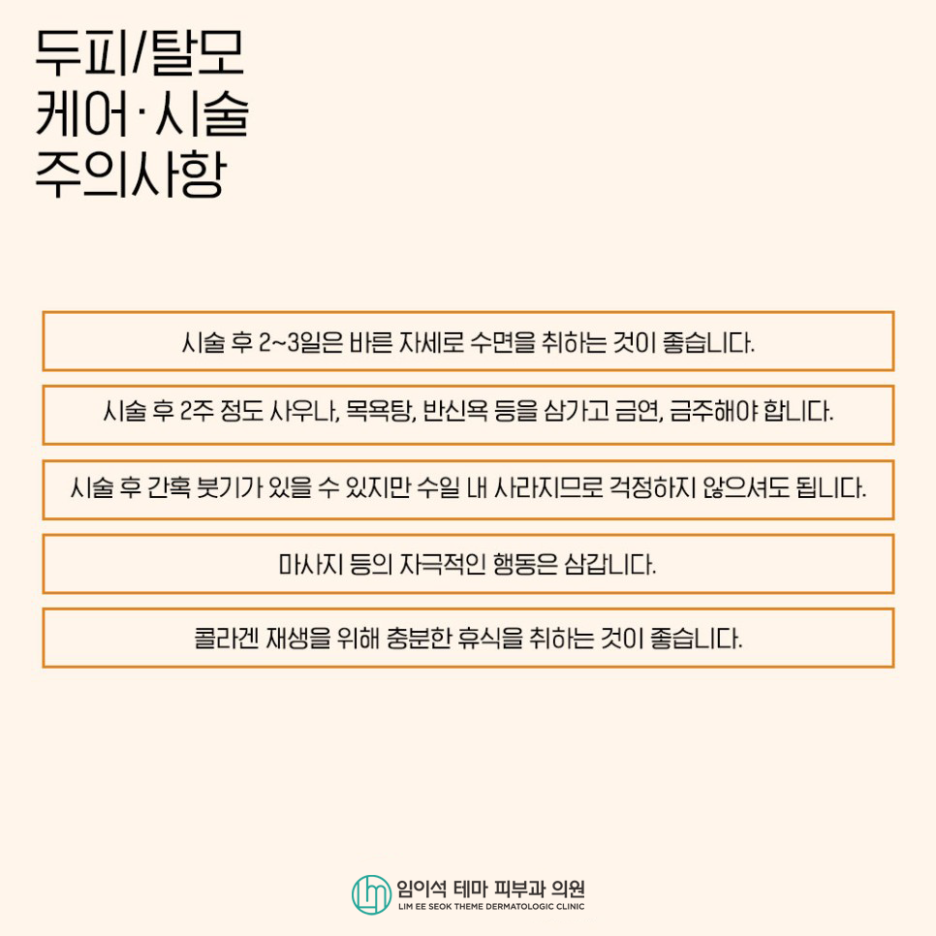
Precautions After Scalp/Hair Loss Care Procedures
-
For 2 to 3 days after the procedure, it is recommended to sleep in a proper posture.
-
For about 2 weeks after the procedure, avoid saunas, bathhouses, and half-body baths, and refrain from smoking and drinking.
-
Swelling may occasionally occur after the procedure, but it will disappear within a few days, so there is no need to worry.
-
Avoid stimulating actions such as massage.
-
It is recommended to get enough rest for collagen regeneration.
Female hair loss can occur due to various causes such as stress and seasonal changes in modern life. Since crown hair loss, postpartum hair loss, and alopecia areata appear in different forms, treatment should be based on the cause and type of hair loss. There are various treatment methods, including non-incision and incision hair loss surgery, as well as scalp scaling, Scarlett laser, and scalp regeneration laser for scalp care. Healthy hair comes from a healthy scalp. Many people start considering hair transplantation as soon as their hair begins to fall out, but it is not too late to first receive scalp care to keep existing hair stronger, observe the progress, and then decide on hair transplantation.
It is said that a normal person naturally loses about 50 to 100 hairs per day. If more hair than this falls out, it is advisable to suspect hair loss and visit a clinic. Since the patient’s condition and hair loss type vary greatly, it is important to receive a diagnosis from medical staff with extensive clinical experience.
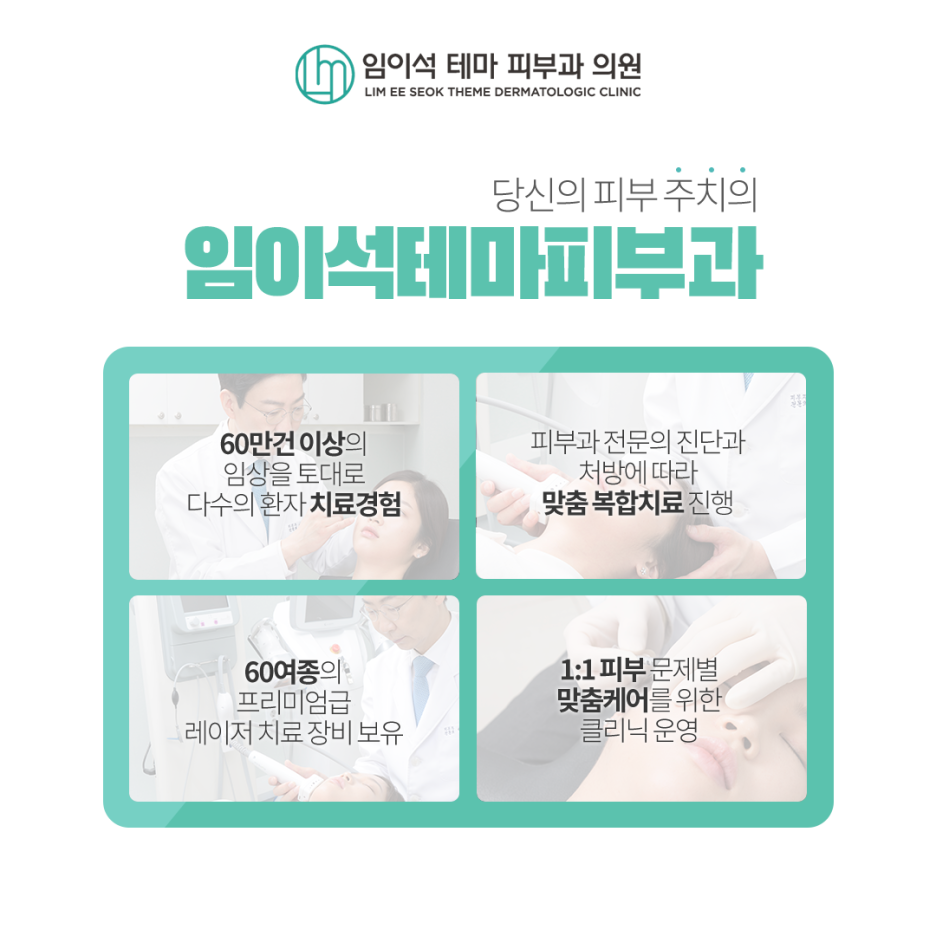
Im Eiseok Theme Dermatology Clinic, located near Sinsa Station in Gangnam-gu, has opened themed clinics for hair loss as well as skin diseases and possesses a variety of treatment equipment. In addition, based on extensive clinical treatment experience and the expertise of its hair loss treatment medical staff, the clinic provides high-quality medical services to patients and increases satisfaction.
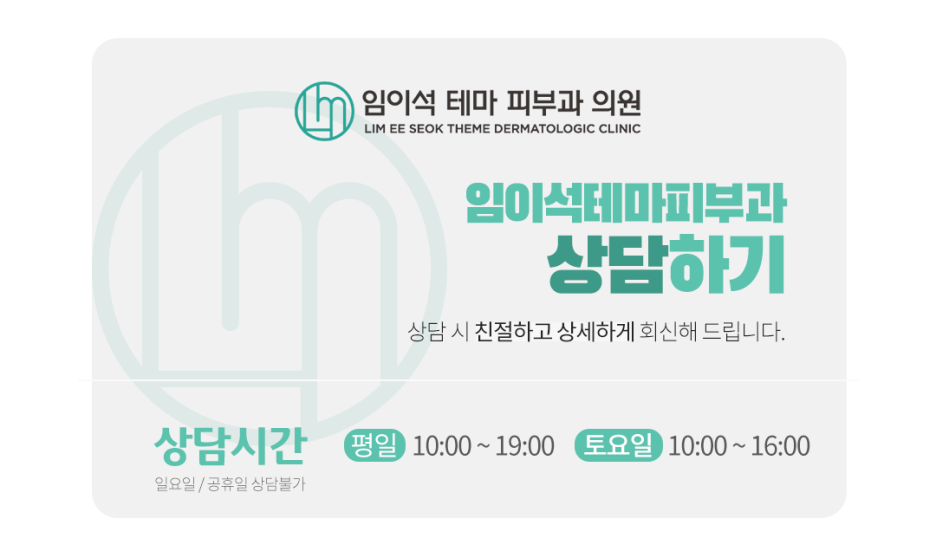
There are various treatment methods available, and if you visit or contact our clinic for detailed consultation on hair loss surgery, hair loss procedures, hair loss clinics, hair loss treatment costs, and hair loss treatment methods tailored to you, we will kindly and in detail explain the hair loss treatment methods, so please contact Im Eiseok Theme Dermatology Clinic.
Also, many people inquire about hair transplantation costs and hair loss treatment costs, but the treatment method and cost vary depending on the condition of the patient’s scalp. If you contact our clinic by phone, online consultation, or KakaoTalk, we will respond kindly and in detail.