Provider: Imiisuk Thema Dermatology Clinic
Our scalp can see an increase in sebum production due to a variety of causes,
such as the season, food intake, and lifestyle,
and seborrheic scalp dermatitis can develop
as a result of increased sebum secretion.
Our skin reacts sensitively to a variety of causes,
and it is good to remember that the scalp is also skin.
The metabolism of our body changes depending on environmental factors such as humidity, temperature, and ultraviolet rays,
and as a result,
a variety of symptoms can appear.
In particular, the skin is the part of the body that reacts most sensitively.
Even a small change in the scalp can increase sebum production,
and if seborrheic scalp dermatitis develops as a result,
it can, in severe cases, lead to hair loss,
so it is a good idea to always check scalp health in daily life and,
if there is a problem,
take good care of it early.
What is seborrheic dermatitis?
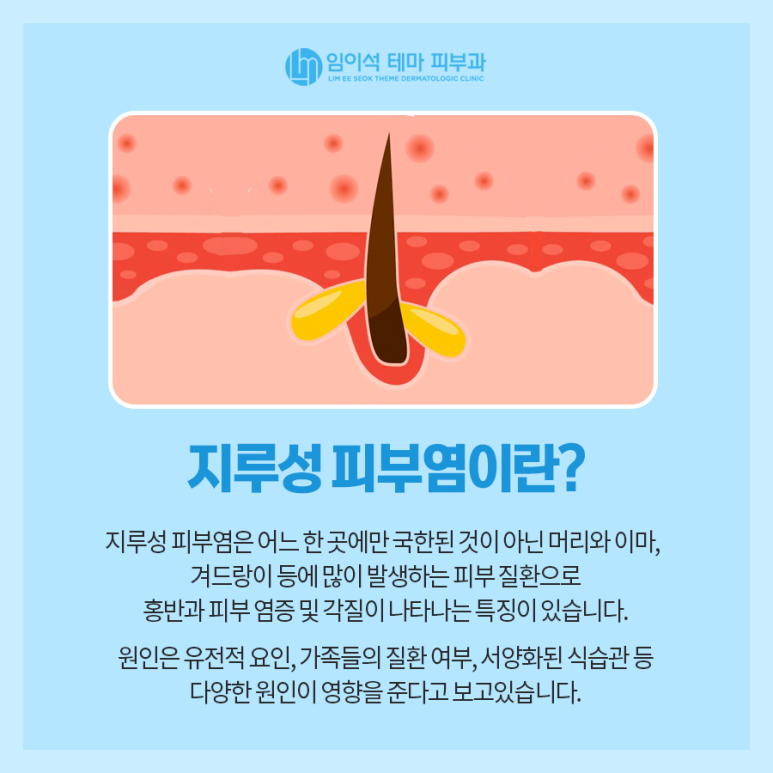
Seborrheic dermatitis is not limited to one specific area,
but is a skin condition that often occurs on the head, forehead, and armpits,
and it is characterized by erythema, skin inflammation, and scaling.
The exact cause of seborrheic dermatitis has not been identified,
but genetic factors, whether family members have the condition,
and a Westernized, greasy diet are believed to have an effect.
A representative condition of seborrheic dermatitis is seborrheic scalp dermatitis,
and in rare cases, facial seborrheic dermatitis may also occur.
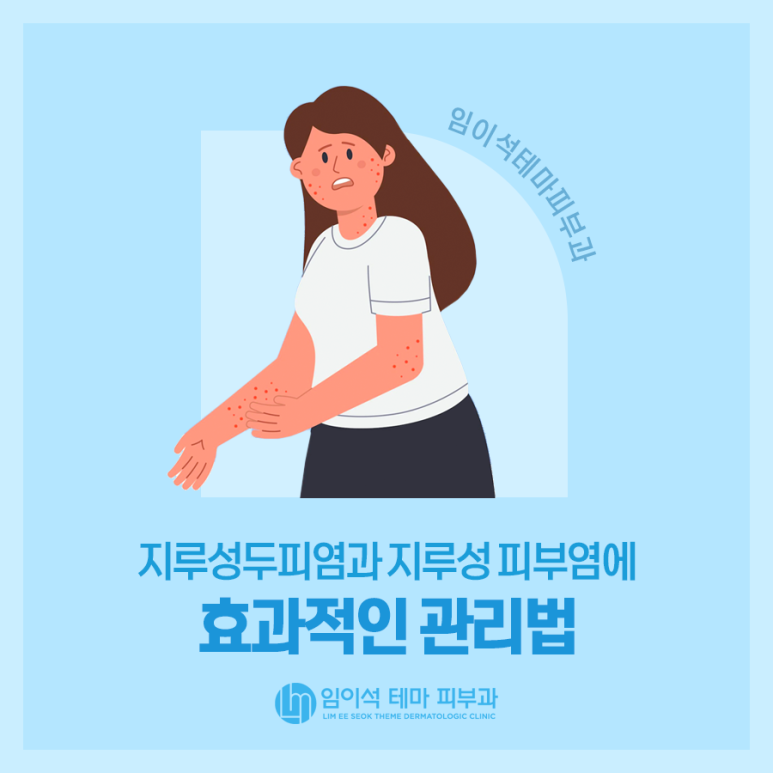
When the condition appears, symptoms such as itching, red patches, and crusting occur,
and it can affect various parts of the body such as the scalp, eyebrows, eyelids,
ear area, chest, armpits, and around the navel,
so caution is needed.
If the symptoms of seborrheic dermatitis worsen,
oozing occurs and thick crusts form over the affected area,
which can lead to secondary problems such as bacterial infection.
There may also be a bad odor,
which affects the patient's daily life and can lower quality of life,
not only because of physical discomfort but also because of interpersonal and emotional issues.
Questions from patients with seborrheic dermatitis!

I will tell you about the three questions patients with seborrheic dermatitis ask most often.
Q. In areas where skin folds overlap, inflammation develops and it feels moist and uncomfortable. Can I use moisturizer or powder?
A. This is a common question when seborrheic dermatitis develops in overlapping skin areas such as the perineum and armpits. First of all, after showering and washing, it is most important to keep the area clean and dry it thoroughly.
It is a good idea to use powder only after the skin has been completely dried with a hair dryer or auxiliary device.
As for moisturizers, unless they have been prescribed through consultation, it is better to avoid them.
Q. In the summer, sweat causes a bad odor from areas affected by seborrheic dermatitis. Can I use deodorant?
A. If you have dermatitis, it is better to use it after treating the inflammation first. In particular, for those with severe symptoms, deodorants can make the condition worse, so it is best to avoid them if possible. If the odor is bothering you, it is better to keep the inflamed area clean as mentioned earlier.
Q. Are there any foods I should specifically avoid?
A. It is better to avoid salty and spicy foods,
and alcohol, smoking, and coffee can also have negative effects, so they should be avoided.
Westernized greasy foods can also increase oiliness, so they should be avoided as well.
Whenever possible, it is better to eat plain, low-sodium foods and to consume enough vitamins and nutrients in a balanced way.
A representative condition of seborrheic dermatitis: seborrheic scalp dermatitis
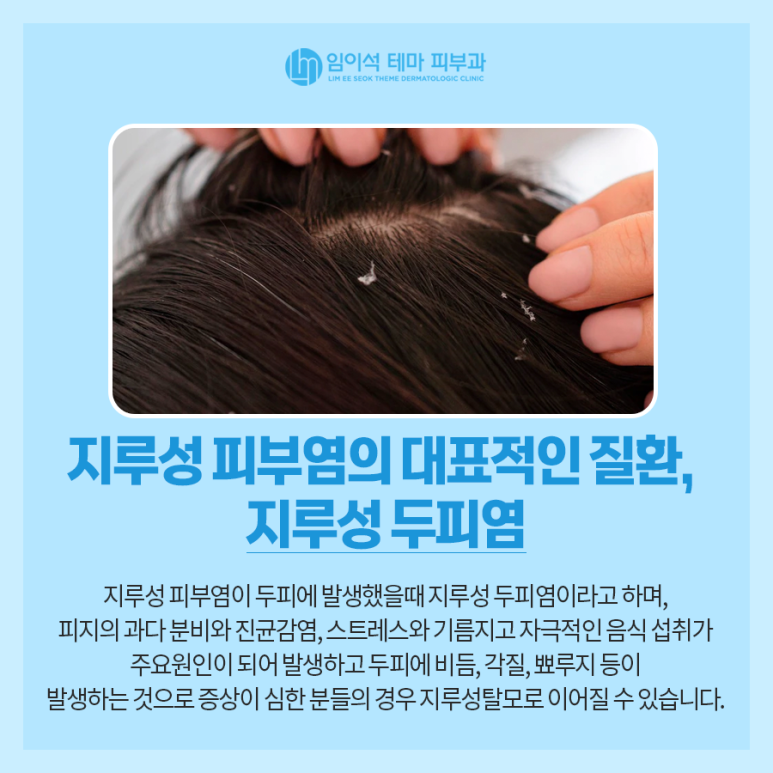
When seborrheic dermatitis occurs on the scalp,
it is called seborrheic scalp dermatitis, and it is a type of chronic inflammatory skin disease.
It is caused mainly by excessive sebum secretion, fungal infection, stress,
and the consumption of oily and irritating foods,
and symptoms include dandruff, flaking, and pimples on the scalp.
In severe cases,
it can lead to seborrheic hair loss,
so early treatment is important.
It also causes itching, which makes people scratch their heads frequently.
If you keep scratching your head because of the itching,
the surface of the scalp becomes red and irritated or develops scratch wounds.
If these wounds become infected or bacteria enter them,
they can lead to secondary infection or damage the hair follicles.
Hair follicles are the pockets where hair grows,
and if inflammation in the hair follicles is not treated quickly,
the follicles can be destroyed and hair loss can progress,
so caution is needed.
Representative symptoms of seborrheic dermatitis

-
Itching of the scalp
-
Increased dandruff
-
A scalp that turns red
-
Pain when pressing on the scalp
-
Symptoms such as inflammation, oozing, and crusting
-
In severe cases, progression to seborrheic hair loss
If you suddenly feel a lot more oiliness on the scalp and start seeing dandruff,
it is a good idea to suspect seborrheic scalp dermatitis.
If you continue to leave it untreated in this state,
the scalp becomes red, and oil, dandruff, and flakes become tangled together,
blocking the scalp pores and making the dermatitis progress more severely.
If this neglect continues,
it can lead to seborrheic hair loss,
so it is better to visit a hospital with a dermatologist early and receive appropriate treatment.
How to manage seborrheic scalp dermatitis

To prevent seborrheic scalp dermatitis from progressing to seborrheic hair loss,
visiting a hospital is the best option,
but consistent care is also necessary.
The seborrheic scalp dermatitis management methods introduced here
are helpful for improving the condition of seborrheic scalp dermatitis
and preventing seborrheic hair loss.
If you combine seborrheic scalp dermatitis treatment with lifestyle changes,
you can expect better treatment results.
- Do not engage in irritating actions toward the scalp, such as scratching it with your fingernails.
- Always keep the scalp clean.
- Washing your hair too often can actually worsen seborrheic scalp dermatitis, so once a day is appropriate.
- When shampooing, rinse thoroughly with water so that no shampoo residue remains.
- Use a shampoo that is not irritating.
- Try not to be stressed.
Treatment methods for seborrheic dermatitis/scalp dermatitis
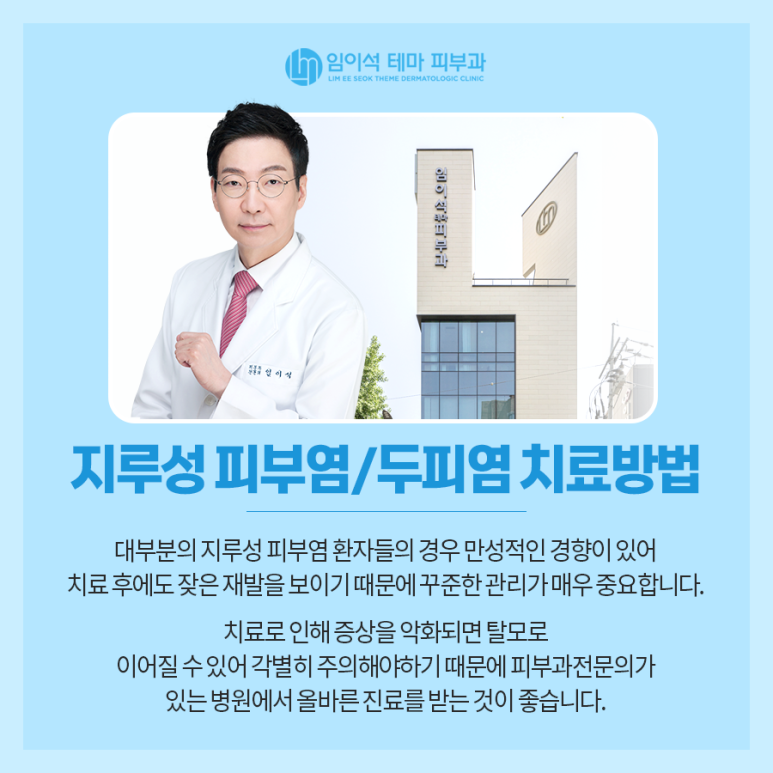
In most patients with seborrheic dermatitis,
the condition tends to be chronic,
so even after treatment it often recurs,
making consistent care very important.
Steroid medications are effective,
so topical medications are widely used.
In particular, steroid creams work well in areas without hair,
and if bacterial infection is severe,
steroid preparations containing antibiotics are used together.
However, excessive use of steroid preparations may raise concerns about side effects,
so in principle, systemic administration is discouraged.
For seborrheic scalp dermatitis,
effective treatment includes washing with medications containing ingredients such as ketoconazole, selenium, and sulfur,
and using steroid lotions or topical medications.
Along with this,
various scalp care solutions can be combined to treat seborrheic scalp dermatitis.
However, if symptoms worsen due to incorrect treatment,
it can lead to hair loss,
so special care is needed.
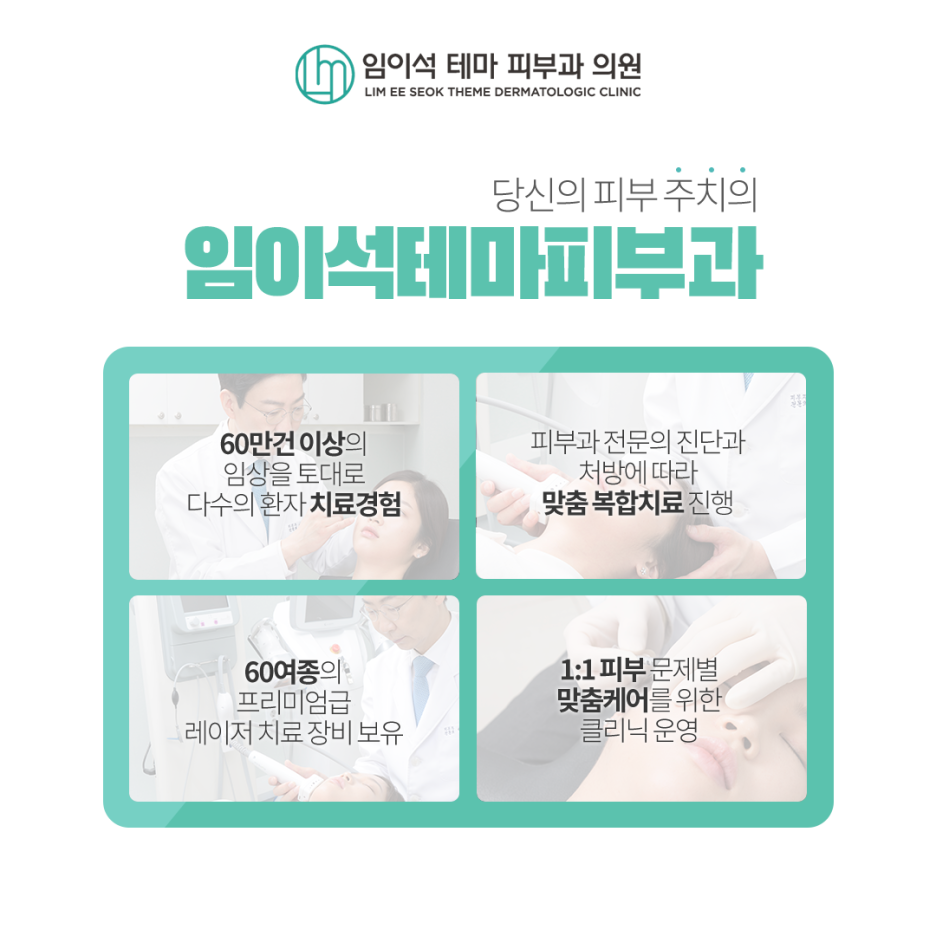
Imiisuk Thema Dermatology Clinic has more than 60 different laser devices,
making customized treatment possible according to each patient's individual condition and symptoms.
By organizing theme-based procedures for each condition,
we carry out one-on-one customized treatment plans and provide one-stop medical services such as aesthetics and hair transplantation.
In other words, customized treatment is only possible when the cause can be accurately identified in patients with various forms of symptoms,
and Imiisuk Thema Dermatology Clinic achieves true customized treatment through its scale and extensive clinical experience.
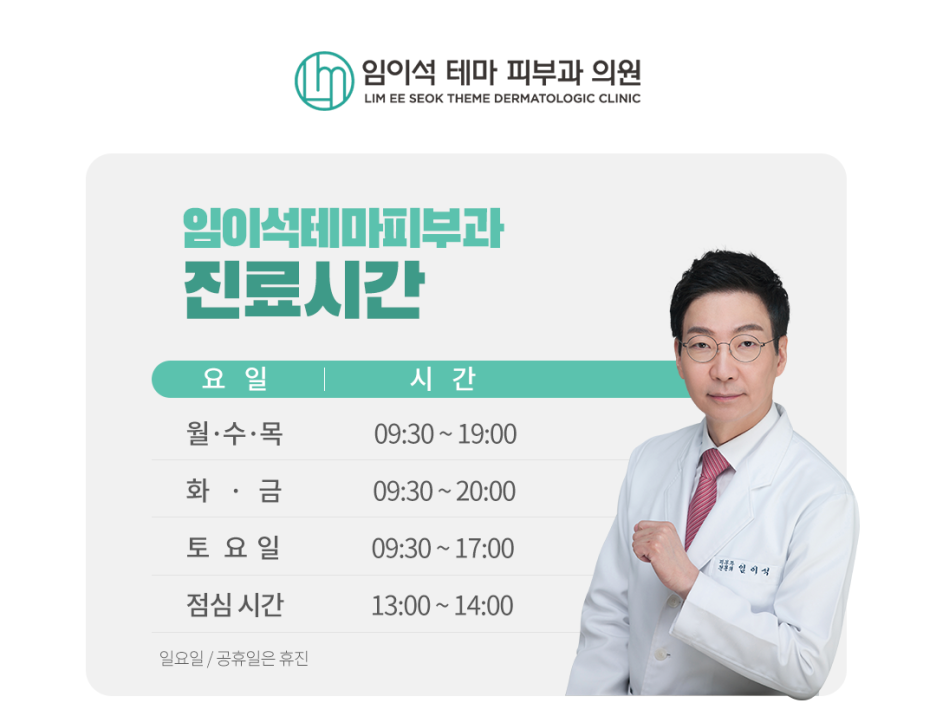
Director Imiisuk of our clinic provides responsible care in order to offer high-quality medical services.
At Imiisuk Thema Dermatology Clinic near Sinsa Station in Gangnam, high-level treatment is provided with a variety of devices.
If you are worried about skin problems, please feel free to make a consultation appointment through our KakaoTalk channel or website :-)