Provided by: Imiseok Theme Dermatology Clinic
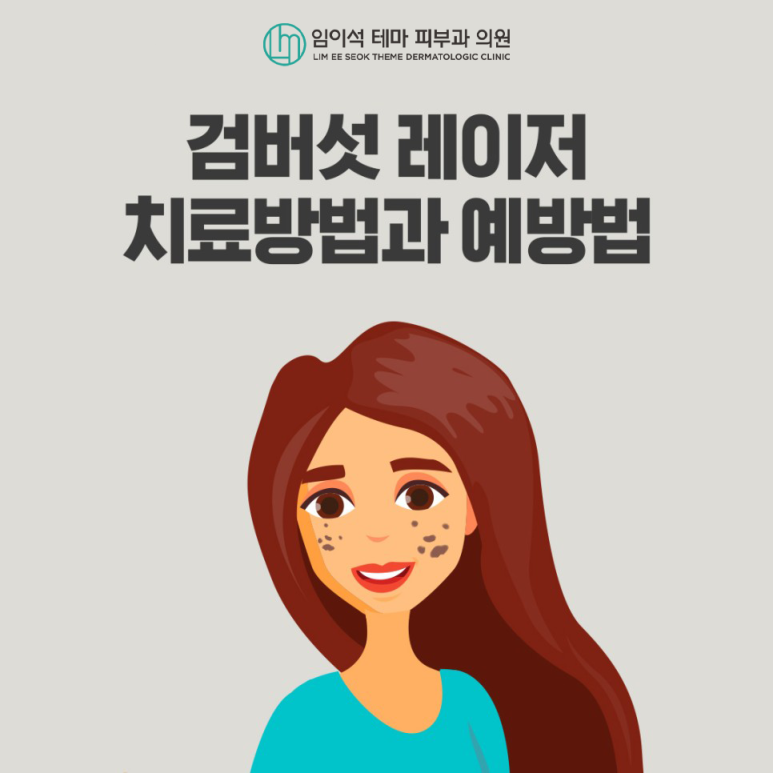
What are age spots?
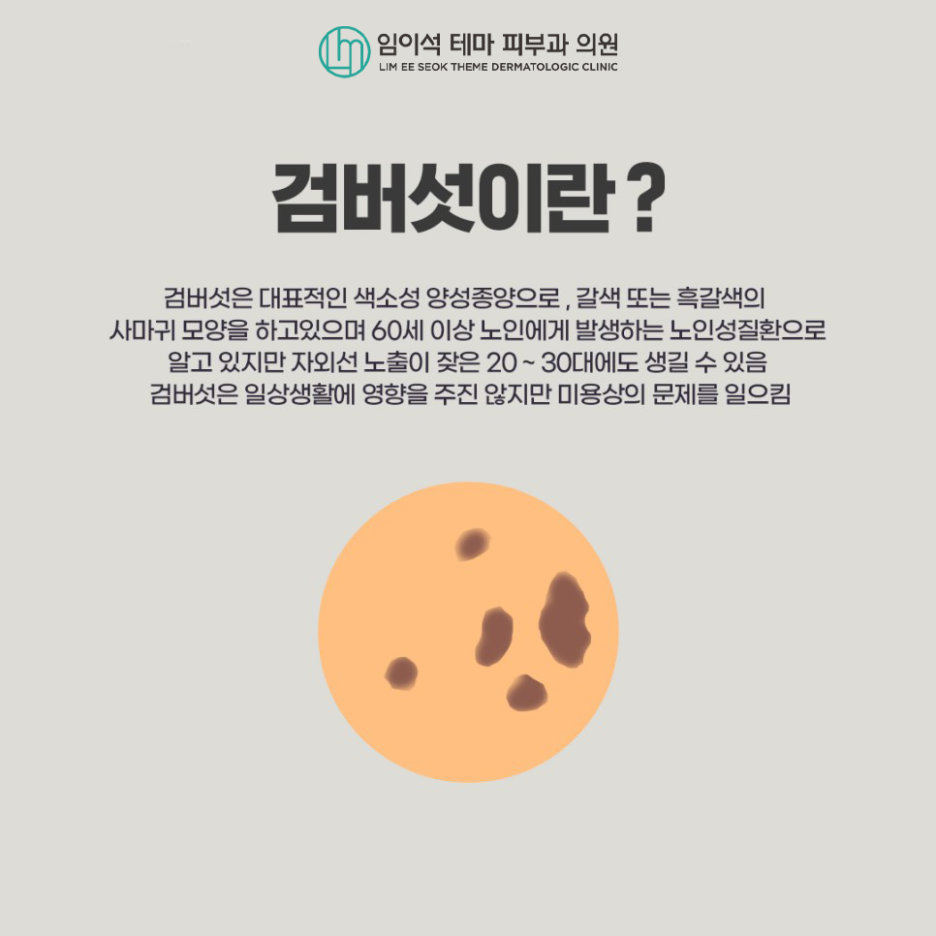
Age spots are a representative type of benign pigmented tumor. They have a brown or dark brown wart-like appearance, and their size can range from about a grain of rice to the size of a peanut. They are generally known as an age-related condition that occurs in people over 60, but they can also appear in people in their 20s and 30s who spend a lot of time outdoors and are frequently exposed to ultraviolet rays.
The correct medical term for age spots is seborrheic keratosis. They develop in areas where sebaceous glands are well developed. They usually appear on the face, neck, and forehead, and can also occur on the arms, legs, and chest if exposure to ultraviolet rays is high.
If age spots appear on frequently exposed areas such as the face or the backs of the hands, they do not cause health problems or affect daily life, but they can create cosmetic concerns. This is because it is difficult to maintain a clean and neat impression when age spots are present, and they cannot be covered even with makeup.
Causes of age spots
Age spots can develop due to genetic factors, and they can also occur due to environmental factors such as ultraviolet rays or stress.
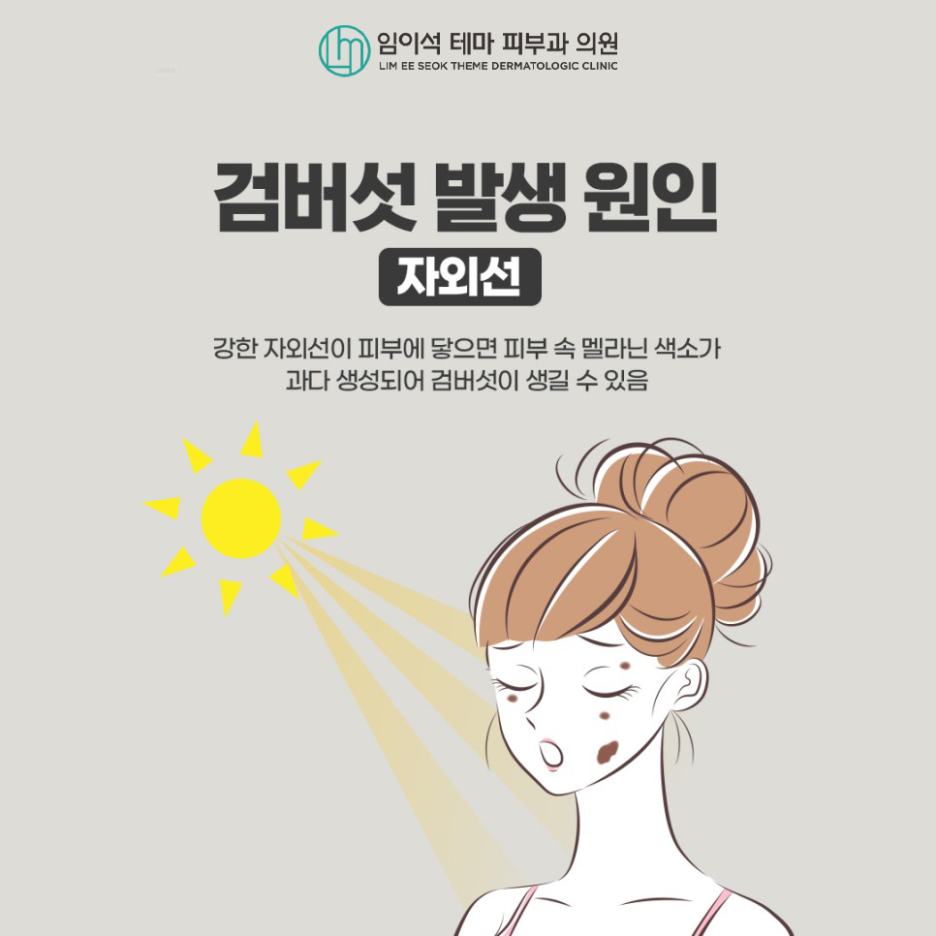
- Ultraviolet rays
When strong ultraviolet rays reach the skin, melanin pigment in the skin can be overproduced, which may cause age spots.
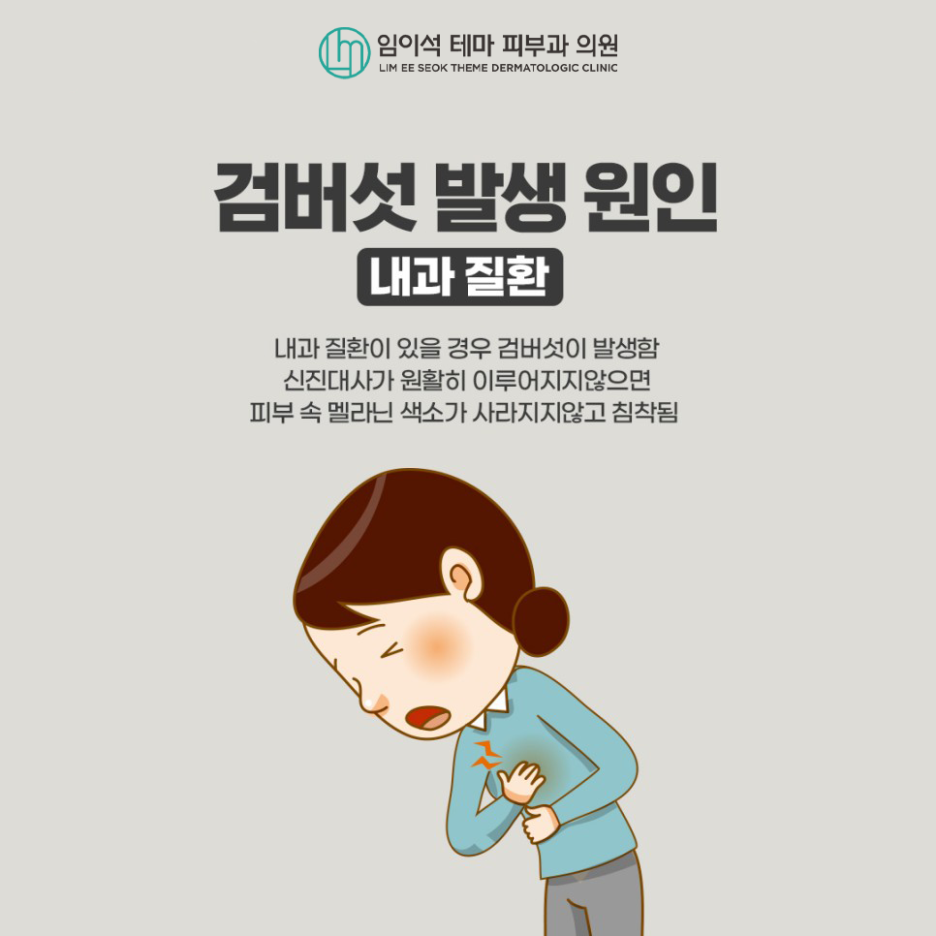
- Internal medical conditions
Age spots can occur when there is an internal medical condition. This is because if metabolism does not function smoothly, melanin pigment in the skin does not disappear easily and becomes deposited.
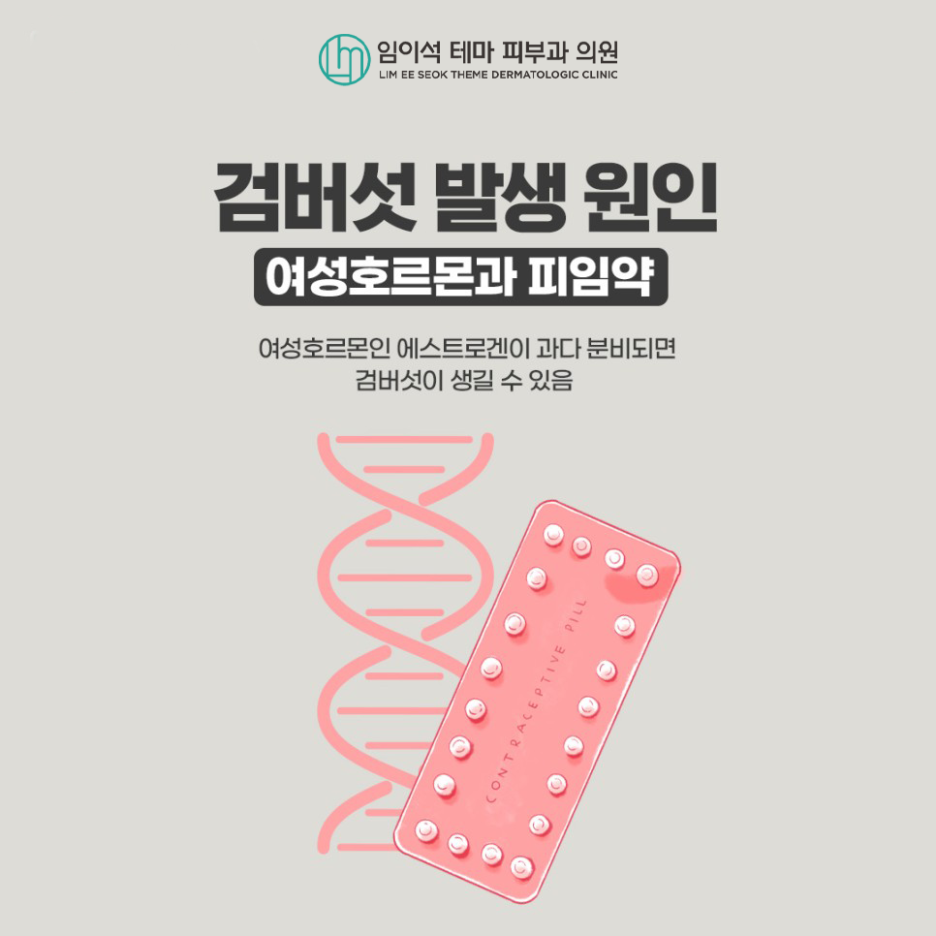
- Female hormones and birth control pills
Age spots can also develop when the female hormone estrogen is secreted excessively. Accordingly, they may appear when taking birth control pills that cause hormonal changes.
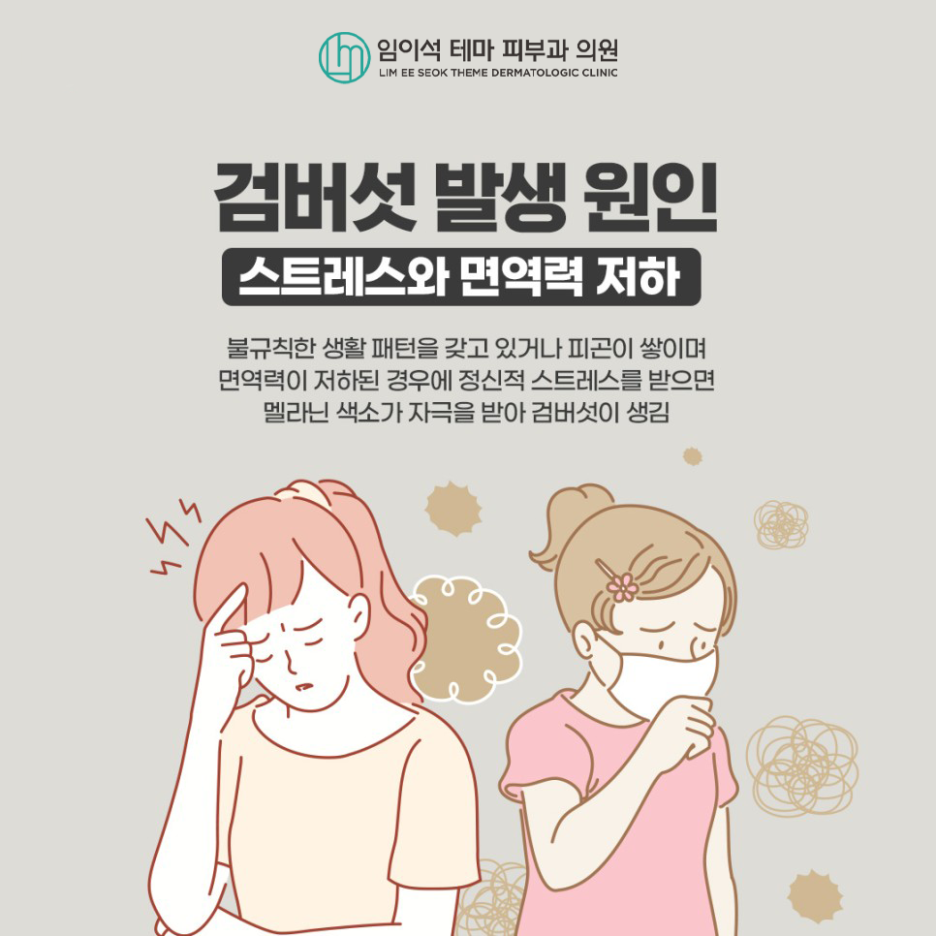
- Stress or weakened immunity
If you have an irregular lifestyle or are tired and have weakened immunity, mental stress can stimulate melanin pigment and cause age spots.
Treatment methods for age spots
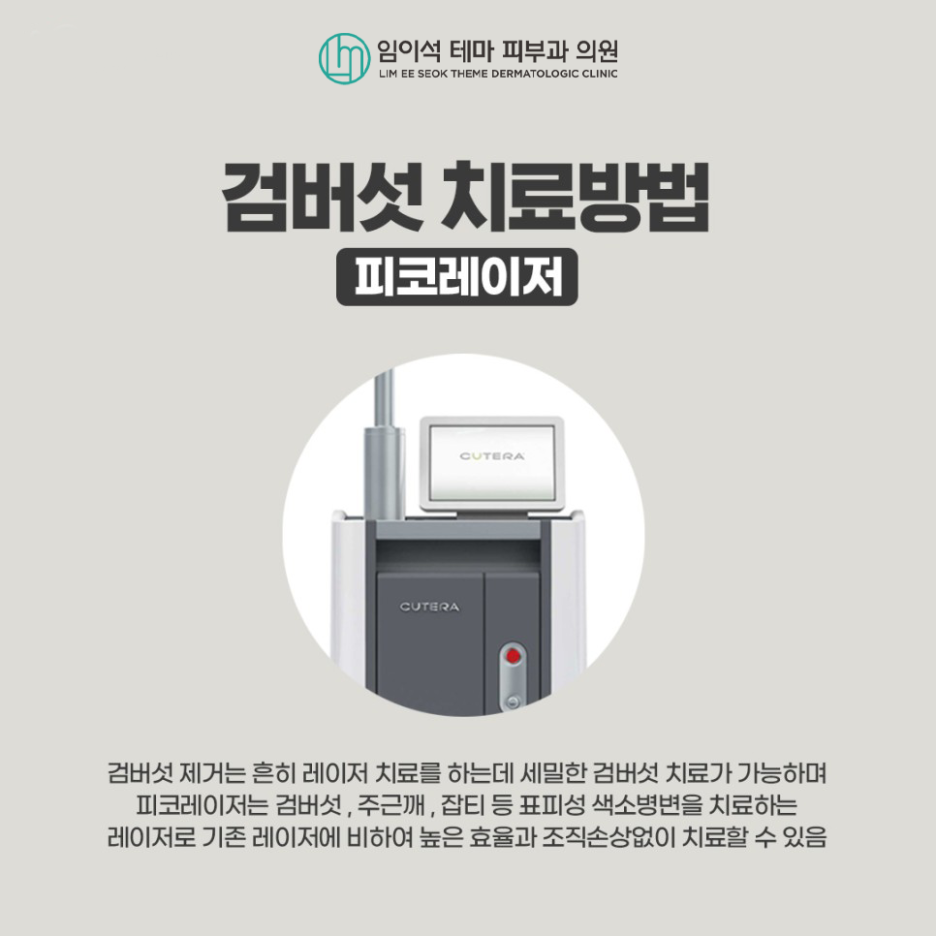
Laser treatment is commonly used to remove age spots because it allows for the most precise treatment of age spots without damaging surrounding tissue. During laser treatment, the form and depth of the pigmented lesion are first diagnosed precisely. Then, depending on the cause, the laser is selectively applied to the lesion to improve the pigmented area and suppress melanocytes. At Imiseok Theme Dermatology Clinic, we recommend treating age spots with a pico laser as a way to remove them.
A pico laser is used to treat superficial pigmented lesions such as freckles and blemishes, including age spots. It can deliver high-intensity treatment in an extremely short time called picoseconds. It has 100 times higher energy efficiency than conventional lasers, and its advantage is that it can treat without damaging surrounding tissue.
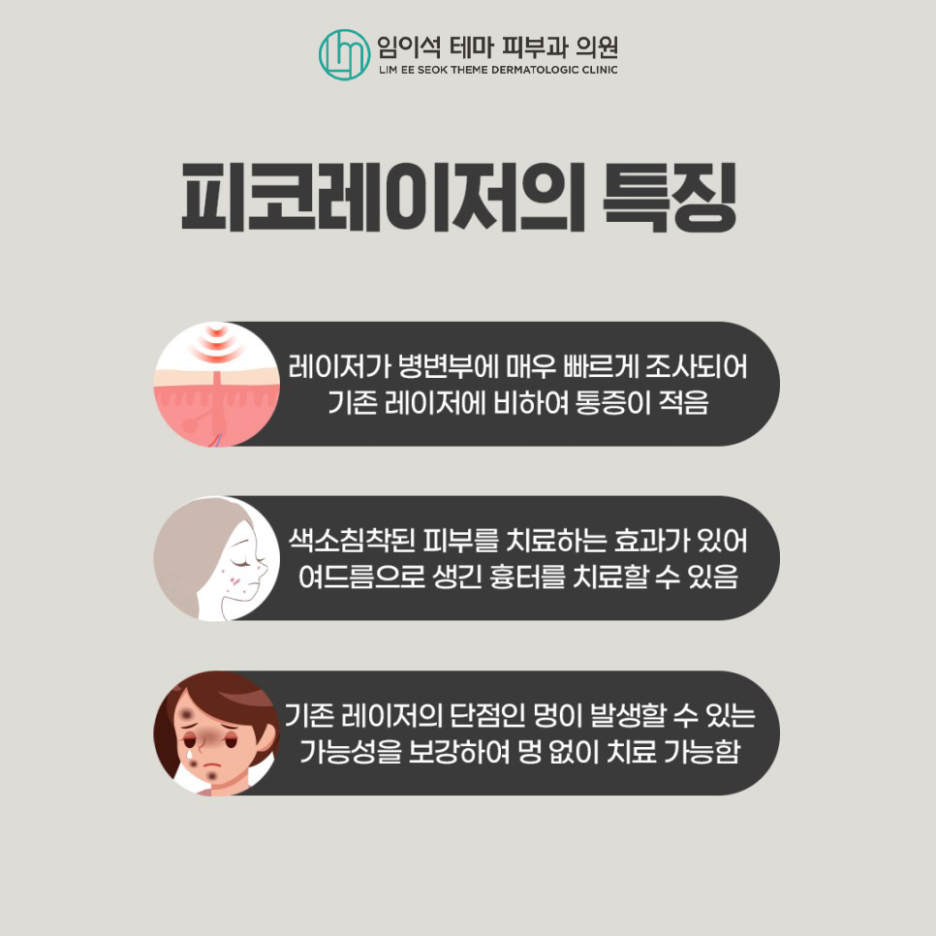
The pico laser has the following features.
- Less pain compared to conventional lasers.
Because the laser is delivered to the lesion very quickly, the risk of damage to surrounding skin and pain is lower.
- It has a combined effect of improving acne and acne scars.
The pico laser has the effect of treating pigmented skin, so it can treat scars caused by acne. It also has an effect on acne-causing bacteria, helping treat acne.
- It can be treated without bruising.
The pico laser addresses the drawback of the existing V-beam laser, which can cause bruising, and allows treatment without bruising.
How to prevent age spots
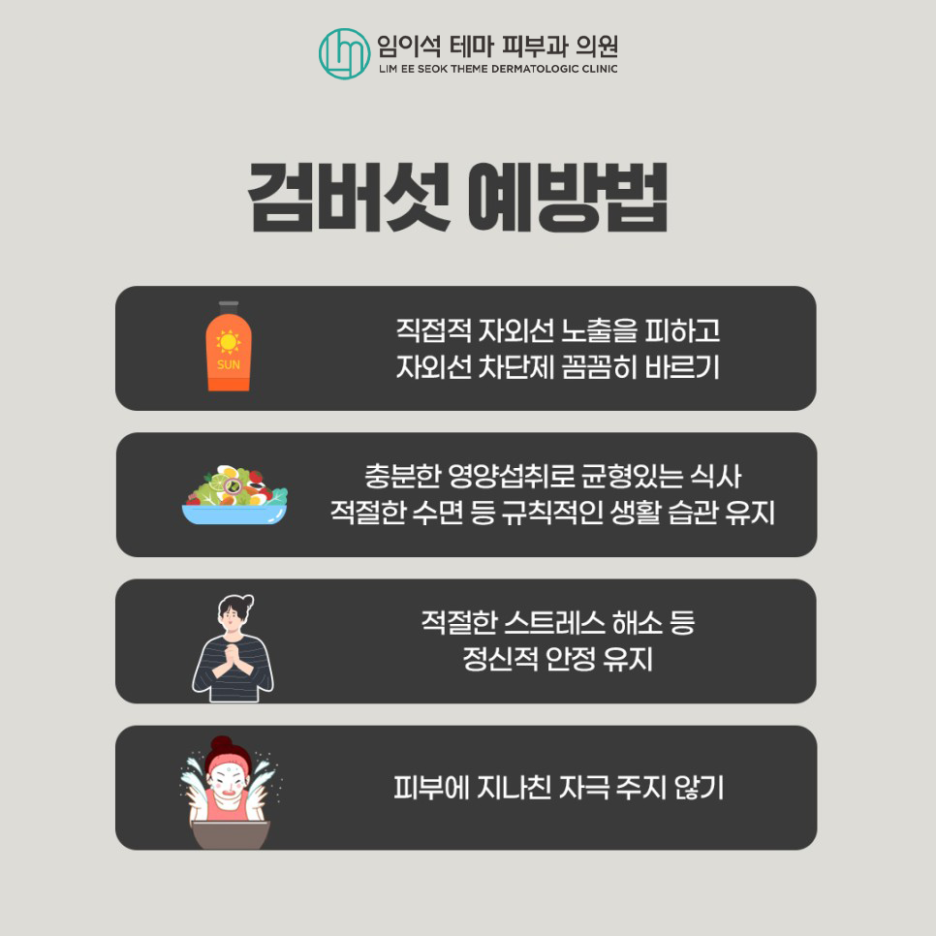
Once age spots appear, they often spread to surrounding areas. If you need to keep treating age spots that have already developed, the cost of removal can also become a concern, so prevention at an early stage is most important.
-
Avoid direct exposure to ultraviolet rays and apply sunscreen carefully
-
Maintain a regular lifestyle with a balanced diet through sufficient nutrition and proper sleep
-
Maintain mental stability, such as by relieving stress appropriately
-
Avoid excessive irritation to the skin