Provider: Imiseok Theme Dermatology Clinic
Laser Toning Treatment for
Melasma and Spots Improvement
An enemy of clear skin, pigment disorders are conditions that occur due to abnormal skin cell function. Laser procedures can help, as they are effective for improving small areas while minimizing skin irritation. Melasma and spots often recur even after treatment and make the face look dirty, so more and more people are looking for ways to remove melasma and spots, regardless of the season.
Pigment disorders such as melasma, spots, age spots, and hyperpigmentation can gradually spread over time. For that reason, active treatment is needed as soon as symptoms begin to appear. In many cases, symptoms start to emerge from summer to autumn and then worsen as winter begins, so it is advisable to receive laser treatment such as skin spot removal, age spot removal, and mole removal from the time symptoms appear.
Causes of Melasma, Spots, and Age Spots

Melasma and spots occur more often in women than in men. The main causes are mostly childbirth, genetic factors, and constitutional factors in women, while ultraviolet exposure, endocrine abnormalities, nutritional deficiencies, and impaired liver function are said to be aggravating factors.
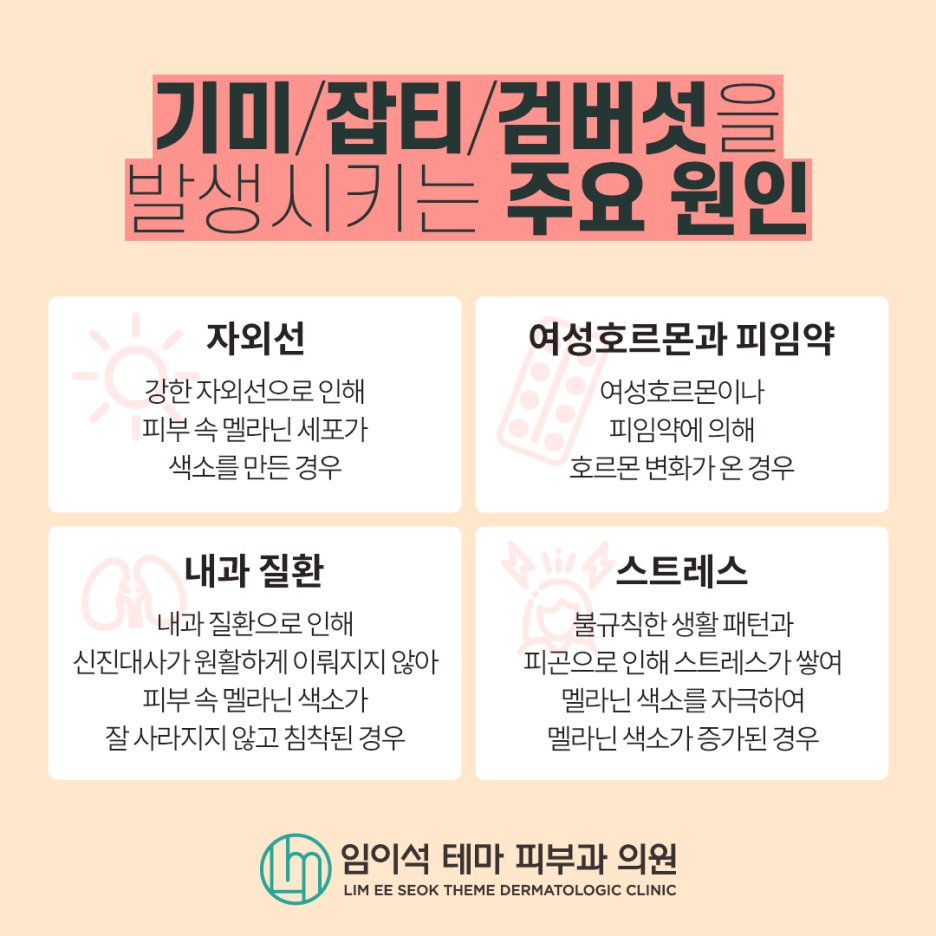
In particular, ultraviolet rays not only reduce skin elasticity but also cause and worsen pigmentary conditions such as melasma, spots, age spots, and facial moles. They often appear around the eyes and cheekbones, which are exposed to more ultraviolet rays. To restore skin damaged by sun irritation, vascular growth factors in the dermis respond actively, and through interaction with melanocytes, excess pigment is produced, leading to melasma, freckles, spots, and age spots.
If symptoms are left untreated, melasma and spots can develop into moles, making treatment more difficult. In the case of age spots, they can gradually grow larger, making both cosmetic care and treatment more challenging. Also, if the condition becomes chronic, it may continue to recur even after treatment, so early treatment is preferable.
What Treatment Methods Are Effective for Melasma Treatment, Spot Removal, and Age Spot Removal?
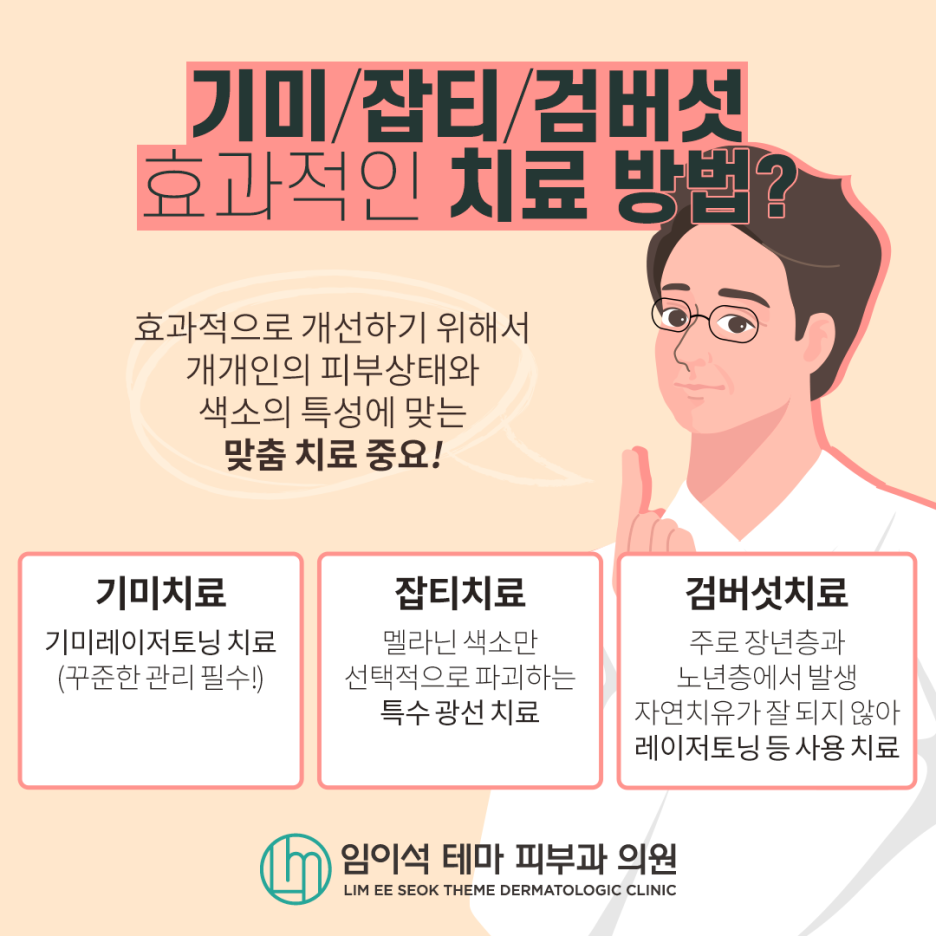
As mentioned earlier, age spot removal, melasma removal, and spot removal often recur even after treatment. Therefore, using the same treatment for every patient is not effective. To effectively improve facial pigment disorders such as melasma and spots, customized treatment matched to each individual’s skin condition and the characteristics of the pigment is important.
- Melasma Treatment Method
There are several types of melasma: epidermal type (in the outer layer of the skin), dermal type (deeply distributed in the dermis), and mixed type (pigment mixed in both the epidermis and dermis). In Korea, dermal and mixed types are most common. Laser toning for melasma is mainly used as a way to remove melasma, but ongoing management is necessary to prevent recurrence after treatment. In particular, since melasma is often accompanied by telangiectasia, treating the dilated blood vessels together with melasma removal can help lower the recurrence rate.
- Spot Treatment Method
In general, melasma and spots often appear together, so both symptoms are improved at the same time. Laser procedures are commonly used for facial spot removal, using special beams that selectively destroy only melanin pigment to remove skin spots. Spots refer to unsightly pigmentation on the face other than melasma or freckles. They are relatively large and appear regardless of time or season, causing greater cosmetic inconvenience.
- Age Spot Treatment Method
Unlike melasma and spots, age spots are one of the skin conditions that occur mainly in middle-aged and older adults. Causes of age spots include ultraviolet exposure, genetic factors, and aging. Once they appear, they do not heal naturally well, and symptoms worsen over time. Because age spot removal is more difficult than removing ordinary spots, since they are larger and thicker, laser treatment is generally used as the method for removing age spots. Early age spots can be treated with simple laser toning, but advanced thick age spots need to be treated with laser equipment used for mole removal in order to be effectively treated.
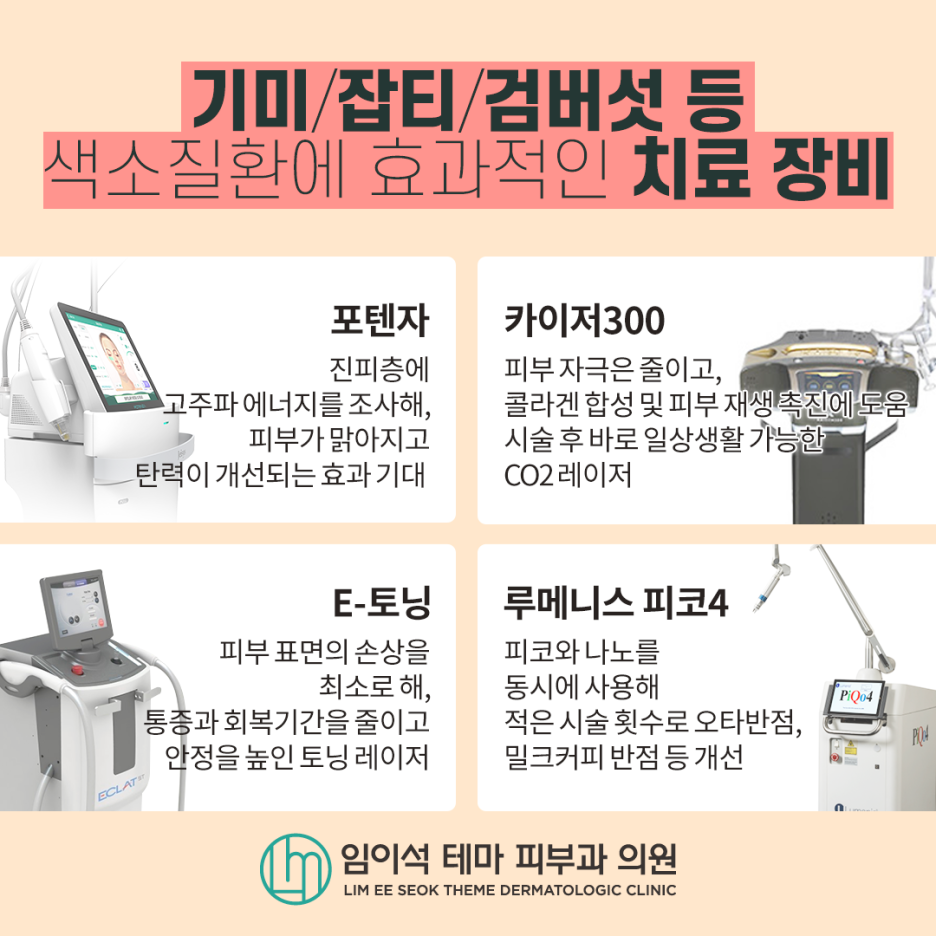
What Are the Treatment Principles and Devices for Melasma, Spots, and Age Spot Lasers?
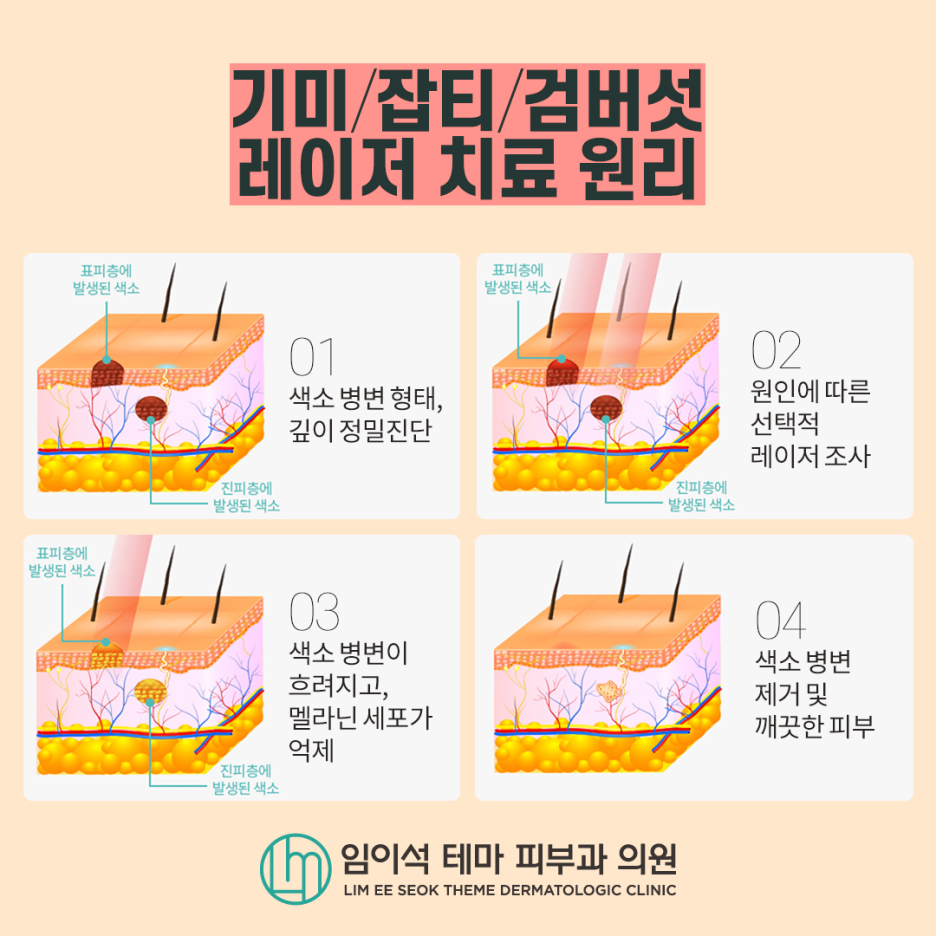
The treatment principle begins with an accurate diagnosis of the lesion form and depth of pigment that has developed in the epidermal and dermal layers, followed by the use of selective lasers according to the cause. It is important not to treat with just one laser device, but to carefully assess the form of the pigment and use effective treatment equipment. After laser irradiation, the skin pigment lesions become lighter and melanocytes are suppressed. Post-procedure care is also important, so we recommend sufficient consultation before the procedure and treatment that takes your skin condition into account.
What Are Some Easy Prevention Methods Before Melasma, Spots, and Age Spots Appear?
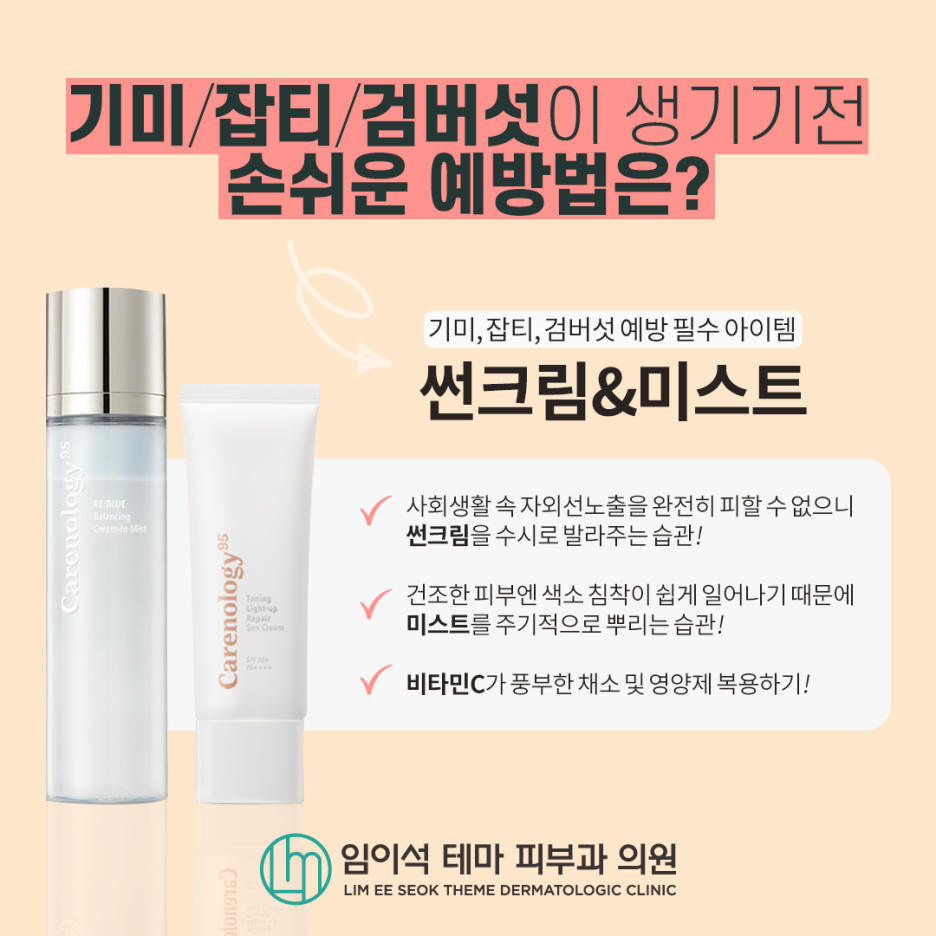
Sunscreen is an essential element in preventing melasma, spots, and age spots. Avoiding ultraviolet exposure is the best preventive method, but since it is difficult to completely avoid UV exposure while living daily life, applying sunscreen regularly is very helpful. It is best to apply it 30 minutes before going out, and reapplying every 2 to 3 hours after going out is recommended.
If the skin is dry, pigmentation can occur more easily. When your skin is dry, it is also important to spray mist periodically and apply a moisturizer suited to your skin type after washing your face. In addition, eating vegetables rich in vitamin C and taking nutritional supplements can help the body’s antioxidant function and may help prevent pigmentation.