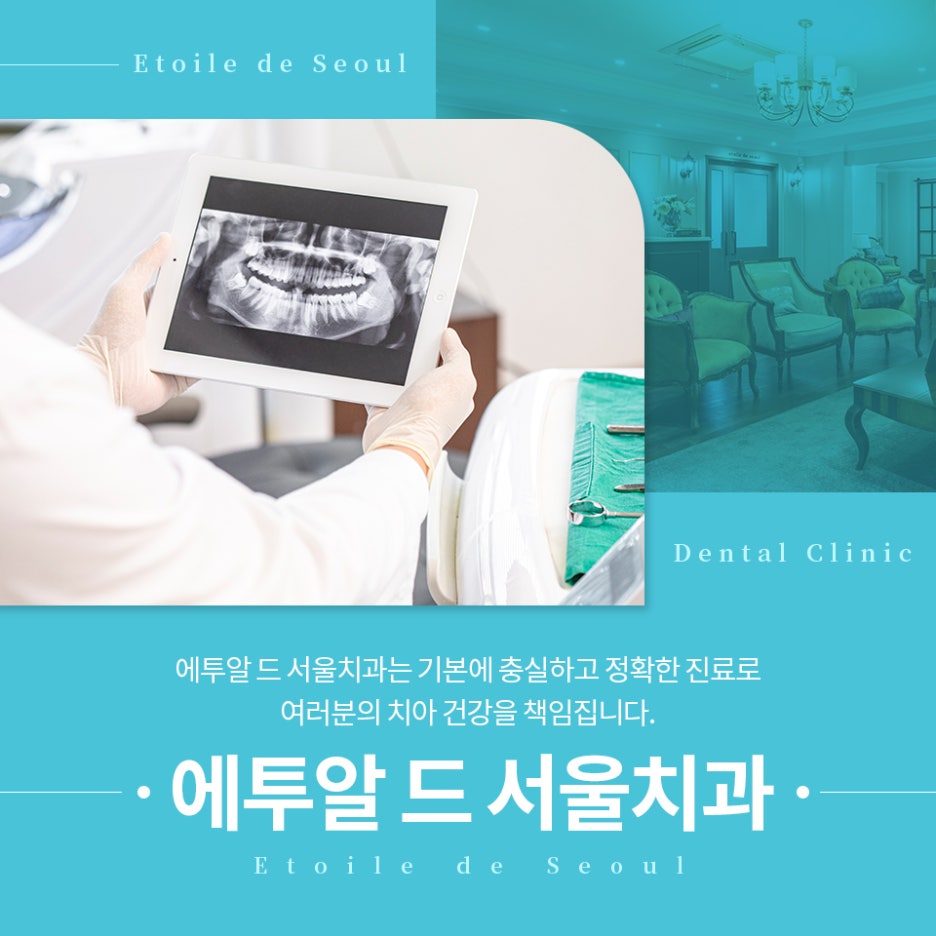
Hello, everyone. This is Etoile Seoul Dental Clinic. Today, we would like to talk about implants for those of you who are interested in dental health. We understand the difficulties and concerns faced by many people who have lost teeth. You may experience inconvenience while wearing dentures, a loss of confidence due to tooth loss, and discomfort while eating—difficulties in daily life that many people feel.
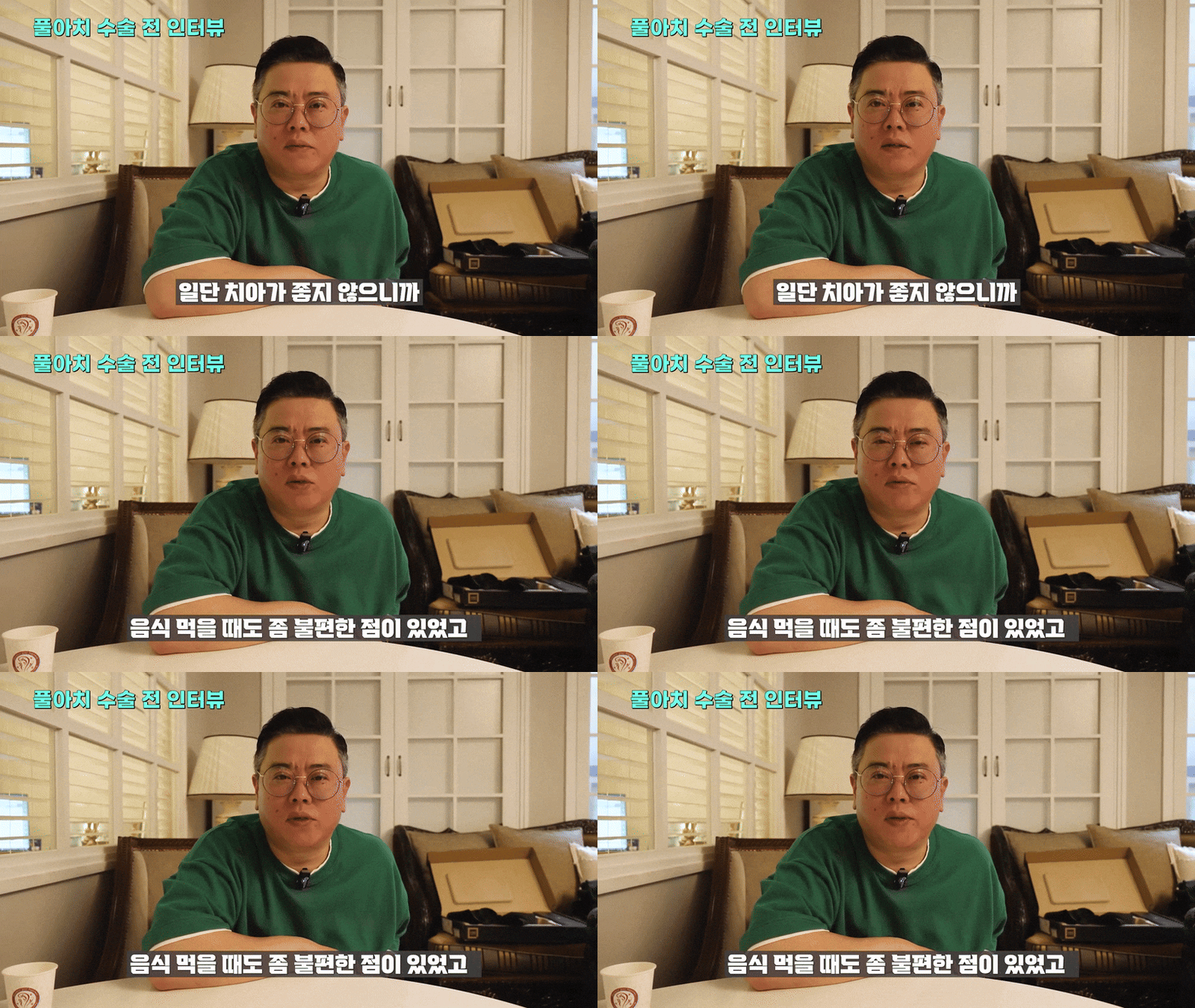
Many people, after losing teeth, fall into the worry of, “What should I do now?” Dentures can move around, making meals uncomfortable, and speech can feel unnatural, making you hesitant even to talk. For those of you looking for a new solution amid these inconveniences, various implant methods may be helpful.
There are several types of implant methods. Simply put, there are treatment methods developed for people who do not have teeth. Rather than placing one implant for each missing tooth like in the conventional method, there are methods that can restore teeth with only a small number of implants. This approach, which takes into account the characteristics of both implants and dentures, can be considered in terms of cost and function.
In medical institutions, implant treatment can be performed using modern technology even when there is insufficient jawbone. In some cases, treatment may be possible by placing implants at special angles and positions, which can help reduce the burden on you.
Looking at the main features of implants, one is that, depending on the case, tooth function may be restored with a small number of implants. In general, many implants may be needed, but there are methods that can work with fewer implants. This can make a difference in terms of cost and treatment scope.
Also, the timing of prosthesis placement after implant treatment may vary depending on the situation. Based on the treatment plan, you may be able to wear a temporary prosthesis and return to daily life, and the timing of the final prosthesis placement may differ according to each person’s condition. This can help reduce the inconvenience of having to live without teeth.

Who might want to consider implants at a medical institution? First, there are people who are considering cost. There are also people who are considering treatment duration, and those who feel inconvenience using dentures can obtain information through consultation. People who have difficulty moving around and find it hard to visit several times, as well as older adults, can also learn about suitable options through treatment.
How does the implant treatment process work? First, examinations are performed for consultation and assessment. After that, the process goes through computer-based planning and prosthesis design, followed by implant placement and prosthesis attachment. After a recovery period, the final prosthesis is placed. Using modern technology can improve treatment accuracy.
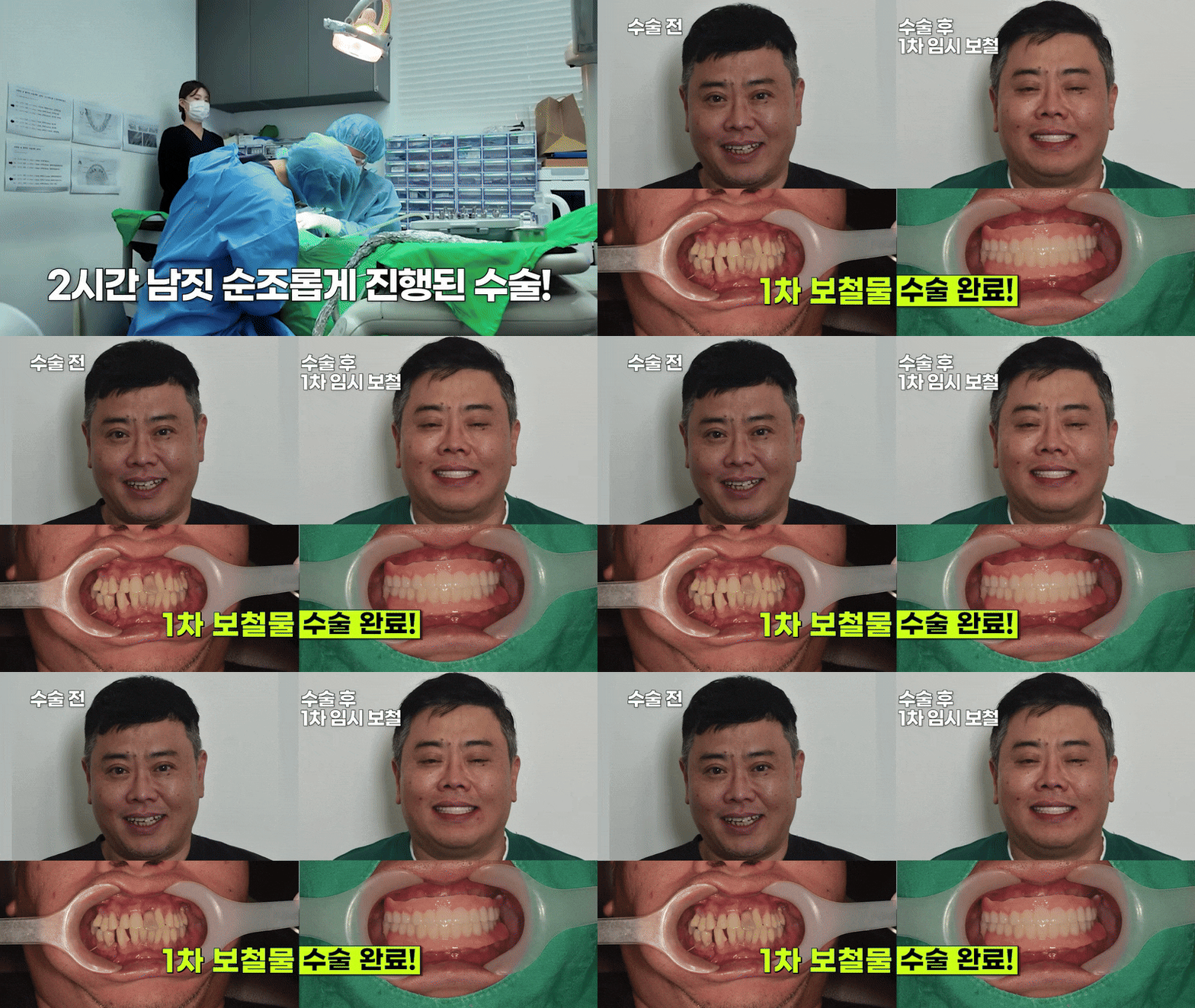
Many people are curious about the differences between implants and dentures. Dentures are worn on the gums or attached to a few supports, so chewing function may be weaker than that of natural teeth. On the other hand, implants are fixed prosthetics, so chewing function may be better and movement is less of an issue.
Implants provided at medical institutions can also be considered from an aesthetic standpoint. With modern materials and technology, natural-looking teeth and gums can be created, so a natural appearance can be expected.
How should you care for implants after treatment? Basically, it is best to manage them like natural teeth. Proper brushing and flossing every day are necessary, and regular checkups are important. Through regular checkups, it is necessary to confirm the condition of the implants and the health of the surrounding gums for long-term maintenance.

Let’s look at the concerns of people who actually need treatment. To the question, “My dentures move around, so I feel uncomfortable every time I eat. Can this problem be solved?” fixed implants may reduce movement and make eating more comfortable, while also making natural conversation possible.
We also often hear, “I’m older—can I still get implant treatment?” Age itself is less important than overall health status. The appropriate method may differ depending on the individual’s condition, so sufficient consultation is necessary.
There are also questions such as, “Are there any food restrictions after implants?” During the temporary prosthesis period, it is better to avoid hard or chewy foods, but after the final prosthesis is placed, chewing function improves and you may enjoy a variety of foods.
The medical institution provides regular checkups and care after implant treatment. Through genuine implant materials and a follow-up care system, we help support the treatment process.
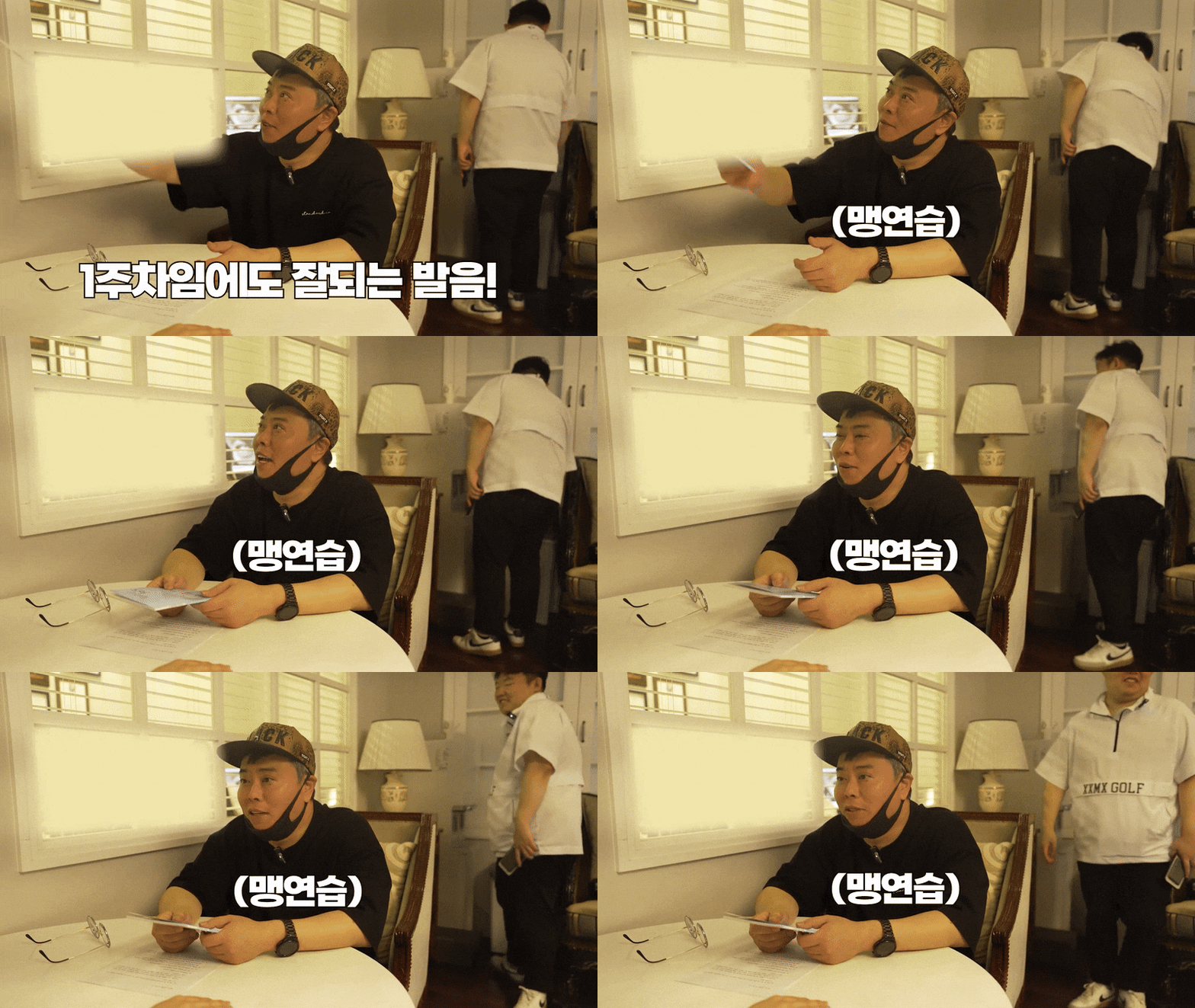 (Practicing pronunciation after implants)
For those of you considering implants, one piece of advice is that, above all, it is important to determine whether the treatment is right for you. It is best to make the decision by considering your oral condition, overall health, and lifestyle patterns. Also, because implants are a delicate process, it is important to obtain information through a consultation.
The implants provided at the medical institution can be one option for people without teeth. Even with only a small number of implants, tooth function can be restored, and after an adaptation period, you can return to daily life. You may also expect function and appearance similar to natural teeth. For people who have experienced the inconvenience of dentures, implants can be one possible option.
Dental health is related to quality of life. We hope you can enjoy the basic happiness of eating well, smiling confidently, and speaking clearly. Implants are an option that can be explored through consultation for those who have had discomfort with dentures, those who have lost multiple teeth, and those considering cost. If you have any more questions, please feel free to ask anytime. We support your healthy smile.










 Previous image
Next image
Previous image
Next image








 Previous image
Next image
Previous image
Next image