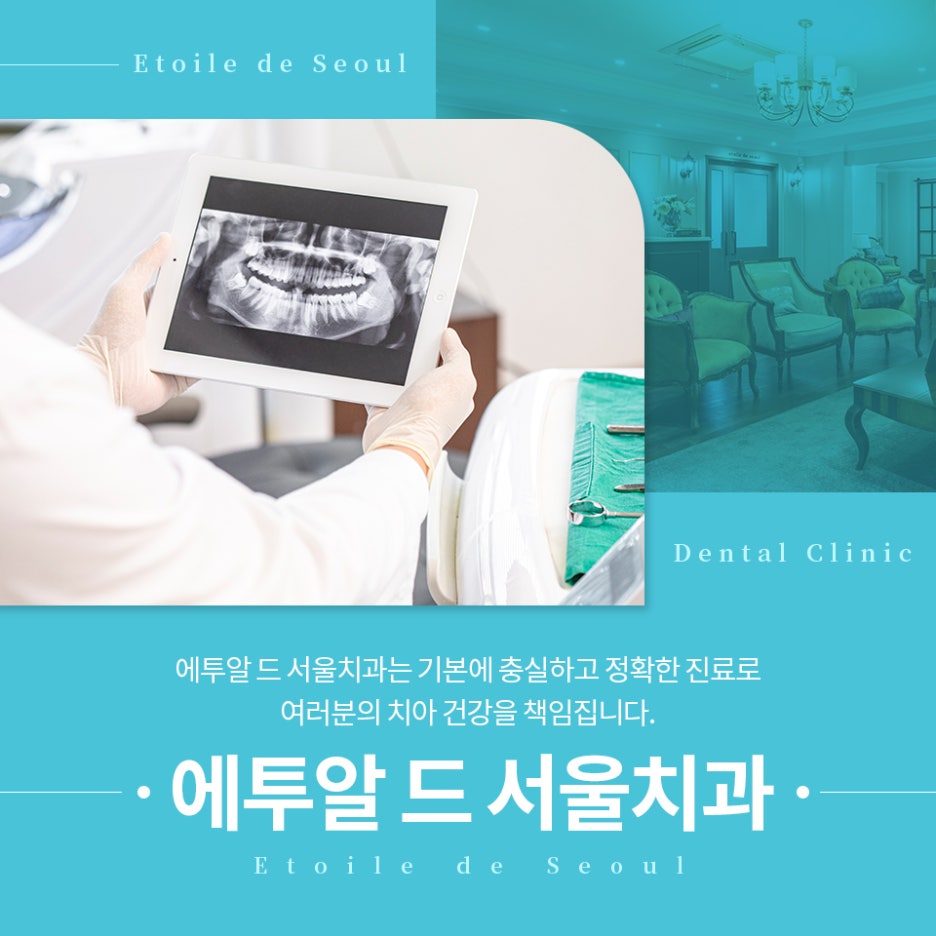
Hello, this is Etoile Seoul Dental Clinic. Today, for those who are very interested in dental health, we would like to take a detailed look at the 'Digital Full-Arch' treatment. This will be useful information for anyone who has difficulty eating because of dentures that do not fit well, or for those who have suffered from being without teeth for a long time.
While using dentures for a long time, you may have experienced various inconveniences. The dentures may keep coming loose, or you may feel discomfort every time you eat. Many people have these concerns. “My dentures are so uncomfortable. They wobble every time I chew, and sometimes they even move while I’m talking, which is so embarrassing.” If you are experiencing these kinds of problems, now is the time to learn about Digital Full-Arch.
What is Digital Full-Arch?
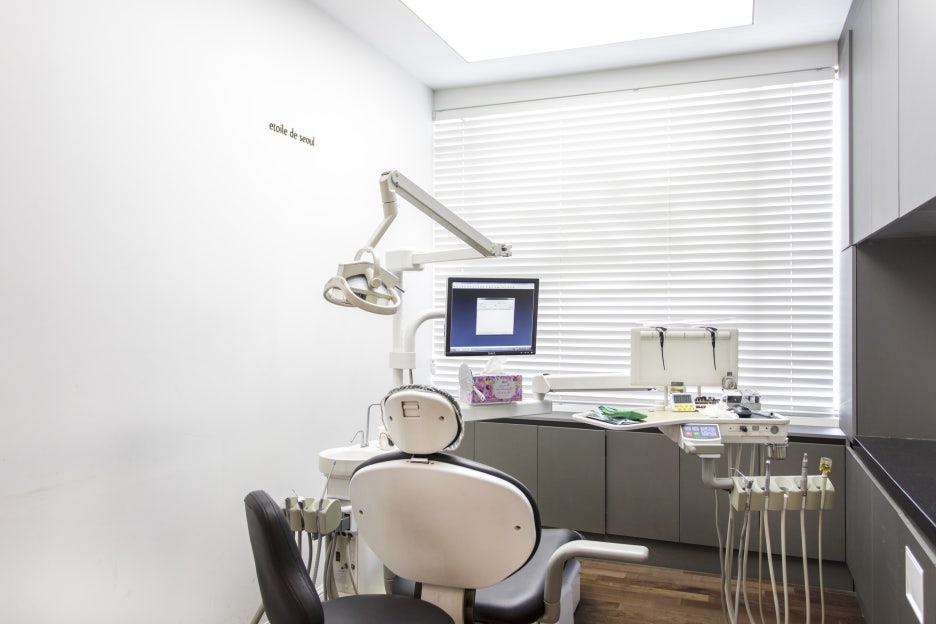
Digital Full-Arch is a new type of implant system for people with no teeth (edentulous patients). In the past, one implant was placed for each tooth, but Digital Full-Arch can restore all the teeth in one jaw (upper or lower) with just 4 to 6 implants.
The main advantages of Digital Full-Arch are lower cost and generally shorter recovery time. With regular implants, more than 10 implants may be needed to restore an entire jaw, but Digital Full-Arch places implants at specific angles to achieve maximum effect with a minimal number.
In addition, by using 3D CT, an oral scanner, and a navigation guide system, implants are placed in precisely planned positions, improving surgical accuracy and shortening the recovery period. Thanks to these digital technologies, treatment can be performed with minimal pain and incision, greatly reducing the burden on patients.
Differences Between Digital Full-Arch and Conventional Implants
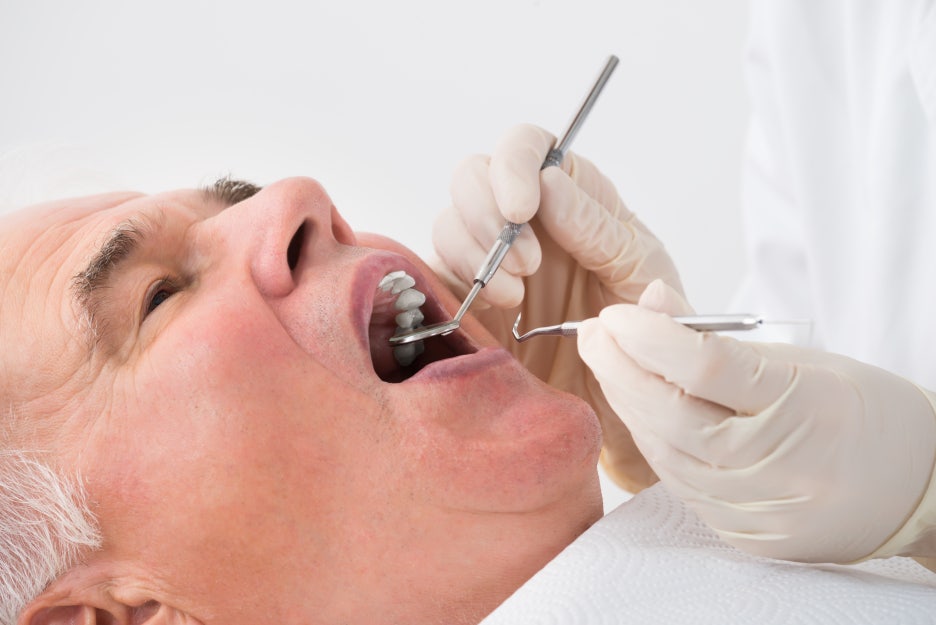
Many people are curious about the differences between regular implants and Digital Full-Arch. Conventional implants place one implant for each missing tooth. In contrast, Digital Full-Arch restores the function of all the teeth in one jaw by placing only 4 to 6 implants in strategic positions.
Another advantage of Digital Full-Arch is that a temporary prosthesis can be attached on the day of treatment. This means you do not have to spend time without teeth, and you can regain an aesthetic smile and basic chewing function right after the procedure. The final prosthesis is attached about 30 days later, after the gums have healed and the implants have stabilized.
There is also a big difference in chewing strength. If implant-supported dentures provide about 60% to 80% of the chewing strength of natural teeth, Digital Full-Arch provides up to 90% of the chewing strength of natural teeth. Also, because it is fixed, it does not move in the mouth, so it is much more comfortable for speaking and eating.
Suitable Candidates for Digital Full-Arch
Digital Full-Arch is a treatment suitable for many people. It can be a stable alternative for those who find conventional dentures inconvenient, especially those whose dentures keep falling out or moving. It is also a worthwhile option for people who want a relatively shorter treatment period. For those who find it difficult to visit the clinic many times, Digital Full-Arch offers time efficiency because a temporary prosthesis can be attached on the day of treatment. It is also recommended for those concerned about cost. It is suitable for people looking for a more economical approach than replacing all teeth with individual implants. It is also a good choice for those whose general health condition makes extensive surgery difficult. Because it is performed using a minimally invasive method, the surgical burden is low. Finally, it can also help people who have been edentulous for a long time and therefore have insufficient jawbone. Since implants are placed at specific angles, treatment is possible in many cases without bone grafting.
The Treatment Process of Digital Full-Arch
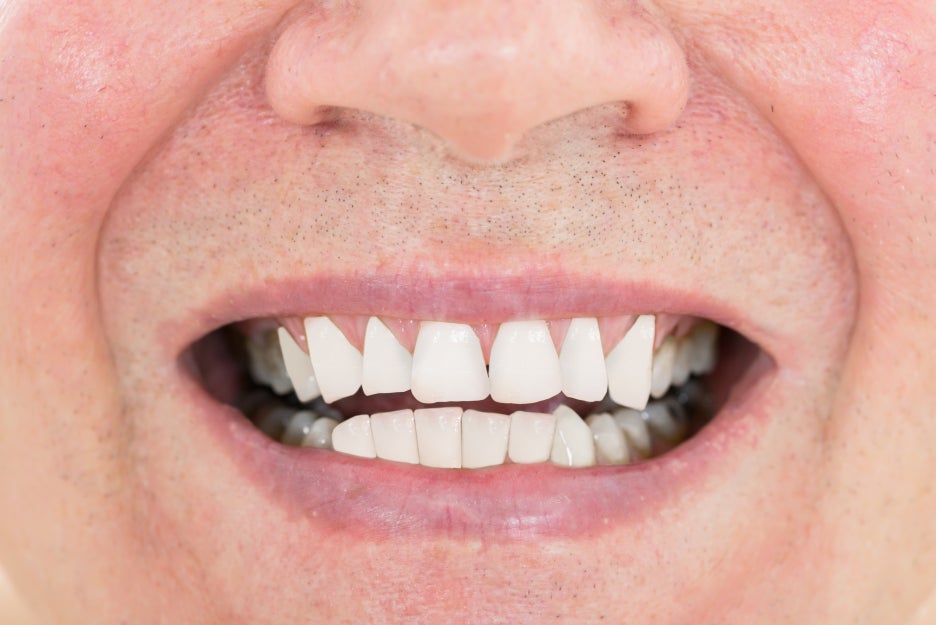
Digital Full-Arch treatment proceeds through systematic stages. First, during the examination and assessment stage, CT scans are used to precisely analyze the individual’s oral condition. Next, in the computer simulation and prosthesis design stage, the implant placement position and angle are planned in advance through 3D simulation, and a prosthesis tailored to the individual is designed. The next step is implant placement and temporary prosthesis attachment. Four to six implants are placed in the planned positions, and a temporary prosthesis is attached on the same day. Finally, after a recovery period of about 30 days, the final prosthesis made of pink porcelain and zirconia is attached. All of these steps are performed in a way that minimizes pain and incision, and implants can be placed precisely using a 3D navigation system. Most people say that after treatment, they can manage discomfort with ordinary pain relievers and experience much less pain than expected.
Advantages and Care of Digital Full-Arch
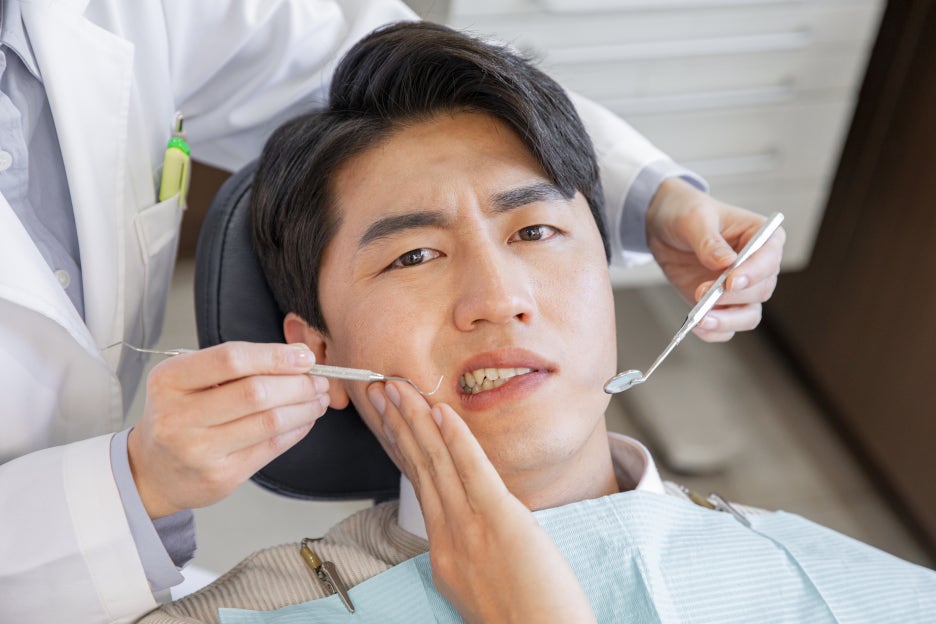
The main advantages of Digital Full-Arch include chewing strength similar to natural teeth (90%), aesthetic restoration, stable fixation, and natural speech. The gum line is delicately recreated with pink porcelain, and the teeth made of zirconia provide a very natural appearance.
Digital Full-Arch care is similar to caring for natural teeth. Proper brushing, flossing, and regular checkups every 6 months are necessary. During the period when the temporary prosthesis is attached, it is best to avoid hard or chewy foods, but after the final prosthesis is attached, you can eat most foods freely.
Frequently Asked Questions (Q&A)
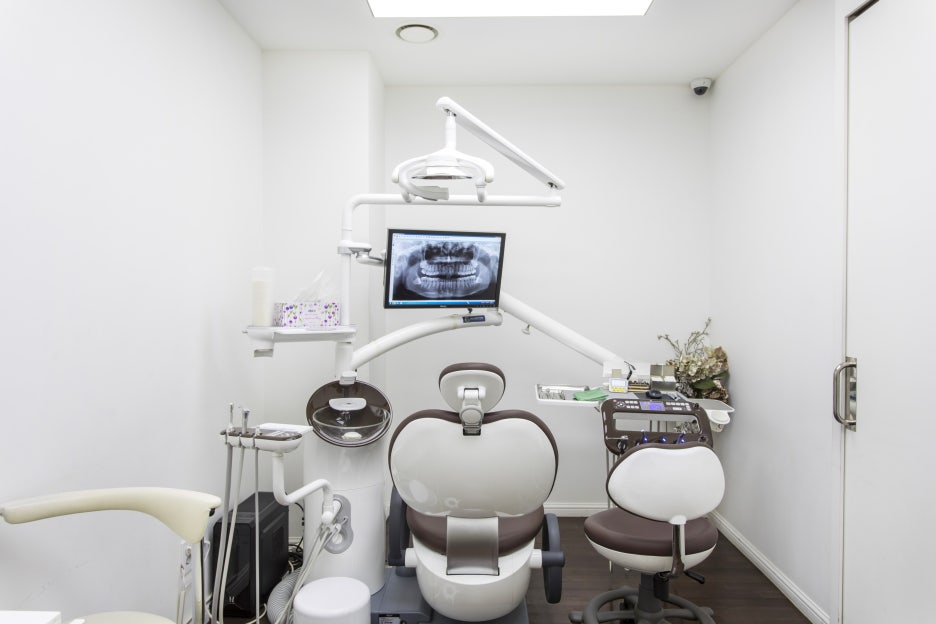
Many people have questions about Digital Full-Arch. Here are the most frequently asked questions and answers. Many people ask whether Digital Full-Arch is possible even when there is insufficient jawbone. Yes, it is possible. By using 3D navigation and digital technology to place implants at specific angles, it can often be performed without bone grafting. People also often ask about the recovery period after Digital Full-Arch. Recovery time is generally shorter than with regular implants. A temporary prosthesis can be attached on the day of treatment, allowing you to return to daily life, and the final prosthesis is attached within about 30 days. People also ask how long Digital Full-Arch can last. With proper care, it can be used for more than 10 years. Regular checkups and proper oral care are important, and related free treatment is also provided within 3 years.
Digital Full-Arch is an alternative for edentulous patients made possible by advances in modern dentistry. If you have suffered from uncomfortable dentures, now is the time to improve your quality of life with more comfortable and functional teeth. Dental health affects not only the ability to chew food but also confidence and social activity, so it is important to make the right decision at the right time.
Finally, to those considering Digital Full-Arch, dental treatment should be customized according to each individual’s oral condition. We recommend confirming which treatment is suitable for you through CT scans and detailed examinations, and making your decision after sufficient consultation. We hope you regain a pleasant daily life with healthy teeth.










Previous image
Next image









Previous image
Next image