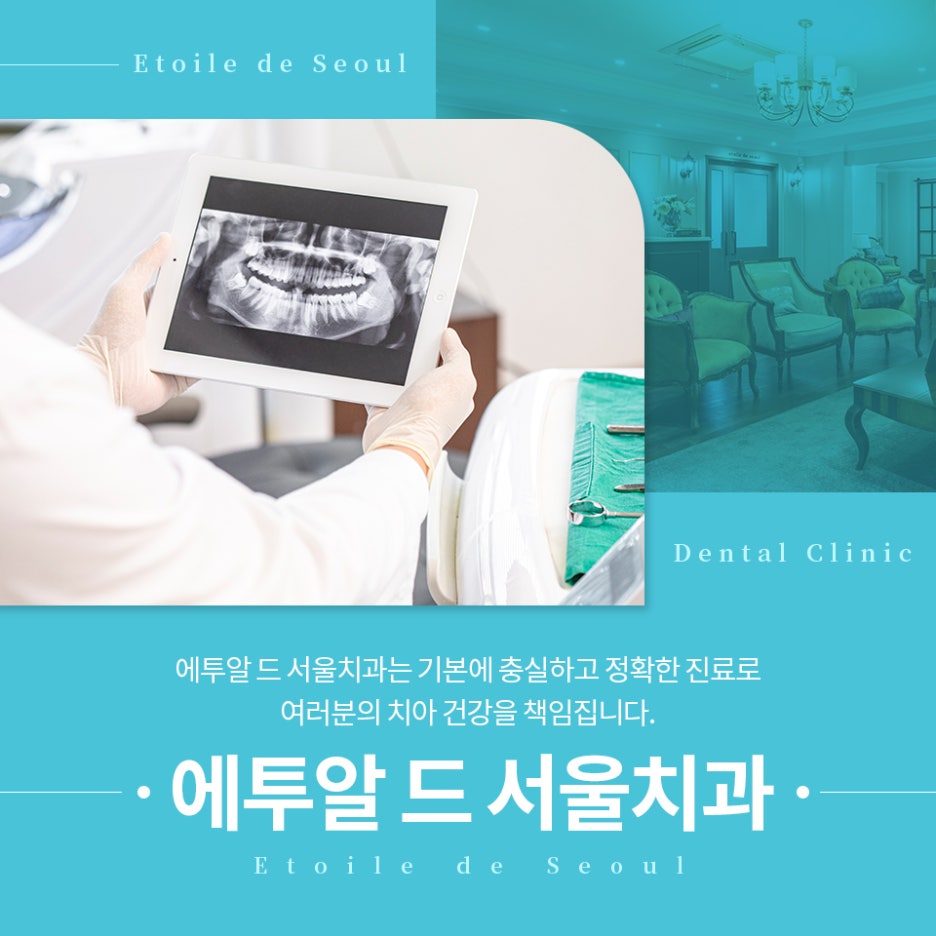
Hello, everyone. Today, I’d like to talk about implants, something many people worry about, and in particular, “full-arch implants.” For those who find dentures uncomfortable, have lost several teeth, or are in a toothless state, let’s look at information related to tooth function.
When you lose teeth, it affects not only chewing function but also speech and appearance, causing a lot of inconvenience in daily life. In particular, if you have used dentures for a long time, you may have struggled with problems such as “the dentures keep falling out,” “I can’t chew food properly,” or “my speech is unclear because of the dentures.”
One option to consider for these concerns is Cheongdam Implant, and among them, the “full-arch implant.” Because full-arch implant surgery is highly advanced, it is important to undergo treatment at a place with a strong sense of responsibility and extensive experience.

What is a full-arch implant? A standard implant method places one implant for each tooth. However, a full-arch implant uses only 4 to 6 implants for the entire upper or lower jaw. This is a treatment that takes advantage of the characteristics of implant-supported dentures and full implants, and it is performed with a small number of implants.
The main feature of full-arch implants is that they can reduce both cost and time. In addition, because the treatment area is smaller, the recovery period is relatively short, and a temporary prosthesis can be attached on the day of treatment, so you do not have to stay without teeth.
Who is a full-arch implant suitable for? First, it can be considered as an option for those concerned about cost, since it is more economical than replacing all teeth with individual implants. It may also be suitable for those who want treatment, those who are toothless after long-term denture use, those whose dentures keep falling out, those who have difficulty visiting the clinic multiple times because of limited mobility, and those who are older and are considering full-mouth implants.
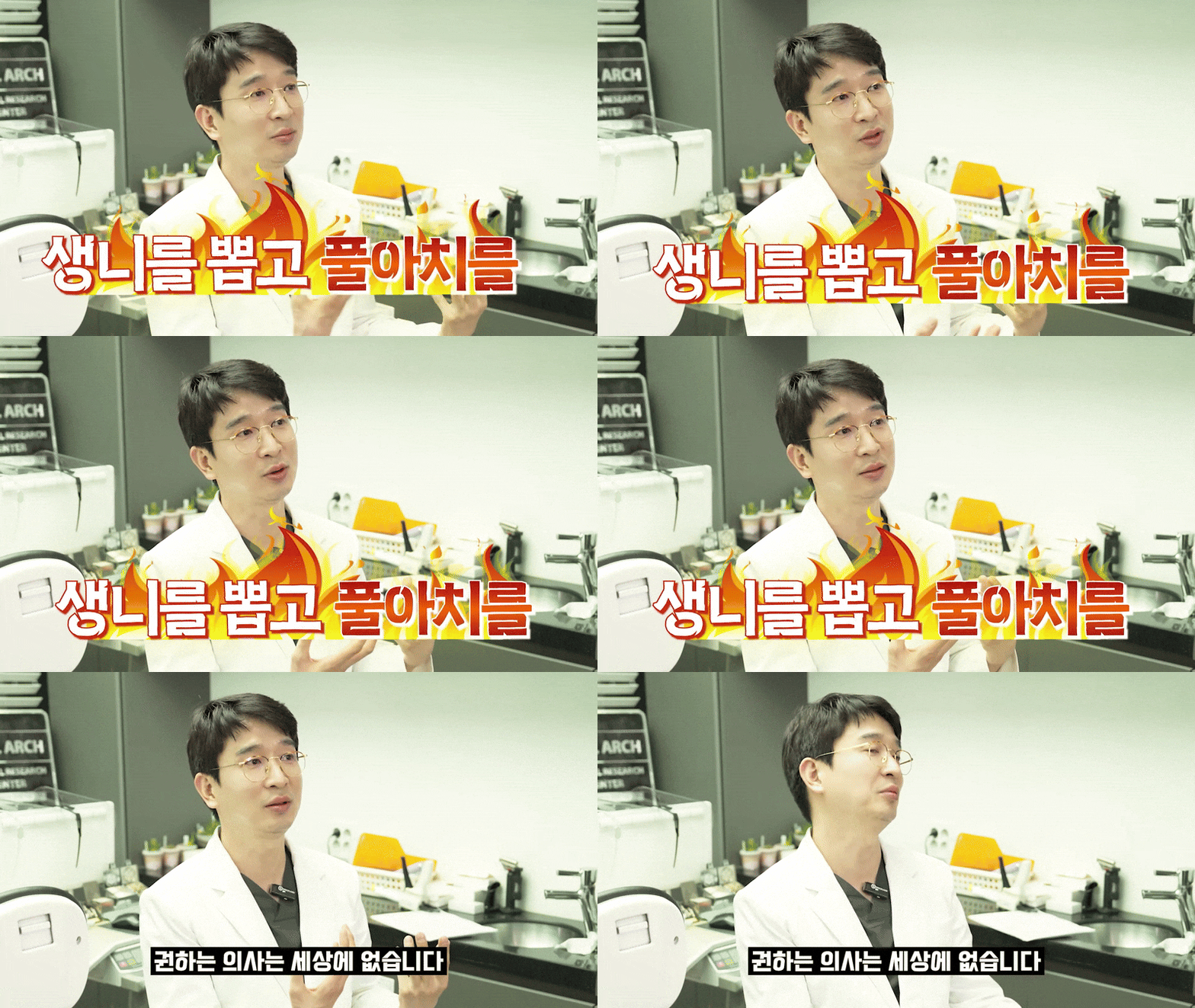
Let’s briefly look at the treatment process for full-arch implants. First, a CT scan is performed for examination and evaluation. Second, computer-based simulation treatment and prosthesis design are carried out. Third, the implants are placed and the prosthesis is inserted, and finally, the final full-arch prosthesis is inserted. Treatment may be carried out through a flapless procedure using a 3D navigation system.
The lifespan of a full-arch implant can vary depending on each person’s oral care and regular checkups, but with proper care, it can be used for a long time. In addition, the gums are recreated with a finely reproduced gum line using pink porcelain, and the teeth are made with zirconia material.
Many people have various questions about full-arch implants. Now, I’ll answer some frequently asked questions.
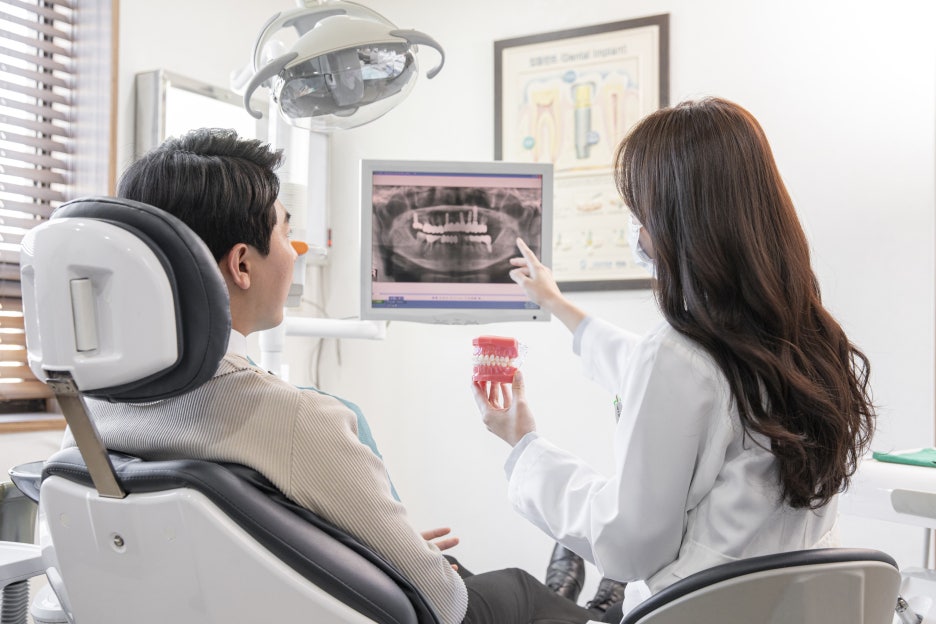
"Is full-arch implant treatment possible even if there is insufficient jawbone?" In some cases, yes. Using 3D navigation and digital technology, 4 to 6 implants can be used. With a technique that places implants at special angles and positions, it may be possible to proceed without bone grafting.
"Can a prosthesis be attached on the day of full-arch implant treatment?" In some cases, yes. With full-arch implants, a temporary prosthesis may be attached on the day of treatment, allowing a return to daily life. The final prosthesis is attached about 30 days later after the gums have healed and the implants have stabilized.
"Can older adults receive full-arch implant treatment?" In some cases, yes. For older adults who find it difficult to visit multiple times or who are considering full-mouth implants, this can be an option to consider. However, there are individual differences depending on overall health status, so a detailed evaluation is necessary.
"Are there any restrictions on eating after full-arch implants?" During the period when the temporary prosthesis is attached, it is best to avoid hard or chewy foods. After the final prosthesis is attached, it may be possible to eat a variety of foods.
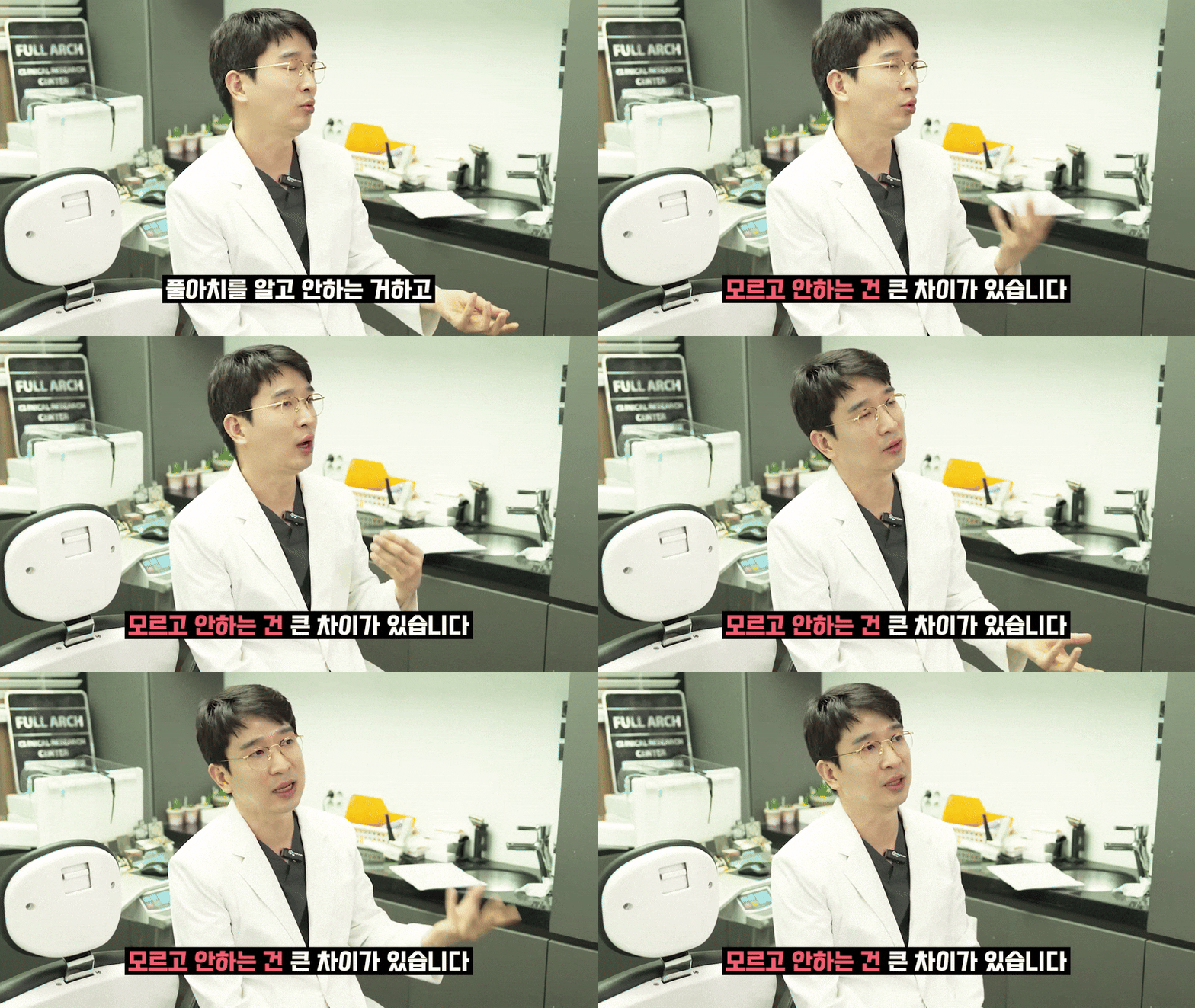
After full-arch implant treatment, brushing and flossing are necessary, and regular checkups are recommended. Follow-up care is provided through an implant treatment management plan.
"What is the difference between full-arch implants and full-mouth implants?" Full-mouth implants replace all teeth with individual implants, which takes a lot of cost and time. In contrast, full-arch implants restore an entire jaw using 4 to 6 implants, which can reduce both cost and time.
"Can full-arch implants be done if I have diabetes or high blood pressure?" In some cases, yes. However, the condition must be well controlled, and a clinical evaluation is necessary for an accurate judgment. Through CT-based examination, a treatment plan tailored to the individual’s condition is established.
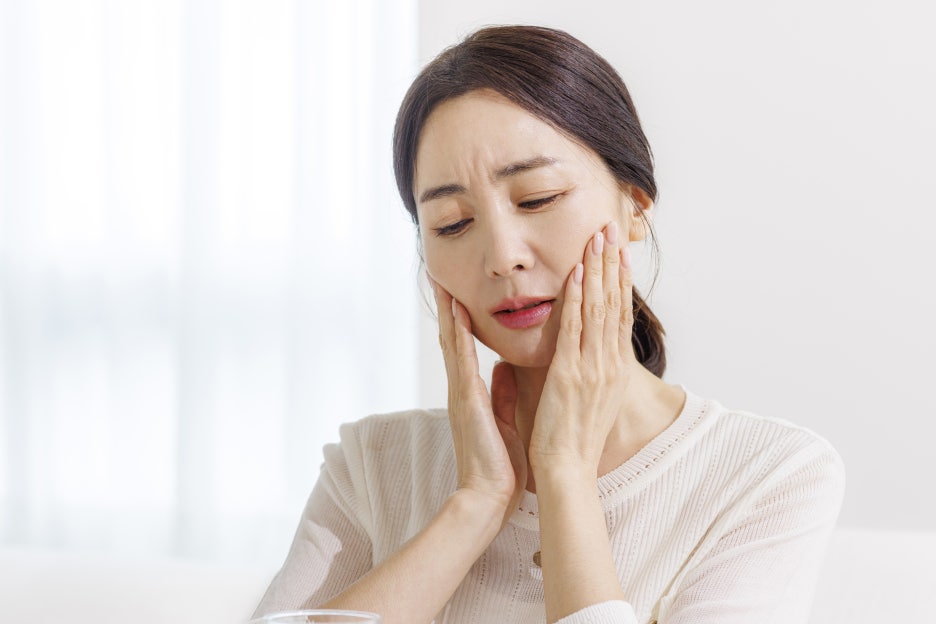
Before full-arch implants, evaluation and communication are necessary. CT scans, oral scans, and other tests are performed, and if needed, extraction of existing teeth or gum treatment may come first. In addition, smokers are advised to quit before and after treatment. A treatment plan is established through evaluation with 3D equipment.
Full-arch implant treatment may be performed using 3D navigation. There may be some discomfort after treatment, but it can usually be managed with common pain relievers, and most people say the discomfort is less than they expected.
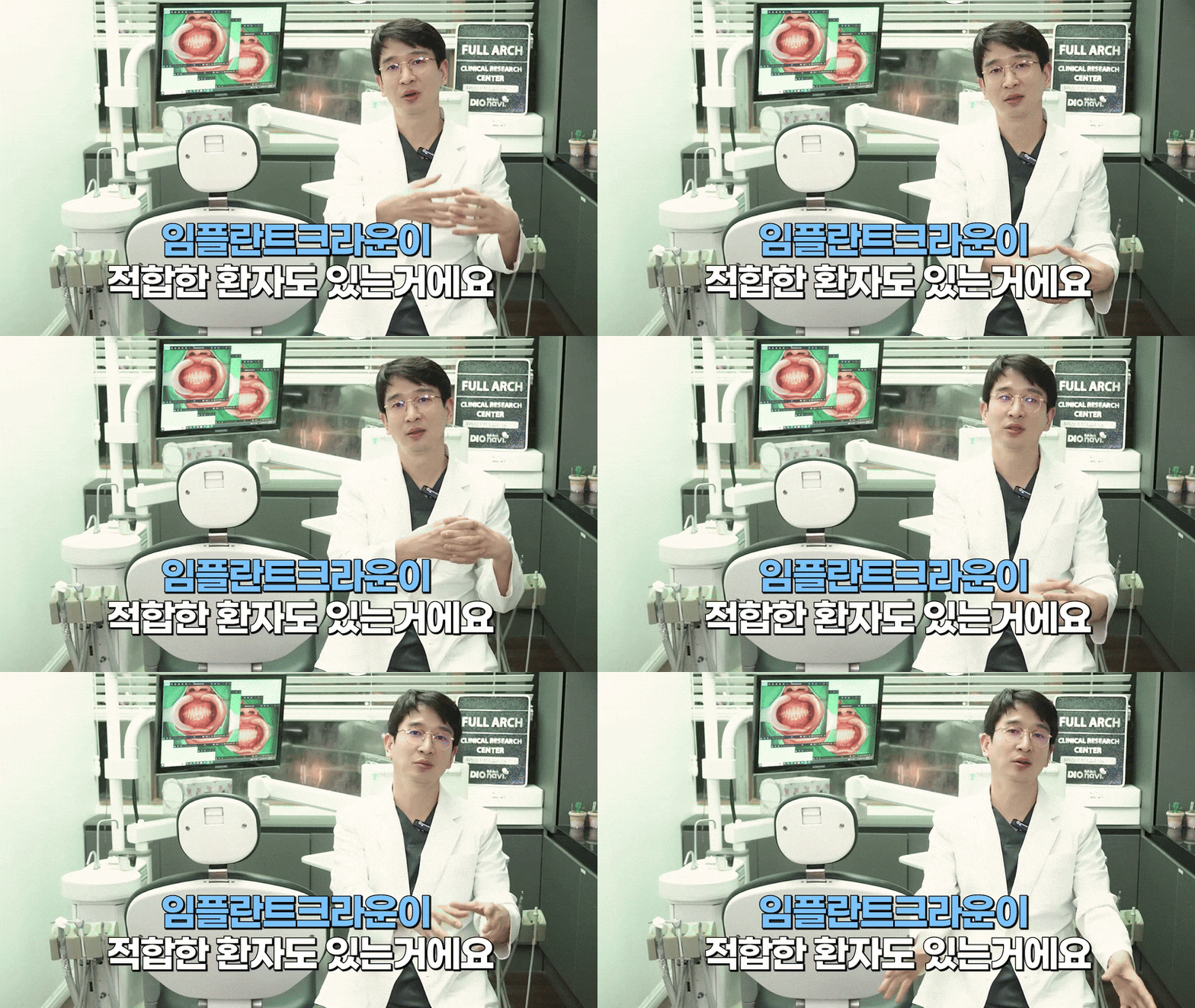
At Cheongdam Implant, we provide not only full-arch implants but also a variety of implant treatments suited to each person’s oral condition. The important thing is to choose the right treatment method for the individual.
Lastly, dental health is an important factor directly connected to our quality of life. If you are considering implant treatment, please find the method that suits you through a consultation. Cheongdam Implant is committed to supporting your healthy oral care.
Full-arch implants are digital implant treatments that use only 4 to 6 implants. In some cases, a prosthesis can be attached on the day of treatment, making it easier to return to daily life. This method considers both aesthetics and chewing function, and may be suitable for people who are toothless or find dentures uncomfortable. It also has the characteristics of reducing cost and shortening treatment time.









 Previous image
Next image
Previous image
Next image








 Previous image
Next image
Previous image
Next image