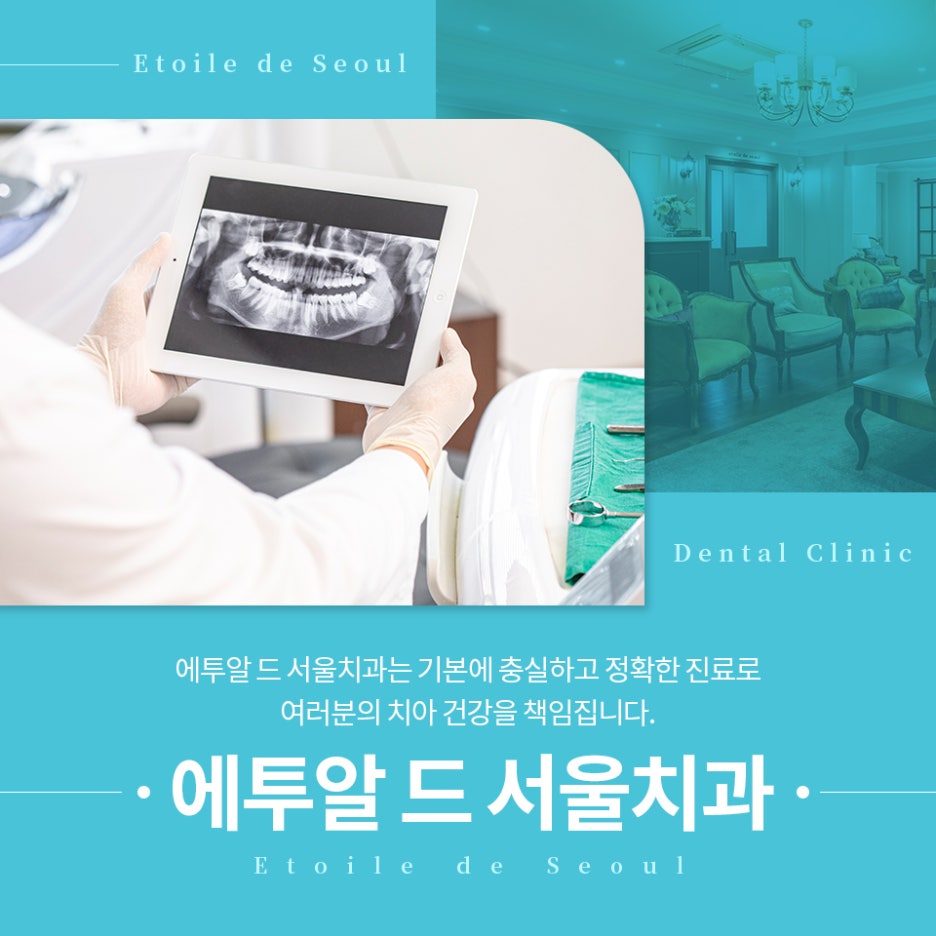
Hello, this is Etoile de Seoul Dental Clinic. Today, we’d like to talk about full-arch implants for people who are completely edentulous and find dentures uncomfortable. When considering dental treatment, especially implants, one of the most important things to look at is the implant warranty period. Many people have concerns such as, “My dentures keep slipping and it’s uncomfortable,” or “I can’t chew food properly.” The discomfort felt after using dentures for a long time can greatly reduce quality of daily life. One way to help with these concerns is full-arch implants, and today we’ll look at their features along with the warranty period.
What Is a Full-Arch Implant?
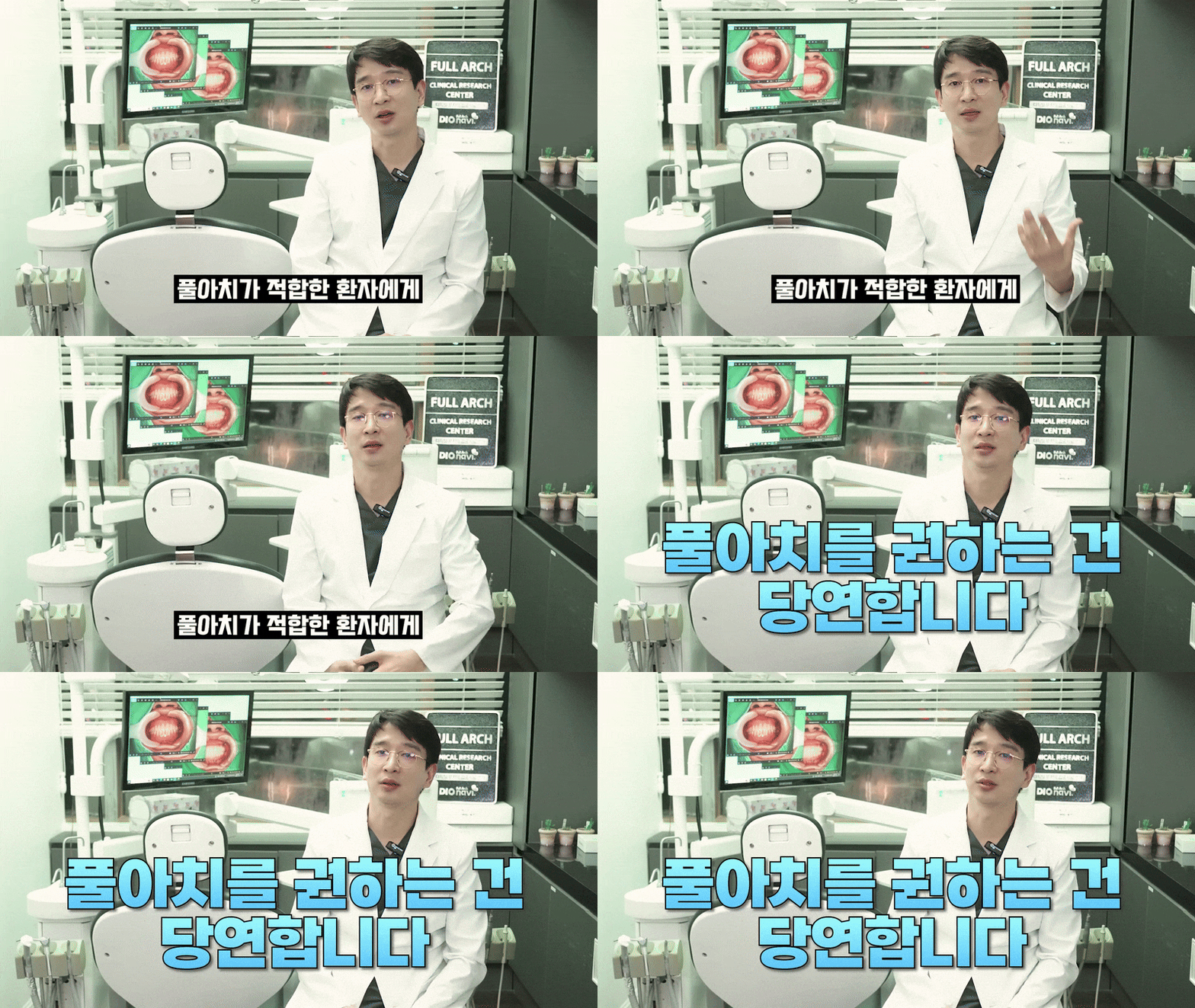
A full-arch implant is an implant treatment that uses digital technology for people who are edentulous (without teeth). In a typical implant treatment, one implant is placed for each tooth, but a full-arch implant restores the entire upper or lower jaw with only 4 to 6 implants. This can reduce cost and time, and because the surgical area is smaller, it may help with recovery.
One of the main features of full-arch implants is that a prosthesis can be attached on the day of treatment, so patients do not have to go without teeth. This helps people return to daily life and regain a confident smile.
Why Is the Warranty Period Important?
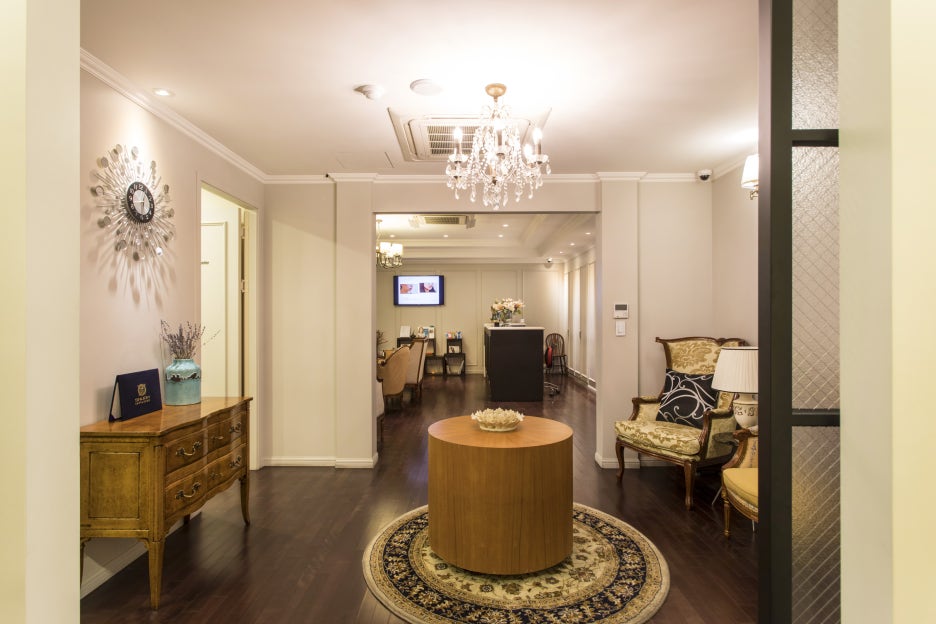
Implant treatment requires multiple stages of dental care. Because it is an important treatment that involves significant time and cost, it is very important to carefully check the warranty period. During the warranty period, if a problem occurs, you can receive care without additional cost, which is economical in the long term.
In general, the warranty period for full-arch implants can vary by clinic. Usually, a warranty of about 3 to 5 years is provided, and some clinics offer even longer coverage. The warranty details also differ by clinic, so it is best to clearly understand in what situations free repair or replacement is available.
Differences Between Full-Arch Implants, Regular Implants, and Implant Dentures
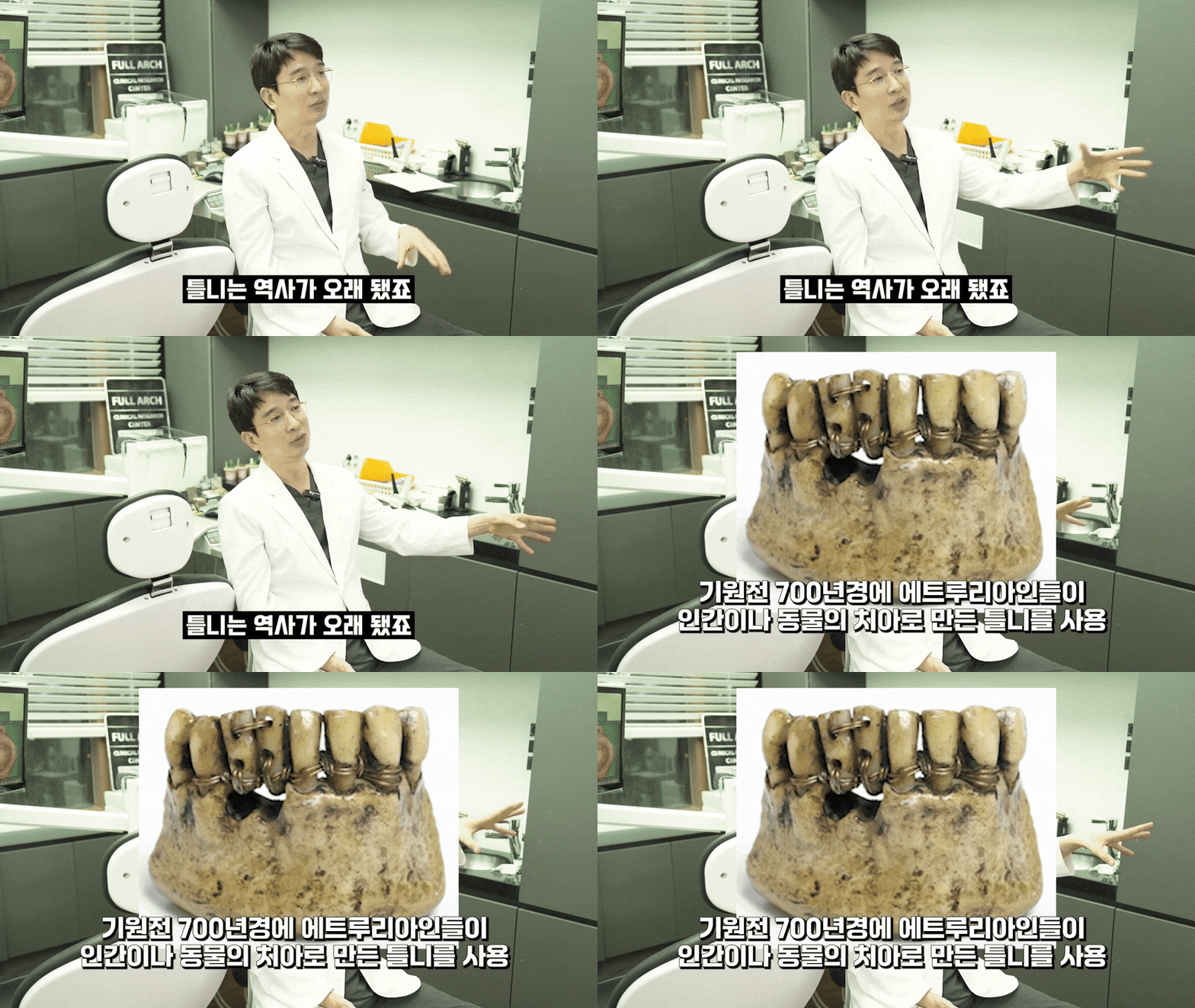
Full-arch implants, regular implants, and implant dentures each have different characteristics. Regular implants replace individual teeth, so replacing all teeth with implants requires a great deal of cost and time.
Implant dentures involve placing several implants into the gums and then attaching dentures that can be removed and reattached. Chewing force is about 60% to 80% of natural teeth, which is lower than full-arch implants. Also, because they are dentures, there may be some movement inside the mouth.
By contrast, full-arch implants attach fixed prostheses onto 4 to 6 implants, so chewing force can be restored to a level close to that of natural teeth, and patients can feel stability in the mouth. Using pink porcelain and zirconia materials, they can recreate the appearance of natural teeth and gums, so good aesthetic results can also be expected.
Advantages of Full-Arch Implants
Full-arch implants have several advantages. The main advantage is that overall tooth function can be restored with a small number of implants. This leads to cost savings and also simplifies the treatment process.
Another major advantage is that a prosthesis can be attached on the day of treatment, allowing patients to return to daily life immediately. The final prosthesis is usually completed and attached within about 30 days. Full-arch implants are fixed, so they provide stability in the mouth, and chewing force can be restored to a level close to that of natural teeth.
From a maintenance perspective, they are also convenient because they can be cared for much like natural teeth. Regular brushing and flossing are usually enough, and it is important to check the implant condition through regular examinations.
Full-Arch Implant Treatment Process
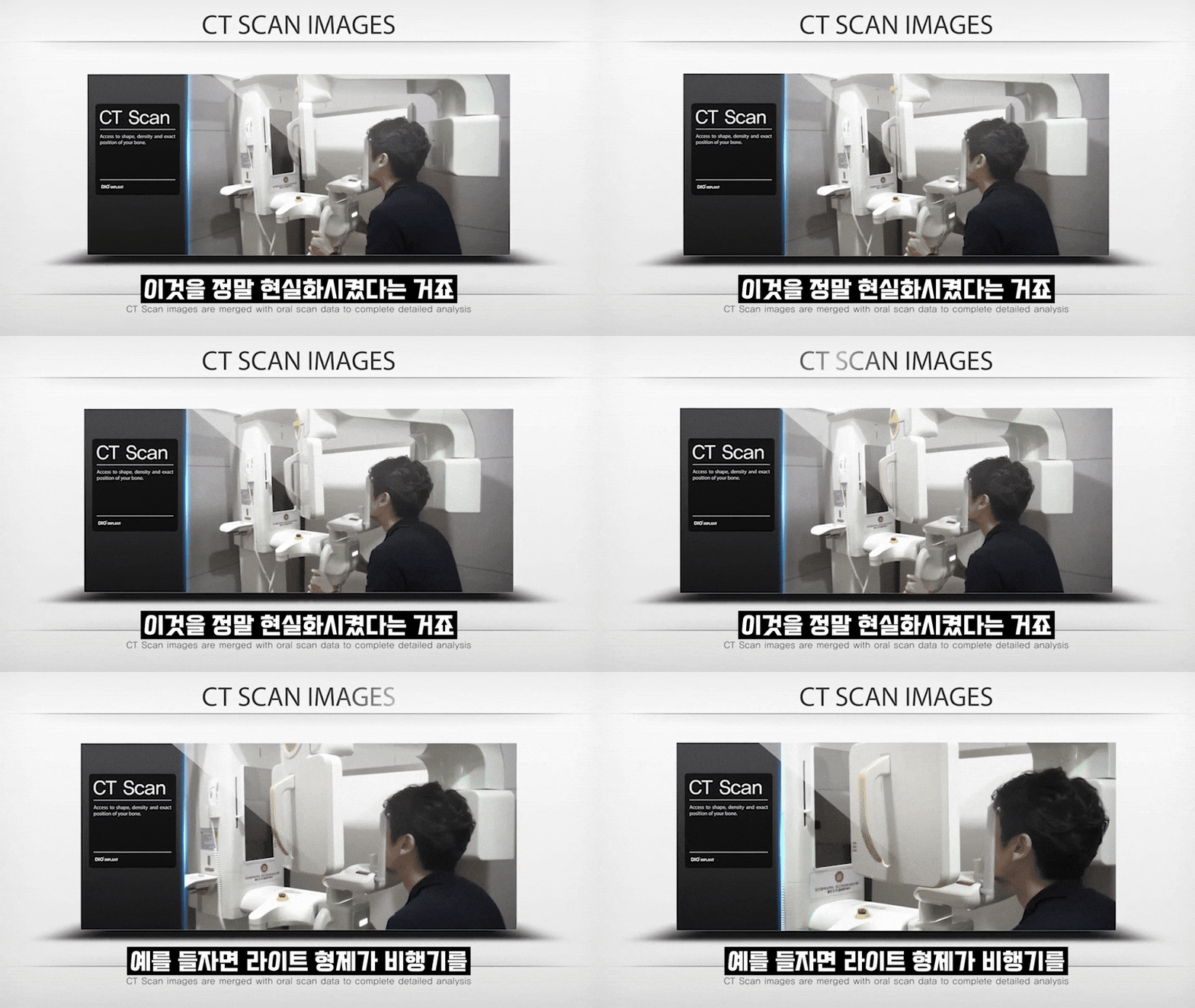
Full-arch implant treatment begins with a consultation and examination, followed by a CT scan to assess the condition of the jawbone. Next, in the computer simulation and prosthesis design stage, a plan is made using 3D digital technology. After that, implants are placed at the planned locations and a temporary prosthesis is attached on the same day. Finally, after about 30 days, once gum recovery and implant stabilization are confirmed, the final prosthesis is attached.
Surgery using a 3D navigation system can reduce pain and may help recovery. Based on the information obtained through simulated treatment, implants can be placed in the planned positions.
Key Points to Check When Confirming the Warranty Period
Before deciding on full-arch implant treatment, it is important to carefully check the warranty period. You should clearly understand how long the warranty is provided, in what situations free repair or replacement is available, what regular examination intervals are required to maintain the warranty, whether there are any additional costs even within the warranty period, and what situations are excluded from coverage, such as damage caused by accidents. Some dental clinics provide free full-arch-related treatment within 3 years. It is important to choose a clinic that uses only genuine implants and operates a thorough aftercare and treatment warranty system.
Who Is a Candidate for Full-Arch Implant Surgery?
Full-arch implants are suitable for people who find the cost burdensome and are looking for an economical alternative to full-mouth implants, people who want to complete treatment quickly, people who are edentulous after long-term denture use, people who experience discomfort such as dentures repeatedly coming loose, people who have difficulty visiting the clinic multiple times because of mobility issues, and older adults who are considering a treatment with a smaller scope than full-mouth implants. In cases where there is insufficient jawbone, full-arch implants may still be possible without bone grafting by using 3D navigation and digital technology to place implants at various angles and positions.
Frequently Asked Questions
Regarding whether there are food restrictions after full-arch implant treatment, it is best to avoid hard or chewy foods during the period when the temporary prosthesis is attached. After the final prosthesis is attached, chewing force may be restored to a level close to that of natural teeth, so most foods can be eaten.
The lifespan of full-arch implants can vary depending on the individual’s oral care and regular examinations. Regular checkups and proper care are important.
Older adults can also undergo full-arch implant treatment. In fact, it is a suitable treatment for people who have difficulty visiting multiple times due to advanced age or who are considering full-mouth implants. However, there may be individual differences depending on overall health, so a detailed examination is necessary.
Full-Arch Implant Care
Full-arch implants should be cared for like natural teeth. Daily proper brushing and flossing are necessary, and regular examinations and scaling are important. Also, it is best to avoid biting directly into hard foods, and smokers are advised to quit before and after treatment.
During the warranty period, regular examinations must be received. Usually, it is recommended to have a regular checkup every 6 months so that the condition of the implant and the health of the surrounding gums can be monitored.
Closing Remarks
Full-arch implants can be a good alternative for people who are completely edentulous and find dentures uncomfortable. They have the advantage of restoring overall tooth function with a small number of implants and allowing patients to return to daily life with prosthesis attachment on the day of treatment.
However, before treatment, be sure to carefully check the implant warranty period and choose a clinic with strong responsibility and extensive experience in treatment. With thorough aftercare and regular examinations, you can maintain healthy tooth function for a long time.
Dental treatment, especially implants, is an important decision that can greatly improve quality of life. We hope you will make a careful choice based on sufficient information and keep a healthy, beautiful smile for a long time.










 Previous image
Next image
Previous image
Next image








 Previous image
Next image
Previous image
Next image