Hello from Etoile Seoul Dental Clinic. Today, we would like to talk about “laminate re-treatment,” a topic many people are curious about. We have prepared information that may be helpful for those who have previously had laminates but are dissatisfied with the results, as well as those who are considering replacing them after some time has passed.
Reasons to Consider Laminate Re-treatment
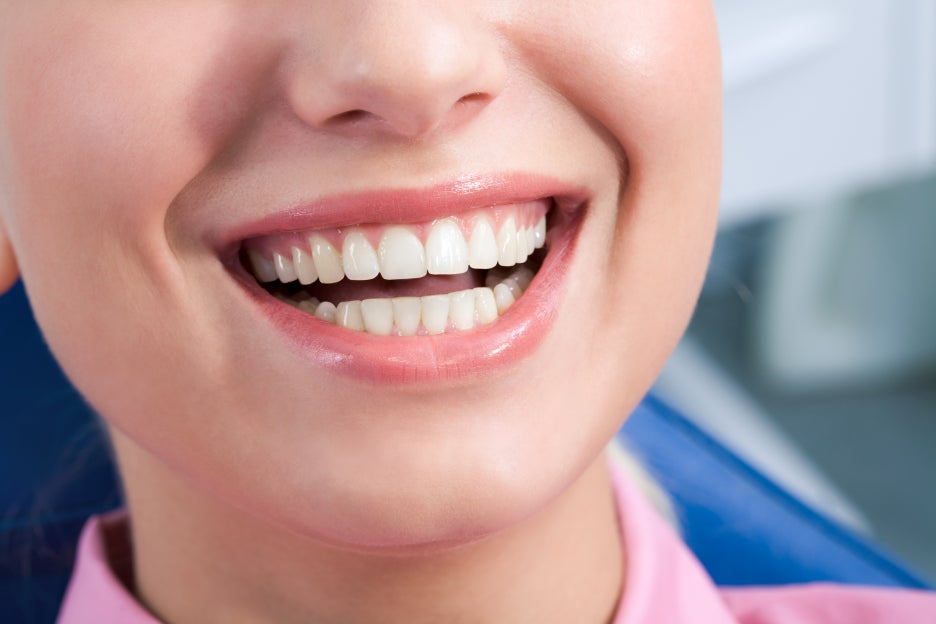
"The first time I had laminates, they were fine, but over time the color changed." "There are gaps between the laminates, so food gets stuck and it feels uncomfortable." "Maybe because I had them done at another dental clinic, the shape doesn’t look natural, so I notice it every time I smile."
We often meet patients who come in with these concerns. Laminates are a method that changes the color, shape, and size of teeth by attaching thin porcelain pieces to the outer surface of the teeth. However, as time passes, there are cases where people consider having laminates done again for several reasons, such as adhesive discoloration, laminate breakage, or gaps forming at the boundary with the tooth.
It is not simply a process of removing the old ones and attaching new ones. It is similar to a home renovation. It involves understanding the existing condition, analyzing the situation, and then making a new plan. Therefore, it may require a more careful approach than standard laminate treatment.
Understanding the Minimal Reduction Method and Considerations for Re-treatment

When considering laminate re-treatment, it may be helpful to learn about the “minimal reduction method.” This approach is carried out with little to no reduction of the existing tooth structure. The defining feature of this approach is reducing tooth preparation.
While standard laminates remove about 0.5–0.7 mm of the tooth surface, the minimal reduction method removes only about 0.2–0.3 mm, or in some cases can be performed with almost no reduction at all. This is similar to cosmetics applied to the skin: the original skin remains intact while the appearance can still be changed.
Considering the minimal reduction method may be an approach to reduce additional removal from teeth that have already been reduced once. In particular, if the teeth have already been prepared because of previous laminates, reducing additional preparation may be worth considering.
Understanding the Laminate Re-treatment Process

Broadly, it can be divided into the examination and planning stage, the existing laminate removal stage, and the new laminate attachment stage.
First, in the examination and planning stage, the condition of the existing laminates is assessed. A 3D oral scan and CT imaging are used to analyze the condition of the teeth and laminates. Also, in this stage, the color, shape, and size of the new laminates are determined.
Second, the existing laminate removal stage is a delicate process. The existing laminates are carefully removed while minimizing impact on the teeth. This is similar to separating one attached piece of paper from another without damaging it.
Third, in the new laminate attachment stage, after the tooth surface is cleaned up, the newly made laminates are attached. If the minimal reduction method is applied in this process, additional tooth reduction can be minimized.
Features of the Minimal Reduction Method

Laminates using the minimal reduction method are approached with the goal of reducing tooth preparation. It considers minimizing additional reduction for teeth that have already undergone one round of preparation.
Also, some people who had discomfort due to previous laminates have experienced changes after the minimal reduction method was applied.
No-prep laminates may create a feeling similar to natural teeth in terms of light reflection and transparency.
How to Care for Laminates After Treatment
Proper care after treatment is important. First, regular dental checkups are recommended to monitor the condition of the laminates. A checkup about once every six months may be helpful.
Second, proper brushing and oral care are important. To prevent food from getting trapped at the laminate margins, using dental floss and interdental brushes may be worth considering.
Third, it may be helpful to be careful with excessive intake of foods and drinks that cause staining (such as coffee, wine, and strongly colored foods). This is because the adhesive portion, rather than the laminate itself, may discolor over time.
Fourth, if you tend to bite directly into hard foods with your front teeth or have a teeth-grinding habit, wearing a night guard may be worth considering. This may help reduce the pressure placed on the laminates.
Common Questions and Answers

"Will removing the previous laminates be very uncomfortable?" When removing previous laminates, discomfort can be reduced through local anesthesia. In addition, modern techniques and equipment are used to remove them while minimizing impact on the teeth.
"What if the result is different from what I expected?" Before treatment, the outcome can be checked in advance through a digital simulation process. There is also a process in which the color and shape can be reviewed beforehand using temporary laminates.
"How long do laminates last?" The lifespan of laminates can vary depending on a person’s oral condition and care habits. Of course, it may differ depending on individual oral care habits and eating habits, so it is important to check the condition through regular examinations.
Advice for Those Considering Laminate Re-treatment
First, it is important to identify the cause of the current discomfort. This is because the approach may differ depending on the situation, such as color changes, shape-related issues, or gaps.
Also, when undergoing laminate re-treatment, you may want to consider the minimal reduction method. It can help reduce additional preparation for teeth that have already been reduced once. It is also important to communicate your expectations for the result sufficiently with the medical team. Clearly conveying the desired outcome through photos or reference images may help with communication.
Lastly, this is related not only to appearance but also to oral health. It may also be worth considering from the perspective of preventing secondary problems caused by gaps between laminates and jaw joint problems caused by the bite relationship.
Closing Thoughts
This is a process of checking previous laminates and taking a new approach to the parts that need attention. In particular, the minimal reduction method can be an approach that considers appearance changes while reducing tooth preparation.
We recommend making your decision through 충분한 communication and information gathering. If you have any questions, please feel free to contact us at any time. Thank you.











 Previous image
Next image
Previous image
Next image








 Previous image
Next image
Previous image
Next image