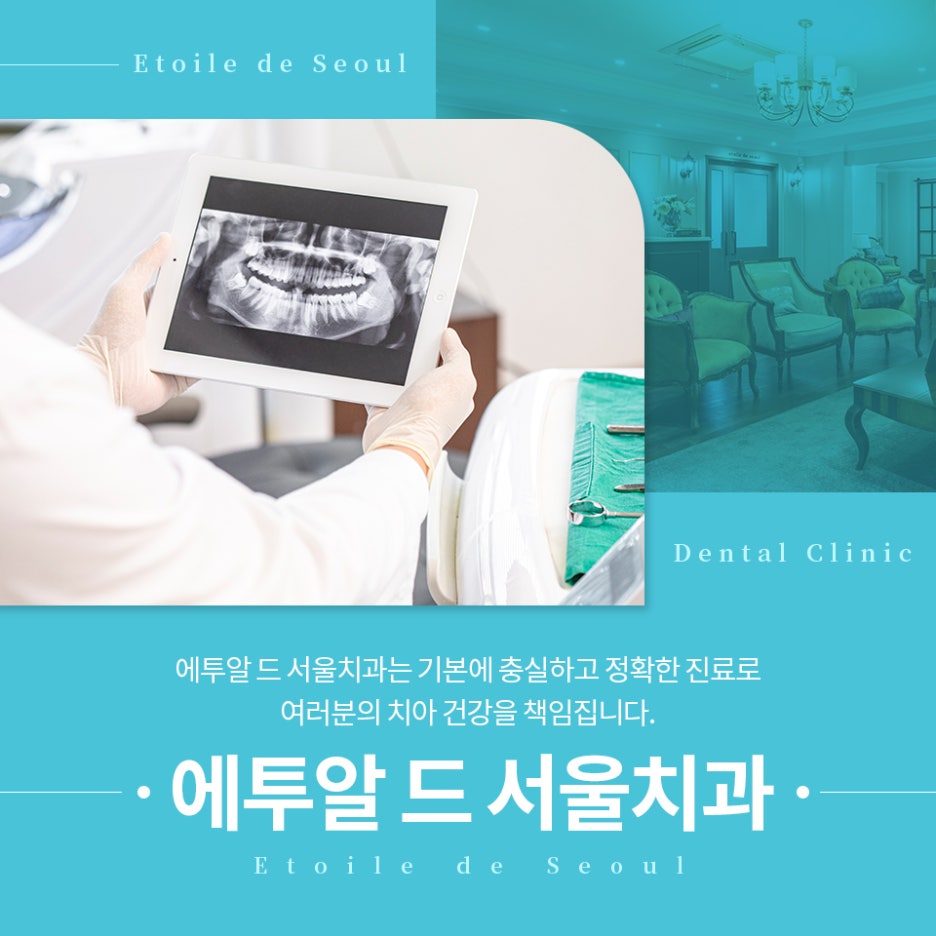
Hello, everyone. Greetings on this warm spring day. At Etoile Seoul Dental Clinic, we are working to support your healthy teeth and oral care. Today, I’d like to talk about one of the aesthetic dental treatments, “tooth-preserving laminate veneers.” This may be useful for those who are concerned about tooth reduction, so let’s take a closer look.
Modern Concerns About Dental Aesthetics
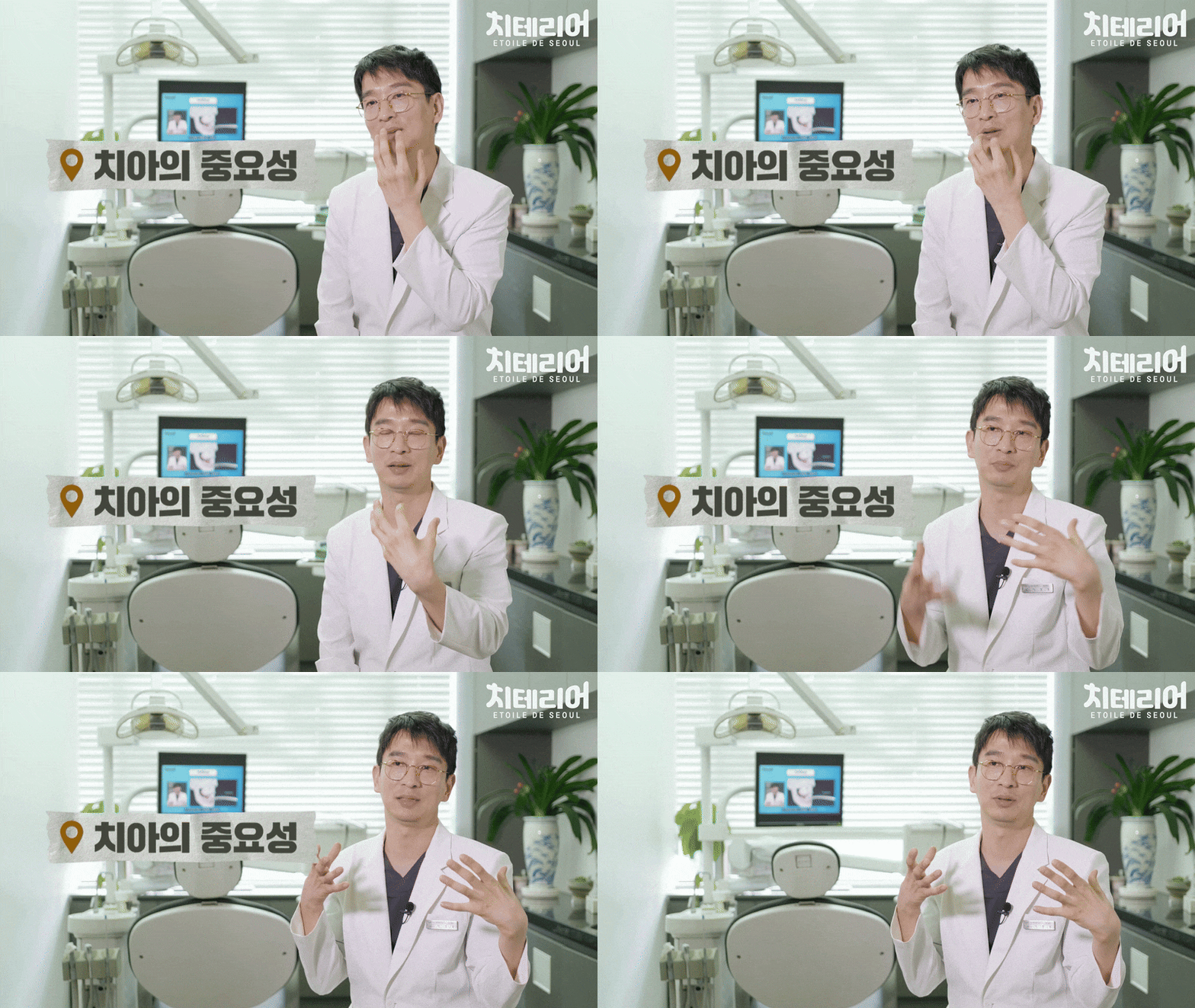
These days, as many people become more interested in appearance, interest in dental aesthetics is also increasing. In particular, when people see celebrities’ natural expressions, they often think, “I want to have expressions like that too.” At the same time, concerns such as “What if too much of the tooth has to be shaved?” and “What if my teeth become sensitive later?” often come along as well.
For those who have these concerns, today we will explain in detail about “tooth-preserving laminate veneers,” which can be considered from an aesthetic standpoint while reducing damage to the teeth.
What Are Tooth-Preserving Laminate Veneers?
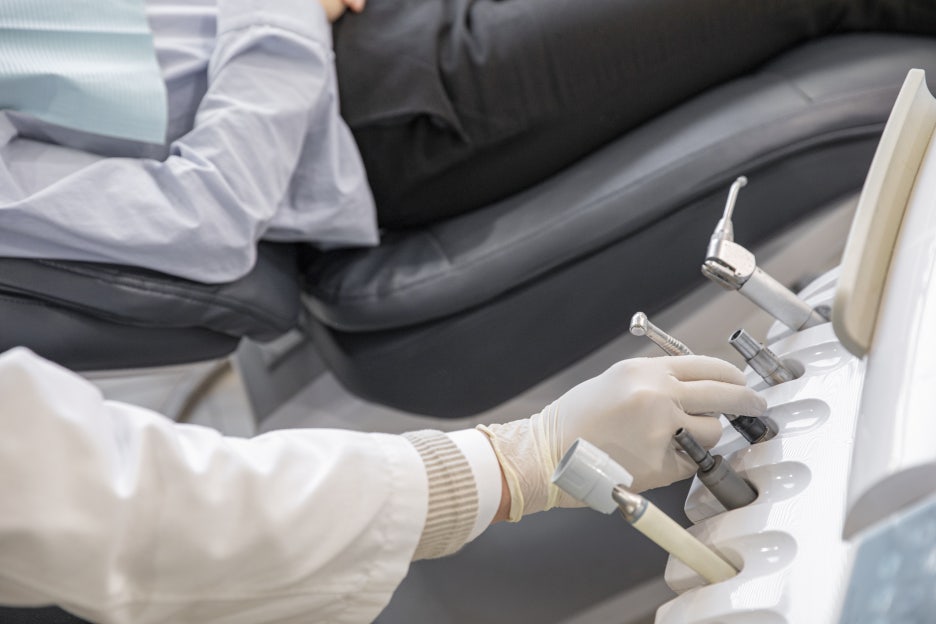
As the name suggests, tooth-preserving laminate veneers are veneers performed while minimizing tooth reduction. While conventional veneers typically require removing about 0.5 to 0.7 mm of the tooth surface, this method removes only about 0.2 to 0.3 mm, or in some cases can be performed with 거의 no removal at all.
This is similar to applying nail polish to a fingernail. Just as you can change the color and shape without filing down the nail very much, this method can alter the appearance while preserving as much of the tooth’s original structure as possible.
Features of Tooth-Preserving Laminate Veneers
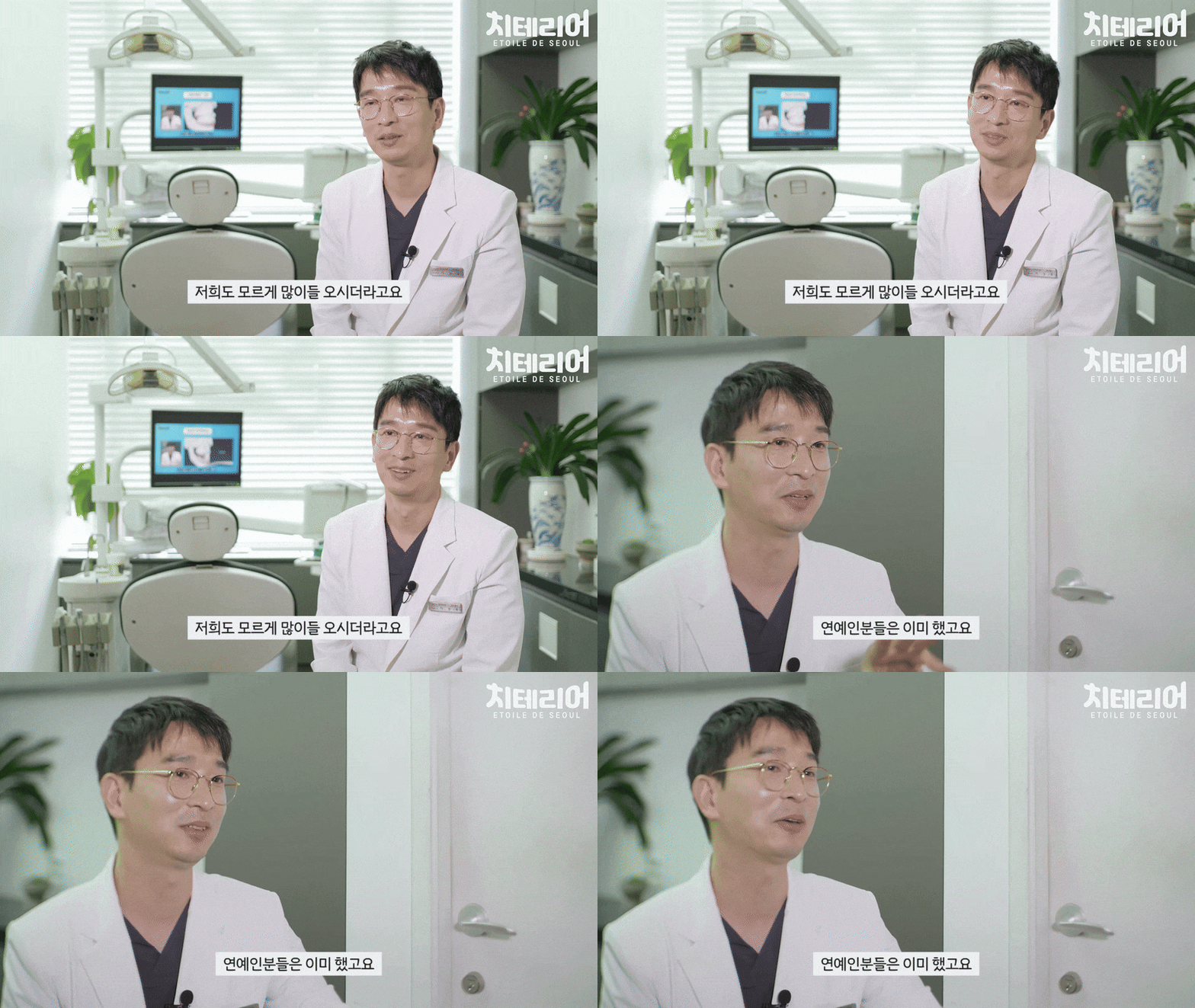
The main feature of this approach is preservation of the tooth structure. Since enamel is difficult to restore once it has been damaged, preserving it as much as possible is important. These veneers reflect the concept of tooth preservation.
Also, veneers with less tooth reduction may have a relatively lower chance of causing tooth sensitivity compared with conventional veneers. They can change color and shape while maintaining the feel of the natural tooth as much as possible, making them an option worth considering for those who value a natural-looking appearance.
Who May Consider These Veneers?
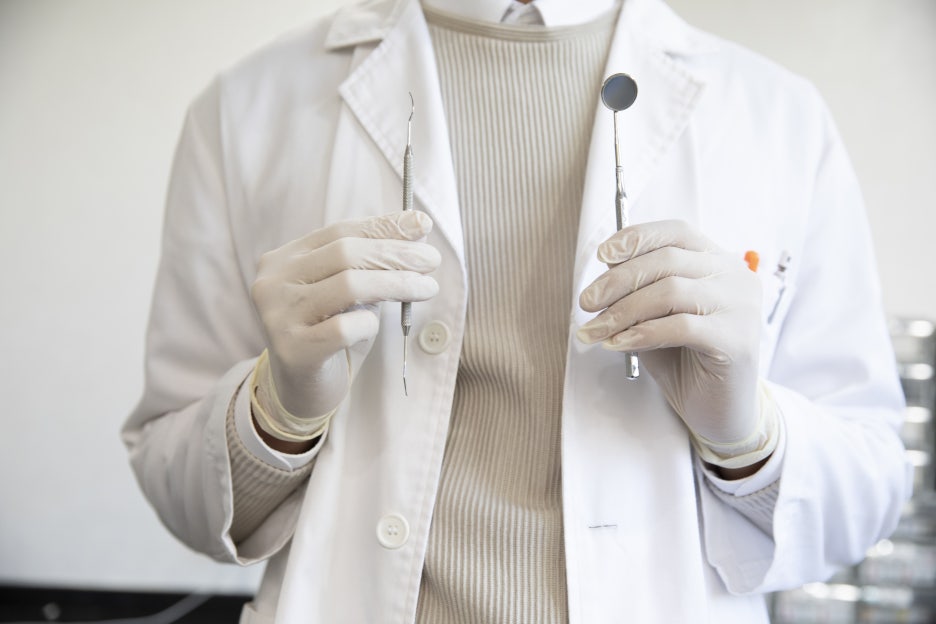
They may be considered for people who need a change in tooth color. They can be an option when there is staining from coffee, tea, wine, and similar sources, or when there is mild discoloration. They may also be worth considering for people with small spaces between teeth or mild shape-related issues, as well as for those who want to slightly adjust the length or size of existing teeth.
In particular, these veneers may be a possible alternative for people who dislike having a lot of tooth reduction, those who want natural-looking results, and those who want a reversible treatment.
The Veneer Process
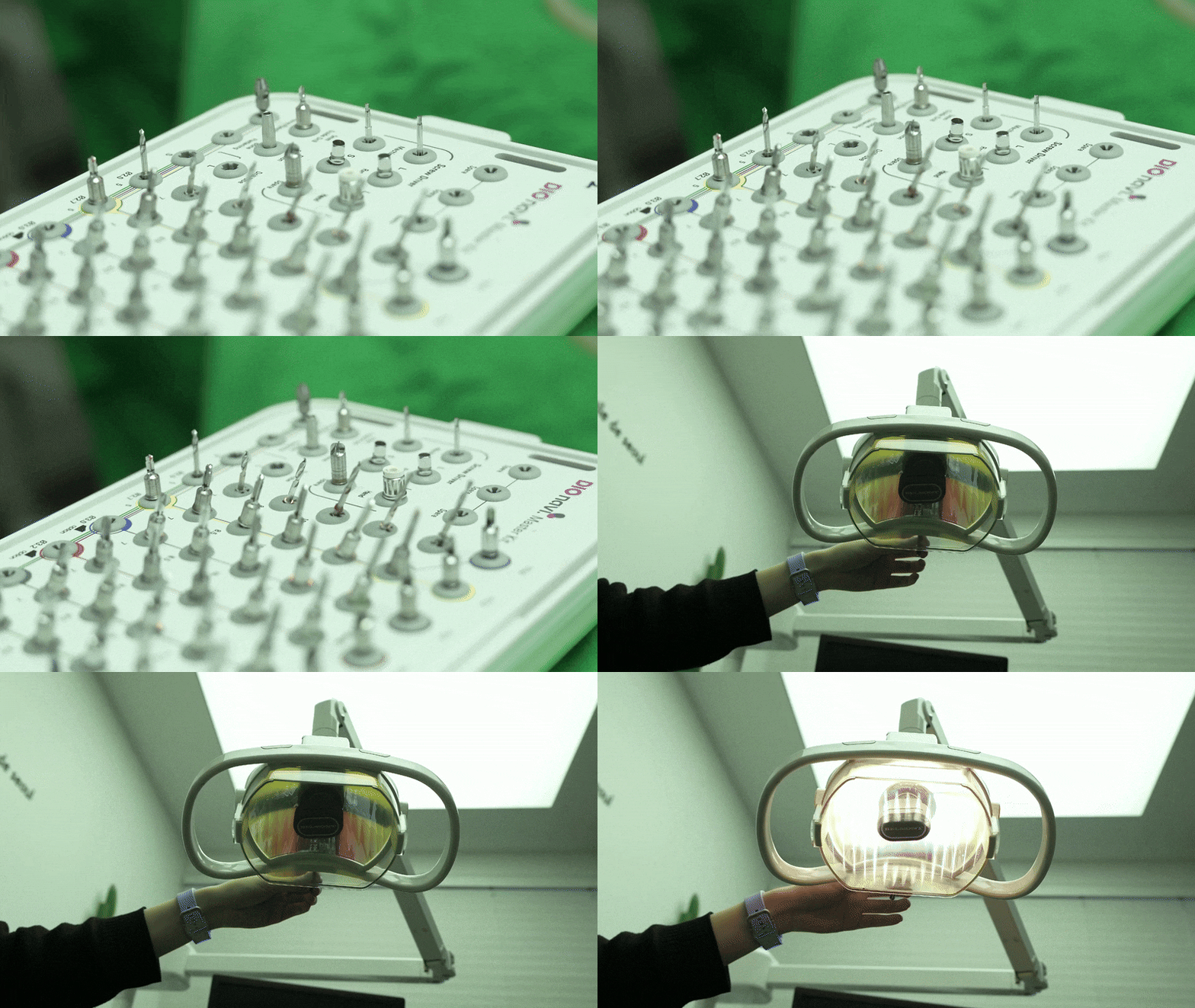
The veneer process can be divided into four stages: examination and assessment, design, treatment, and finishing.
First, in the examination and assessment stage, the patient’s dental condition and desired outcome are discussed in detail. A precise evaluation is made through CT scans and oral scanning, and the most suitable method is suggested.
In the design stage, the result can be previewed through a computer simulation. During this process, the desired tooth shape, size, and color are determined.
In the treatment stage, the precisely fabricated veneers are bonded to the teeth with minimal tooth reduction. The materials used are usually high-quality ceramic or porcelain, which have translucency and color similar to natural teeth.
In the final finishing stage, the bite and shape of the attached veneers are carefully adjusted to complete a natural-looking result. Guidance on maintenance is also provided.
How to Care for Them
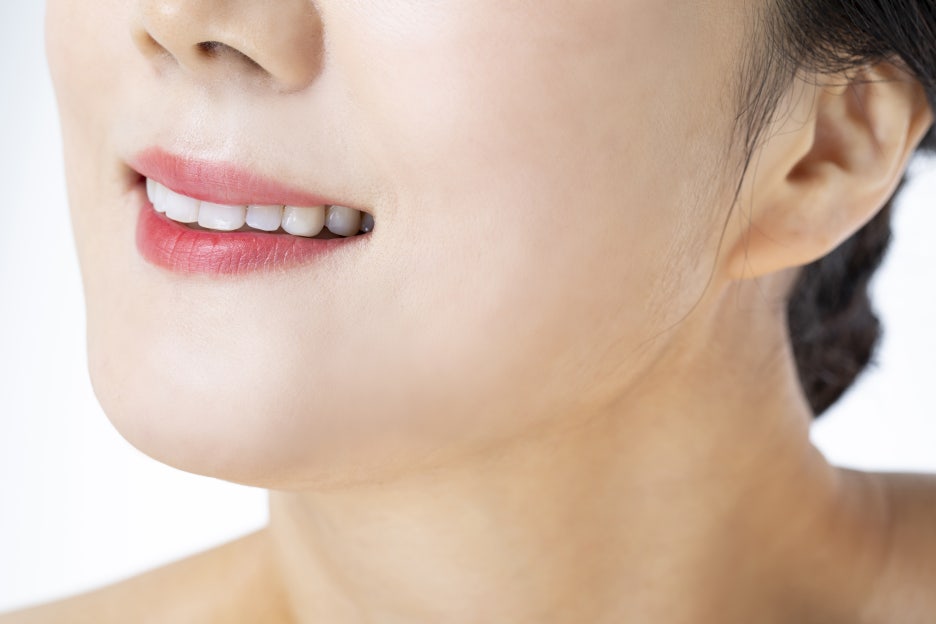
After veneers are placed, the basic approach is to care for them just like natural teeth. It is good to brush correctly at least twice a day and use dental floss and mouthwash together.
However, since some staining may occur on ceramic materials, it is recommended not to overconsume foods or drinks that may cause staining, such as coffee, tea, wine, and tobacco. It is also important to check the condition of the veneers through regular dental examinations.
Biting directly into hard foods or using your teeth to open objects can damage the veneers, so caution is needed. Also, if you grind your teeth, wearing a night guard while sleeping may help protect the veneers.
Frequently Asked Questions and Answers
Many people have questions about tooth-preserving laminate veneers, so let’s go over some answers.
“Can color changes still be achieved if the teeth are already discolored?” It depends on the degree of discoloration, but in most cases a color change may be possible. However, if the discoloration is very severe, slightly thicker veneers may be recommended, which could require a small amount of additional tooth reduction.
“How long do they last?” With good care, they can last about 10 years on average, and depending on your oral care habits and whether you receive regular checkups, they may last even longer.
“Can tooth sensitivity occur after veneers are placed?” Because these veneers require less tooth reduction, the chance of sensitivity may be relatively lower than with conventional veneers. In some cases, temporary sensitivity may occur right after placement, but in most cases people adapt quickly.
Advice for Veneers
If you are considering aesthetic veneers for a natural-looking appearance, I would like to offer a few pieces of advice. Above all, it is important to choose the method that is right for you through sufficient communication with a trusted medical professional. All treatments should be customized according to the individual’s dental condition and desired outcome.
It is also important to have realistic expectations about the result. Veneers can be considered in many situations, but they are not a solution for every dental problem. Therefore, it is a good idea to fully understand the possible results and limitations through thorough communication with the medical staff.
Lastly, please remember the importance of care after veneer placement. Even the best veneers are difficult to maintain over time without proper care. Regular checkups and good oral hygiene habits play an important role in extending the lifespan of veneers.
Closing
Teeth are an important part of oral health. Tooth-preserving laminate veneers are an approach that considers the natural structure of the teeth while addressing aesthetic concerns. We will always strive for your oral health. If you have any questions, please feel free to contact us at any time.












 Previous image
Next image
Previous image
Next image








 Previous image
Next image
Previous image
Next image