
Chief Director Lee Jang-uk
Hello.
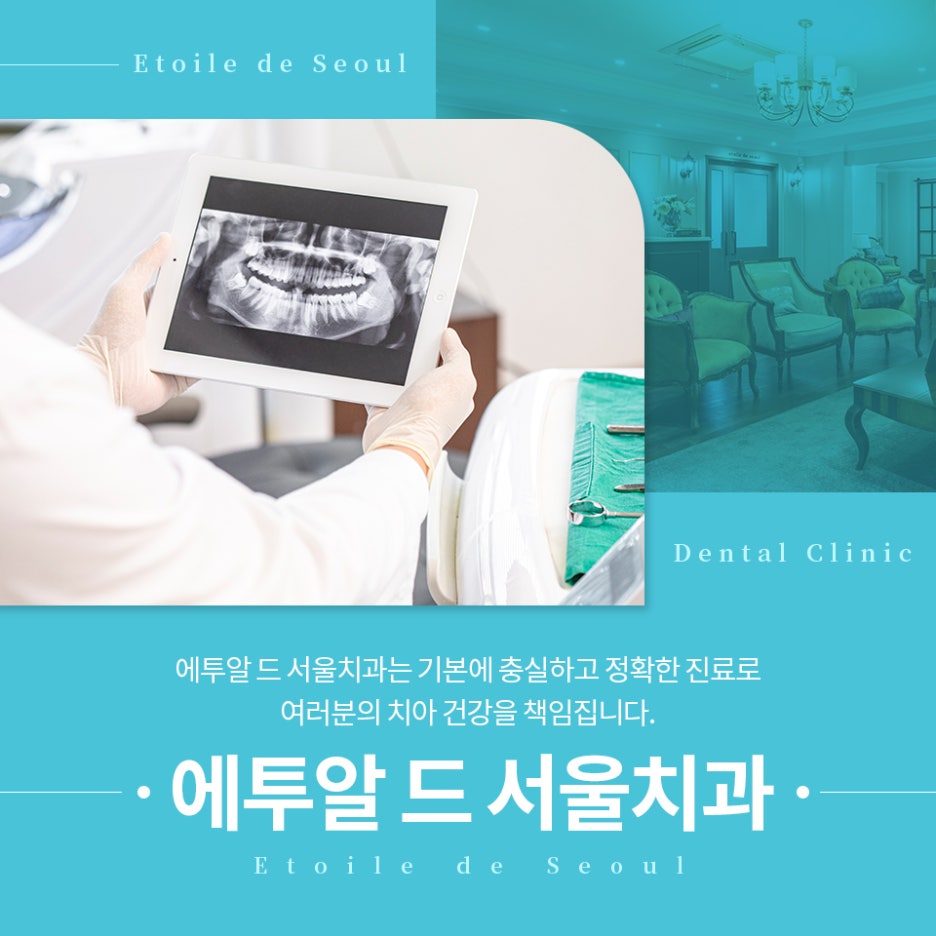
This is Etual de Seoul Dental Clinic.
If you are considering implant treatment, you may have heard of maxillary sinus lifting at least once. In particular, when an implant needs to be placed in the upper molar area, this procedure may be necessary because the bone height is insufficient.
Maxillary sinus lifting is a procedure in which the thin membrane beneath the empty space next to the nose, called the maxillary sinus, is carefully lifted and the space is filled with a bone substitute.
However, as with any surgery, it is not completely free of risk.
If you know exactly about the side effects of maxillary sinus lifting, you will be able to make a rational decision rather than have a vague fear.
We are responsible for your dental health.
Side Effects of Maxillary Sinus Lifting
Understand Them Thoroughly and Respond Wisely
Maxillary Sinus Lifting
Types and Causes of Side Effects
The most common side effect in maxillary sinus lifting is
perforation of the maxillary sinus membrane.
This is a condition in which the thin membrane of the maxillary sinus
tears during surgery,
and it occurs in about 10–15%
of all surgical cases.
It usually occurs when the membrane is too thin, adhesion is severe,
or the anatomical structure is complex.
In addition, bleeding and swelling are also common.
For 24–48 hours after surgery, the face may
swell and bruise, and sometimes
nosebleeds may occur.
In most cases, this is temporary,
but the duration and severity
may vary depending on the individual.
Infection is also one of the side effects
to be aware of.
This occurs when bacteria enter
the surgical site and cause inflammation,
and if proper antibiotic treatment is not provided,
it can develop into a serious problem.
In rare cases, chronic sinusitis,
olfactory dysfunction, or sensory abnormalities
caused by nerve damage may also occur.
Side Effects of Maxillary Sinus Lifting
How to Respond if They Occur
When a maxillary sinus membrane perforation occurs,
the treatment method varies depending on the size and location of the perforation.
In the case of a small perforation, it can be closed immediately
using a collagen membrane or fibrin glue,
and the surgery can then proceed normally.
However, if the perforation is large,
the surgery should be temporarily stopped,
and reoperation should be considered after allowing time for recovery.
If bleeding continues, a hemostatic agent is used
or pressure hemostasis is performed.
Swelling that appears within 48 hours after surgery
usually improves with cold compresses and the anti-inflammatory medication prescribed.
In severe cases, inflammation can be quickly reduced
with a steroid injection.
If infection is suspected, antibiotic treatment should begin immediately.
If drainage is needed, pus is released through a small incision,
and depending on the situation, some of the implanted
bone substitute may also be removed.
If chronic sinusitis develops,
endoscopic sinus surgery may be considered
through collaboration with an otolaryngologist.
Preparation Before Surgery
To Prevent Side Effects
To minimize the side effects of maxillary sinus lifting,
thorough examination and preparation before surgery are necessary.
A 3D CT scan should be used to accurately identify
the anatomical structure of the maxillary sinus,
the thickness of the membrane, and the density of the bone.
In addition, any existing sinus disease
or history of allergies should also be carefully checked.
For two weeks before surgery, strict no smoking and no drinking should be followed.
Nicotine in cigarettes constricts blood vessels,
which interferes with wound healing, and alcohol
can increase the risk of bleeding.
Also, if you are taking anticoagulants such as aspirin or warfarin,
you should consult your doctor in advance
to stop or adjust the medication.
On the day of surgery, it is best to get enough rest
and have a light meal.
Since you will not be able to drive immediately after surgery,
we recommend coming with a guardian.
If you are very anxious before surgery,
sedation treatment may also be available,
so please let us know in advance.
Postoperative Care and Precautions
The first 24 hours after surgery are the most important.
During this time, it is best to rest with your head elevated
and apply cold compresses at 15-minute intervals.
The prescribed antibiotics and anti-inflammatory pain relievers
must be taken exactly at the scheduled times.
You should avoid blowing your nose forcefully or forcibly holding back a sneeze.
When sneezing, let it happen naturally through your mouth,
and when blowing your nose, it is better to do it gently one side at a time.
Using a straw or spitting can also put pressure on the surgical site,
so caution is needed.
Eating is possible 2–3 hours after surgery,
but it is better to avoid hot or hard foods
and eat lukewarm, soft foods.
Make it a habit to chew on the opposite side of the surgical site,
and prevent dehydration by drinking enough water.
Recovery Process and Follow-up Observation
Swelling and discomfort may continue for about a week after surgery.
This is part of the normal recovery process,
so there is no need to worry too much.
However, if severe pain persists or signs of infection such as fever or pus appear,
you should contact the dental clinic immediately.
Stitches are usually removed after 7–10 days,
and the condition of the wound healing is checked at that time.
It takes about 3–6 months for the implanted bone substitute to fully stabilize,
so regular checkups are necessary during this period.
Exercise or strenuous activity should be avoided for about two weeks after surgery.
Light walking is possible starting the day after surgery,
but actions that involve bending the head downward or lifting heavy objects
should be avoided.
Please also avoid hot and humid environments such as saunas or jjimjilbangs.

 Previous image
Next image
Previous image
Next image
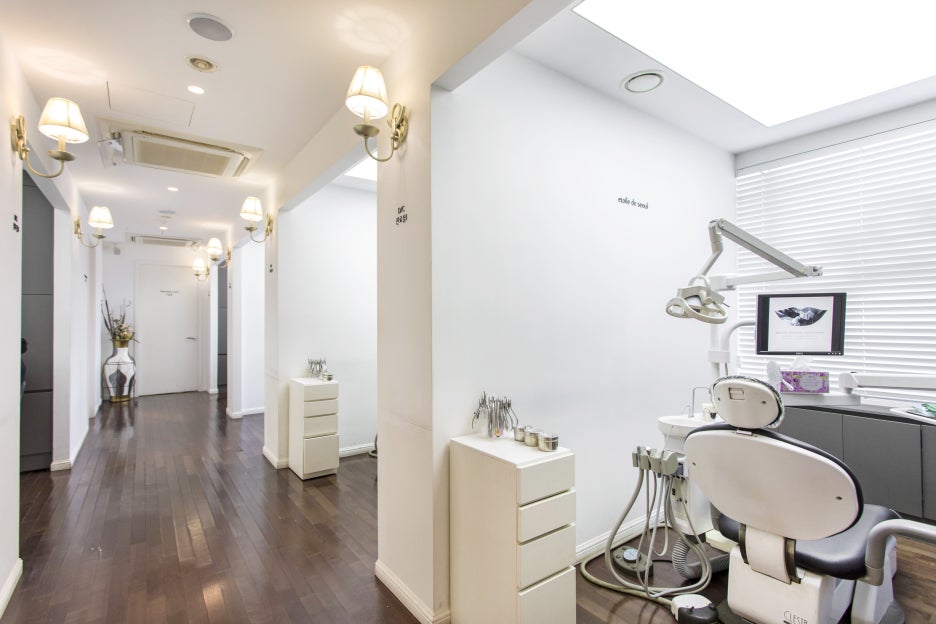
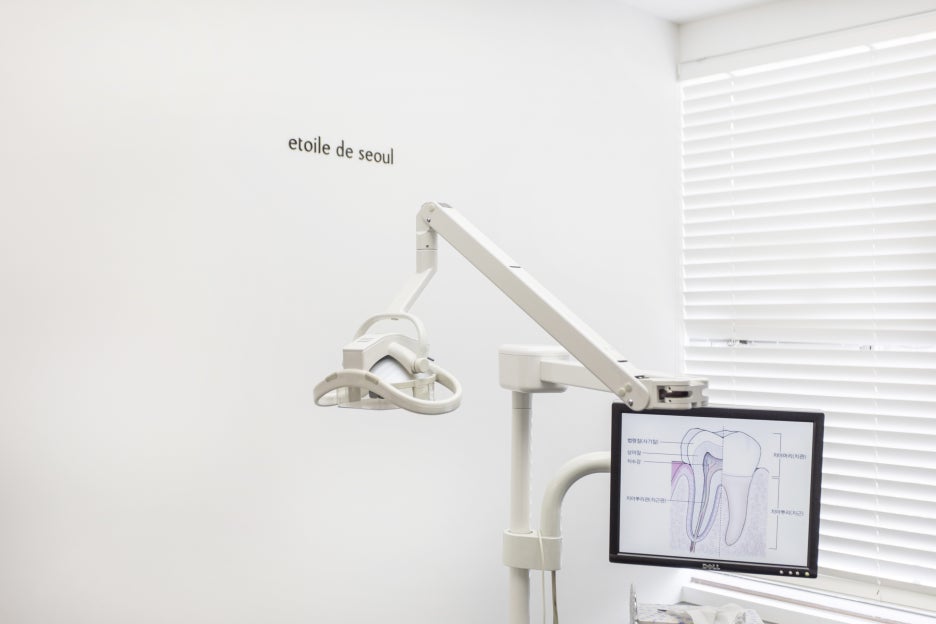
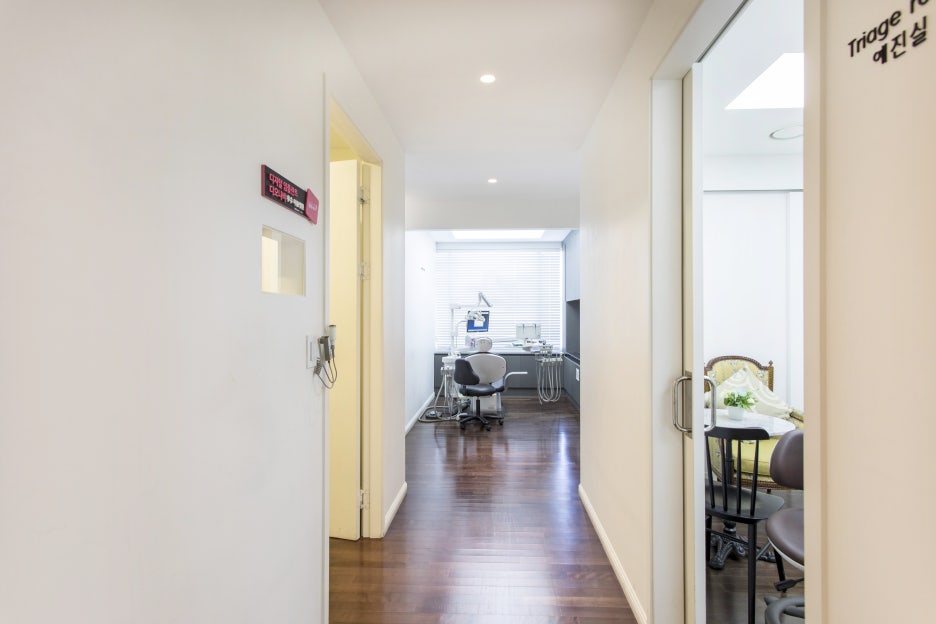
▲ [Etual de Dental Clinic] We are providing treatment in a warm and clean environment :)
Long-term Management and Successful Results
Maxillary sinus lifting is generally known to have a high success rate.
However, for successful results,
patient cooperation is essential.
For up to about six months after surgery,
regular checkups are needed to monitor the condition
of the implanted bone.
No smoking must continue even after surgery.
Smoking interferes with bone formation
and can significantly lower the success rate of implants.
Also, if you have a systemic disease such as diabetes or osteoporosis,
management of that condition is important as well.
Oral hygiene management should not be neglected either.
Keep the area around the surgical site clean,
and maintain oral health through regular scaling and checkups.
This also helps extend the lifespan of the implant in the long term.
Maxillary sinus lifting is currently recognized as a very safe
and predictable procedure.
Of course, as with all surgeries,
it is not completely risk-free, but with proper judgment,
treatment planning, and cooperation with the medical staff,
a better treatment environment can be created.
Rather than a vague fear of the side effects of maxillary sinus lifting,
rational judgment based on accurate information is important.
Through 충분한 discussion before surgery,
if an optimal treatment plan tailored to each individual’s situation is established,
and after surgery the precautions are strictly followed
and regular checkups are received,
it can help with healthy dental recovery.
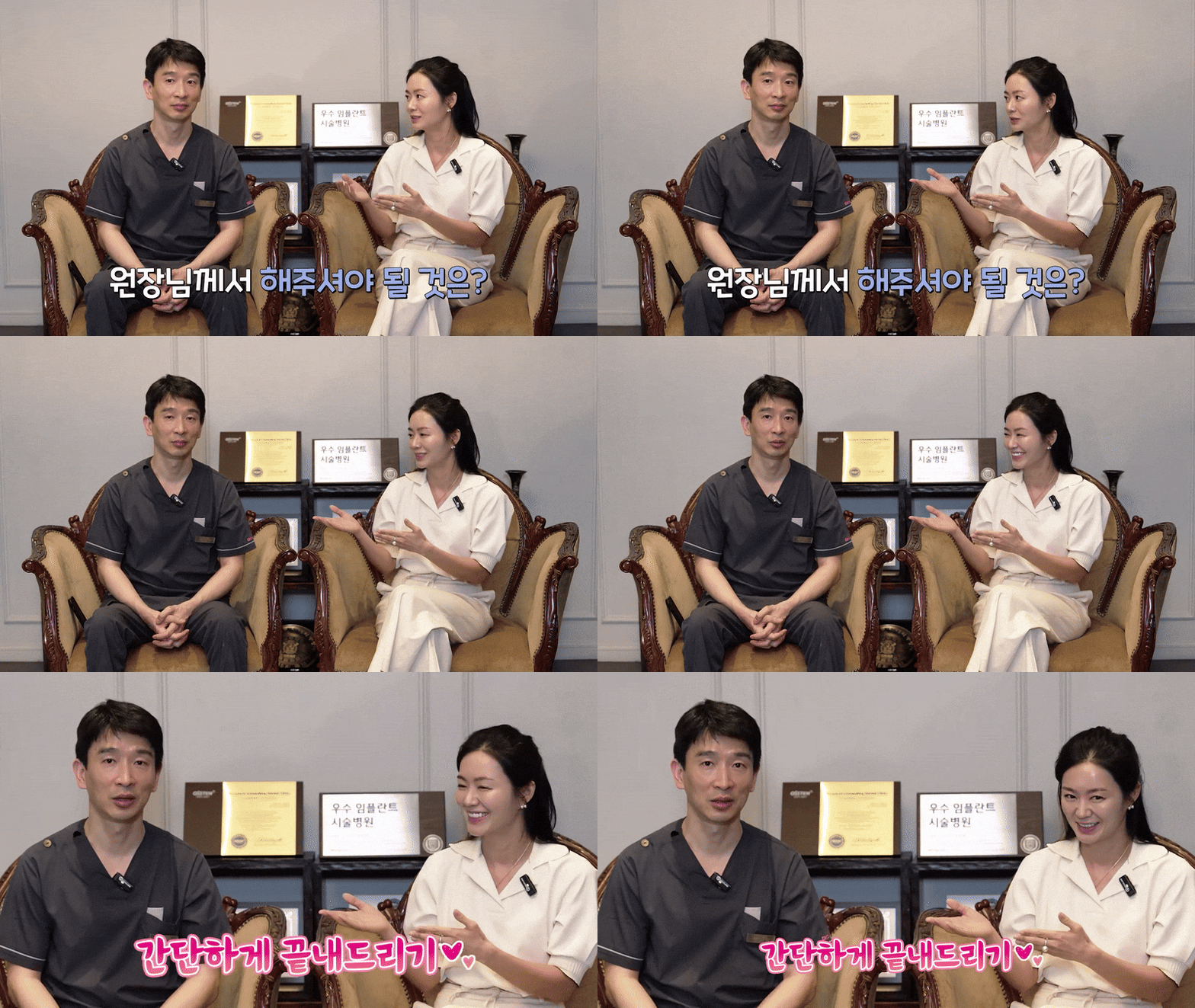
Dental treatment is not simply about treating teeth,
but about improving the quality of life of patients.
Our hope is to help you regain a confident smile,
comfortable meals, and a healthy daily life.
▼ Etual de Seoul Dental Clinic YouTube ▼











 Previous image
Next image
Previous image
Next image








 Previous image
Next image
Previous image
Next image